Experiences Without Borders: The Rise of Virtual Events

With COVID-19 affecting our face-to-face interactions, virtual events have become the new way to execute experiential marketing events. Check out how you can implement well-executed virtual events into your brand’s marketing strategy. 

As the world continues to deal with impacts of the COVID-19 pandemic, most of this year’s mass-gatherings have been cancelled, leaving brands searching for a scaled-down alternative to large-scale experiential marketing campaigns.

Fortunately, modern technology has made it possible to host stunning virtual events that rival even many face-to-face activations. 

Let’s take a look at what virtual events are, why they’re worth your time, and how you can take in-person sensibilities and apply them to the digital world.  

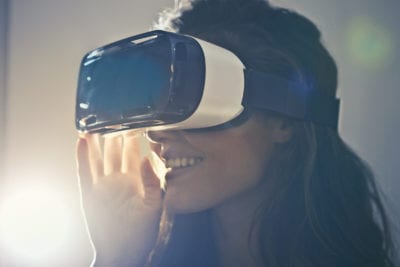
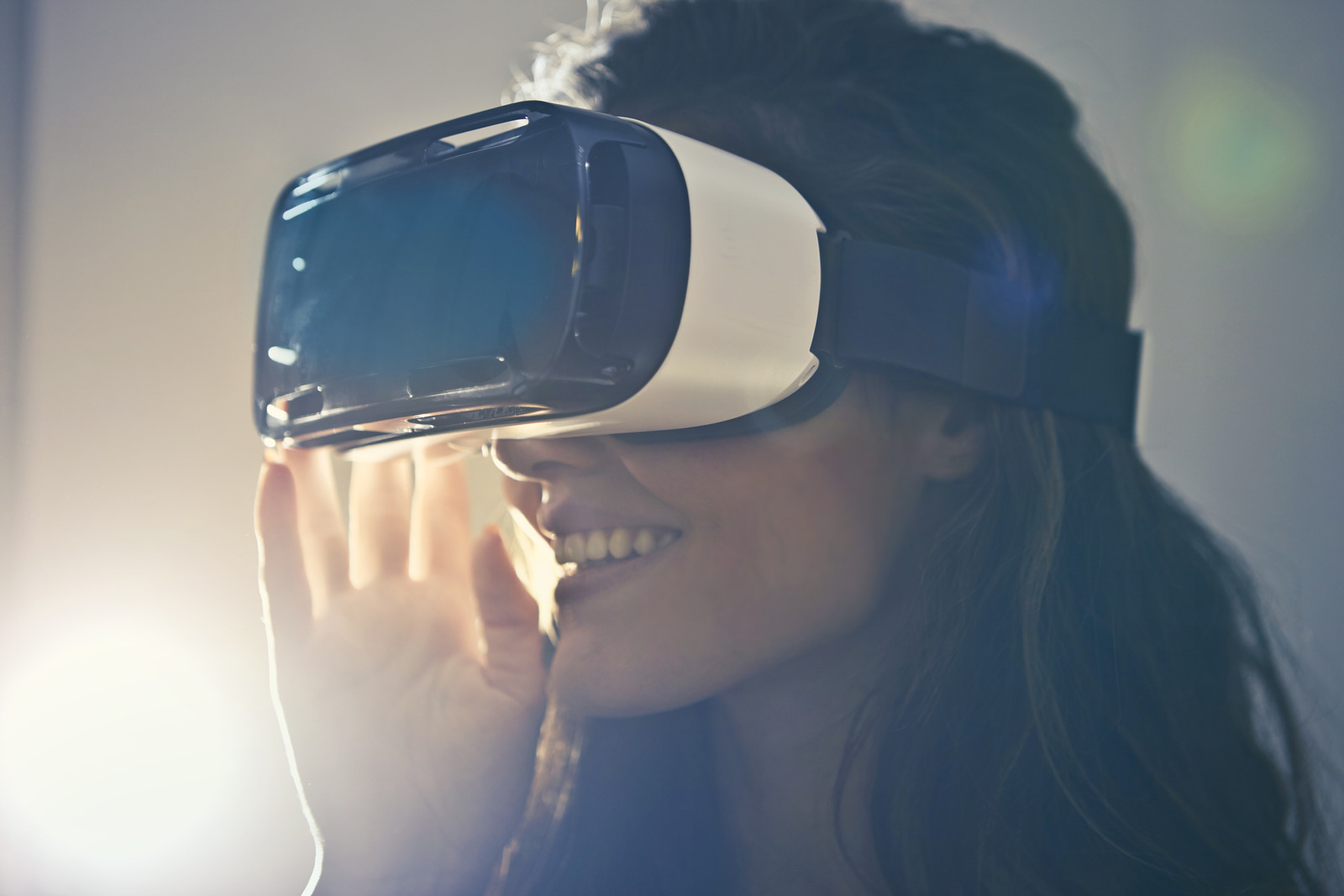
Virtual Reality


Rethinking the Value of Face-to-Face Interactions

In the age of coronavirus, brands and agencies have had to rethink entire marketing strategies, devoid of the in-person interactions that are a cornerstone of experiential marketing campaigns leveraging one, some, or all five senses. 

But, today it’s COVID-19. Tomorrow, it could be something else. Crises have always forced marketers to think outside-the-box, and whether it’s a venue cancellation or a public health emergency, necessity is the mother of invention. 

Virtual events, also known as “online events,” are interactive gatherings that are liberated from the constraints of a single, brick-and-mortar location. While some events are completely virtual, with participants attending from locations convenient to them, other virtual events combine both in-person and virtual elements, also known as “hybrid events.”

According to virtual events platform 6Connex, the overall industry has increased an astonishing 1,000% since the outbreak of the COVID-19 pandemic led to global shelter-in-place/stay-at-home and social distancing guidelines. 

However you choose to host your virtual event, it’s more than simply plugging in your computer. While it’s impossible to predict every obstacle, having a defined roadmap with clear objectives can help you accomplish your goals and host a successful virtual event. 

1 What is your brand trying to accomplish?

2 Who is your target audience?

3 What is the “key messaging” you want to convey?

4 What do you want attendees to take away from your virtual event?

5 What are your goals and/or KPIs that will measure the event’s success?

When you can answer these questions, you can unlock the power to reach people on a global scale, right where they are.

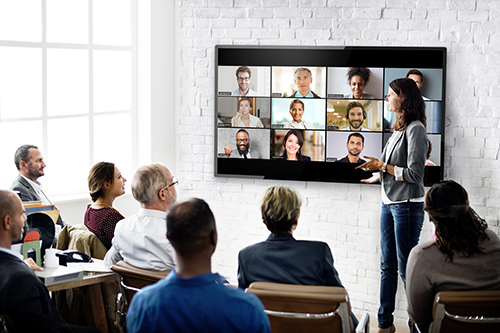
Zoom Meeting


Why Virtual Events are Valuable to Your Brand

In 2020, there are numerous ways to execute a virtual event. From “on-demand” and “broadcast,” to “augmented reality” (AR) and “virtual reality” (VR), brands have the ability to tap into innovative technologies that engage with audiences on a level on-par with, or even superior to, face-to-face events. But, it’s your job to focus on the type of virtual experience you feel will best serve your needs. 

So, now you know about all of the technical wizardry you can bring to the table for your virtual event, but you may be wondering why they’re valuable to add to your experiential marketing strategy. 

For one, virtual events allow brands to reach a wide audience. With virtual events, travel isn’t an issue to think about and they’re also more cost effective, without the big budgets associated with booking large venues and hiring temporary event staff. Plus, those lower costs can translate to savings for virtual attendees with reduced ticket prices. 

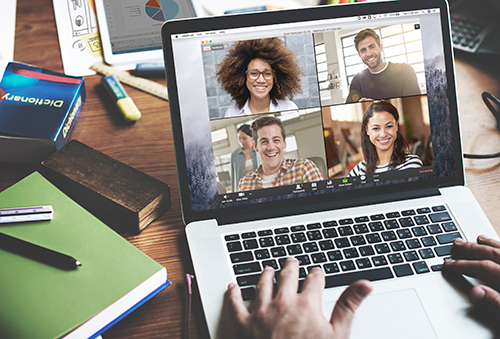
Virtual Events Experiential Marketing

Another benefit of virtual events is that they’re easily measurable in almost real-time. Depending on the goals and KPIs you’ve set for your event, you can quickly find out how many attendees there were, how they paid for their tickets, which parts of your event were most popular, and more.

With the ability to track, analyze, and measure your virtual event, your brand can utilize those metrics to better strengthen and position your event strategy. 


Make the Most of Your Virtual Event

In our socially distant world, virtual events are thriving. In April alone, video conference company Zoom saw a 30-fold increase in usage of its software with a peak of 300 million daily participants in virtual meetings. 

But, the question remains “what can brands do to produce high-quality virtual events filled with meaningful interactions and engaging content”? While there are various ways to ensure your virtual event is a success, there are a handful of “best practices” you should always keep in mind.

1 Have a game plan that fits your brand’s needs and goals. Every event should start with a well-defined vision with measurable goals to track your success.

2 Make sure the time is right. Virtual events are global events. So, aside from making sure there aren’t competing events or holidays you may not be familiar with, take time zones that work for your attendees into consideration as well. Depending on the scope of your event’s reach, you may want to plan for multiple sessions across several time zones and/or make content accessible after live sessions for those who couldn’t make it.

3 Prepare for “technical difficulties.” If you’ve ever been part of a video conference or webinar, you know how technical glitches can negatively impact the flow and presentation of a virtual event. Have you and your participants tested WiFi connections? Do you have backup files of visuals and PowerPoints? Have you performed a dry-run of your virtual event to make sure less tech-savvy participants are well-prepared? The sooner you can anticipate problems, the sooner you can create solutions for them.

4 Make your event engaging. Without face-to-face interactions and connections, it’s fairly easy for a virtual event to come across as “cold” and “distant.” When you create more opportunities for engagement, your audience is more compelled to participate. From Q&As and shoutouts, to polls and asking for feedback, your event has a higher chance of getting people to tune-in when they feel the event is inclusive and participatory.


Remove Barriers and Reach More People with Virtual Events 

If your brand has never hosted a virtual event, the challenge may seem daunting. But, when done right, your brand has the ability to cast a wide net and reach more people on a global scale. And, all while following social distancing guidelines and government regulations.  

As long as you have a detailed plan with measurable goals and your attendees wants/needs in mind, coupled with the resources to ensure your event goes off without a hitch, and innovative activities to keep your audience thoroughly engaged, hosting a virtual event can provide your brand with exceptional results.

MORE POSTS
FOLLOW US ON INSTAGRAM

Come on, Barbie, Let’s Go Market!

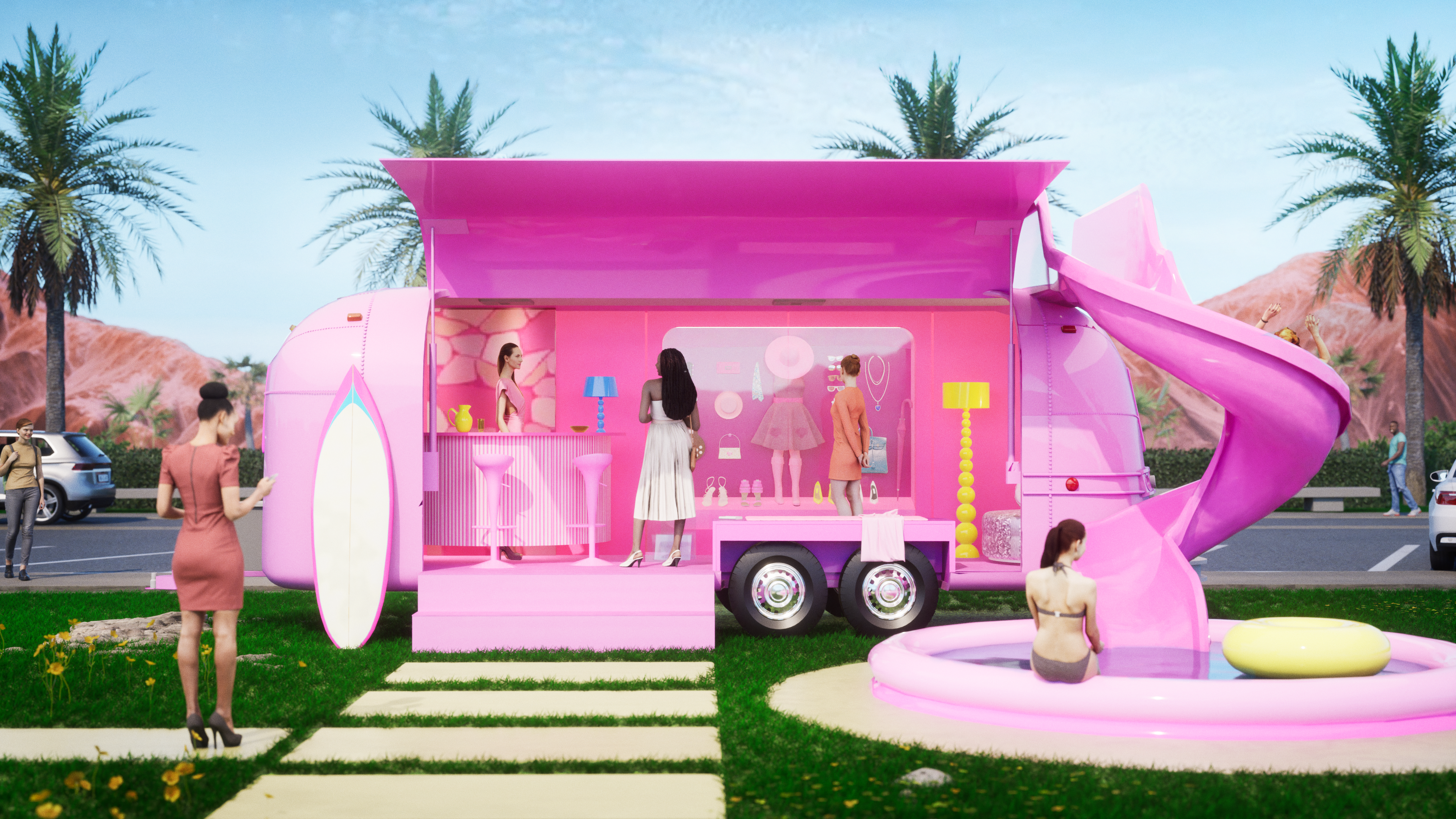
Rendering of a Barbie themed pink airstream with a water slide a pool and people enjoying the event.

There’s no doubt about it — Barbie is back. Everyone’s favorite childhood dream girl is hitting the big screen on July 21, and the hype has people of all ages seeing pink.  

The Barbie movie represents an iconic moment in pop culture because Barbie herself is iconic (so is the movie’s cast). But also, because the experiential marketing surrounding the release of such a renowned brand has created enough buzz to have people longing for the days when they could spend their afternoons pushing Barbie around in her dream car instead of “circling back” and “following up” on emails. 

Just like FTP, Barbie is known for her collection of show-stopping vehicles. Her history with hot wheels dates a little farther back than ours, as Mattel gave Barbie her first ride in 1962 when they introduced her Austin-Healey convertible. 

Since then, Barbie has been behind the wheel of a host of other larger-than-life cars, like:

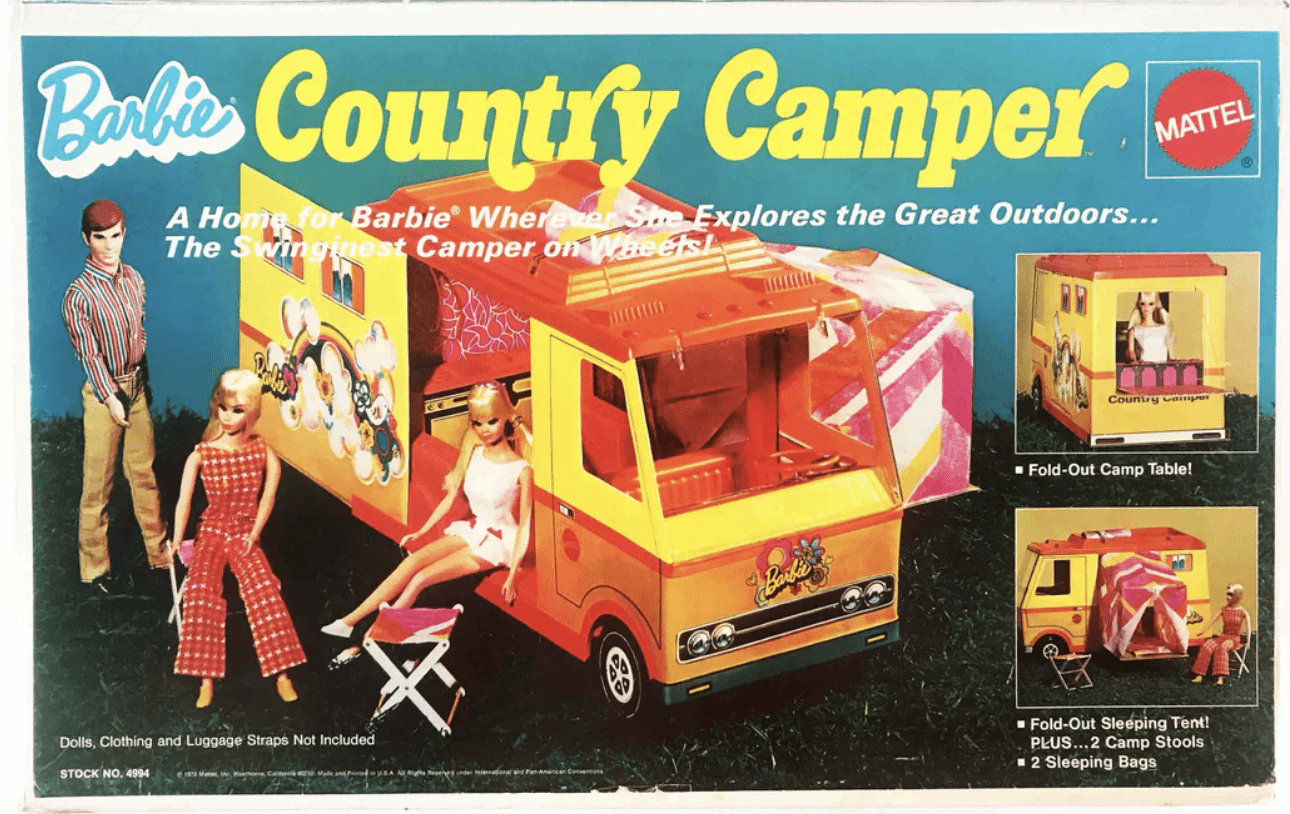
  • Barbie’s 1971 Country Camper: Barbie wasn’t just about girly dresses and bows — she enjoyed the great outdoors, too. The groovy, original camper captured the era’s emphasis on peace and love, and everyone loved seeing the adventurous side of the notoriously posh girly girl. If FTP were in charge of hitting the road in this vehicle, we’d have it serving up timeless classics like hot dogs and s’mores to reel in crowds across the country.
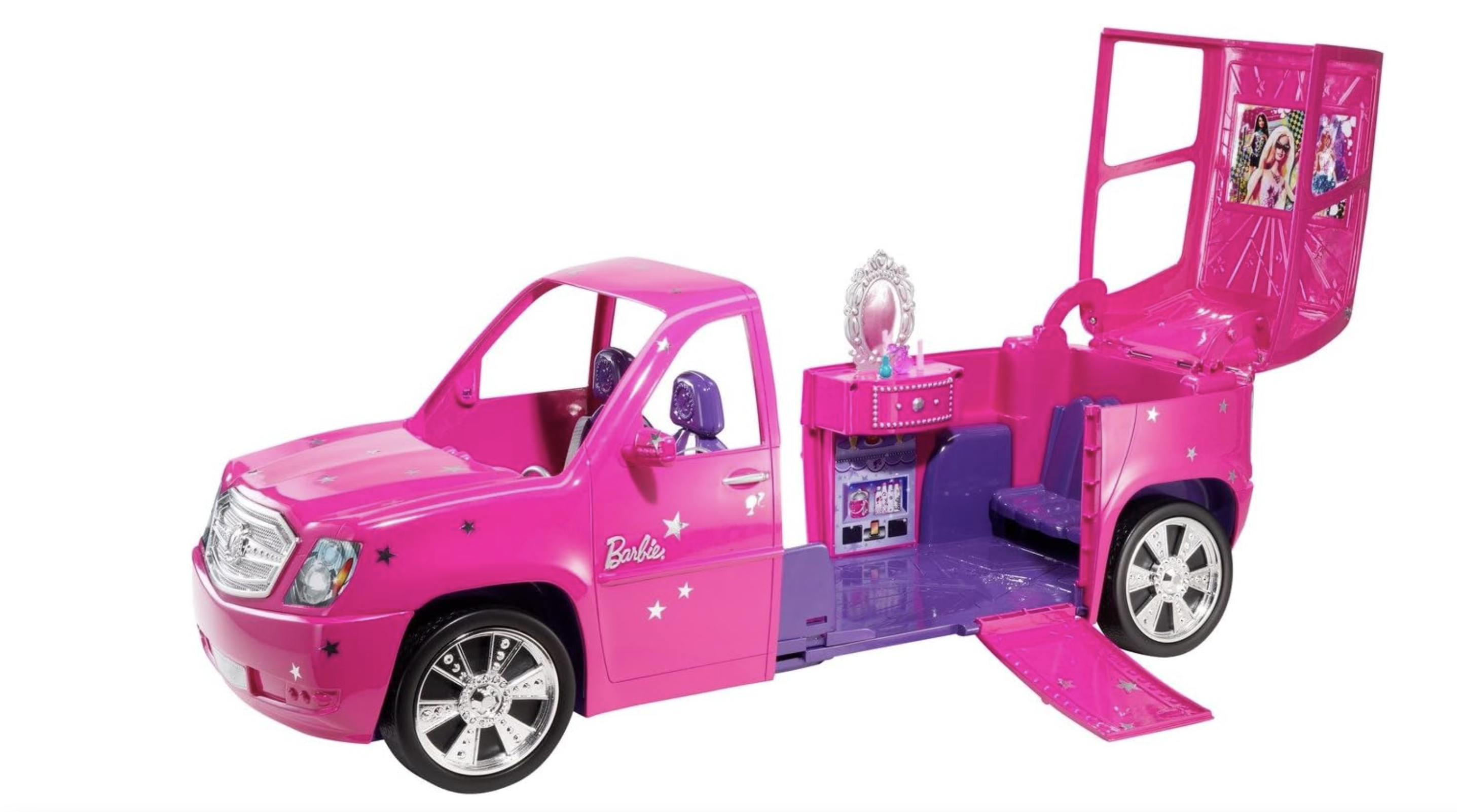
  • Barbie’s Limos: When she wasn’t embarking on a cross-country road trip, Barbie knew how to enjoy the finer things in life. She also knew that the finer things in life were better in hot pink! We agree that if you’re going to make a statement with a limousine, you might as well go big or go home.
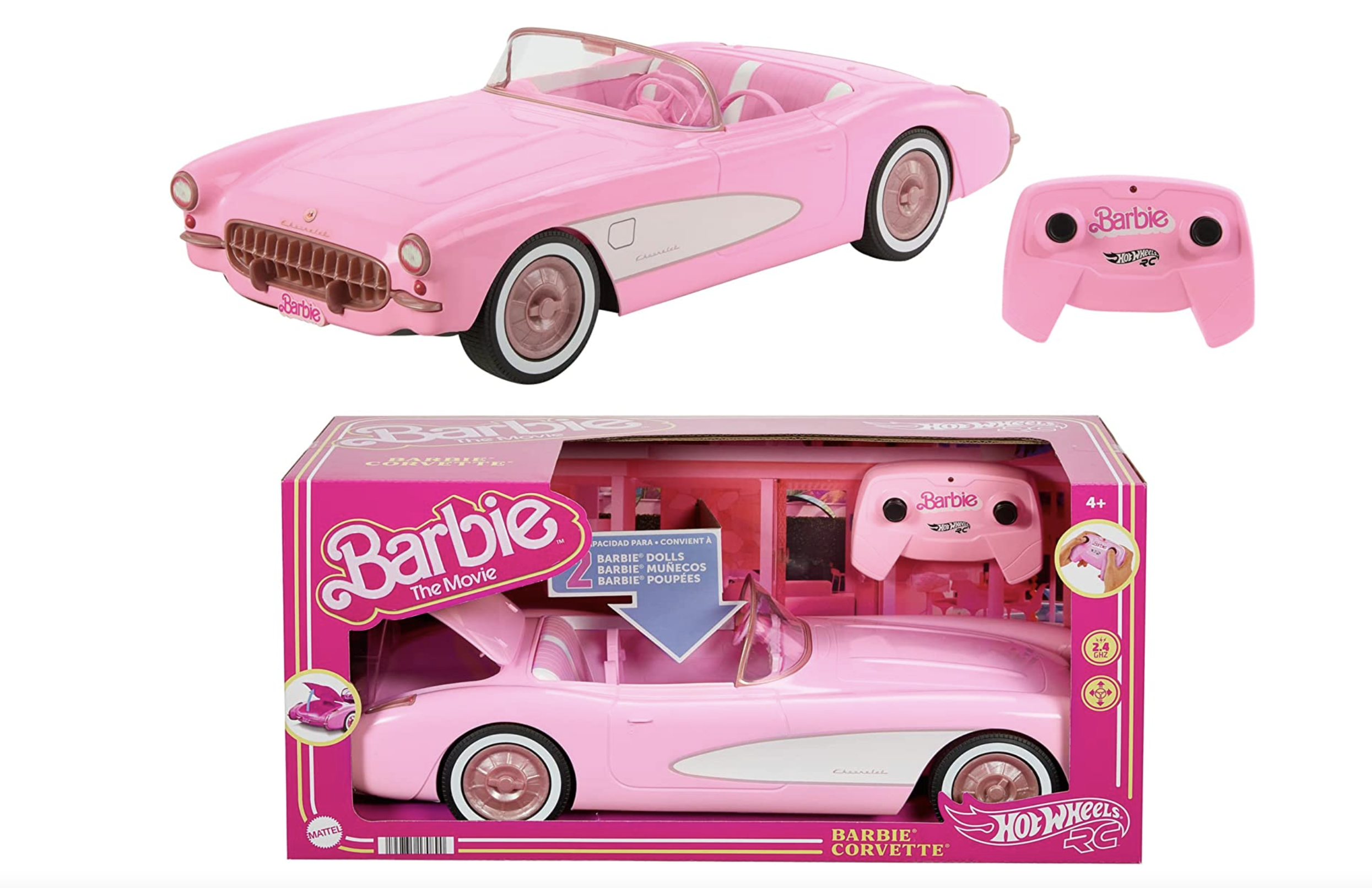
  • Barbie’s Corvette: Barbie’s Corvette was by far her most recognizable dream car. It’s the vehicle featured in the Barbie movie trailer and a model that was continuously upgraded year after year. We can’t think of anything more fitting for Barbie to hit the town with her friends in than this one.
Multiple angles of the Barbie Corvette toy including the packaging

It’s clear that Barbie and FTP have similar tastes in cars, and we’re no strangers to creating one-of-a-kind experiences on wheels that feel like they’re straight out of a fantasy. Nothing would make us happier than fabricating a vehicle to help Barbie paint the town pink. 

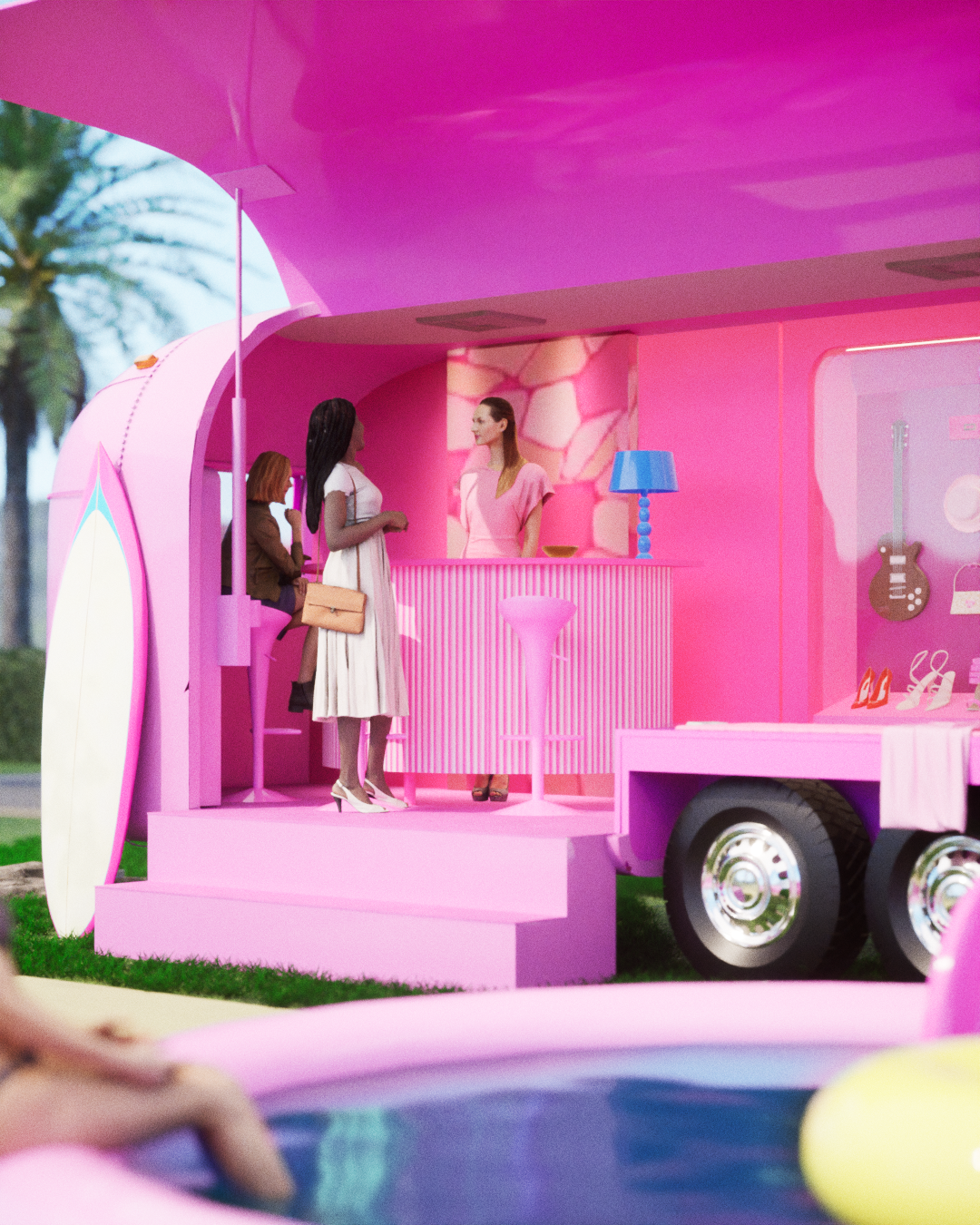
Since Barbie was a little too busy with her Hollywood debut to ask us to build her a car, we took it upon ourselves to dream up Barbie’s dream car on our own. We weren’t about to miss this monumental marketing moment (experiential marketing is our thing, after all), so we jumped on the Barbie trend to create an activation worthy of the “it girl” on everyone’s mind — whether she asked us to or not. 

A guest and brand ambassador conversing inside of the Barbie mobile pop-up truck
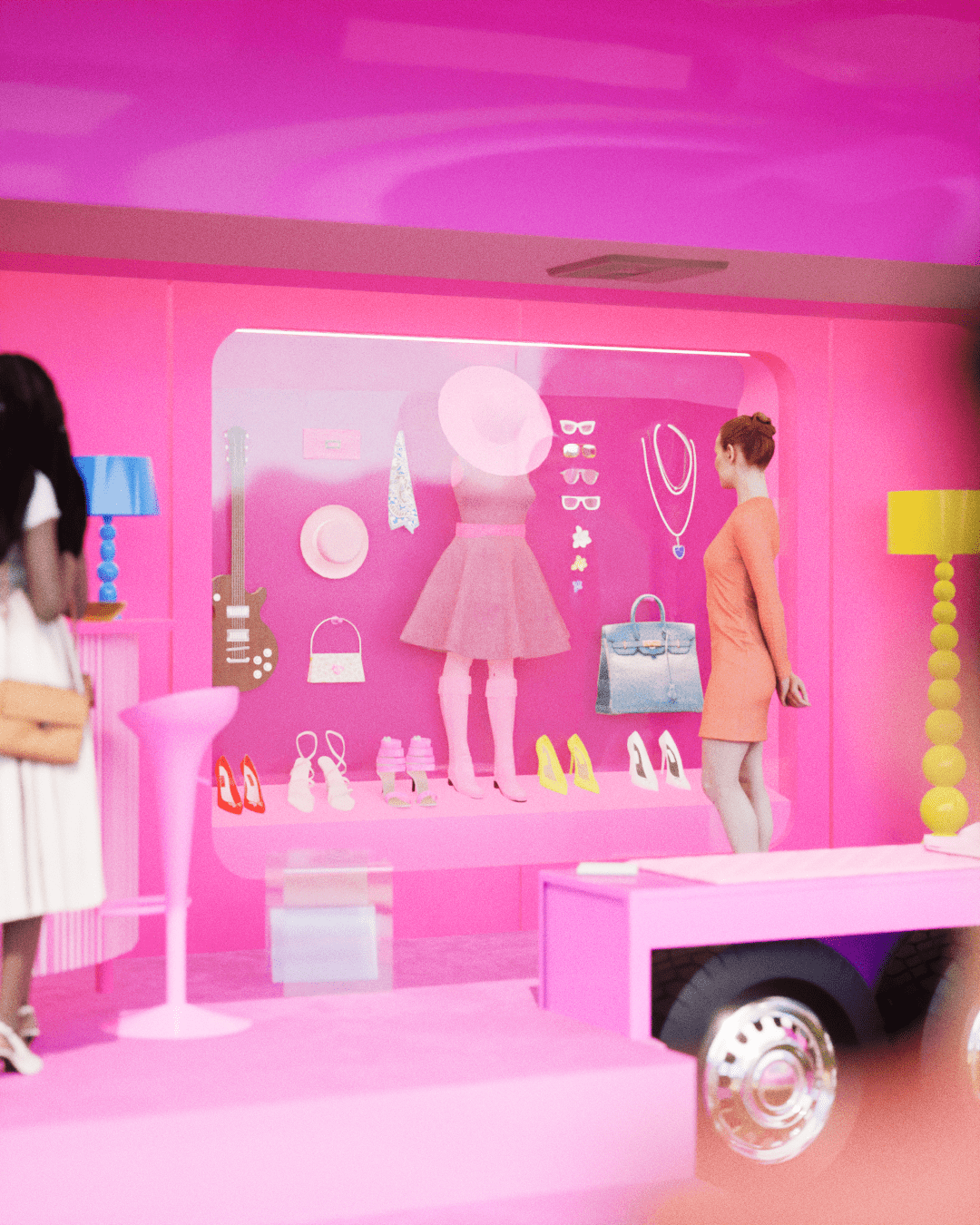
Barbie mobile pop-up display case showing a variety of Barbie attire and accessories.

Barbie is definitely going to need to unwind after all the hard work she put into her movie. If you ask us, adding FTP’s Barbie’s Dream Airstream to her collection would be the perfect way for her to enjoy some much-needed R & R while promoting her movie on the road. So, Barbie, if you’re reading this, let’s go market! 

Get in touch today to get started on your own project with Food Truck Promotions.

FOLLOW US ON INSTAGRAM
MORE POSTS

Why Brands Need An Experiential Marketing Budget

The race to attract eyeballs on Facebook, Twitter, Instagram, and TikTok has resulted in a digital space that is too crowded, creating a genuine cause for concern for companies using social media as their core marketing channel. 

With the over-saturation in the digital space, your company needs to make a shift: in 2023, in order to keep up with consumer trends, convert high ROIs, and leave a lasting, positive impact on consumer behavior, your company needs a sizable experiential marketing budget. 

Experiential marketing through brand activations like pop-up shops, mobile marketing tours, showrooms, and sampling events are shown to leave a lasting, positive impact on consumers. In this blog, we’ll dive into the details of why an experiential marketing budget is right for you.

Loungefly's Polka Dot Pop-Up

Where Digital Marketing Efforts Fail

Before outlining the benefits of in-person experiential marketing, it’s worth taking a look at the pitfalls of digital marketing efforts. Here are some quick stats that paint the picture: 

Now more than ever, your consumers are attuned to what an ad looks like and what it wants to sell them, and that drives them away.

The Positive Impact of Experiential Marketing on Consumers

On the flip side, experiential marketing has been a significant predictor of customer satisfaction and customer loyalty. While marketers have been led to believe that social media may be the best way to communicate with their target audience, face-to-face, experience-based marketing has proven to be more effective. Yes, that goes even for Gen Z.  

  • 40% of consumers said they felt more brand loyalty after participating in a brand experience or interaction.
  • 91% of consumers that were targeted via experiential marketing were more likely to purchase the product or service. 
  • Marketers who have incorporated experiential marketing report a 56% increase in leads. 
  • 47% of brands report an ROI of between 3:1 And 5:1 via brand activations. 

Successful Experiential Marketing By Small, Mid-Size, and Large Brands

The size of experiential marketing budgets vary across companies; however, brand activations can be done at any level, in any industry, and with any budget. Here are a few examples of different companies that were able to implement experiential marketing in different ways! 

#FollowMyScent to Costa Brazil

Costa Brazil is a new, up-and-coming beauty line. To announce the opening of their Soho store, the brand strategically placed a marketing vehicle on the corner that offered New Yorkers a free spray of their fragrance and complimentary coffee. More importantly, guests were offered a bounce-back card that led them to the in-store pop-up just a few yards away, using the #FollowMyScent tagline. 

The pop-up café, was a nice touch to a more dynamic pop-up happening in-store, getting consumers excited about a new scent in New York. 

The pop-up café, as well as the sidewalk graffiti, was a nice touch to a more dynamic pop-up happening in-store, ultimately getting consumers excited about a new scent in New York. 

Tea on Tia Campaign

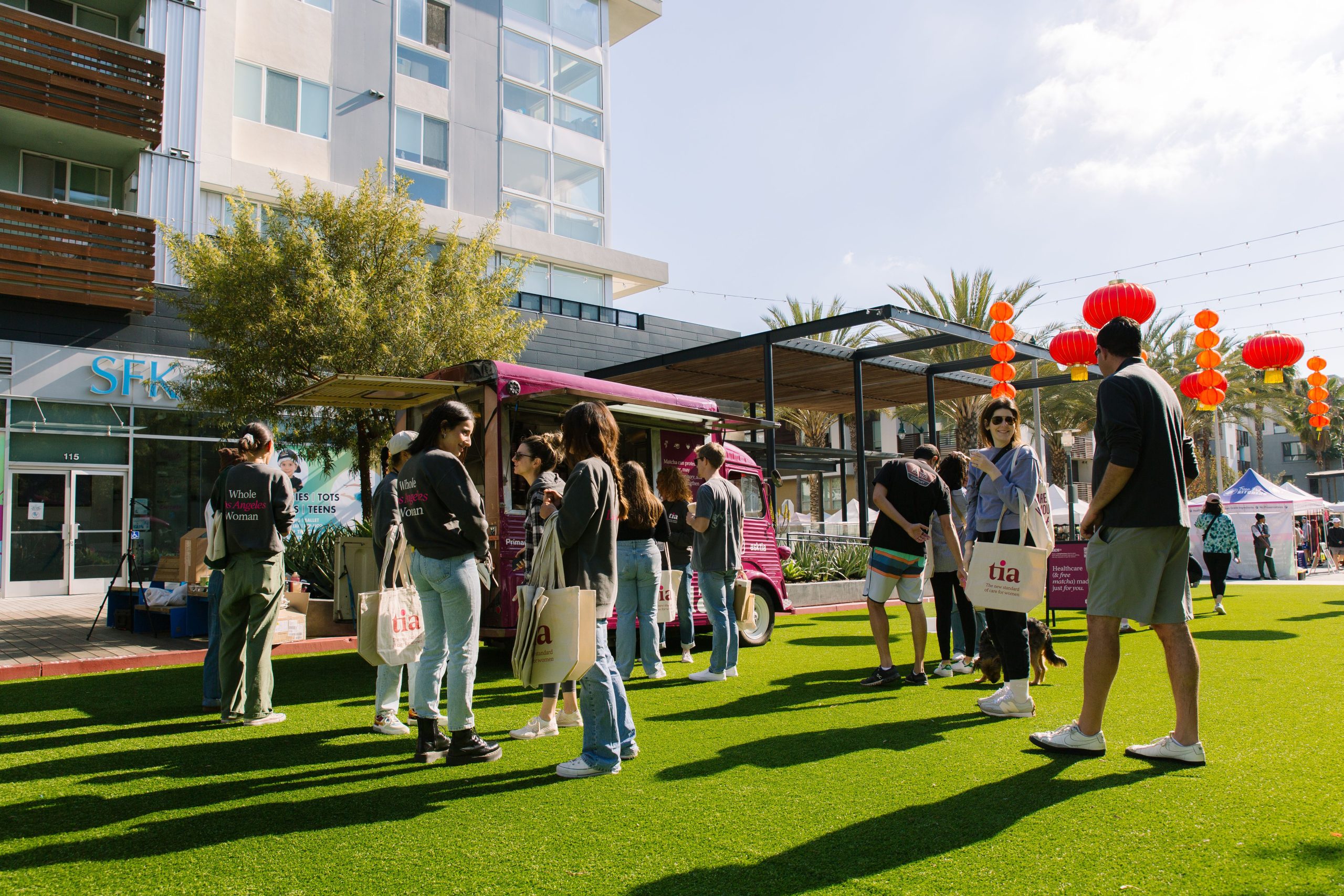
Tia celebrated the grand opening of their office in Santa Monica with their aptly named “Tea on Tia” campaign, a pop-up cafe that hit Santa Monica, Playa Vista, and Brentwood to treat women to complimentary matcha latté from Sachi.LA, learn more about Tia’s innovative care model, and take home a Tia tote bag.

This experiential marketing activation gave potential patients a new, more personal perspective on the health network with a face-to-face experience that inspired trust between the brand and consumers. 

Laneige Water Bank Hydration School

To promote two of their products, their Water Bank Hydration Collection and the Lip Sleeping Mask, Laneige transformed a double-decker bus into a dynamic beauty pop-up experience, treating guests to an educational product sampling, prizes, and photo-ops. Each of these elements seamed together to successfully spread brand awareness and drive up sales in NYC! 

Don't Wait to Get Started with Experiential Marketing

Regardless of your company size or industry, experiential marketing is a go-to strategy in 2023. While other companies double-down on digital marketing efforts, you can be the brand that stands and better appeals to consumers’ emotions with in-person brand activations. 

Feeling inspired? Reach out to our team today! We can help create memorable pop-ups, showrooms, guerrilla marketing campaigns, and more with an experiential marketing budget that is right for you.

MORE POSTS
FOLLOW US ON INSTAGRAM

How to Create a Successful Pop-Up Shop

Creating a pop-up shop is a great way to boost exposure for your business in a new or existing market without breaking the bank.

Pop-up shops give the public a taste of your products or services in a fun, engaging way. But how do you set up a successful pop-up shop? Especially in a world where people love to shop to shop online, how do you pull people out of their pandemic nests and into the real world?

Well, even though it’s true that the last few years have created a world that is less interactive and more digital, look on the bright side: now more than ever, people appreciate a face-to-face, interpersonal interaction with your brand. So, that’s why you should learn how to create a pop-up shop.   

The Importance of Real-Life Experiences

Because people as a whole better understand the value of interpersonal connection now, the whole scenario gave rise to the concept of pop-up shops where short-term, real-life experiencing low-budget shops are set up. These shops encourage people to take part in the latest trends of incoming brands. This helps them feel the real-life experience of these shops set up once every season.

How to Kickstart Your Pop-up Shop

It’s worth knowing that pop-up shops are also known as flash retail stores. So, to step into creating a pop-up shop, you need to begin with deciding which space to opt for.

Use Temporary Spaces for Long Term Impacts

The answer to how to create a pop-up shop is quite simple and convenient. Rather than approaching a real estate agent right away, look for vacant storefronts that would rent out the space for you at a much lower rate.

Remember that pop-up shops also allow emerging brands to showcase their work and what they’re bringing to the market. So sticking to the idea of setting up a low-budget shop should be kept in mind at all times.

It’s just fine if your pop-up shop looks exactly like a regular store. As long as the goal of the pop-up is fulfilled- showing off your brand- the actual method of finding space is less important.

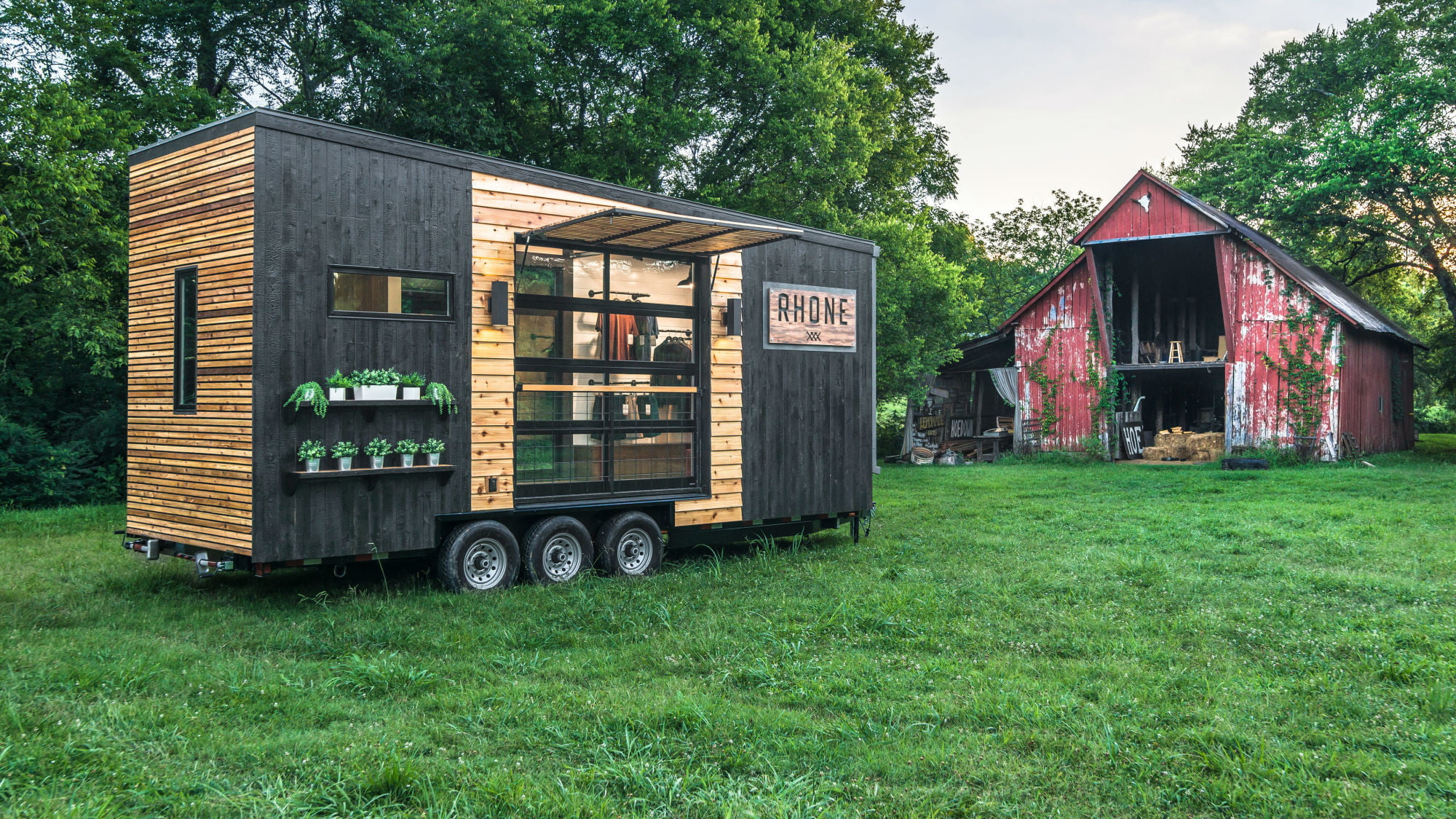
You can also use plazas or quads for your shop. Bringing a trailer to a field is one of the easiest and cheapest ways to set up a pop-up.

Before you finish your space, make sure to familiarize yourself with all licenses, permits, and insurances you might need in your city. Ensuring proper paperwork will save you from a lot of hassle in the future.

Branding and Awareness

The main idea of setting up a pop-up shop is to connect your customers to the brand. This is only possible if you market your pop-up shop and create hype. People spend crazy amounts of money on selling their brands. Any top-notch brand will go head over heels to increase its brand awareness.

As the saying goes, what is seen is sold – and what is loved, is sold a lot. When customers develop an emotional attachment to the brand, nothing can stop them from coming to you. 

Creating a strong sense of brand character in a temporary pop-up shop can be pretty challenging. Today, digital marketing platforms are as powerful as anything else to help your pop-up shop come to life. The pop-up shop is the body. You need to put the soul into it with your effective marketing strategies. 

The most successful retail shops use digital media to boost awareness. In an increasingly online world, those who adapt are most successful.

Opting for the Influencer Marketing Strategy

One of the most common ways of using digital media to boost a physical pop-up store is opting for the influencer marketing strategy. If you are setting up a mobile pop-up shop, you can look for potential influencer partners. Influencers with an engaging audience can help create awareness for your brand.

Social media platforms can help kickstart significant contributions to your brand awareness. Working with influencers could be a big plus in that aspect. They use platforms like Instagram, Twitter, and Facebook to build a network of loyal and engaged shoppers.

PR Packages

Besides working with influencers, you as an organizer can also send something called a PR package. PR packages could be shipped to companies or organizations that may be interested in sharing your story. PR packages tell your story and pitch the pop-up to potential partners. You can also create that necessary buzz and awareness your brand and product needs by pitching to the upcoming flash retail outlet to local news companies.

The Importance of Social Media in Today’s World

To bring in more customers on social media and make the process engaging, you can also give discount offers and giveaway free products on event day.

All these marketing strategies will also enable you to create user-generated content. This means people on social media will do your marketing for you. You never know, you might also grab the attention of a celebrity in town.

Drive New Sales Before the Pop-Up

A common misconception is that pop-up shops are only supposed to boost sales during the event, and that the ultimate goal is brand exposure. While that second part is true, there are actually many ways to create a pop-up shop to boost sales before and after the actual event.

By creating hype for the event itself, you’re already getting noticed by new customers. You can use this to cross-sell things like event-specific items. You can even push your e-commerce numbers while more people are searching your brand name.

Answering Your ‘How to Create a Successful Pop Up Shop in 2022' Question

While a pop-up shop can be a way to reinvigorate your physical retail strategy, the key in how to create a pop-up shop is to make it viral on digital media. Here is a recap of how to create a pop-up shop in 2022:

– Use influencers to push your brand and create awareness

– Partner with companies or news programs to get the word out

– Use the surge in brand interest to cross-sell and boost e-commerce

– Nail the pop-up shop by creating a fun, engaging, and sharable experience for attendees

– Use information collected at the pop-up to continue marketing to all your new fans

Ready to Get Started on Your Brand’s Pop-Up Shop?

Browse through our services and learn more about what we do. If you have questions, don’t hesitate to contact us!

MORE POSTS
FOLLOW US ON INSTAGRAM

How to Produce Brand Activations at Festivals

Music festivals garner so much attention that the biggest ones can even attract thousands upon thousands of people in attendance. But all of these festival-goers aren’t just purchasing tickets for the opportunity to see their favorite artists perform live; they are buying the full, immersive festival experience that comes with it.

With this in mind, music festivals can be a great place to showcase your brand. In particular, the fact that festivals are “closed off,” yet large in scope, gives your brand a sense of exclusivity while still maintaining high visibility. Of course, though, your brand won’t be the only one using festivals as a platform to build awareness, so in this guide, we will discuss how you can produce brand activations at music festivals effectively, elevating your brand above the rest.

What are Brand Activations?

Brand activations are campaigns, events, or interactions that amplify brand awareness and build lasting relationships with your target audience. What sets brand activations apart is that they are mostly interactive, enabling audiences to connect directly with your product or service.

Why Use a Brand Activation?

Especially when you are launching a new company or product, it’s important to take the right steps to ensure that your brand or product launch is well-known to your target audience.

Generating interest in your target audience isn’t always easy. In order to build buzz around your brand, you should consider a brand activation. Brand activations should be part of your event marketing campaign.

Brand activations are in-person, one-off events or experiences to make a lasting impression with your audience so that they will feel emotionally connected to your brand.

Types of Brand Activations

Brand activations take a lot of prep work and execution to be effective. There are three main types of brand activations that you can use:

Product Sampling Activation

Offering samples and free trials to your audience is a great way to have people fall in love with your brand and, consequently, purchase your products. It’s easy to think about pushy salespeople when you think about offering free samples to your customers, but to properly execute this, be mindful of who your audience is and figure out the best way to pique their interest.

Free trials can also be digital. If you are offering software or a program, you can send an email blast offering a trial period to your target audience. 

Experiential Marketing

Experiential marketing is a real-life, immersive experience that you offer to your customers. Events under this umbrella not only market your products, but they sell your company and brand as a whole. 

Experiential marketing is very common in music festivals, especially at Coachella. For example, if you are selling software that edits photos, you can set up a pop-up photo booth and enable people to edit photos right then and there. This will let your customers figure out the usability of your product and see the results right away.

For video games, having virtual reality as part of customers trying the games is also considered an immersive experience.

Brand Activation In-Store

Think of an in-store brand activation as an event in your store where you launch your product. This type of event is where you invite people to try your product, and maybe you even serve food and provide some kind of extra entertainment on the side.

How to Effectively Achieve Mobile Brand Activations at Music Festivals

Music festivals help create an immersive experience, which is why a lot of people gravitate towards these events. Coachella and Burning Man are prime examples of festivals that are not just events, but a lifestyle. If you include music festivals in your brand campaign, there are specific things that you have to think about. Here are some of the most important considerations when doing brand activations at music festivals:

Research The Festival

A lot of the music festivals have a rich history, like Coachella. You should know this history and tie it to your brand activation strategy so that people will have emotional ties to your product.

Know The Festival's Demographic

Music festival-goers are not only young influencers and Millennials. Festivals attract people from all over the world which makes your stage for branding so much bigger. To effectively market to the festival’s demographic, you should be familiar with what they like and don’t like.

Think About Logistics

With music festivals, a mobile brand activation is the way to go in terms of pop-ups or mobile advertising. The music festival venues are huge and you don’t want your brand activation strategy to get lost. 

Have Out-of-the-box Ideas

Creative and out-of-the-box ideas can come off as surprising but in a good way! If you can come up with a unique idea, people will tend to remember this and increase your brand awareness.

Examples of Effective Brand Activations Seen at Music Festivals

Since music festivals already offer an immersive experience to concert-goers, this is a prime spot for mobile brand activations, with a bigger audience guaranteed to see your products and brand.

Here are some examples of effective brand activations seen at Coachella in the past:

Heineken Dome at Coachella

This brand activation included ice-cold beer with storage for festival-goers. Once guests were ready to drink the beer, all they needed to do was scan their fingerprint and open the beer storage. With a total of 80,000 people going to the festival every day, there were a lot of people who got the opportunity to experience Heineken at its finest. 

Harper's Bazaar'S ShopBazaar

This pop-up was at a hotel-takeover near Coachella where guests could purchase their outfits or accessories before heading to the festival for the day. 

Lacoste Live Desert pool

The Lacoste live desert pool party was held at a private estate near the festival grounds and it was essentially a pool party where festival-goers could cool off and shoot paint-colored tennis balls. 

H&M Coachella Party

Since music festivals already offer an immersive experience to concert-goers, this is a prime spot for mobile brandAs one of the main sponsors of Coachella, H&M expanded its party to the nearby 40-acre Merv Griffin estate. This party attracted 300 guests and had live musical performances and DJs. 

Food Truck Promotions Can Help!

One of the best ways to produce an effective music festival brand activation is implementing a call to action for people to follow.

Whether this entails purchasing your product or simply getting more information about what you are offering, as long as it piques the public’s interest in your company, you will see huge success.

Brand activations in music festivals are typically out-of-the-box ideas because each company advertising there will need to stand out among the rest to have increased brand recognition.

If you are looking into implementing an event marketing strategy revolving around brand activations at music festivals, contact our company today! We will help you come up with creative ways that will set your brand apart from others and help you reach your goals.

MORE POSTS
FOLLOW US ON INSTAGRAM