Tailored Pop-Ups
for Every Occasion
Our mobile pop-up services are designed to match your brand and audience.
Customization is at the heart of everything we do
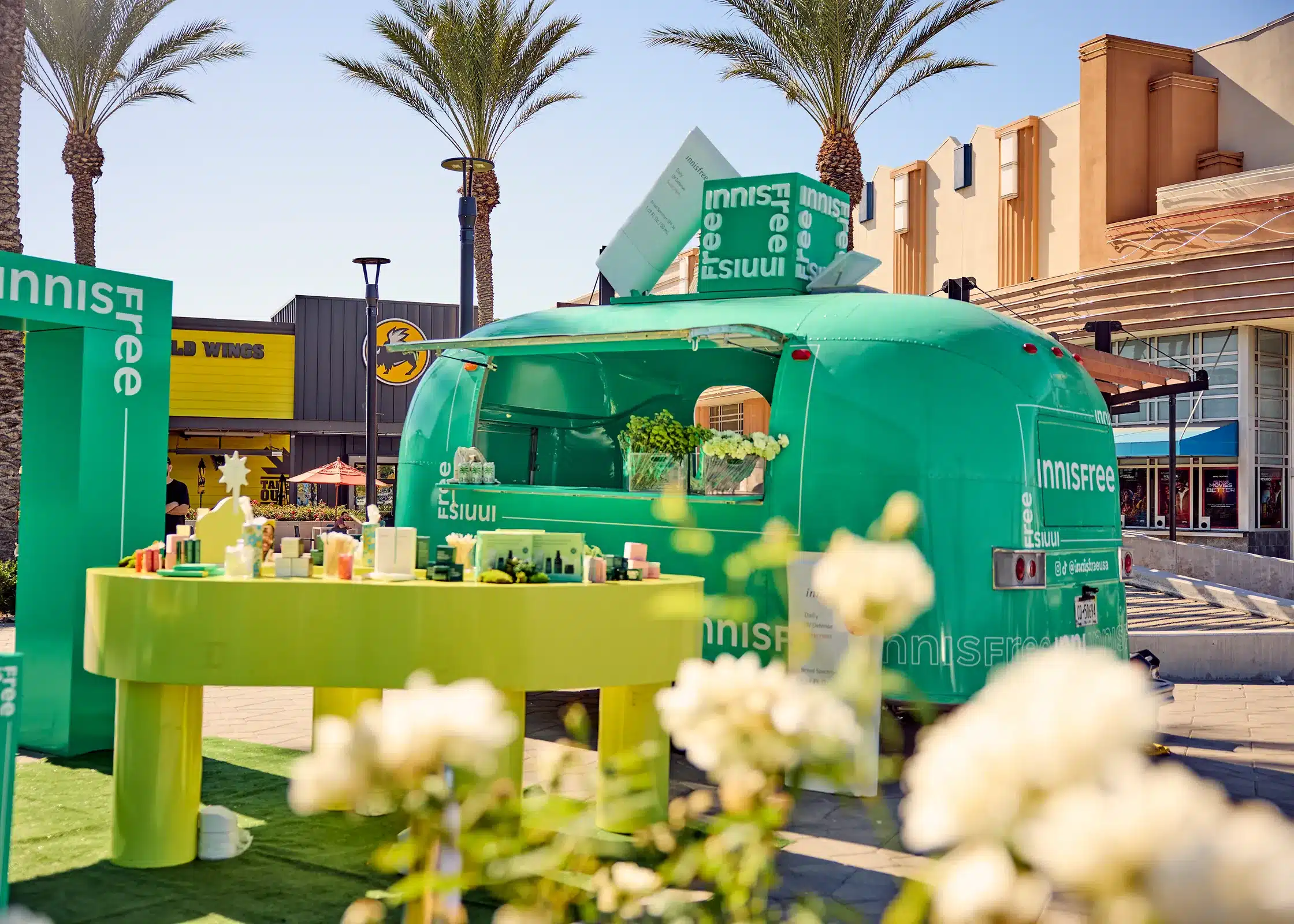
It is no secret that the world of product promotion and brand building is changing fast. From interactive digital billboards to mobile product-launch pop-ups, the creativity in marketing is off the charts compared to anything we have seen before. But where do you start, and how do you find the right partner to help? If you are weighing experiential marketing agencies, this guide covers what they do, the five questions to ask before you hire one, and the green flags and red flags that tell you whether an agency is the right fit for your brand.
An experiential marketing agency designs and runs live, in-person brand experiences, like pop-ups, product sampling, and brand activations, that let customers interact with a brand in a tangible, memorable way. Unlike a traditional ad agency focused on passive media, an experiential agency handles the creative, fabrication, logistics, staffing, and execution that bring a campaign to life in the real world.
Whether you choose to work with an experiential marketing agency or go it on your own will depend on a number of factors, such as your budget, your own level of creativity, and the overall concept you’re looking for.
Let’s explore some of the top questions you want to ask a marketing agency before you hire them for your foray into the exciting and expressive world of experiential marketing.
Our mobile pop-up services are designed to match your brand and audience.
Customization is at the heart of everything we do
As customers grow more skeptical of traditional advertising, they are leaning into the experiential marketing that their favorite brands, businesses, and influencers now use to promote ideas and products. If you are curious about experiential marketing for your brand, you are on the right path toward growing your audience and creating experiences customers will not forget. But you need to know what you are looking for, and which type of experiential marketing will work best for your brand. Whether you hire an agency or go it alone depends on your budget, your own creativity, and the concept you have in mind. The right questions make that decision clear. Here are the five that matter most.
Our mobile pop-up services are designed to match your brand and audience. Customization is at the heart of everything we do. Start your campaign today.
Experiential marketing is a strategy that creates immersive, memorable experiences for customers, letting them interact with a brand in a tangible, impactful way. Make sure you are working with people who know this concept well and understand how it differs from the traditional marketing of the past.
Look for marketing experts with a real track record of executing successful experiential campaigns. An agency with experience in your specific industry will be better equipped to create effective work for your brand, because they understand the nuances of your market and can point to results they have delivered.
Green flag: They define experiential marketing clearly and share specific campaigns and outcomes.
Red flag: They speak only in generalities or cannot point to relevant work.
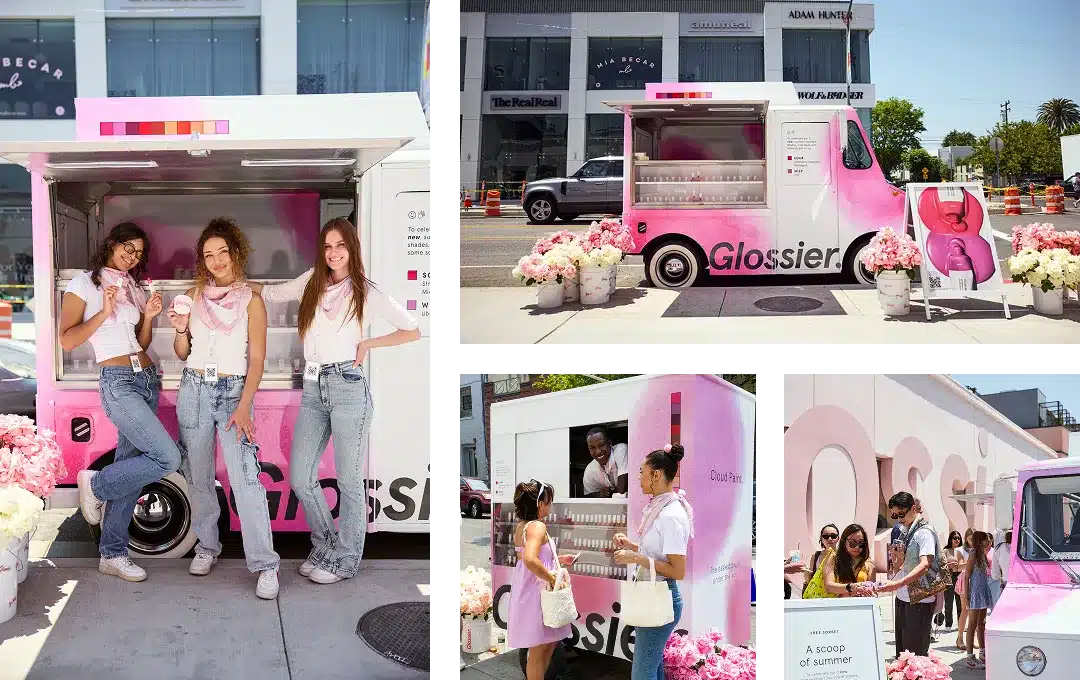
Understanding the types of companies an agency works with tells you a lot about whether they will fit your brand. Not every expert needs to know your product inside and out, but it helps if they can begin to form a vision based on what they already know about your brand and audience.
This also helps you gauge whether they can address your specific challenges. A good sign is an agency that asks you pointed questions about your past marketing and your goals, which shows they are genuinely trying to understand what you do and what you want to accomplish.
Green flag: They work with brands like yours and ask sharp questions about your goals.
Red flag: They treat every brand the same regardless of industry or audience.
Create unforgettable mobile pop-ups that captivate audiences and drive engagement. Let’s turn your vision into reality
As you grow your brand and define your own values and mission, you want to work with people who prioritize the same things. Experiential agencies should foster environments built on creativity, collaboration, imagination, and strong teamwork. A positive, progressive culture leads to more original, effective campaigns and a better relationship throughout the process.
When you discuss culture, ask about the agency’s core values, how the team collaborates and communicates internally and with clients, and how much they prioritize relationship-building. Knowing the culture helps you decide whether they are the right fit and sets up a successful partnership. It can help to read how an agency got started to understand what drives them.
Green flag: Clear values, transparent communication, and a collaborative team.
Red flag: Vague answers about values or how they work with clients.
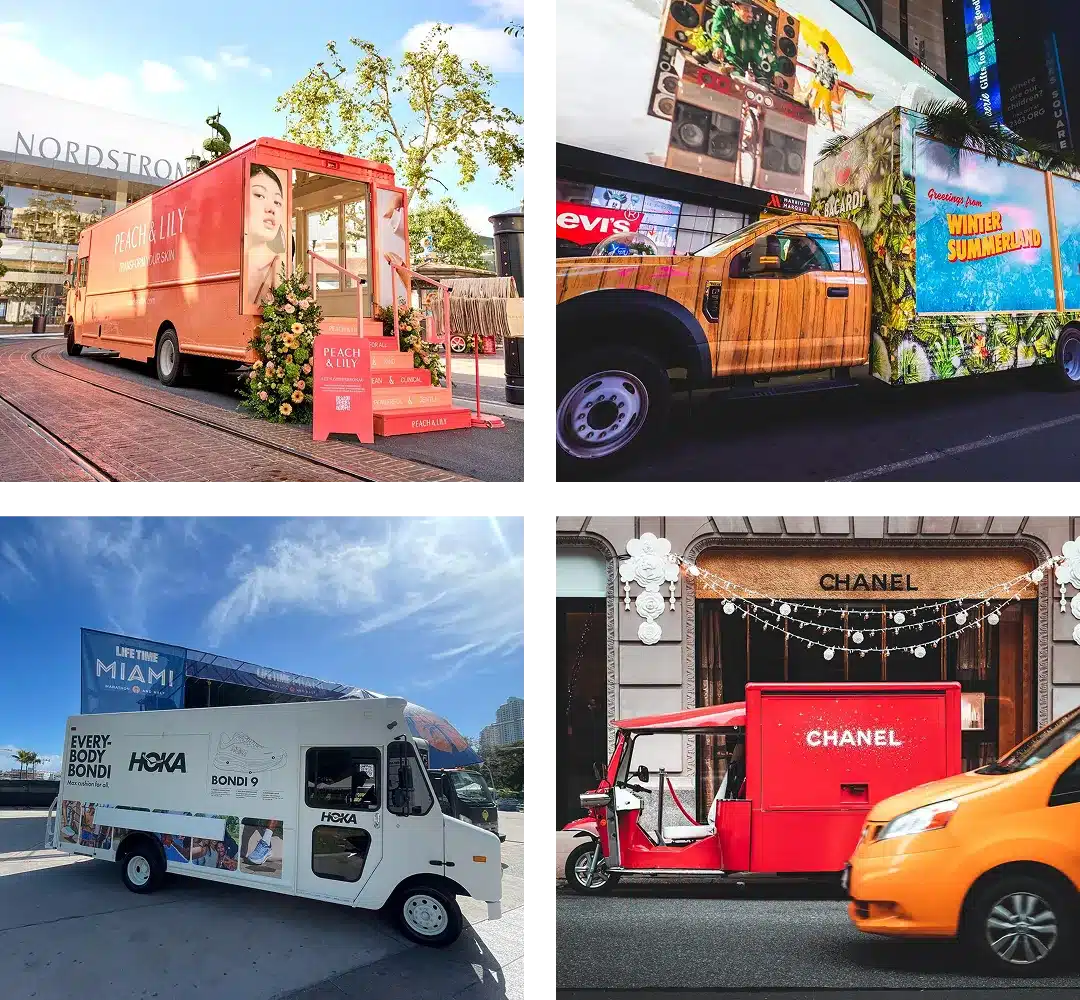
As experiential marketing keeps evolving, it is hard to believe any single agency can be an expert in every area. Find out whether the agency tries to do a bit of everything, or whether they have built a name around specific strengths.
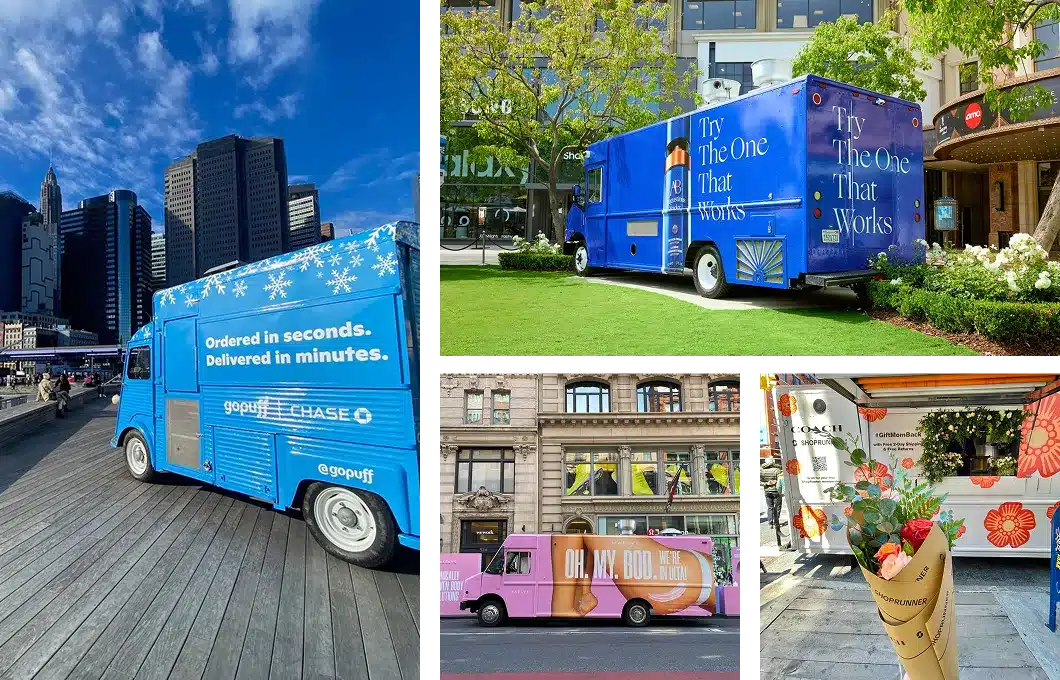
For example, some agencies excel at using experiential marketing vehicles like mobile showrooms, branded food trucks, and event trailers to bring campaigns to life. Variety is good, but specialization often leads to deeper expertise and more impactful results. Ask each agency which experiences they find most effective, especially for brands in your industry. Brand experiences are meant to feel intimate and create unforgettable moments, so an agency focused on quantity over quality may not be the right fit.
Green flag: A clear specialty and a point of view on what works for your industry.
Red flag: A “we do everything” pitch with no real focus.
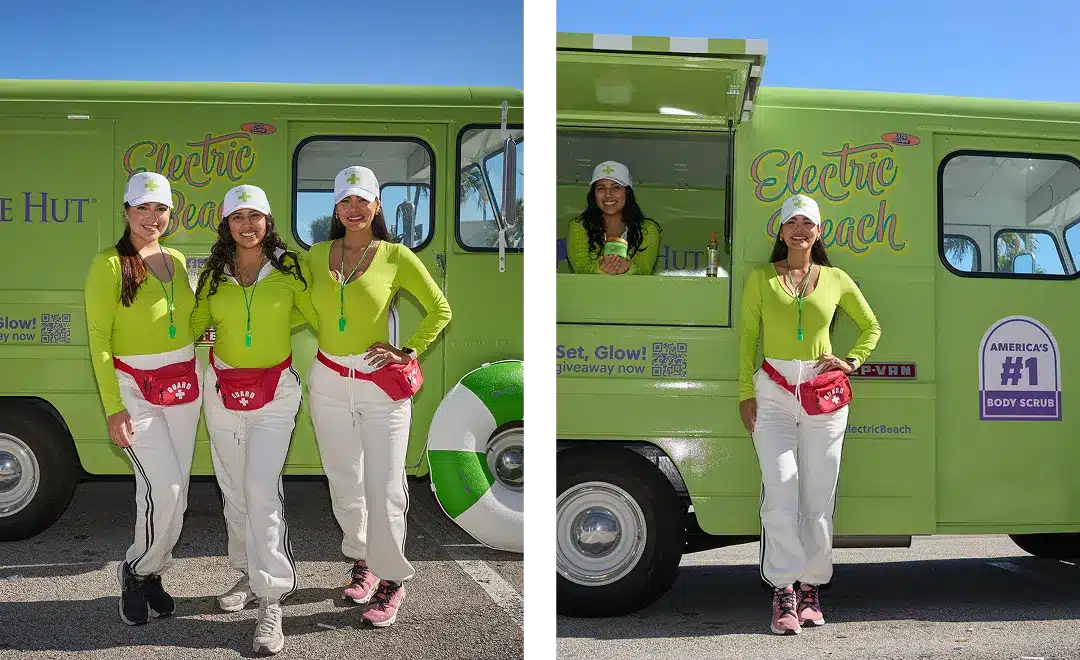
Client references and work samples are among the most valuable ways to evaluate an agency’s capability and track record. Any agency you consider should have a well-designed website with plenty of examples of their work, along with past client reviews.
Ask whether current or past clients would be willing to chat and share their experience. A strong agency will have a loyal following, because no matter how sophisticated marketing becomes, word of mouth is still one of the most valuable signals a business can earn.
Green flag: A portfolio of relevant work and references happy to vouch for them.
Red flag: No case studies, no reviews, and no references on offer.
Transform your brand into an experience your audience won’t forget. From food trucks to immersive pop-ups, we’ve got you covered.
Beyond the five questions, a full-service experiential marketing agency should be able to handle the entire activation from concept to execution, so you do not have to coordinate a dozen vendors. The capabilities worth confirming include:
An agency that owns these pieces in-house gives you a smoother process and a single point of accountability.
In experiential marketing, being different, standing out, and offering unforgettable experiences are key to a brand’s success and an audience’s satisfaction. That is why Food Truck Promotions helps businesses create the kind of experience that sets their name above the rest.
By leveraging the mobility and versatility of our branded food trucks, your brand can create unforgettable experiences that leave a lasting impression on customers and clients. Whether it is a pop-up event, a brand activation, or a festival appearance, our vehicles offer a unique platform for immersive production that engages and delights, bringing your brand directly to your audience and building real loyalty. When you are ready to learn more about experiential marketing, reach out to us. We cannot wait to show you what our trucks and your brand can do together.
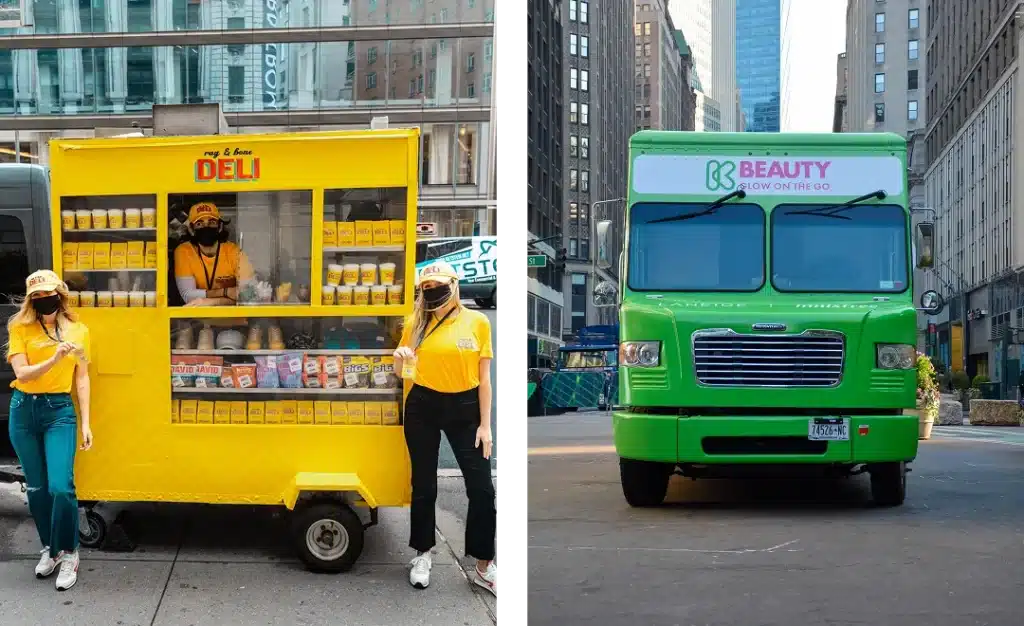
An experiential marketing agency designs and runs live, in-person brand experiences like pop-ups, sampling, and brand activations that let customers interact with a brand directly. It handles the creative, fabrication, logistics, staffing, and execution that bring a campaign to life.
A full-service agency manages the entire activation: concept and design, custom fabrication, experiential vehicles, location sourcing and permits, staffing, and reporting. The goal is to create a memorable, hands-on experience that connects a brand with its audience.
Ask about how they define experiential marketing and their experience, the brands they work with, their culture, their specialties, and their client work and references. Strong, specific answers and relevant case studies signal the right fit.
The five core questions are: how they define experiential marketing and their experience in it, the types of companies they work with, their agency culture, the types of experiential marketing they specialize in, and whether they can share client work and references.
Cost depends on the scope: the type of activation, the number of markets, the vehicles, fabrication, staffing, and campaign length. A single-location pop-up costs far less than a national tour. The best approach is to scope the campaign to your goal and budget.
A traditional ad agency focuses on paid media like print, digital, and broadcast. An experiential marketing agency creates live, in-person experiences that customers can touch, taste, and engage with, building deeper emotional connections and stronger recall.
Beauty, fashion, food and beverage, tech, and lifestyle brands use them heavily, but almost any brand can benefit. The key is an agency with relevant experience in your industry and audience.
It depends on your needs. A specialist can offer deeper expertise in a specific format, while a full-service agency manages the entire activation end to end. Many brands prefer a full-service partner for a single point of accountability.
Track foot traffic and interactions, lead capture through QR scans and sign-ups, conversions from promo codes or sales, social reach through hashtags and shares, and earned media. A good agency builds measurement in from the start.
Watch for no case studies or references, a “we do everything” pitch with no specialty, little curiosity about your brand and goals, vague pricing, and quantity-over-quality language that treats your campaign like a template.

CEO @ FTP Agency
Benjamin H. Goldberg is passionate about bringing brands to life on the streets. As CEO of Food Truck Promotions and co-founder of the New York and Los Angeles Food Truck Associations, he helps create unforgettable mobile experiences that blend great food, creative branding, and meaningful connections with audiences everywhere.
We use and share personal information through cookies and similar technologies on our sites to personalize your shopping experience and ads. Others may use this information for their own marketing and business purposes. . Check our Privacy Policy for more details.
Browser Opt-Out Honored
We use and share your personal information with others to personalize your shopping experience and show you targeted ads on other sites based on your interests and online activities.
Online Info includes cookies, pixel tags, and similar technologies connected to your browser or device. Offline Info includes information associated with your email address based on your other interactions with us.
We use and share your personal information with others to personalize your shopping experience and show you targeted ads on other sites based on your interests and online activities. Information includes cookies, pixel tags, and similar technologies connected to your browser or device (Online Info), as well as information associated with your email address based on your other interactions with us (Offline Info). Others may use this information for their own marketing and business purposes.
You can choose to opt out of sharing one or both types of information.