The 5 Biggest Benefits of Experiential Marketing (and Why They Work)

By: Benjamin Goldberg 9 min read

experiential marketing

The benefits of experiential marketing come down to one thing: it turns a passive audience into active participants, and that changes everything about how people remember a brand. Traditional advertising, however polished, struggles to create the personal connection and lasting impression today’s savvy, authenticity-hungry consumer is looking for. Experiential marketing steps in exactly there, trading billboards and banners for real, hands-on moments people take part in rather than scroll past.

This guide breaks down the five biggest benefits of experiential marketing, why each one works, and a real activation that proves the payoff, so you can see exactly what this approach delivers before you invest in it.

Key Takeaways

  • It builds real emotional connection: Hands-on, sensory experiences create emotional bonds that a billboard or banner ad simply cannot.
  • It amplifies brand awareness: Interactive, photo-worthy moments get shared, turning a physical event into reach across social platforms.
  • It drives active engagement: People interact with the brand instead of glancing past it, which holds attention and sparks genuine interest.
  • It sets a brand apart: A distinctive, memorable experience differentiates a brand from competitors long after the event ends.
  • It generates organic word-of-mouth: People love to share exceptional experiences, producing authentic, trusted promotion no ad budget can buy.

What Is Experiential Marketing?

Experiential marketing is an experience-based approach to marketing in which a brand connects with people through immersive, in-person moments, like pop-ups, sampling, mobile activations, and product demonstrations, rather than through one-way ads. Instead of telling people about a product, it lets them taste, touch, try, and photograph it, which is why the payoff is so different from a banner or a billboard.

That difference shows up in the numbers. Live experiences consistently move people closer to a purchase: EventTrack research finds most consumers are more inclined to purchase after attending an event, and the majority walk away with more positive feelings about the brand. Here are the five biggest benefits that follow from creating those moments.

The 5 Biggest Benefits of Experiential Marketing

Here are the top benefits of experiential marketing and why they are the most impactful campaigns for your brand.

1. Stronger Emotional Connection

Experiential marketing is built to create memorable moments that resonate deeply, and emotion is what makes a brand stick. Unlike passive advertising such as billboards or online banners, experiential campaigns involve tangible interactions that evoke real feeling: the joy of tasting a free sample from a branded truck, or the delight of a personalized moment at a pop-up. Those feelings forge a bond between the consumer and the brand, and emotion is one of the strongest drivers of memory and loyalty, which is why an in-person experience tends to outlast any impression an ad can make.

2. Amplified Brand Awareness

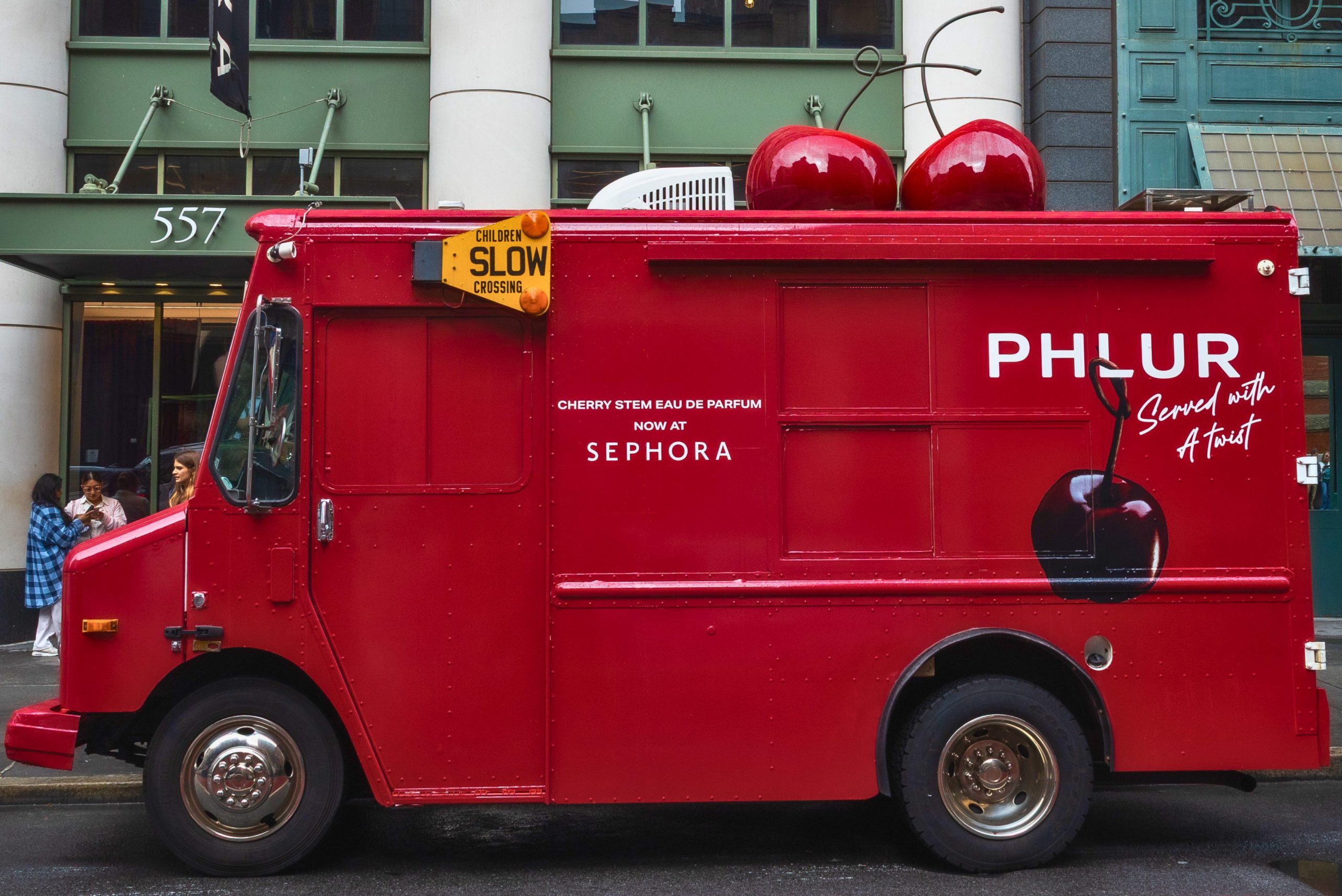
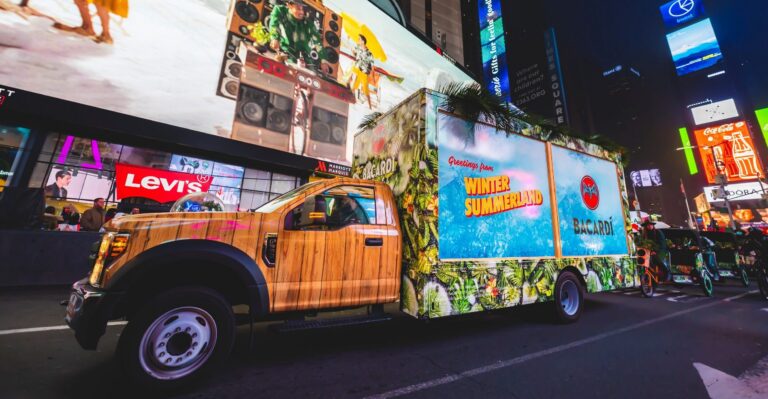
In the age of social media, experiential marketing amplifies awareness far beyond the physical limits of an event. Interactive campaigns are built around visually captivating, photo-worthy moments that attendees are eager to share, so every person who engages becomes a distribution channel to their own followers. A striking branded truck or a creatively wrapped tuk tuk naturally invites photos, videos, and hashtags, turning a single physical activation into exposure across multiple platforms. The reach compounds: the crowd on the ground is only the beginning.

3. Higher Consumer Engagement

Experiential marketing shifts the focus from passive consumption to active engagement. Instead of seeing an ad or scrolling past a post, consumers get to interact with the brand in meaningful ways, from a product demonstration to an interactive game to a personalized moment they help create. Inviting people to actively participate holds their attention far longer than a glance and sparks genuine interest, which is exactly why beauty, food and beverage, and consumer electronics brands lean on it: touch, taste, and trial drive the decision in those categories.

4. Stronger Brand Differentiation

Competition is fierce and standing out is harder than ever, and experiential marketing lets a brand break the cookie-cutter mold and show its personality in a way an ad cannot. A distinctive activation, a themed build, an unexpected placement, a moment nobody else is offering, gives a campaign an edge that grabs attention and sets the brand apart from competitors. It also signals something: a brand willing to go the extra mile to create an unforgettable experience reads as more confident and more premium, and that identity sticks with people long after the event.

5. Organic Word-of-Mouth Promotion

One of the most powerful tools for building a loyal customer base is word-of-mouth, and experiential marketing generates it organically. People love to share exceptional experiences, whether by telling friends or posting online, so a well-executed activation creates buzz consumers are naturally inclined to spread. That earns free exposure, but more importantly it builds trust: a recommendation from a peer feels far more authentic than an ad, which helps a brand establish credibility and convert new customers who arrive already predisposed to like it.

Case Study: Coach Cherry Parfum

coach cherry

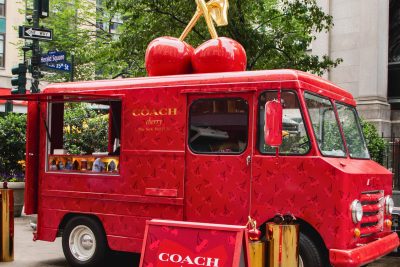
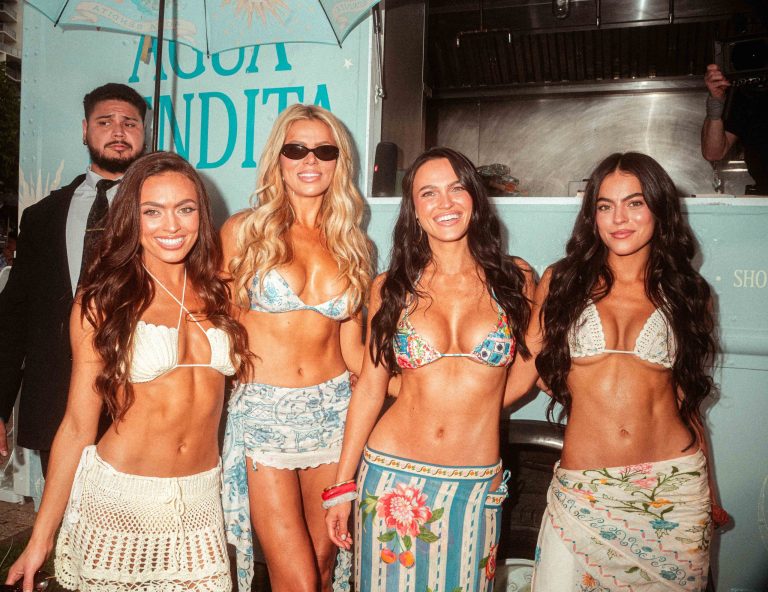
Coach’s Cherry Parfum activation shows all five benefits working together, with the numbers to prove it. To launch the new fragrance, FTP Agency partnered with Interparfums to create an immersive pop-up in one of New York City’s busiest shopping districts, built around a cherry-topped branded truck. Rather than relying on sampling alone, the activation layered in interactive touchpoints that rewarded participation: fragrance discovery, custom charm moments, branded beverages, and shareable photo opportunities.

That design turned casual foot traffic into active participation. The personalization created emotional connection, the interactive touchpoints drove engagement, and the social-first, photo-ready build fueled sharing, the exact benefits above, engineered into one experience.

The results span the full funnel. FTP reports the activation drove 11.2K+ in foot traffic, 3.1M+ social impressions, 620M+ online impressions, and $498K in earned media value. That is emotional connection, engagement, awareness, differentiation, and word-of-mouth adding up to a measurable return, not just a memorable afternoon.

How to Put These Benefits to Work

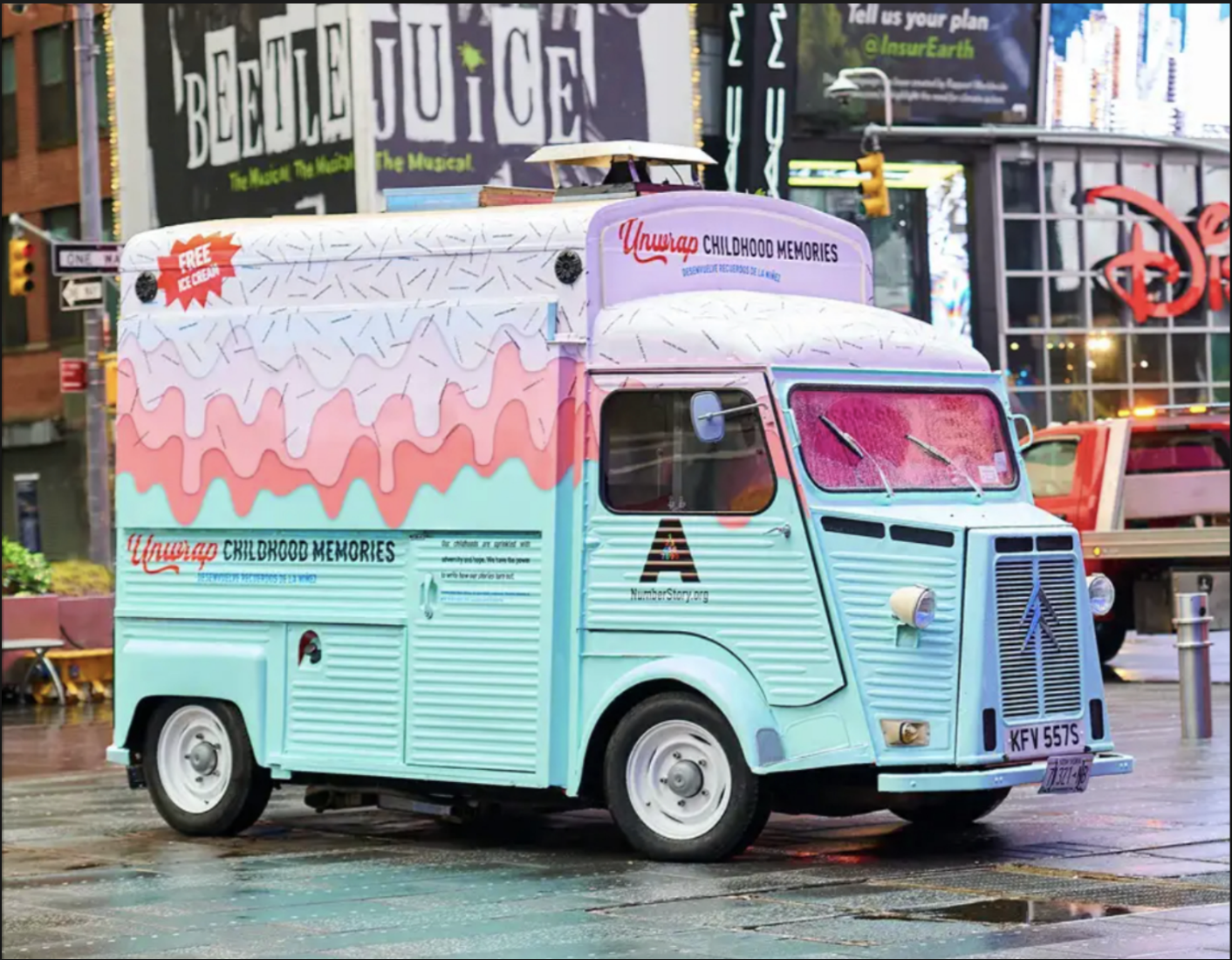
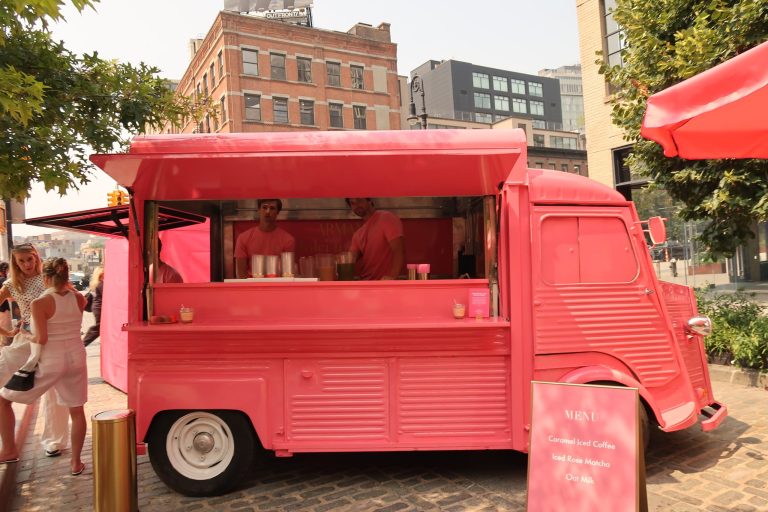
The benefits above are only as strong as the platform that delivers them, and that is where an experiential vehicle comes in. A branded food truck, tuk tuk, Citroen, Airstream, or glass truck gives a campaign a mobile, eye-catching stage that draws a crowd, invites interaction, and travels the experience to wherever the audience already is.

The right vehicle depends on the goal. For a full breakdown of the options and how to choose, see our guide to experiential marketing vehicles, or browse the full fleet of experiential vehicles to find the format that fits your brand.

Frequently Asked Questions

Experiential marketing is an experience-based approach in which a brand connects with people through immersive, in-person moments, like pop-ups, sampling, and mobile activations, rather than one-way ads. Instead of telling people about a product, it lets them taste, touch, and try it, creating a memory that outlasts a banner or billboard.

The five biggest benefits are stronger emotional connection, amplified brand awareness, higher consumer engagement, stronger brand differentiation, and organic word-of-mouth promotion. Together they turn a passive audience into active participants, which builds the kind of memory and loyalty that traditional advertising struggles to create.

Because it engages people instead of talking at them. Hands-on, sensory experiences trigger emotion and memory far more strongly than passive ads, and people naturally share them. EventTrack research finds most consumers are more inclined to purchase after attending an event, which is the effectiveness showing up in behavior.

Yes. By letting people try a product and building trust in person, it moves them closer to buying, and the earned word-of-mouth brings in new customers who already feel positive about the brand. Coach’s Cherry Parfum activation, for example, generated $498K in earned media value alongside millions of impressions.

Traditional advertising is one-way: people see a billboard or a banner and move on. Experiential marketing is participatory: people interact with the brand in person, which creates emotion, engagement, and shareable moments. The result is a stronger memory and more trust than a passive impression can deliver.

Set one primary metric before launch, then track it: foot traffic, samples served, engagement, social impressions and shares, sign-ups, or earned media value. Building a capture step into the experience, like a branded hashtag or a QR code, connects the in-person moment to a result you can report.

Beauty, food and beverage, fashion, tech, entertainment, and lifestyle brands see the biggest gains, though nearly any brand can benefit. The best fit is any product that becomes more compelling when people see, touch, taste, or try it in person rather than only seeing it advertised.

It creates visually captivating, photo-worthy moments that attendees share online, so a single physical event ripples out across social platforms to the followers of everyone who engages. That amplification turns a local activation into far wider exposure than the on-site crowd alone.

For the right goal, yes. It delivers benefits an ad cannot, emotional connection, engagement, and trusted word-of-mouth, and those can be tied to measurable outcomes like impressions, leads, and earned media value. Scoped to a clear objective with an experienced partner, it competes well on return.

Start with the single outcome that matters most, then choose the format and vehicle that fit it, and build an experience worth sharing. An experiential agency handles the rest, from creative and fabrication to permits, staffing, and measurement, so you show up to a finished, on-brand activation.

Benjamin Goldberg

Author

Benjamin Goldberg

CEO @ FTP Agency

Benjamin H. Goldberg is passionate about bringing brands to life on the streets. As CEO of Food Truck Promotions and co-founder of the New York and Los Angeles Food Truck Associations, he helps create unforgettable mobile experiences that blend great food, creative branding, and meaningful connections with audiences everywhere.

More posts
Top 5 Experiential Marketing Strategies to Elevate Your Brand