Reimagining Live Events with the “Drive-In Experience”

Companies are adapting to a social-distanced world by taking a retro experience and reinventing it for a new generation. 

As the U.S. heads into the fall and COVID-19 guidelines tighten, social distancing has kept the experiential marketing landscape virtual, rather than physical. But, brands and agencies have taken a popular pastime of a bygone era and brought it back into the mainstream: “the drive-in experience.”

With the interactiveness of traditional live events, combined with the necessary precautions to help keep people safe, drive-in experiences have been reinvented to create memorable moments for a new generation.

Drive-In Experience

Drive-Ins Assist The Return of Live Sports 

More than four months after being shuttered amid the COVID-19 pandemic, professional sports have started to return. Yet, a growing wave of infections in states where teams are slated to practice and play, as well players themselves, has put public plans for some pro-sports leagues on hold. 

As the sports world continues to navigate the uncharted waters of adapting public spectator events to a world where “keeping six-feet apart” is currently the norm, one professional league has utilized drive-ins as a social distancing-friendly experiential marketing tool.

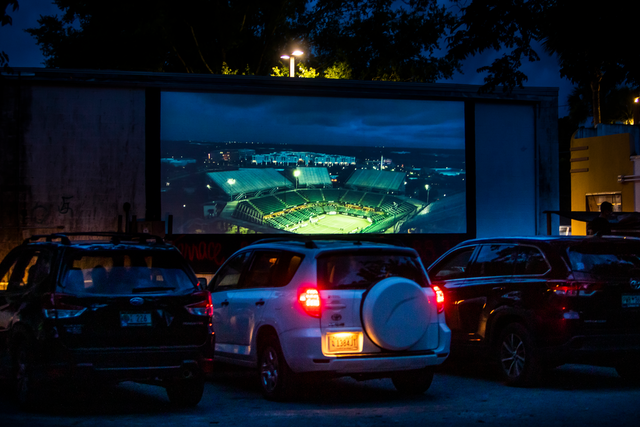
Last June, to kick off the Credit Bank One Invitational in Charleston, S.C., tournament sponsor Tennis Channel hosted its first live, drive-in viewing event. In partnership with a Charleston-area theater, guests (and their cars) were invited to attend the pop-up activation. 

Prior to the drive-in, Tennis Channel put out a call-to-action on social media to local residents to RSVP for free on a first-come, first-serve basis. Tennis fans who gained entry to the event were treated to complimentary snacks, beverages, and even branded swag.

Live Sports Drive In Experience

By using the #CreditOneBankInvitational to boost mentions and awareness, Tennis Channel measured the pop-up’s success based on social and earned media coverage.

According to Neil Roberts, Executive Director of Marketing for Tennis Channel, the goal of hosting a live drive-in experience was to offer an alternative way for tennis fans to comfortably (and safely) watch the sport they love. 

“The drive-in experience put like-minded fans in a group setting that was almost as good as being in the stadium.”

Drive-Ins Rock the Live Music Experience

In terms of live events, probably the one that most people miss the most is the “live concert,” the most social of summertime events. Last month, U.S. events promoter Live Nation recreated the experience for current times with it’s first-ever drive-in concert experience, “Live From the Drive-In.” 

With nine shows over the course of three nights in Nashville, St. Louis, and Indianapolis, attendees were treated to performances by Brad Paisley, Nelly, Darius Rucker, and others from the comfort of their cars stationed in private, individual “tailgating zones,” which equaled the size of about a two-car garage, ensuring social distancing measures. 

With nine shows over the course of three nights in Nashville, St. Louis, and Indianapolis, attendees were treated to performances by Brad Paisley, Nelly, Darius Rucker, and others from the comfort of their cars stationed in private, individual “tailgating zones,” which equaled the size of about a two-car garage, ensuring social distancing measures. 

In an effort to truly capture the thrill of the live music experience, the shows were broadcast on theater-style LED screens and speakers. 

Tom See, President of Live Nation Venues – US Concerts, noted that drive-ins are a great way to bring people together, safely and responsibly. “Around the world, we’re seeing a real eagerness from our fans and artists to safely get back to the concert experience,” he said. “Our ultimate goal is to connect fans with artists to create those lasting memories, and we have teams around the world exploring unique ways to make that happen.” 

Taking Drive-Ins “Beyond the Sea”

As the throwback tradition of drive-in experiences maintain their resurgence in popularity, there are companies looking at new ways to take them even further. 

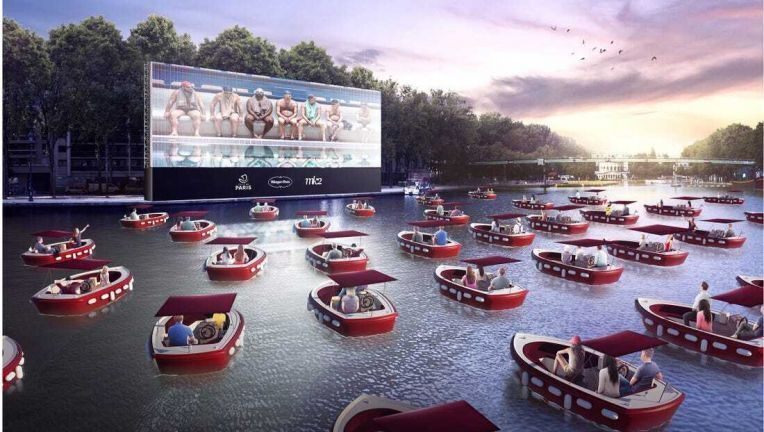
Australian entertainment and event company, Beyond Cinema revealed plans for an “aquatic movie watching” experience starting next month. Creating a floating cinema docked along the waters across 16 U.S. cities, Beyond Cinema has opened the drive-in experience to an entirely new audience.
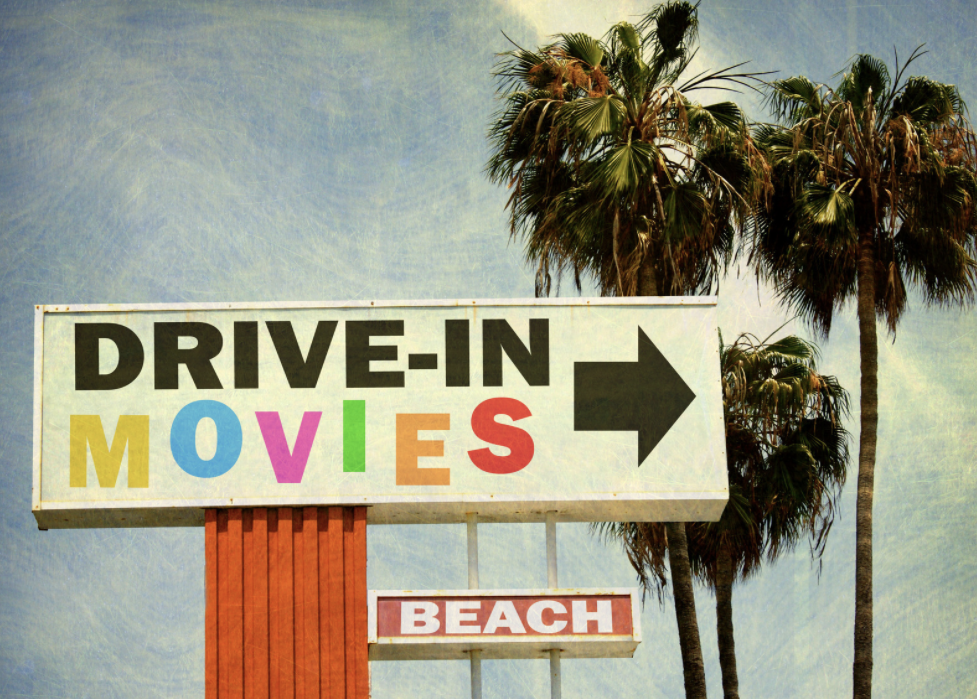
Drive-in Movie on the Water

And, you don’t need to bring your own schooner in order to participate. By renting a mini-boat that ensures maximum distance, anyone can enjoy a late-summer evening movie right on the water.  

The company says they’ll offer a mix of classic films and new releases, announcing titles when tickets go on sale. Plus, popcorn is free for all attendees, with other snacks and drinks available for purchase. 

Drive-In Experiences Create Connections in Uncertain Times

Experiential marketing that works best is built on in-person events. In 2020, “virtual” has dominated our lexicon and our societal consciousness, but nothing compares to experiences that take consumers on a personal journey. 

That emotional connection and communication is what fosters successful brand engagement. With the reemergence of drive-ins, companies have taken an activity that reached its zenith in popularity over a half-century ago and reimagined it for the 21st century. 

Executing successful live experiences as our world continues to navigate the restrictions of COVID-19 is no easy task. But, as drive-ins show us, it’s not impossible and they have the ability to take experiential marketing to new and creative heights.

MORE POSTS
FOLLOW US ON INSTAGRAM

Trust and Influence: The Power of the Brand Ambassador

Want to build trust and gain influence with consumers that translates into sales and widening your audience. Take a look at why brand ambassadors can help leverage your reach and set your brand up for success. 
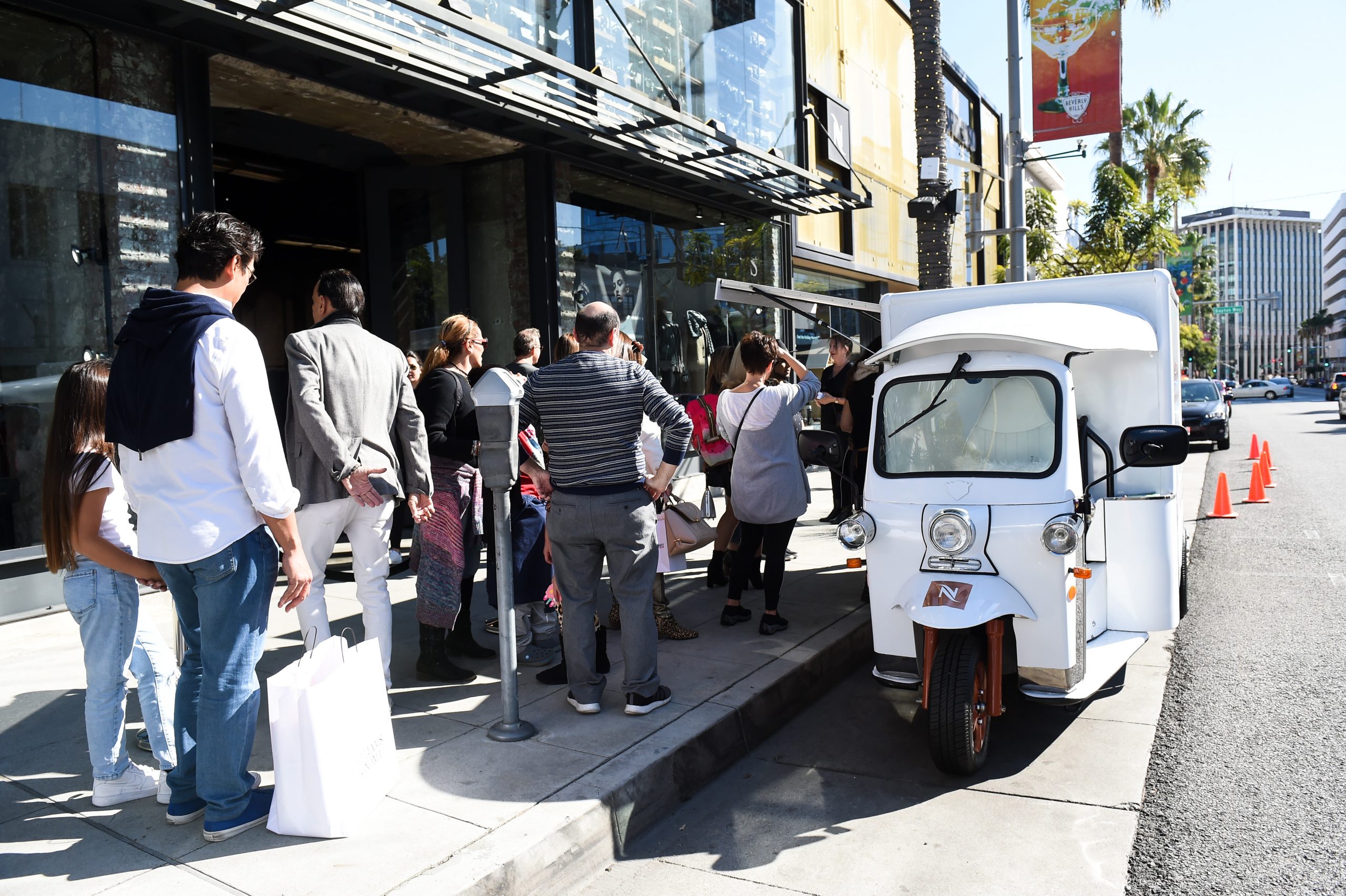
It goes without saying that the best way to experience a brand is to engage with it on a personal level and experiential marketing is uniquely designed to create genuine interactions and meaningful moments for consumers. And brand ambassadors are the human engines that drive the conversations that make those moments possible. 

While they’re the ones on the front lines, the role of a brand ambassador is much more complex. From conveying brand messaging, to creating a direct channel for consumer feedback, and building trust and transparency in real-time, brand ambassadors play a vital role in setting up a brand for success. 

By giving your brand a boost on social media, spreading positive messages about who you are, influencing sales, and more, find out more about who brand ambassadors are, what they do, and how they can help your next experiential marketing campaign. 

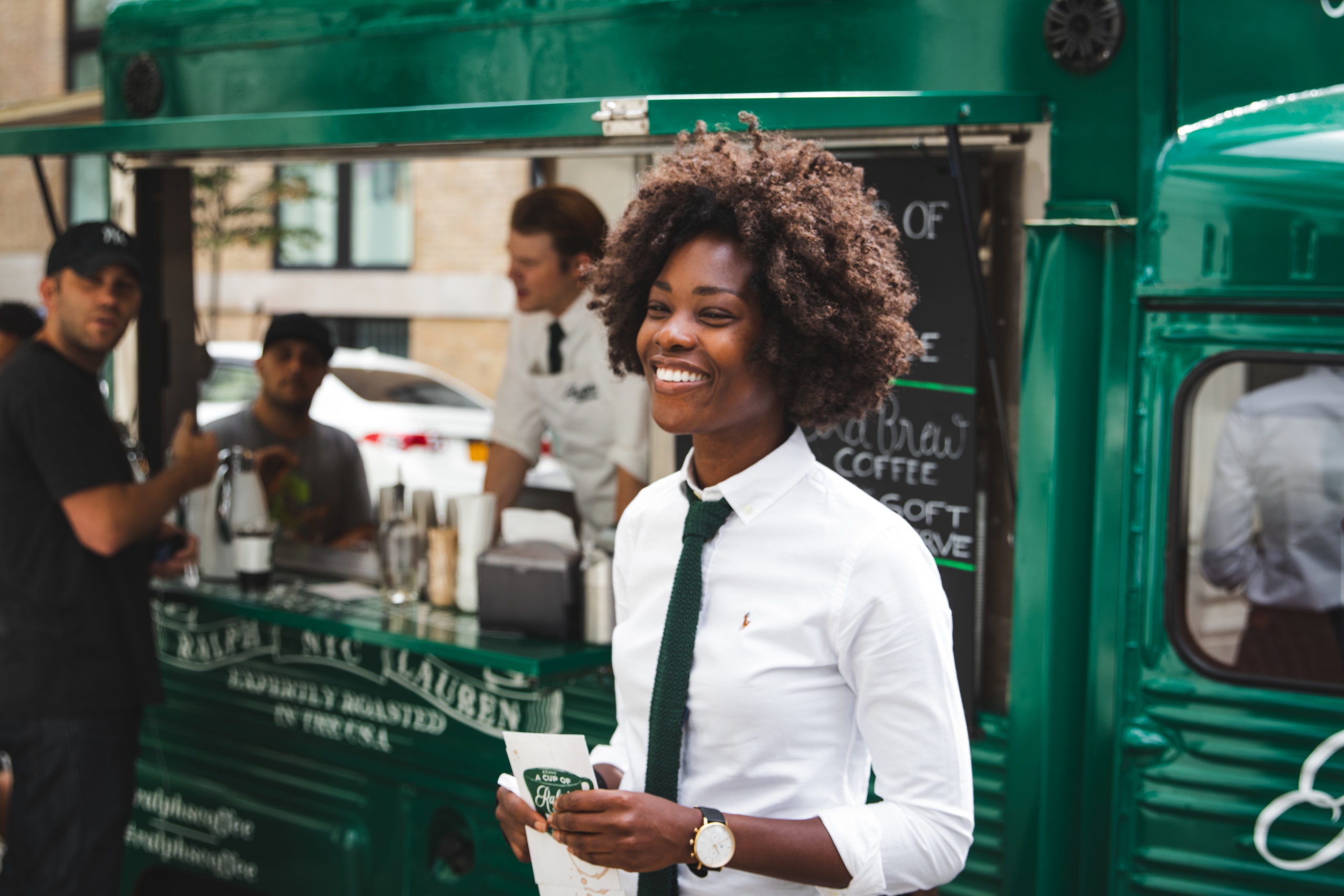
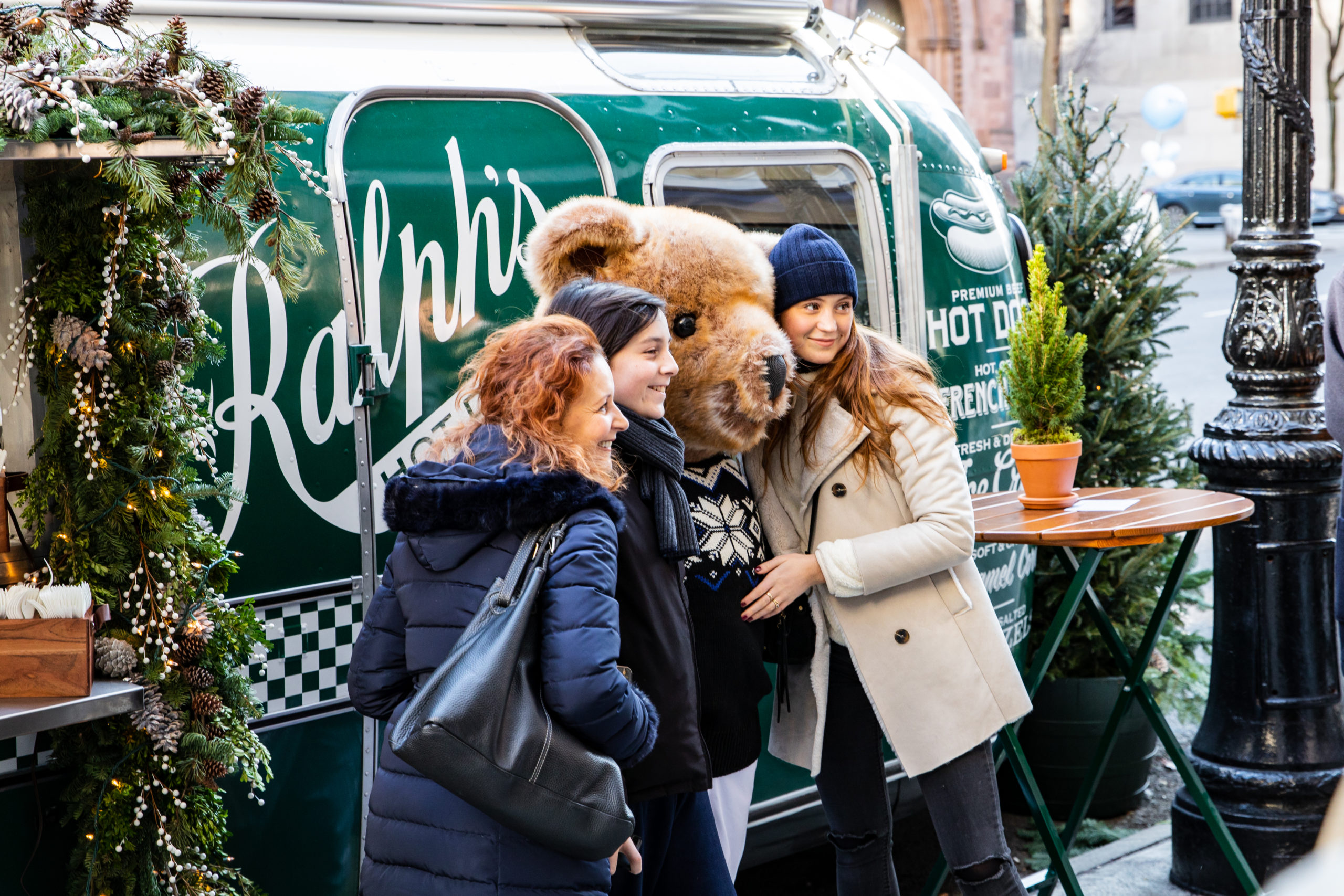
Ralph Lauren Brand Ambassador

THE BRAND AMBASSADOR NEXT DOOR

There are two types of brand ambassadors. In the age of social media, “influencers” on Instagram and YouTube have become just as recognizable, if not more, than “traditional celebrities” (i.e. actors, recording artists, athletes, etc…), with their millions or tens of millions of followers, who are active and engaged on a variety of different platforms. 

More simply though, brand ambassadors are anyone hired by a company to represent their brand positively and help market to a new audience, and increase brand awareness and sales. In recent years, brands have leveraged their own employees to become effective brand ambassadors. 

Perhaps there’s no one better to showcase who you are and what you represent than those already working for you. Employees have the best insights into your brand’s culture, essence, products, services, and beyond. 

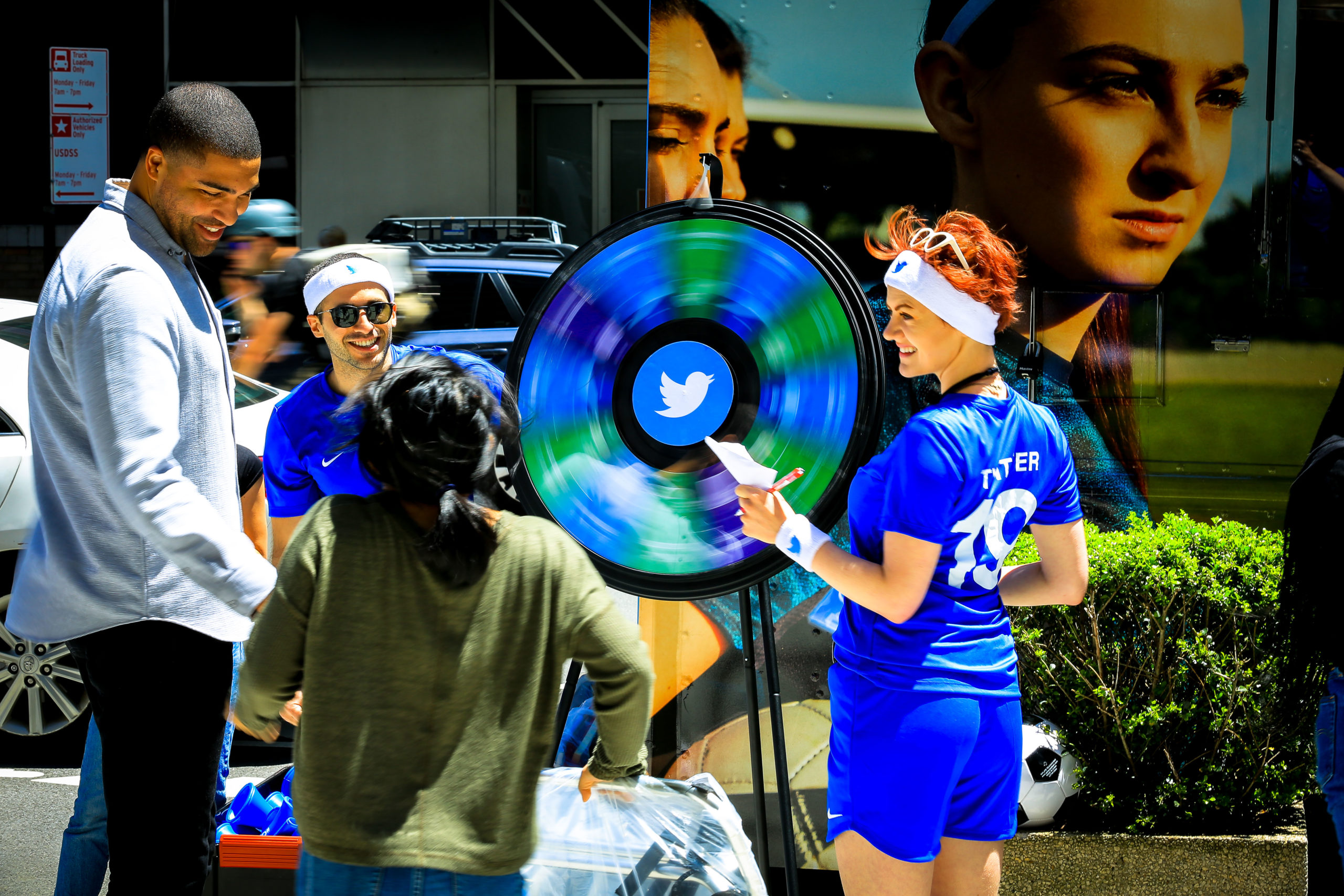
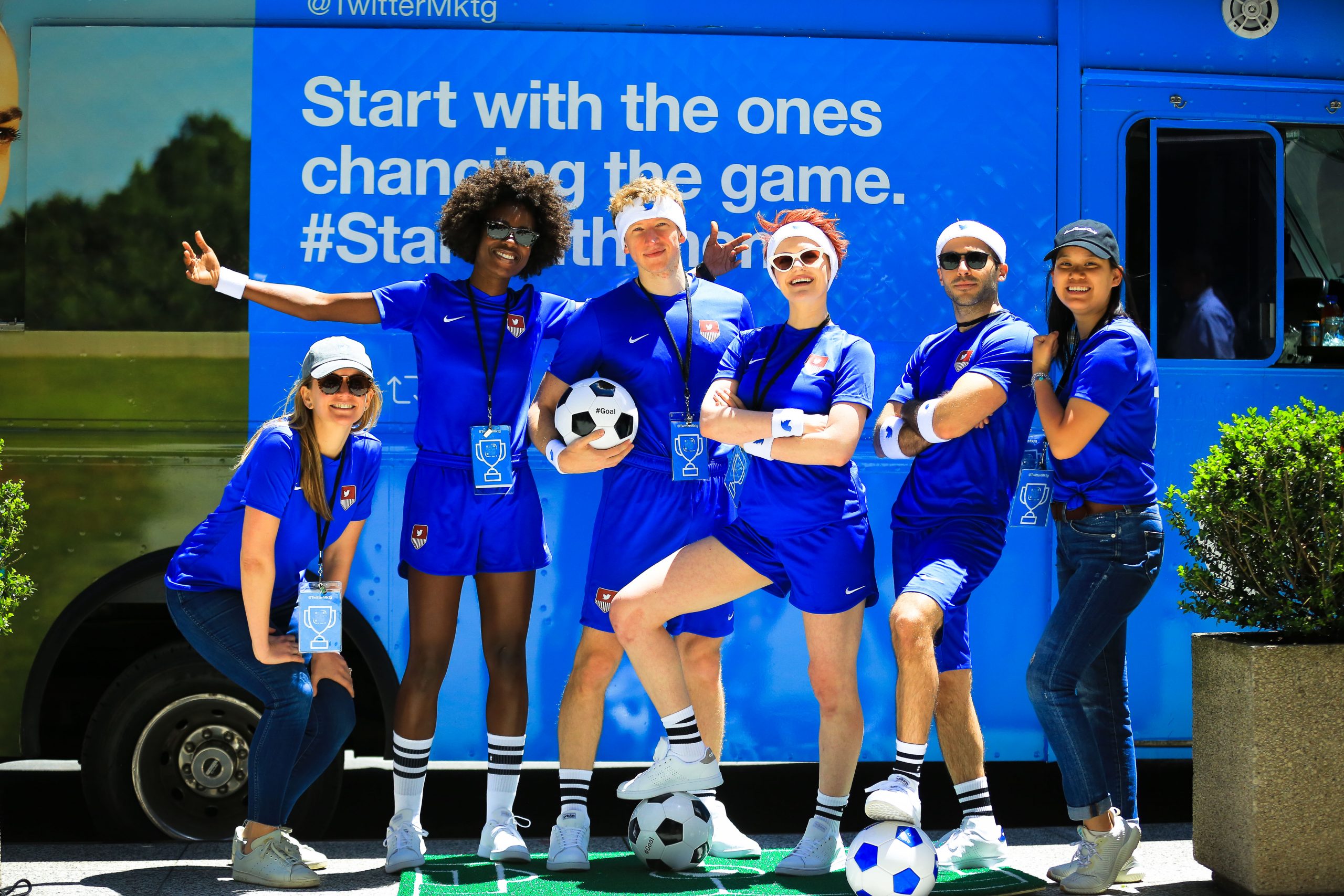
Twitter Brand Ambassador

And, their effectiveness is notable. In a 2017 survey by earned content platform Olapic, “76% of consumers believe the content that average people share is more honest than advertising from brands.” 

“That should serve as a wake-up call for brands to start exploring the use of authentic content in ads and marketing to build trust and create a more meaningful dialogue with their customers,” said Olapic co-founder Pau Sabria in an interview with Adweek


Finding the Right Brand Ambassador

In order to find the right brand ambassador for your brand and/or your experiential marketing campaign, you first need to determine your objective. Is it your goal to increase social media traffic? Boost sales? Expand your target audience?

Your employees in your sales, marketing, communications, or HR departments can each serve as effective brand ambassadors in their own right, targeting a niche objective that aligns with your goals. 

But regardless of whom you choose, make sure your brand ambassador has a vibrant network consisting of people outside your organization. Employees in sales, marketing, and management can be a great place to begin your search that’ll help maximize the most optimal bottom-line results for your brand.      


The Value of Brand Ambassadors

So why should your company staff a brand ambassador instead of outsourcing the work to an outside personality? 

The more trust you earn with consumers, the more likely you are to earn their respect, and their business. That’s where brand ambassadors come in. The personal relationship they already have as employees of your brand can be leveraged into influencing their own networks and your consumers. That built-in connection will always be stronger than hiring a “celebrity” who’s foremost priority is getting paid. 

When your brand hosts events and activations led by your own team who are enthusiastic and engaged, that creates the perception of authenticity, which translates into credibility with consumers.

Think about it this way. Would you believe a “real person” who recommends a product or service over a paid celebrity or influencer? Having a brand ambassador dedicated to your business allows you to optimize your goals in order to translate them into success. 

Build Trust and Gain Influence with Brand Ambassadors

Brand ambassadors are crucial to brands’ success. As more and more consumers crave genuineness when making purchasing decisions, hundreds of millions of dollars are spent each year on campaigns to project exactly that. The irony is your brand already possesses the capability to promote trustworthiness with those who come to work for you each and every day.    

When you understand what brand ambassadors do, how to find the right one for your business, and why they’re so valuable, you can develop an effective experiential marketing campaign that enhances your brand reputation and turns real feelings as to who you are and what you do into real results.

FTP Can Help!

Let FTP help you plan and execute your next experiential marketing campaign. Contact us today to learn more and get started.

MORE POSTS
FOLLOW US ON INSTAGRAM

The Evolution of Experiential Marketing

“Immersive,” “multi-sensory,” “emotional,” “engaging.” Those are the fundamentals to “experiential marketing,” seemingly the most innovative promotional strategy in any successful brand’s playbook.  

But, experiential marketing is more than a 21st century buzzword. Brands have employed various forms of experiential marketing for over a century. 

From product demonstrations and event marketing vehicles, to immersive experiences and pop-up events, let’s take a look at how the experiential marketing has evolved from the late 19th century to 2020. 

Samples and Demonstrations: Experiential Marketing in the 19th Century

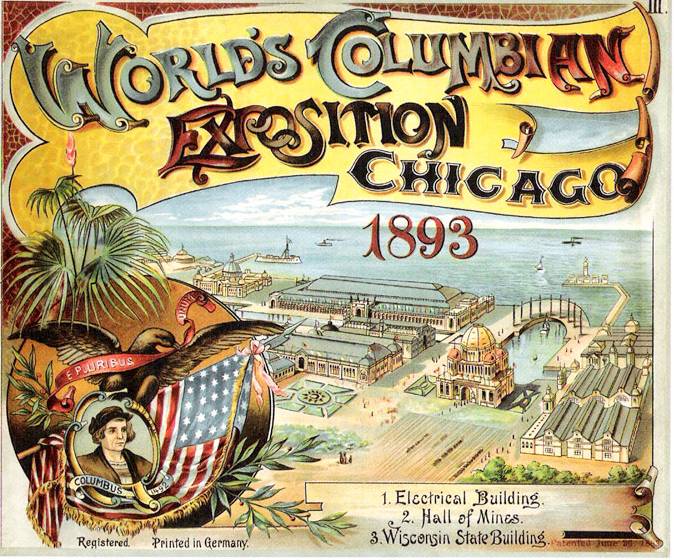
1893 World's Fair

Remembered more for being the first World’s Fair powered by the new technological invention of the day: electricity, the 1893 World’s Fair in Chicago also featured the first documented examples of experiential marketing. 

Brands that still exist in 2020 like Wrigley’s, Cracker Jack, and Pabst’s all debuted at that year’s exhibition. And, there are few places better to launch your brand than at an event that saw over 27 million visitors throughout a six-month period. 

With 46 countries represented across an estimated 690 acres of space, the immense challenge presented of separating one brand from another and standing out from the rest was an understatement. 

Thus “product sampling” was born,. with even Wrigley’s founder William Wrigley Jr. personally handing out free samples of “Juicy Fruit,” hoping to entice customers to his brand. 

Product demonstrations also made their debut at that year’s festivities. With good reason too, as most people had never seen (let alone used) as the world’s first dishwasher. 

Invented in 1886 by American housewife Josephine Cochrane in the shed behind her home in Shelbyville, Illinois, she exhibited her invention and won top honors for “best mechanical construction.” While you may not be familiar with her name, you’ll instantly recognize the company she would later go on to found: KitchenAid. 

Marking the 400th anniversary of Christopher Columbus’ arrival in the Americas, the 1893 World’s Fair blended innovation and entertainment to captivate visitors with one of the first engaging and interactive experiences. 

Event Marketing Vehicles of the 1930s

Also known as “mobile marketing,” event marketing vehicles have been a tried-and-true tactic since the birth of the Model-T. Nothing attracts a crowd like a decked-out car, truck, or double-wide trailer designed to generate buzz and grab onlookers’ attention. 

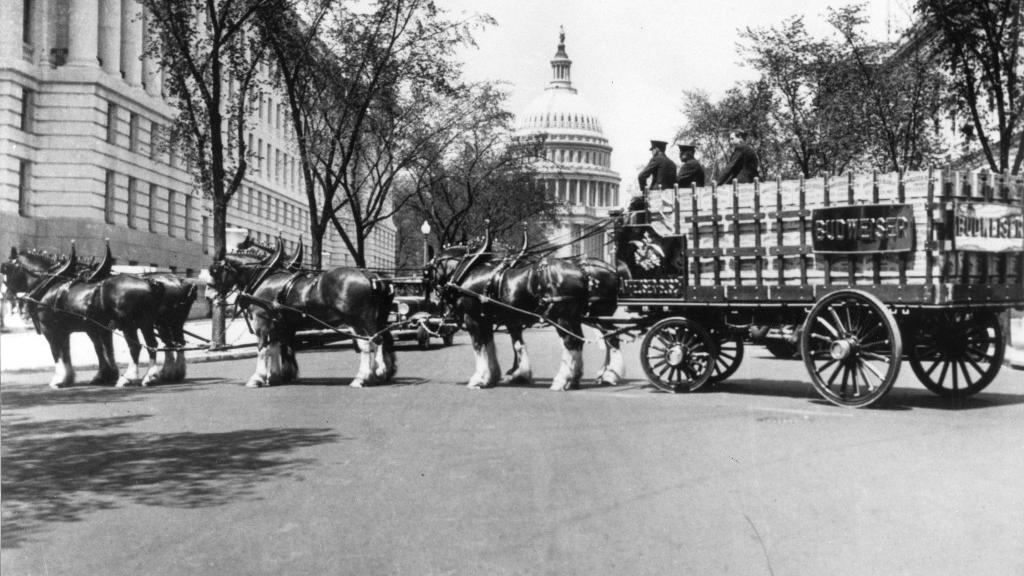
But, one of the most iconic event marketing vehicles isn’t actually a “vehicle.” Not in the traditional sense, at least. Since their first appearance in 1933, celebrating the repeal of Prohibition, the legendary Budweiser Clydesdales have become the quintessential American symbol of “mobile marketing.” 

Today, the Budweiser Clydesdales travel over 100,000 miles each year across North America and abroad. And, they’re no strangers to TV broadcasts and parades. From the Super Bowl to not one, but two Presidential inaugurations (Harry Truman in 1949 and Bill Clinton in 1993), these event marketing vehicles have been running on some real “horsepower” for almost 90 years.

No list of “classic event marketing vehicles” would be complete without mentioning the most recognizable and unique custom-branded vehicle on the road today: the Oscar Mayer “Wienermobile.”

Debuting in 1936, the Wienermobile was the brainchild of the nephew of founder Oscar Mayer, who wanted to promote the family’s hot dog brand in an unconventional and eye-catching way. Hitting the streets of Chicago, the Wienermobile and it’s driver (known as a “hotdogger”) used “street marketing” (giving out free toy whistles shaped like the classic vehicle) in an effort to drive brand awareness and loyalty. 

The Rise of Guerilla Marketing in the 80s and 90s

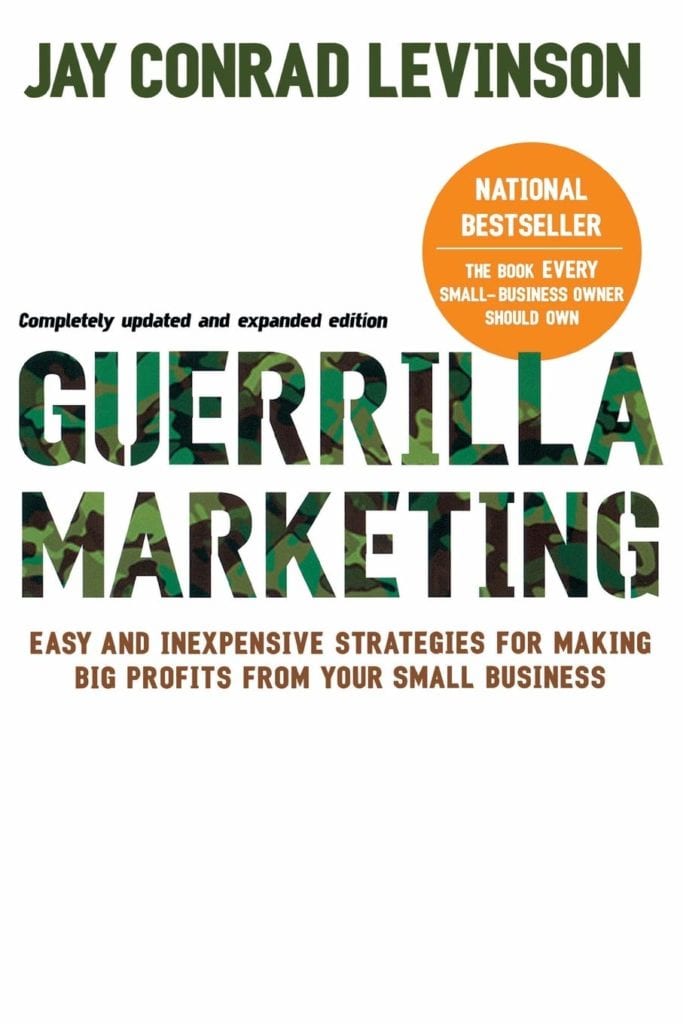
In 1984, business writer and marketer Jay Conrad Levinson wrote one of the seminal books in the whole of marketing: “Guerrilla Marketing: Easy and Inexpensive Strategies for Making Big Profits from Your Small Business,” as brands transitioned from traditional print, television, and radio marketing. 

In an effort to educate businesses on how to effectively market their brands on-a-budget and in headline-grabbing ways, Levinson’s strategy zeroed in on utilizing “the element of surprise” to create an unexpected and memorable experience for consumers.

By the 1990s, guerrilla marketing became as commonplace as an advertisement in a magazine or on a billboard, from gorgeous models on sunny Spring Break beaches promoting the perfect summertime products, to college campuses bombarded with “street teams” marketing everything from beer koozies to free pizza. 

Guerrilla Marketing Jay Conrad Levinson

Almost 40 years after the initial release of Levinson’s book (which, to date has sold over 21 million copies worldwide), the fundamentals of guerilla marketing are still relevant today. Even as the marketing landscape continues to evolve perceptions and expectations of what experiential marketing is, brands will almost always get people talking with campaigns that disrupt norms and put a premium on “brash,” “edgy,” and “alternative.”

Social Media Transforms the 21st Century

From viral marketing, to immersive experiences, and pop-up events, experiential marketing of the past 20 years has seen a rapid acceleration than the preceding 100 years. In large part, this technological shift can be credited to the societal dominance of social media.

Before Facebook, Twitter, and Instagram, experiential marketing existed in a limited space, where only consumers who directly engaged with an activation were impacted. With social media, brands now have access to the world and they use that access to their advantage. 

It’s more common than not to see a social media hashtag accompanying an experiential marketing campaign. Think, Coca-Cola’s #ShareACoke or Disney and Make-A-Wish Foundation’s #ShareYourEars campaigns, which reached millions globally and drove the conversation long after their primary events were over. 

Experiential marketing activations have also become featured spotlights at some of the world’s biggest events. From the Super Bowl and SXSW, to Coachella and Comic-Con, brands are using immersive experiences (with the help of VR, AR, and simulators) to (almost) literally transport consumers into their “story.” 

And, talking about experiential marketing in the 21st century has to include “pop-ups,” which liberate brick-and-mortar retailers from the confinements of their four-walls. With the ability to highlight who they are while putting a spotlight on their products or services, pop-up events can take place almost anywhere and anytime.

The Ever-Changing Experiential Marketing Landscape

For over 125 years, experiential marketing has been a part of our collective consciousness. And, while it’s come a long way from the 1893 World’s Fair, its core principles remain the same: effective emotional engagement. That connection is what boosts sales, drives loyalty, and helps brands withstand the test of time.

MORE POSTS
FOLLOW US ON INSTAGRAM

As If! Nostalgia Marketing Meets the 90s

Brands and agencies are taking a “blast from the past” approach with nostalgia marketing designed to capture consumers’ attention through emotionally-driven campaigns. 

Remember the 90s? Sitting on your bean bag chair, listening to the jarring dial-up sounds of AOL, while holding your “Tickle Me Elmo” and singing the Spice Girls’ “Wannabe” (and never knowing what “zig-a-zig-ah” meant, but it was really catchy anyway). 

Those were simpler times for many and almost 25 years later, in our current 21st century reality, reminiscing about the decade of Doc Martens, Beanie Babies, and “Goosebumps” is totally rad. 

Savvy brands and agencies have revived the era with nostalgic marketing celebrating 90s pop culture, so here’s the 411 on recent branded activations that are hella fly.

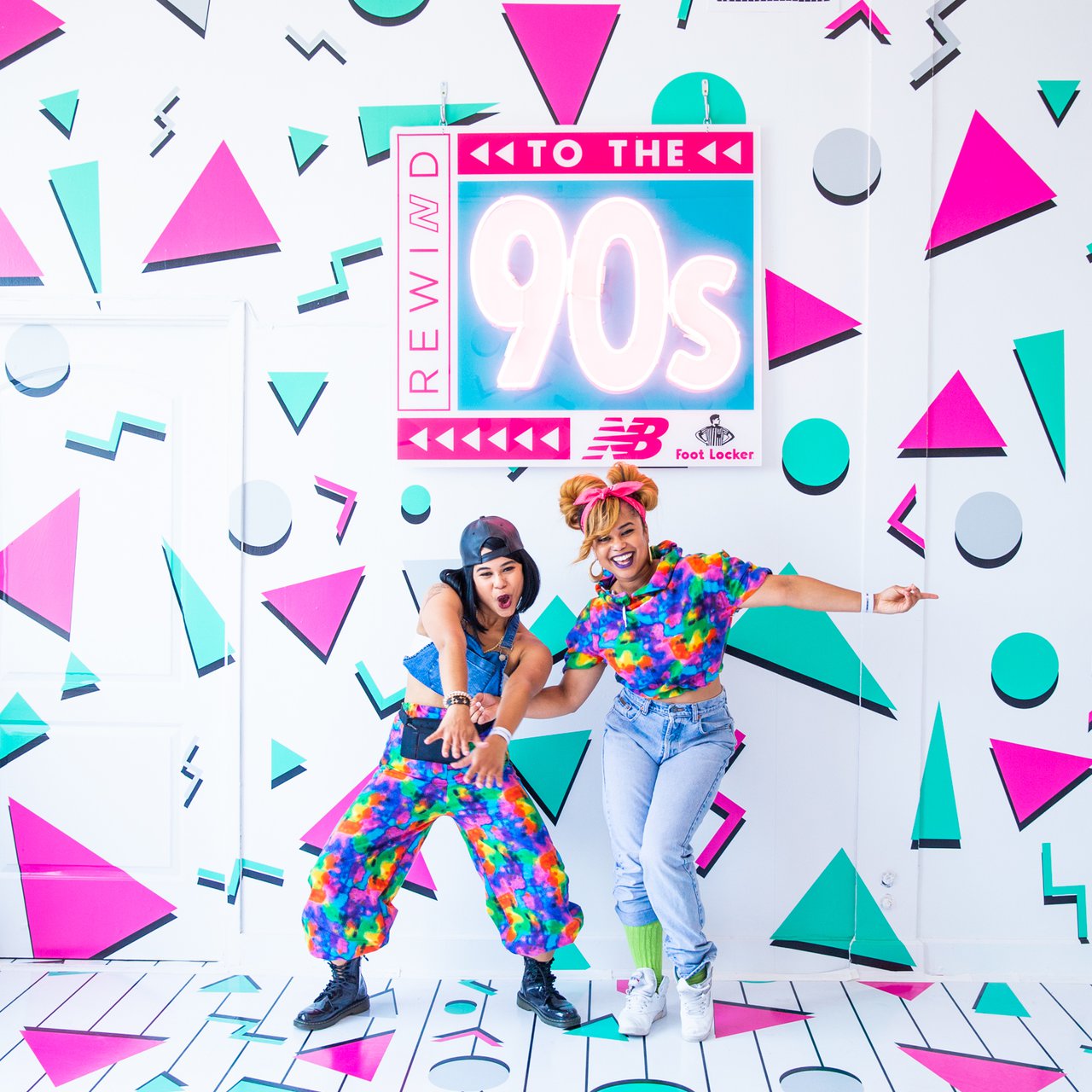
New Balance Rewind to the 90s Marketing

 Rewind to the 90s”

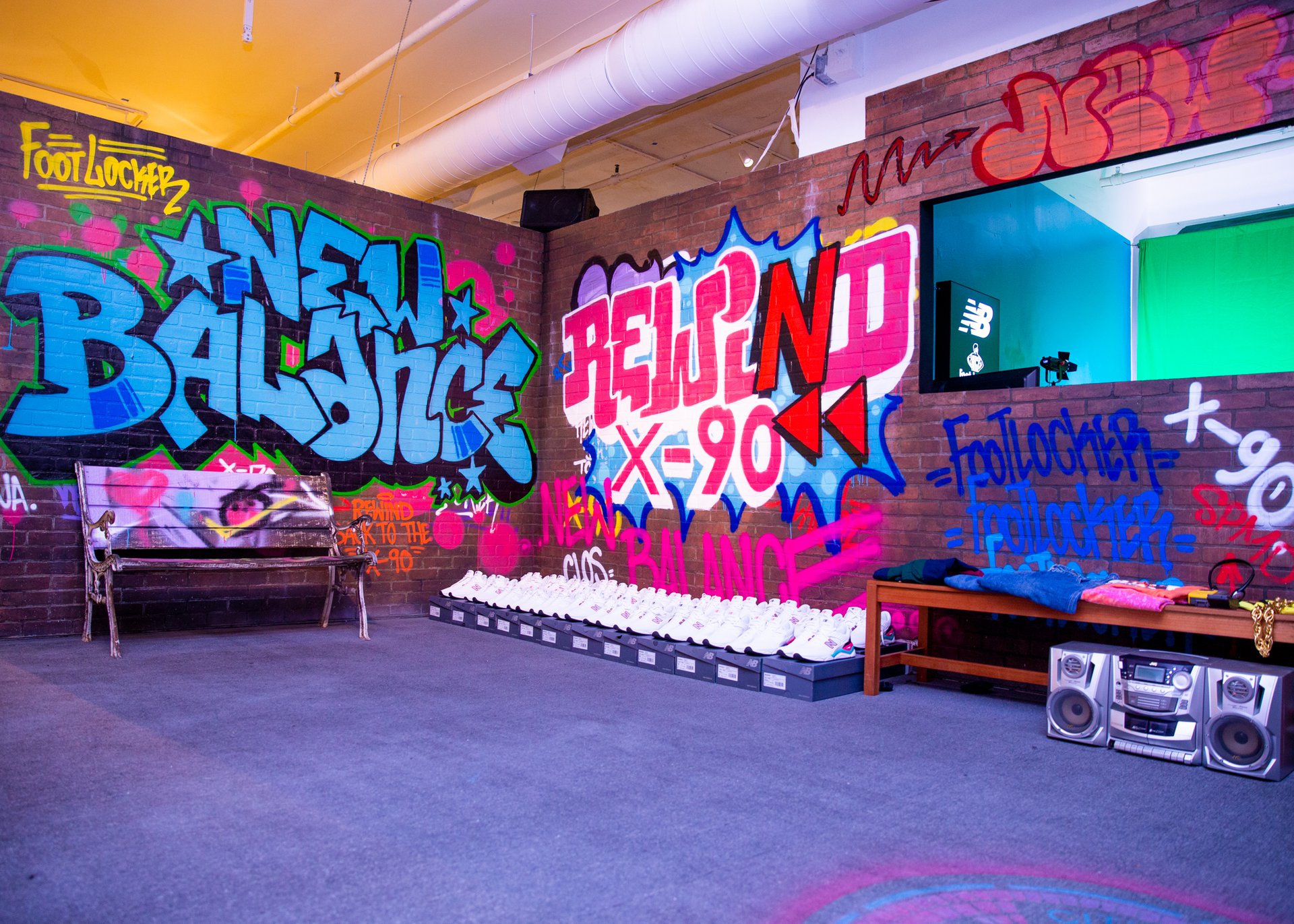
When New Balance launched their “X-90 Knit” in 2018, celebrating the best of the 90s with 21st-century street style, they wanted to pay homage to the decade that made their sneakers iconic fashion staples. Partnering with Footlocker and Nickelodeon, they produced a “Rewind to the 90s” nostalgia marketing pop-up event complete with all the greatest hits from a 90s kid’s childhood. 

Attendees were treated to a fully-immersive 90s experience that began with tickets in the form of “slap bracelets.” From there, they were treated to a Koosh ball-pit, mock Blockbuster store, and sets inspired by classic Nickelodeon shows like “Double Dare” and “SNICK” (the network’s popular Saturday-night programming block).

If that doesn’t sound like “da bomb,” New Balance even replicated the bedroom of a 90s teen, complete with vintage movie posters and desktop computer and gave attendees the chance to meet 90s-era celebrities like Ben Savage from “Boy Meets World” and Jaleel “Steve Urkel” White.

“The Crystal Pepsi Trail”

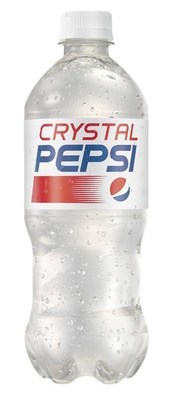
There were a lot of short-lived fads from the 90s, but few were as memorable (even 25 years later) as Crystal Pepsi. From their Super Bowl ad featuring Van Halen’s classic “Right Now” to Saturday Night Live’s “Crystal Gravy” parody commercial, there was a time in the early 90s where Crystal Pepsi was everywhere, until it wasn’t.

Crystal Pepsi Bottle

In 2015, Pepsi made the decision to revive the clear-colored soda for a limited eight-week run with a game called The Crystal Pepsi Trail, reminiscent of The Oregon Trail {the game you’d play in computer class as a kid, trying (in vain) to keep your 19th-century pioneers dying from dysentery}. 

Also featuring 90s references like Furbies and Tamagotchis, Pepsi found success with their nostalgia marketing campaign. Their first trailer announcing the game received a 104% organic engagement rate in its first 24 hours on Facebook coupled with fans praising the game’s authentic coding and design on Reddit.

 “Cher-able” Eats at “Clueless” Themed Restaurant

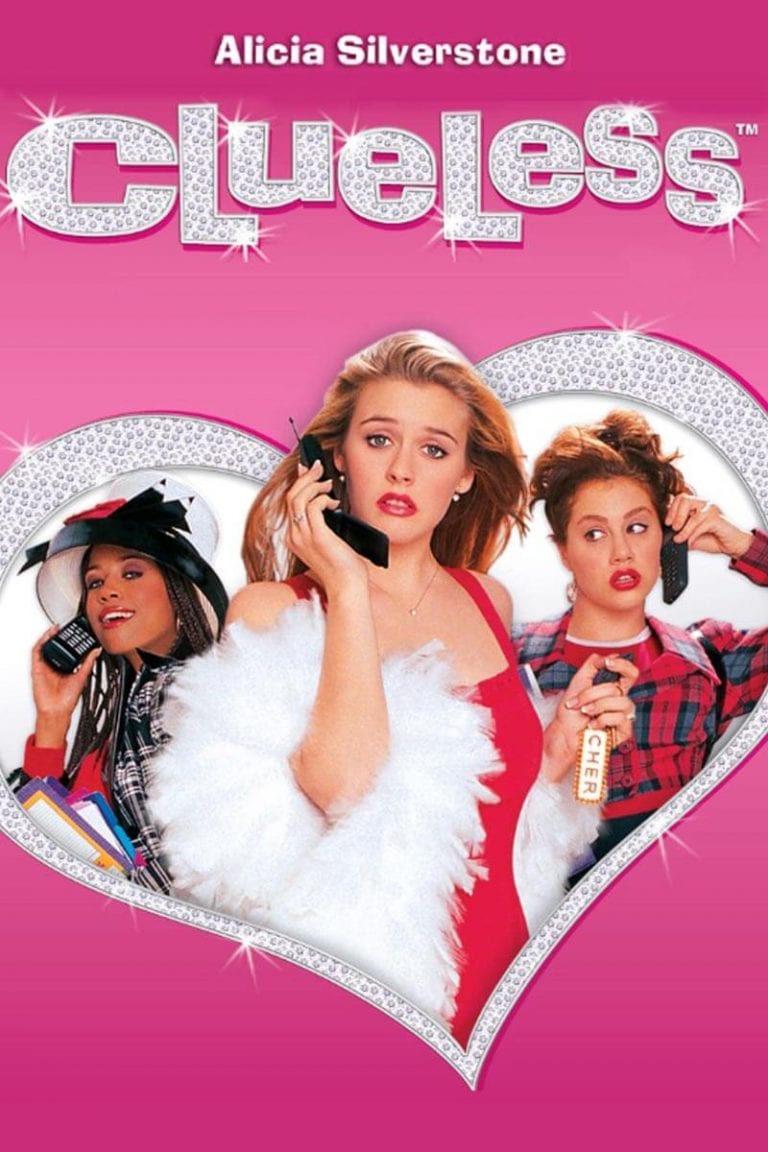
25 years-ago this summer, one of the most recognizable films of the 90’s premiered in theaters and forever changed the way we think of words like “Betty” and “Monet.” 

To celebrate the silver anniversary of “Clueless,” Paramount Pictures announced plans to open “As If!,” a pop-up restaurant in Los Angeles later this year. Teaming up with the same creative minds behind nostalgia marketing pop-ups including “Saved by the Bell,” “Good Burger,” and Beverly Hills’ 90201 “The Peach Pit,” “As If!” is set to feature LA-inspired food and drinks, as well set recreations and photos from the film. 

“It’s truly one of those films that has stood the test of time and cult fandom” Derek Berry, one of the concept’s partners, told Deadline in a recent interview, “With the anniversary quickly approaching there was no better team than ours to honor this beloved teen classic and bring Cher’s (Horowitz. The film’s main character played by Alicia Silverstone) world to life.” 

Relive the Good Old Days With Nostalgia Marketing

As brands and agencies continue to target Millennials at a fever pitch, when done successfully, nostalgia marketing can capture consumers’ attention by striking an emotional cord conjuring up fond memories of their childhood in a way that other campaigns simply can’t.

As society is dominated by impersonal communication online, take a trip down memory with nostalgia marketing experiences and activations that are “all that and a bag of chips.”

If you’re looking to get your own nostalgia marketing campaign started, we can help! Learn more about our services and contact us today!

Clueless Cover
MORE POSTS
FOLLOW US ON INSTAGRAM

Why “Brand Love” is More than a Buzzword

“Brand love.” It’s more than a boardroom buzzword. In 2020, the push for brands to be more authentic and personal than ever before is at an all-time high. Here’s why engagement marketing is the secret to creating life-long and loyal consumers to your brand.  

“Loyalty.” “Engagement.” “Trust.” Those are some of the most common buzzwords brands feel are the way to successfully develop deep relationships with consumers.  

But, what do they mean? When it comes to “brand love,” is it just a phrase that looks good on a PowerPoint? Or, is it possible for brands to use engagement marketing authentically and have consumers “fall in love” with them?

Twitter USWNT Experiential Marketing

Consumers Want Connections

It’s no secret to the world’s top brands. As research shows, the connections they make with consumers can be as deep and emotional as their relationships “IRL.” For many, when they think of Disney, the nostalgia of their childhood comes to mind. Or, how our relationship with Google is so ingrained in our everyday consciousness we don’t search for something online, we Google it. 

According to the Harvard School of Business, 95% of consumers purchasing decisions take place within our subconscious and that translates to 75% of consumers studied in 2014 who said their buying decisions are based on emotion. 

The idea of “brand love” isn’t a gimmick and building campaigns and strategies around the “L-word” is crucial to consumers’ loyalty and long-term commitment to brands. 

Think of sharing your first Hershey bar with a grandparent or buying your first pair of Nike Air Jordans. The feelings those moments create not only stay with you as years pass, but influence sharing those memories with future generations (who become future consumers).

According to social media management firm Sprout Social, when consumers don’t feel connected to a brand, 70% of those surveyed said they’re less likely to choose them over a competitor and 61% said they would spend less on that brand. Simply put, consumers want engagement marketing that cultivates a long-lasting relationship based on loyalty, integrity, reliability, and trust.

Be Authentic. Be Organic. Be Memorable

So, now you know the power that “brand love” brings to the table and (as Jennifer Lopez once sang) “love don’t cost a thing.” That may not be completely true when it comes to the millions of dollars brands spend on marketing and advertising each year, but there is some meaning to that catchy lyric. According to the White House Office of Consumer Affairs, consumer loyalty can be worth 10 times as much as a single purchase. 

How can brands capture the kind of “brand love” that essentially pays for itself in the long-run? Look to experiential marketing as the perfect opportunity to cut through the noise and connect with consumers on a deeper level. 

Being authentic is not something brands can manufacture from a boardroom, but it is important to consumers. Authenticity comes from understanding and communicating your personal story in a thoughtful and compelling way. If it’s artificial or contrived, your brand’s story will fall flat. 

Experiential and engagement marketing creates interactive and visual experiences that engage the senses and generates buzz for brands in a unique way. When brands can interact with consumers in fun and interesting ways, “brand loyalty” and “brand love” are created organically.

Increase Your “Brand Love” With Engagement Marketing 

Consumers expect more from brands than just a great product or a great commercial. Times have changed and so have consumers’ wants and needs from a brand. Using experiential and engagement marketing by creating memorable events and activations leaves a lasting impression consumers remember and that’s become the key to developing lifelong and loyal relationships.

MORE POSTS
FOLLOW US ON INSTAGRAM