Product sampling ideas are only useful when they come with the vehicle, the cost and the lead time attached, because that is what decides whether an idea ships. The 25 below are grouped by industry and goal. Each one lists the format, the vehicle it runs on, a single-market cost range that includes the build, permits, staffing and one activation day, and the lead time to get it on the street. Costs assume the brand supplies the product. If you want the mechanics behind the formats first, read product sampling marketing; if you want proof, the results are in product sampling examples.
Key Takeaways
- Every sampling idea starts with one goal: trial, retail sell-through, launch reach, leads or press. The goal picks the format.
- The sample should be the product in its final form: a drink served, a cream applied, a scent on a blotter.
- Small vehicles unlock small budgets: a food cart or tuk tuk sampling day starts around $40,000 and fits where a truck cannot park.
- Permits set the calendar: six to eight weeks in most US cities, two to three on private property.
- The capture step turns an idea into a channel: a QR, an SMS keyword or a redemption code at every hand-off.
Beauty and K-Beauty Sampling Ideas
1. The deluxe mini bar
Hand out deluxe minis, not sachets, from a counter with a QR to a retailer offer. Minis convert better because they last long enough to form a habit. Goal: trial that converts at retail. Vehicle: glass cube truck or Airstream Bambi. Cost: $80,000 to $140,000. Lead time: eight weeks.
2. The shade match truck
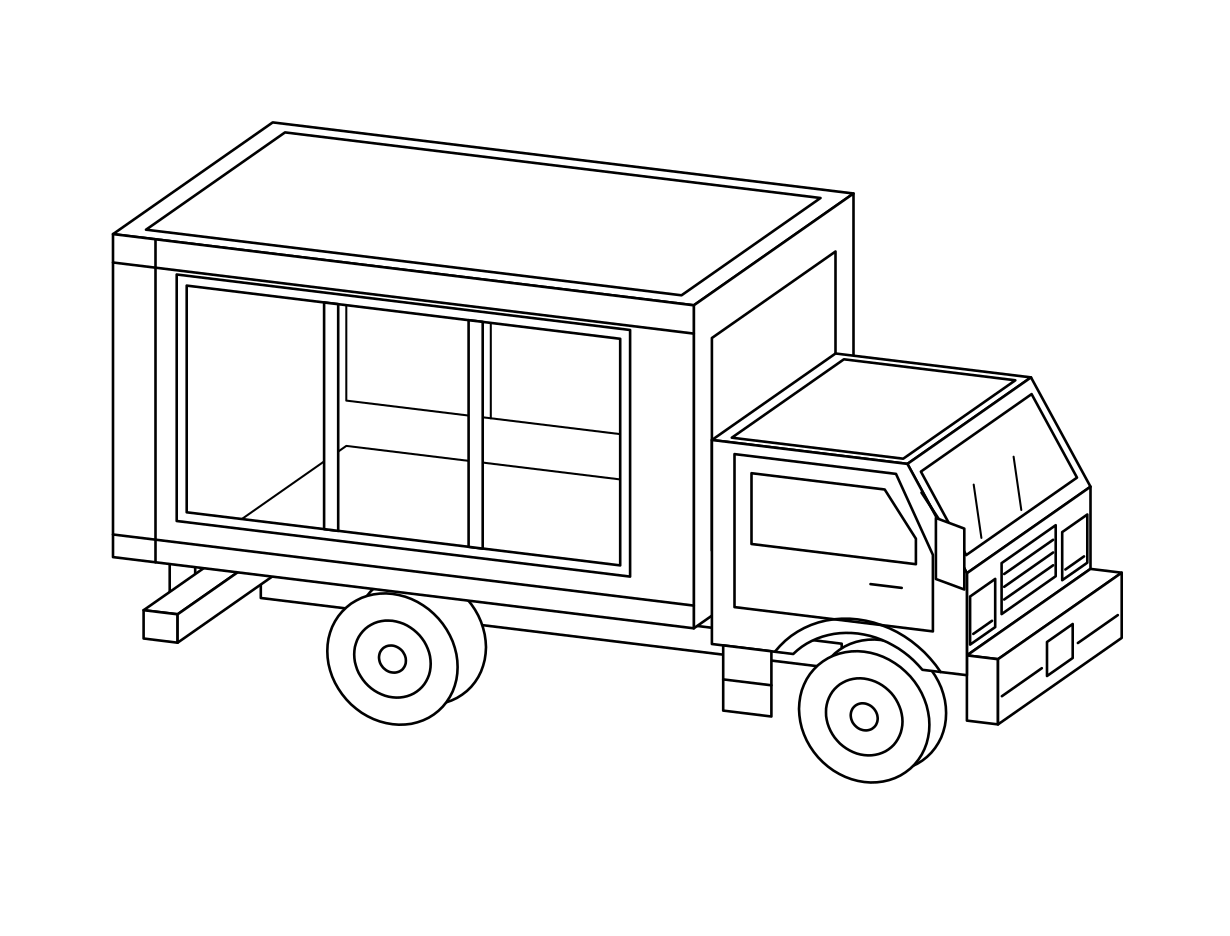
A glass truck with a lit counter where visitors are matched to a shade and leave with it. The match is the sample. Goal: first purchase. Vehicle: glass box truck. Cost: $100,000 to $200,000. Lead time: eight to ten weeks.
3. The hair oil personalization station
Gisou paired hair oil sampling with a personalization station at The Grove and reached 20 million impressions in three days. Let visitors make their own version and they photograph it. Goal: trial and social reach. Vehicle: glass cube truck or Chevy P10. Cost: $100,000 to $175,000. Lead time: eight weeks. See the Gisou case study.
4. The campus skincare tour
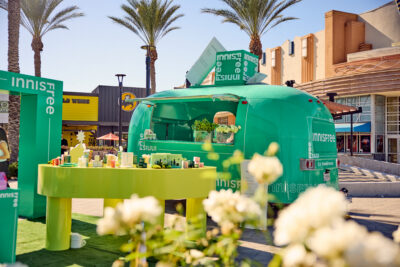
innisfree’s West Coast college tour drew more than 3,000 visitors during the semester reset. Sample where Gen Z already is, when they are outdoors and between classes. Goal: first-purchase acquisition. Vehicle: tuk tuk or food truck, multi-stop. Cost: $120,000 to $250,000 for five campuses. Lead time: ten weeks for campus approvals.
5. The K-beauty retail launch tour
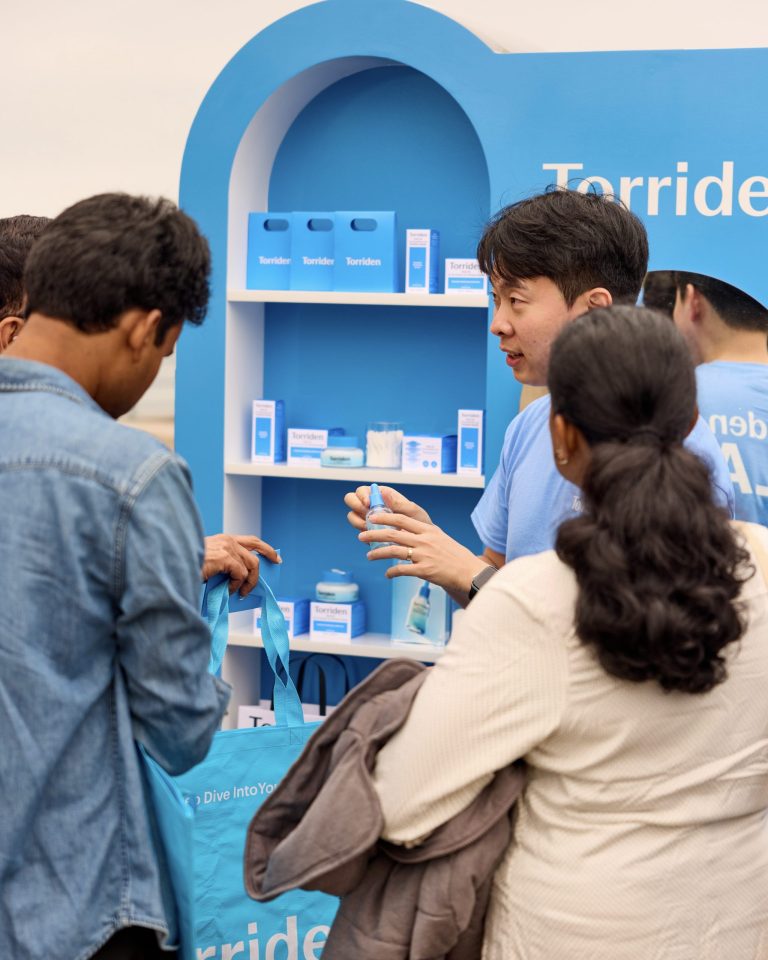
One glass truck through four cities timed to retailer launches, with the same sampling counter at every stop. TIRTIR’s World Tour drew 47,000 visitors this way. Goal: national launch on a regional budget. Vehicle: glass box truck. Cost: $250,000 to $500,000 for four cities. Lead time: twelve weeks. See the TIRTIR case study.
Fragrance Sampling Ideas
6. The scent bar
A counter with the full range on blotters and a vial of the one the visitor chooses. The choice is the engagement. Goal: trial for a launch. Vehicle: Citroen or Chevy P10. Cost: $60,000 to $120,000. Lead time: six to eight weeks.
7. The holiday scent tour
Pura’s Scent The Season tour matched fragrance to holiday markets across several cities on one Airstream. Seasonal tours work because the audience is already in a buying mood. Goal: Q4 sales. Vehicle: Airstream Stage. Cost: $150,000 to $300,000. Lead time: ten weeks, booked by early September.
8. The gift-with-sample
A vial handed over inside a small wrapped gift during gifting season, with a QR to the full size. The wrapping makes it a gift, not a sample. Goal: holiday trial. Vehicle: tuk tuk or Airstream Bambi. Cost: $50,000 to $100,000. Lead time: six to eight weeks.
Food, Beverage and CPG Sampling Ideas
9. Serve it as the drink, not the mixer
Fever-Tree served its Espresso Martini mixer as a hot mocha and an iced martini and beat its trial target by 70 percent. Sample the product in the form it is consumed. Goal: trial volume. Vehicle: mobile bar or Airstream. Cost: $75,000 to $150,000. Lead time: eight weeks. See the Fever-Tree case study.
10. The breakfast run
Serve a hot breakfast item in the morning commute window and attach the sample to it. A hot drink at 8 am is accepted by almost everyone. Goal: trial volume. Vehicle: Citroen or food cart. Cost: $50,000 to $90,000. Lead time: six weeks.
11. The retailer parking lot
Park a sampling truck in the retailer’s lot during launch week and hand out a coupon redeemable inside. Bring the redemption numbers to the next buyer meeting. Goal: retail sell-through. Vehicle: food truck or Metro Mite. Cost: $60,000 to $120,000. Lead time: six weeks plus retailer agreement. More in in-store sampling vs. sidewalk sampling.
12. The frozen treat swap
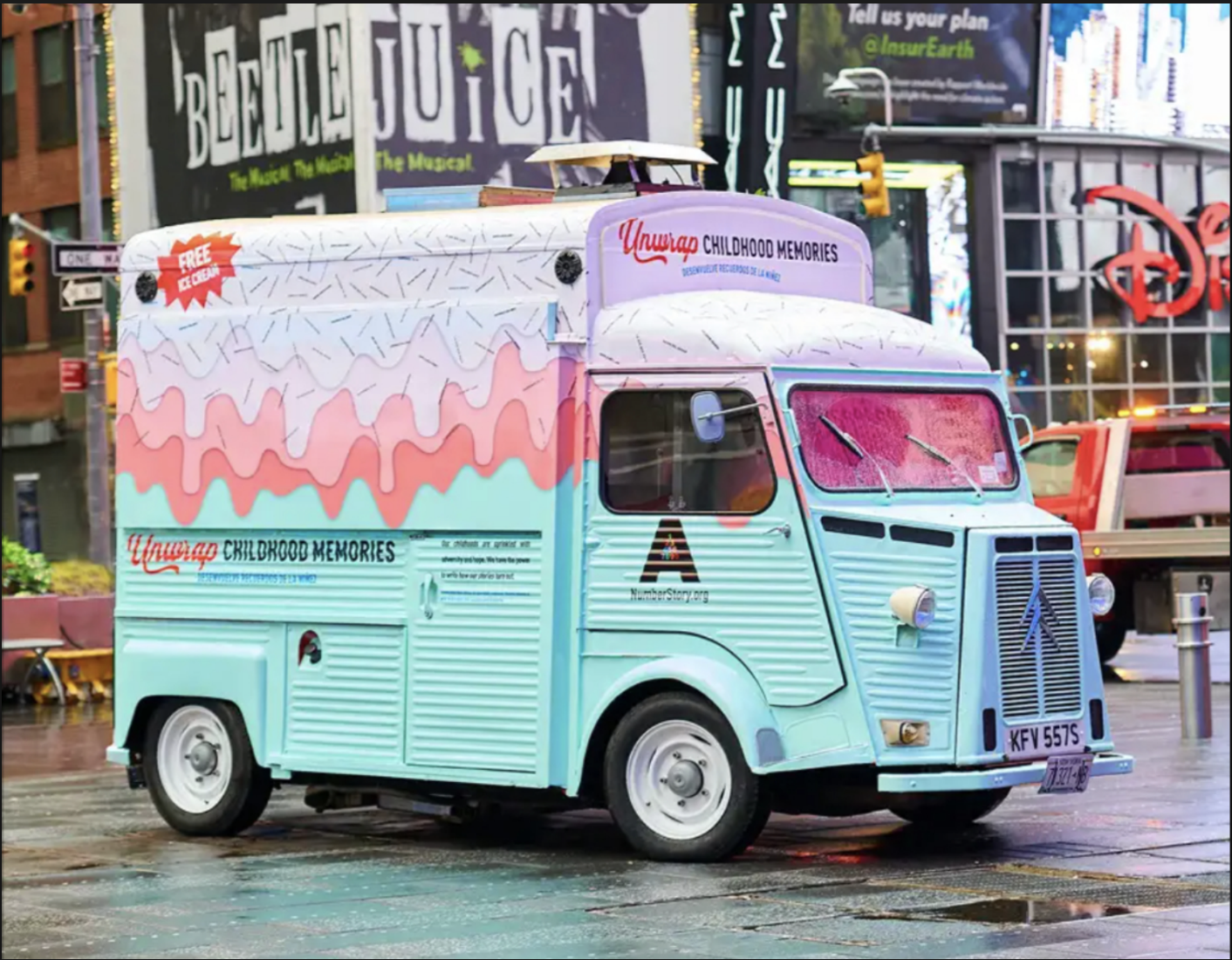
Ice cream and popsicles pull a line in any season above 60 degrees. Brand the treat, the cup and the truck. Goal: awareness and dwell time. Vehicle: branded ice cream truck. Cost: $60,000 to $110,000. Lead time: six weeks.
13. The glass bar
Spindrift built a tropical bar inside a glass truck so the product, the staff and the first customers were the signage. Goal: awareness plus trial. Vehicle: glass box truck. Cost: $100,000 to $200,000. Lead time: eight to ten weeks. See the Spindrift case study.
14. The snack cart circuit
A food cart that hits three office districts or rail stations in a week at the afternoon slump. Cheaper permits than downtown and the same person sees you twice. Goal: regional trial. Vehicle: food cart. Cost: $40,000 to $75,000. Lead time: six weeks.
Tech and Finance Sampling Ideas
15. The coffee that buys the demo
A coffee or a treat handed over outside a conference or a launch buys the two minutes a product demo needs. The hospitality is the sample. Goal: qualified leads. Vehicle: Citroen or food truck. Cost: $70,000 to $130,000. Lead time: eight weeks.
16. The app sign-up truck
Gopuff handed out hot chocolate from a winter-wrapped truck in New York to drive app downloads, and a single weekend became a months-long partnership. The sample is the thing being downloaded. Goal: sign-ups. Vehicle: food truck. Cost: $70,000 to $120,000. Lead time: six to eight weeks. See the Gopuff case study.
17. The campus fintech tour
A tuk tuk between quads during move-in week with a treat and a sign-up for a student account or card. Goal: acquisition. Vehicle: tuk tuk. Cost: $50,000 to $90,000 per campus week. Lead time: eight weeks for campus approval.
Entertainment Sampling Ideas
18. The release-day treat
Amazon Music turned a Bad Bunny album launch into a helado giveaway. The treat is the invitation to the release. Goal: awareness in a defined community. Vehicle: ice cream truck. Cost: $60,000 to $110,000. Lead time: six weeks.
19. The cultural week ice cream truck
Instagram gave away ice cream during Latin Week in Miami and borrowed a week the audience already celebrated. Goal: reach. Vehicle: ice cream truck or tuk tuk. Cost: $75,000 to $130,000. Lead time: eight weeks. See Reels on Wheels.
20. The themed menu tour
A branded menu item that carries the franchise across seven Midwest cities on one truck, the way Butterbeer tours do. Goal: reach plus merchandise. Vehicle: food truck. Cost: $250,000 and up. Lead time: twelve weeks.
Cross-Industry Sampling Ideas
21. Sample where the problem happens
Sunscreen at the beach, hydration at a marathon, hand cream outside a winter market. Malin + Goetz ran its SPF pop-up where people were already in the sun. Goal: trial with relevance. Vehicle: food cart or Metro Mite. Cost: $50,000 to $85,000. Lead time: six weeks plus event permits.
22. Park at the festival gate
A branded truck on the public approach to a festival catches the same crowd as a sponsorship for a fraction of the fee, with a city permit instead of an organizer contract. Goal: awareness among a festival audience. Vehicle: food truck or glass truck. Cost: $80,000 to $150,000. Lead time: ten weeks in festival season.
23. The two-hour drop
Announce the truck’s location on social two hours ahead, hand out a limited run with a redemption code, leave on time. Scarcity builds the line and the code counts it. Goal: redemptions and social. Vehicle: Metro Mite or Chevy P10. Cost: $60,000 to $100,000. Lead time: six weeks.
24. The hot cocoa route
A tuk tuk through narrow holiday streets serving hot cocoa and nothing else. CHANEL’s version generated more than 5 million impressions without selling a thing. Goal: brand warmth and content. Vehicle: tuk tuk. Cost: $50,000 to $90,000. Lead time: six weeks, booked by mid-October.
25. The demo fifty feet from the door
Nespresso’s E-tuk showrooms sampled coffee outside its boutiques and sent every taster through the door. Goal: store traffic. Vehicle: E-tuk or mobile showroom. Cost: $60,000 to $120,000. Lead time: six to eight weeks. See the Nespresso case study.
How to Choose a Product Sampling Idea
Start with the number you need to move. Trial volume points to ideas 9, 10, 12 and 14. Retail sell-through points to 11 and 25. Launch reach points to 3, 5, 13 and 20. Leads and sign-ups point to 15, 16 and 17. Press and content point to 3, 13 and 24.
Then match the sample to the product. Shopify’s overview of sampling types is a useful checklist for the sample unit itself; the vehicle and the location are where an agency earns its fee. A product that needs refrigeration needs a food truck. A product that is applied needs a counter and a mirror. A product that is smelled needs a blotter and a quiet corner.
Then measure the curb. Manhattan side streets and campus paths rule out large formats. Festival fields and retailer lots welcome them. Browse the experiential vehicle lineup, or describe the idea to Merlin AI and see what the vehicle would look like before you brief anyone.
Finally, set the date backward from the permit. Six to eight weeks for one US market, longer in New York, Los Angeles and Chicago in holiday season.
Case Study: innisfree West Coast Tour