Product sampling companies all show the same thing in the pitch: a crowd, a branded counter, a happy brand ambassador holding a tray. What they do not show is who owned the vehicle, who filed the permit, who handled the cold chain when the generator failed at 2 pm, and whether anyone counted what happened. This guide is the twelve questions that surface those answers, what a sampling campaign should cost, the red flags that predict a bad day, and the one structural difference that matters more than any portfolio: whether the company does the work itself or brokers it out. If you want the mechanics of sampling first, start with product sampling marketing.
Key Takeaways
- Full-service or broker is the first question: a company that owns the vehicles and employs the crew controls the day; a broker subcontracts each piece and controls the invoice.
- Permits and health sign-off are the real deliverable: the creative is the easy part, the permit is the long pole, and the company that files it on time is the one that gets the corner.
- Ask for the count, not the photo: units distributed, contacts captured and redemptions are what a sampling company should report within two weeks.
- Cost starts around $50,000 per market for a permitted, staffed campaign on an owned vehicle, and the biggest swing is the number of cities.
- References by city beat references by brand: a company that has permitted a truck on your corner before will do it again in six to eight weeks.
Full-Service Sampling Company vs. Broker
There are two kinds of product sampling companies and they look identical on a website.
A full-service sampling company owns or controls the vehicles, fabricates the build, files the permits, handles the health department, employs or directly manages the brand ambassadors, runs the day and reports the numbers. One contract, one team, one person to call when it rains.
A broker sells the concept and subcontracts every piece: a vehicle rental company, a wrap shop, a permit expediter, a staffing agency, a freelance producer. Each subcontractor has its own margin and its own schedule. Brokers can be the right choice for a one-off in a city where nobody owns a fleet. They are the wrong choice for a tour, a launch with a hard date, or anything where the sample needs refrigeration, because every hand-off between subcontractors is a place the day can fail.
The tell is simple: ask who owns the vehicle you are being shown, and ask who will be standing at the counter at 7 am. If the answer to either is a company name you have not heard before, you are talking to a broker.
The 12 Questions to Ask a Product Sampling Company
1. Do you own the vehicles, and can I see the one I would get? Owned vehicles are measured, rendered, insured and already permitted in major cities. A rented vehicle restarts all of that.
2. Who files the permits and health department applications, and how long do they take in my city? The answer should be a number of weeks and a named person. “We handle it” without a timeline means they have not done it on your corner.
3. How do you handle sampling rules for my product category? Food, beverage and cosmetic sampling each carry their own health rules by city. Alcohol is a separate conversation. A company that has done your category in your city will know the inspector’s name.
4. Who are the brand ambassadors, and who trains them? Employees or a directly managed pool, trained on the product, the permit conditions and the capture script. A staffing agency pulled in two days before is a red flag.
5. How do you handle cold chain and restock? Refrigeration on the vehicle, holding temperatures, a restock plan for multi-day runs. If the answer is a cooler, ask what happens at 2 pm in July.
6. What capture mechanic do you build in, and how is it reported? QR, SMS keyword, redemption code, email. The company should propose one before you ask, and the report should land within two weeks.
7. What is the minimum engagement and what does it include? Most full-service sampling companies have a floor. Ours is $50,000. Know what is inside it: vehicle, wrap, permit, staff, product handling, reporting.
8. What is the lead time from signed brief to the street? Six to eight weeks for one US market on an owned vehicle is the honest answer. Anything shorter is either private property or a company that is not filing permits.
9. Which cities have you run this in, and can I call the brand? References by city matter more than references by brand. Permits, inspectors and curb rules are local.
10. What happens when it rains, the generator fails or the permit is pulled? The answer reveals whether there is a plan or a subcontractor to blame.
11. Can you show me a rendering before the build? A company that renders the wrap, the counter and the footprint before anything is printed will catch the problems while they are free to fix. See our 3D renderings process.
12. What did the last campaign like mine produce? Units, contacts, redemptions. If the answer is impressions, the company is selling a photo.
What a Product Sampling Company Should Cost
Pricing is by format, vehicle, build and city. The ranges below are for a single US market and include the vehicle or build, permits, staffing and one activation day; the brand supplies the product.
| Format | Typical cost | Lead time |
|---|
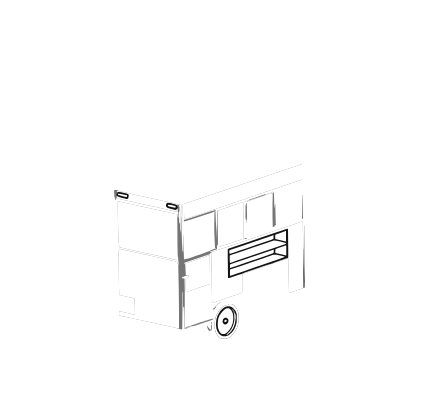
| Food cart or tuk tuk sampling, one day | $40,000 to $75,000 | Six weeks |
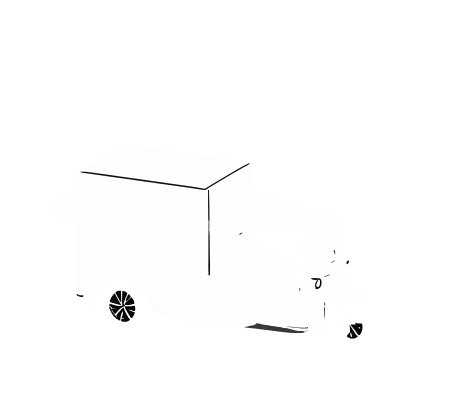
| Food truck sampling, one to two days | $70,000 to $150,000 | Six to eight weeks |
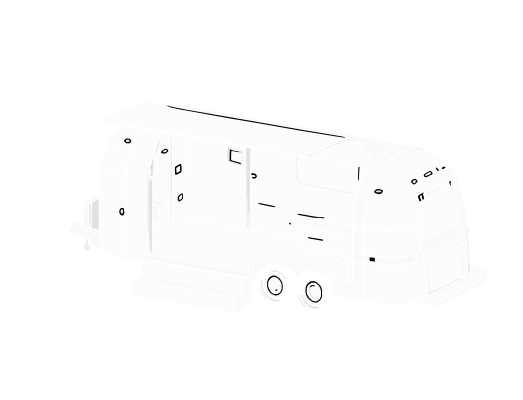
| Glass truck or Airstream with custom interior | $100,000 to $200,000 | Eight to ten weeks |
| Event sampling footprint | $80,000 to $150,000 plus organizer fee | Ten weeks in season |
| Four-city sampling tour | $250,000 and up | Twelve weeks |
Two things change the math. A tour reuses the build, so the cost per city falls with every stop. And private property (a retailer lot, a plaza, a hotel forecourt) replaces a city permit with an owner’s agreement, which can cut the lead time to two or three weeks. HubSpot’s guide to sampling marketing is a useful outside reference on what the sample itself should cost relative to the customer it acquires; the activation costs above are what it takes to put that sample in hands in public.
Red Flags When Hiring a Sampling Company
- No vehicle you can name. If every photo is a different truck, none of them are theirs.
- No permit timeline. “We’ll handle it” with no weeks attached.
- Impressions as the headline result. Sampling produces units, contacts and redemptions. Impressions are a byproduct.
- Staff sourced after you sign. Ask who is on the counter before the contract, not after.
- A rendering that arrives after the wrap is printed. The order should be concept, render, approve, build.
- A price that looks like a rental plus a markup. It usually is one.
- No one who has stood on your corner. City references are the only references that predict a permit.
In-Store Sampling Companies vs. Experiential Sampling Companies
Some product sampling companies specialize in in-store demos: a table inside a retailer, run through the retailer’s demo program, paid per store day. They are the right choice when the product is already on the shelf and the only goal is velocity in that store. The limits are fixed hours, one store at a time, no photo moment and a retailer fee.
Experiential sampling companies put the sample on the sidewalk, in the retailer’s lot, at the event or on a tour, from a vehicle the brand controls. The crowd is bigger, the photo exists, and a coupon redeemable inside proves sell-through without the retailer fee. Many brands use both: an in-store demo program for velocity and a truck outside for the launch week. The comparison is in in-store sampling vs. sidewalk sampling.
Food sampling companies are a further specialty, because food and beverage carry the heaviest health department rules. If your product is consumed, the company you hire should be able to describe the holding temperature rules in your city without looking them up.
How to Brief a Product Sampling Company
A good brief is one page. The goal and the number. The product, the sample unit and any storage needs. The cities and dates. Brand guidelines and vector logos. Any claims or allergen copy that has to appear. The budget range. And the capture you want: sign-ups, redemptions, retailer coupon, press.
Send that and a serious sampling company comes back with a format, a vehicle, a rendering timeline, a permit calendar and a cost in a week. Send a mood board and you get a mood board back.
Case Study: Nespresso Mobile Showrooms