Food sampling, for a brand, means putting a bite or a pour of a product into a stranger’s hand in public and having them buy it later. (Food sampling also describes the laboratory process of collecting food for testing; this guide is about the marketing kind, run by CPG, beverage and snack brands.) It is the most regulated sampling format and the one with the highest conversion when it is done right, because taste is the whole argument. This guide covers the health department rules in the cities brands sample most, how refrigeration and holding temperatures work on a vehicle, portion sizes, allergen copy, alcohol as its own case, the retailer parking lot format for CPG launches, and what a food and beverage sampling activation costs. For the formats outside food and drink, start with product sampling marketing.
Key Takeaways
- Free does not mean unregulated. A sample is food service in the eyes of every health department, and the permit, the handler certification and the holding temperatures apply.
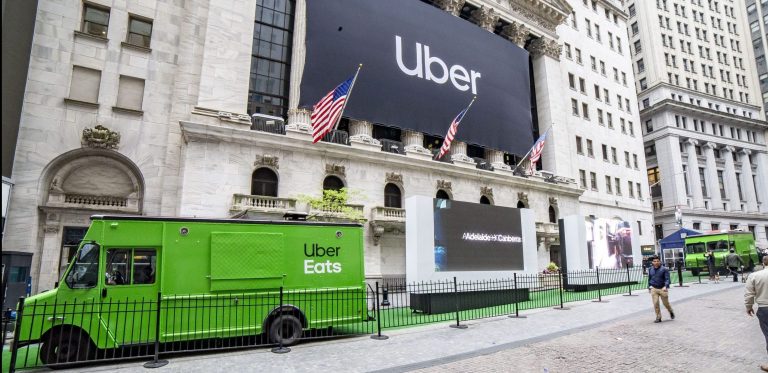
- The vehicle is the compliance strategy. Refrigeration, a hand sink, a water tank and a covered service window are what a health inspector wants to see, and a branded food truck has them built in.
- Portion for trial, not for lunch. One to two ounces of a beverage, one bite of a snack, with the full-size product visible and a reason to buy it.
- Allergen copy goes on the vehicle and the sample. The nine major allergens, in print, before anyone asks.
- The retailer parking lot is the CPG launch format: a truck outside the store, a coupon inside, and a velocity lift in the retailer’s own data.
Health Department Rules by City
Every city treats a sampling activation as mobile food service. The names of the permits differ; the substance does not.
New York. Mobile food vending is regulated by the Department of Health and Mental Hygiene. Serving food from a vehicle on a public street requires a permitted unit and a licensed vendor; for a one-off branded activation, agencies typically work through a temporary food service establishment permit tied to a permitted location or a street activity permit through the Street Activity Permit Office, plus a commissary letter. Lead time: six to eight weeks. The NYC DOHMH mobile food vending page is the reference.
Los Angeles. Los Angeles County Public Health permits mobile food facilities and temporary food facilities for events; a branded truck needs a county health permit for the unit plus the city’s film or special event permit for the location. Lead time: six to eight weeks. Private property (a retailer lot) shortens it to two to three with the owner’s agreement and the county permit for the unit.
Chicago. Mobile food vendor licenses through the Department of Business Affairs and Consumer Protection and health inspection through the Department of Public Health; temporary food licenses for events. Chicago restricts vehicle vending within 200 feet of a restaurant, which matters for street locations. Lead time: six to eight weeks.
Miami. Miami-Dade County and the Florida Department of Business and Professional Regulation license mobile food units; the city handles special event and street permits. Lead time: four to six weeks outside event season, more during it.
What is common to all four: a food handler certification for every person serving, a commissary or approved base for prep and storage, holding temperatures logged, handwashing on the unit, and a permit that names the location and the hours. The FDA Food Code is the baseline the local codes are built from, so a vehicle that meets it meets most of them.
Cold Chain and Holding Temperatures on a Vehicle
The rule the inspector checks first: cold food at or below 41°F, hot food at or above 135°F, and nothing in between for more than a cumulative four hours. On a vehicle that means refrigeration that runs on shore power or the generator all day, a thermometer in every cold unit, a log that gets filled in, and a restock plan that keeps the backup product cold too.
Practical points brands learn the hard way:
- Pre-chill everything. Product that arrives warm takes hours to come down in a vehicle fridge. Ship cold, store cold at the commissary, load cold.
- Ice is not refrigeration. Coolers with ice pass some inspectors on some days. A fridge with a thermometer passes all of them.
- Generator failure is a product loss. A backup power plan (a second generator, a shore power agreement with the property) is cheaper than the product.
- Frozen is harder than cold. Ice cream and frozen novelties need a freezer unit on the vehicle and a shorter service window; plan the restock by the hour.
- Hot is its own line. Coffee, soup and anything cooked to order need a hot-holding unit and a food thermometer at the window.
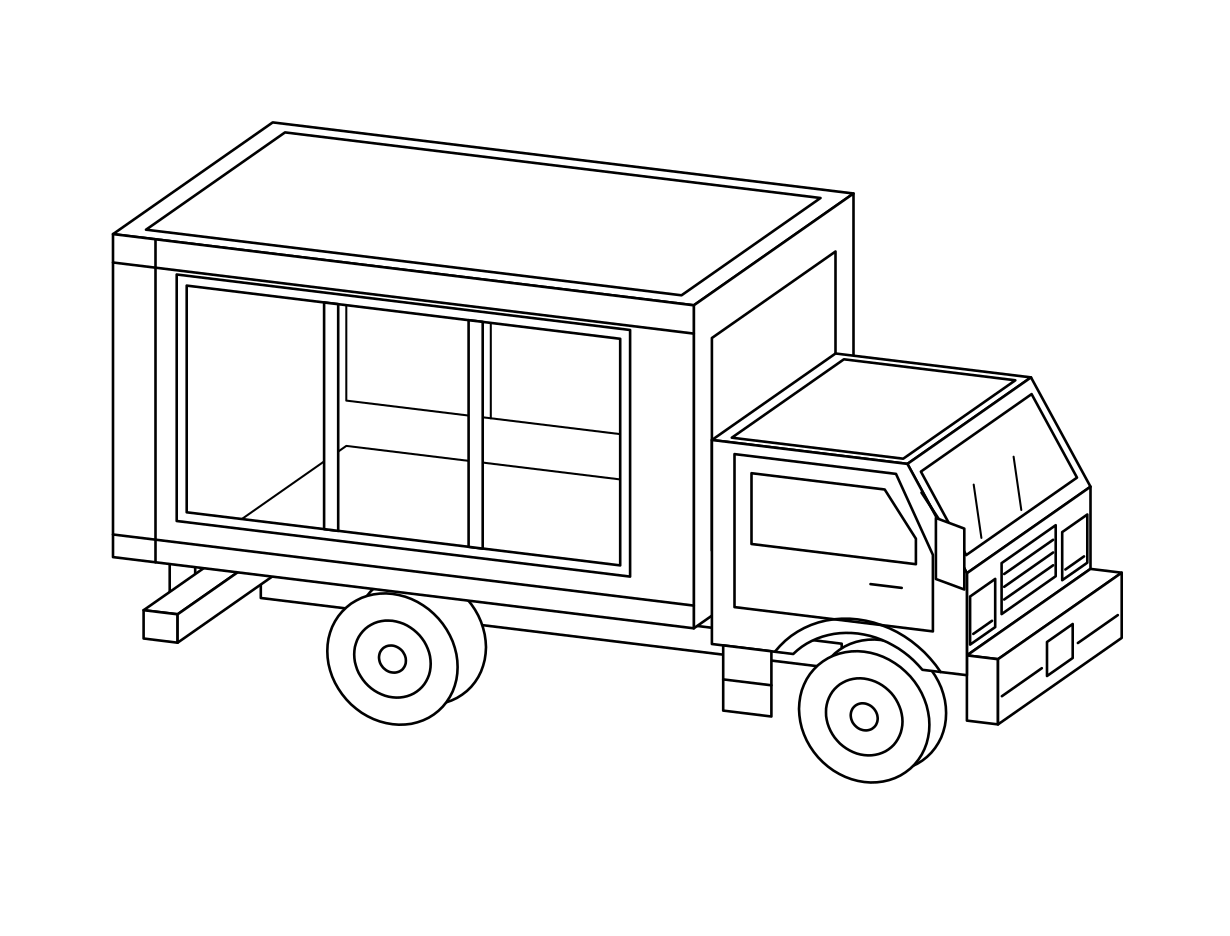
A food truck has all of this. A glass truck with a custom interior can be fitted with it. A cart or tuk tuk handles cold beverage sampling with a built-in fridge and little else. The branded food trucks page covers the units with full kitchens.
Portion Sizes and Presentation
The sample is a trial, not a meal. One to two ounces of a beverage in a branded cup. One bite of a snack in a cup or on a pick. One tasting of a sauce on a cracker. A full serving spends the product, slows the line and makes the person full rather than curious.
Three presentation rules. The full-size product sits on the counter, visible, so the person knows what to look for on the shelf. The sample is served the way the product is meant to be consumed: cold if it is sold cold, over ice if the can says so, with the garnish if the brand photographs it with one. And the hand-off comes with a reason to buy: a coupon, a retailer name, a QR to the store locator.
Covered portions, single-use serviceware, tongs or gloves for anything touched, and a sneeze guard or a service window between the product and the crowd. Most inspectors will not let an open tray of samples stand on a table in the sun, and they are right.
Allergen Copy
The nine major US allergens (milk, eggs, fish, shellfish, tree nuts, peanuts, wheat, soy and sesame) have to be disclosed for anything sampled, in print, where the person can read it before they take the sample. On a vehicle that means a sign at the service window listing the allergens in each sample, the ingredient list available on request, and crew trained to answer the question rather than guess.
Cross-contact matters as much as ingredients. A nut-free snack sampled next to a nut-based one with shared tongs is not nut-free. Separate serviceware, separate prep, and a crew that knows why.
Allergen copy is also brand copy. Clean labels, dietary flags (vegan, gluten-free, keto) and certifications are reasons people try a product. Put them on the vehicle at the same size as the logo.
Alcohol Sampling
Alcohol is a separate conversation in every city. The sample size is capped by state law (commonly one to two ounces of beer or wine, a quarter to half ounce of spirits), the server has to be licensed or certified, the location has to be licensed or covered by a temporary permit, and in many states the brand cannot be the one pouring. The practical route is a licensed partner (a bar, a caterer, a venue) that holds the permit and employs the servers, with the brand’s vehicle as the stage.
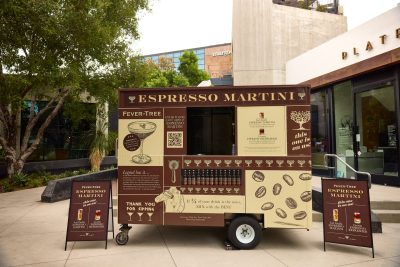
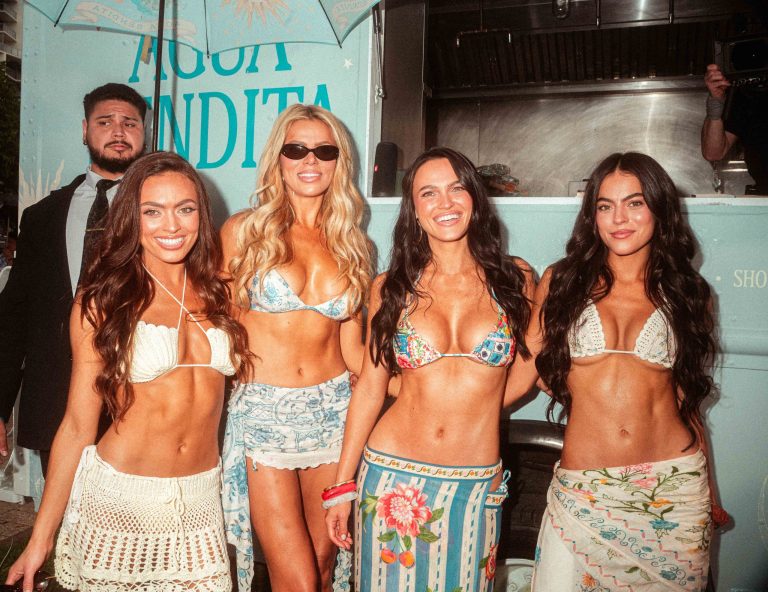
Non-alcoholic versions of cocktail brands, mixers and zero-proof products sample under food rules, which is one reason mixer brands lean into sampling. Fever-Tree’s espresso martini bar sampled the mixer with the spirit poured by a licensed partner, which is how the format works in practice. Our mobile bar events guide covers the bar formats.
The highest-conversion food sampling format is not a festival. It is a branded truck in the parking lot of the retailer that stocks the product, on launch week, with a coupon redeemable inside.
The mechanics: the property owner’s agreement replaces the city permit (two to three weeks instead of six to eight), the county health permit covers the unit, the truck parks within sight of the door, every sample goes out with a store-specific coupon or QR, and the retailer knows it is happening. Over the following four weeks, the brand reads redemption and velocity lift in the activated stores against a control set, in the retailer’s own data. That number is the sell-in argument for the next end cap and the next region.
It also solves the problem the in-store demo program cannot: the demo table only reaches people already in the store. The truck brings people to the door. Our in-store sampling comparison covers the two formats side by side.
What Food and Beverage Sampling Costs
Ranges for one activation day in a major US market on an owned vehicle, including the vehicle, permits, health compliance, staffing and reporting; the brand supplies the product.
| Format | Typical cost | Lead time |
|---|
| Cold beverage cart or tuk tuk, one day | $40,000 to $75,000 | 6 weeks (2 to 3 on private property) |
| Food truck with full kitchen, one to two days | $70,000 to $150,000 | 6 to 8 weeks |
| Glass truck tasting bar with custom interior | $100,000 to $200,000 | 8 to 10 weeks |
| Retailer parking lot program (three stores, one week) | $90,000 to $180,000 | 3 to 4 weeks |
| Multi-city CPG tour (four cities, one build) | $250,000 and up | 12 weeks |
The lines that move the number: refrigeration and freezer capacity, a licensed alcohol partner, product shipping and cold storage between stops, and the number of cities. Product sampling ideas has 25 formats with costs across industries.
Case Study: Fever-Tree Espresso Martini Bar and Spindrift Greetings From Paradise