A mobile retail store gives brands something a lease never will: the ability to sell, sample, and showcase wherever their customers already are. But “mobile retail” covers two formats that get confused constantly, the pop-up store and the mobile showroom, and choosing the wrong one is how brands end up with a beautiful vehicle that doesn’t move the metric they actually care about.
The two formats share DNA. Both are built on a vehicle, wrapped in the brand, and parked where foot traffic lives. The difference is intent: one is built to transact, the other to demonstrate. This guide defines each, compares them side by side, and shows how retail brands decide, including how Nespresso used one national tour to do both.
Key Insights
- Pop-up stores are built to transact: They compress a retail experience into a vehicle, with merchandising, limited drops, and a checkout moment designed to convert on the spot.
- Mobile showrooms are built to demonstrate: They put products in customers’ hands through displays, demos, and consultations, and the conversion often happens later, in-store or online.
- The formats answer different questions: A pop-up store answers “will people buy this here and now,” while a showroom answers “do people understand and want this product.”
- Mobile beats static on reach: Either format can run a multi-city route, follow seasonal foot traffic, or park outside retail partners, which a leased pop-up space can’t do.
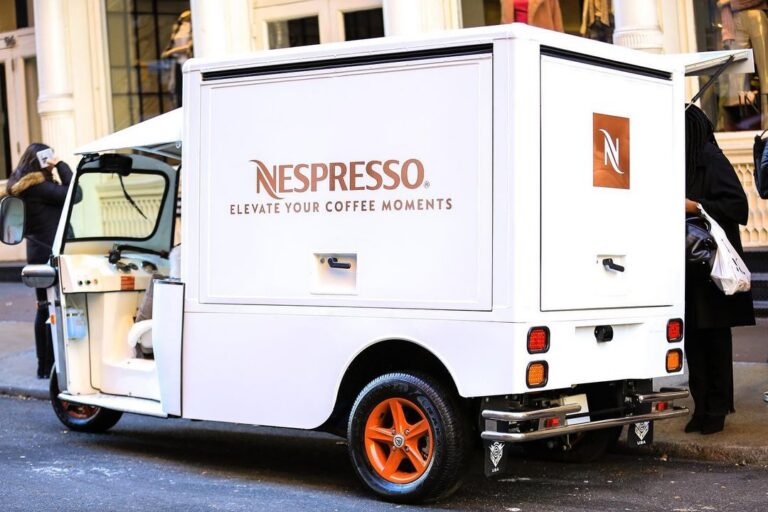
- The best campaigns blend both: Formats like Nespresso’s tour pair a showroom’s product education with a pop-up’s live sampling and store traffic, in one build.
What Is Mobile Retail?
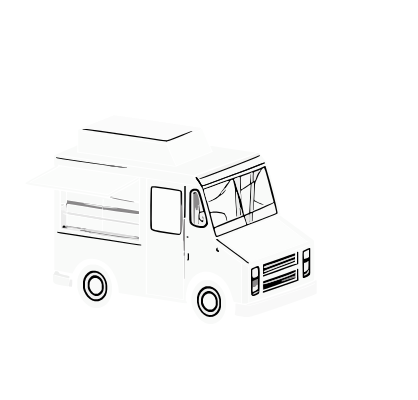
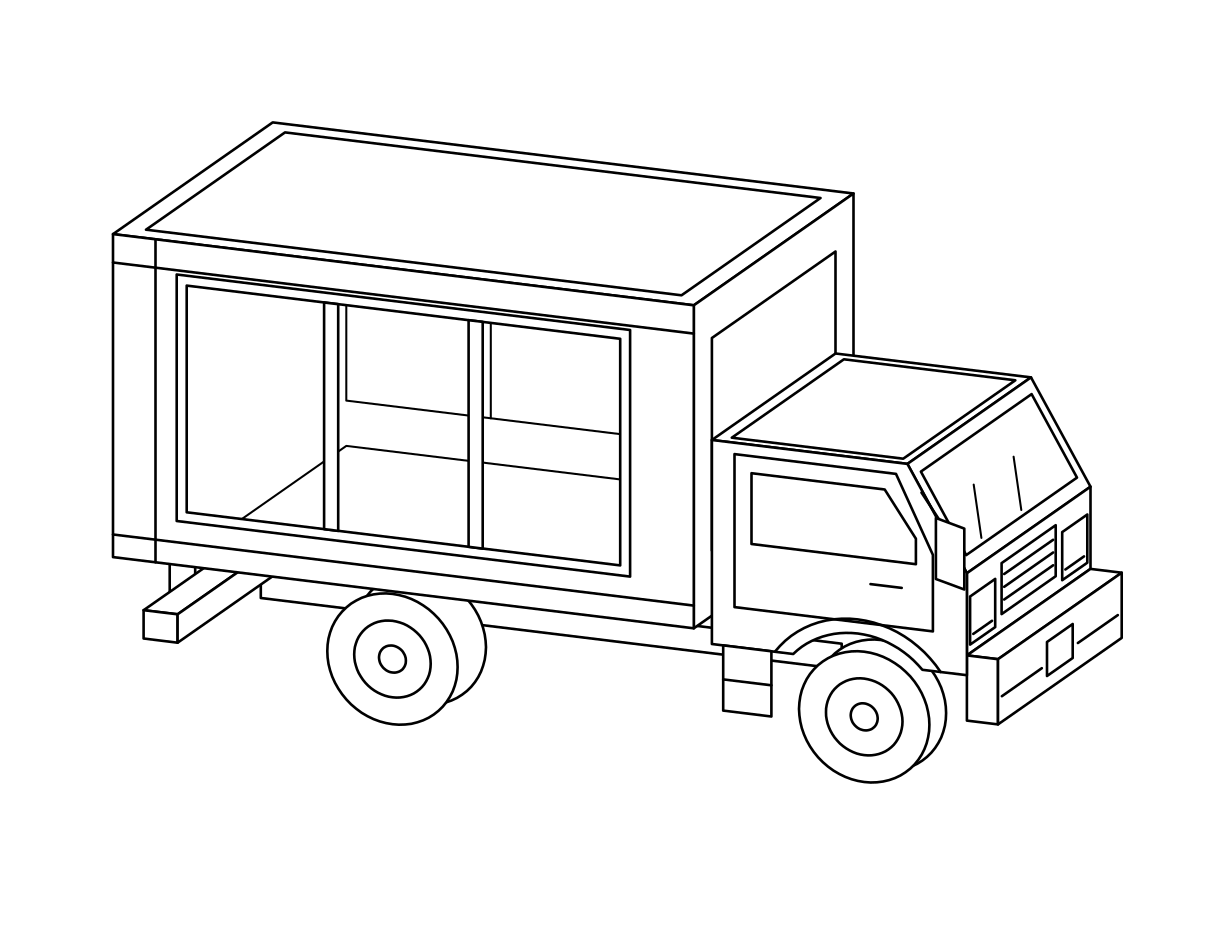
A mobile retail store is a vehicle, such as a truck, bus, trailer, or glass truck, that has been designed and built out as a temporary retail environment, letting a brand sell or showcase products directly to consumers wherever it parks. Mobile retail spans two main formats: the pop-up store, which sells on site, and the mobile showroom, which displays and demonstrates. Both fall under the wider umbrella of the mobile pop-up shop.
The format has grown alongside a real shift in how brands go to market: DTC brands going offline to meet customers in person, established retailers testing new markets without committing to leases, and product brands wanting launches people can touch.
What Is a Pop-Up Store?
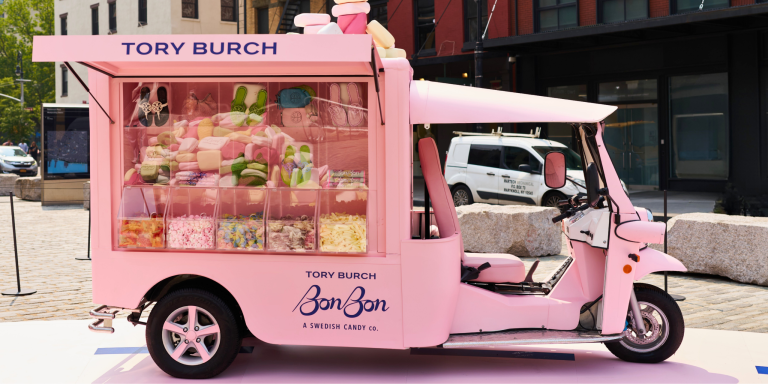
A pop-up store is a temporary retail space built to sell, and the mobile version puts that store on wheels. It carries inventory, merchandises it like a boutique, and closes the sale on the spot.
What a Pop-Up Store Does Best
Pop-up stores excel at limited drops, seasonal collections, and launch-day sales where scarcity and immediacy do the marketing for you. They give DTC brands a low-commitment way to test physical retail, and they generate direct, attributable revenue: units sold out of the truck are the cleanest metric in experiential marketing.
Where It Falls Short
A vehicle has finite inventory space, so a pop-up store suits focused assortments rather than full catalogs. And because the experience is oriented around the transaction, it offers less room for the education and consultation that considered purchases need.
What Is a Mobile Showroom?
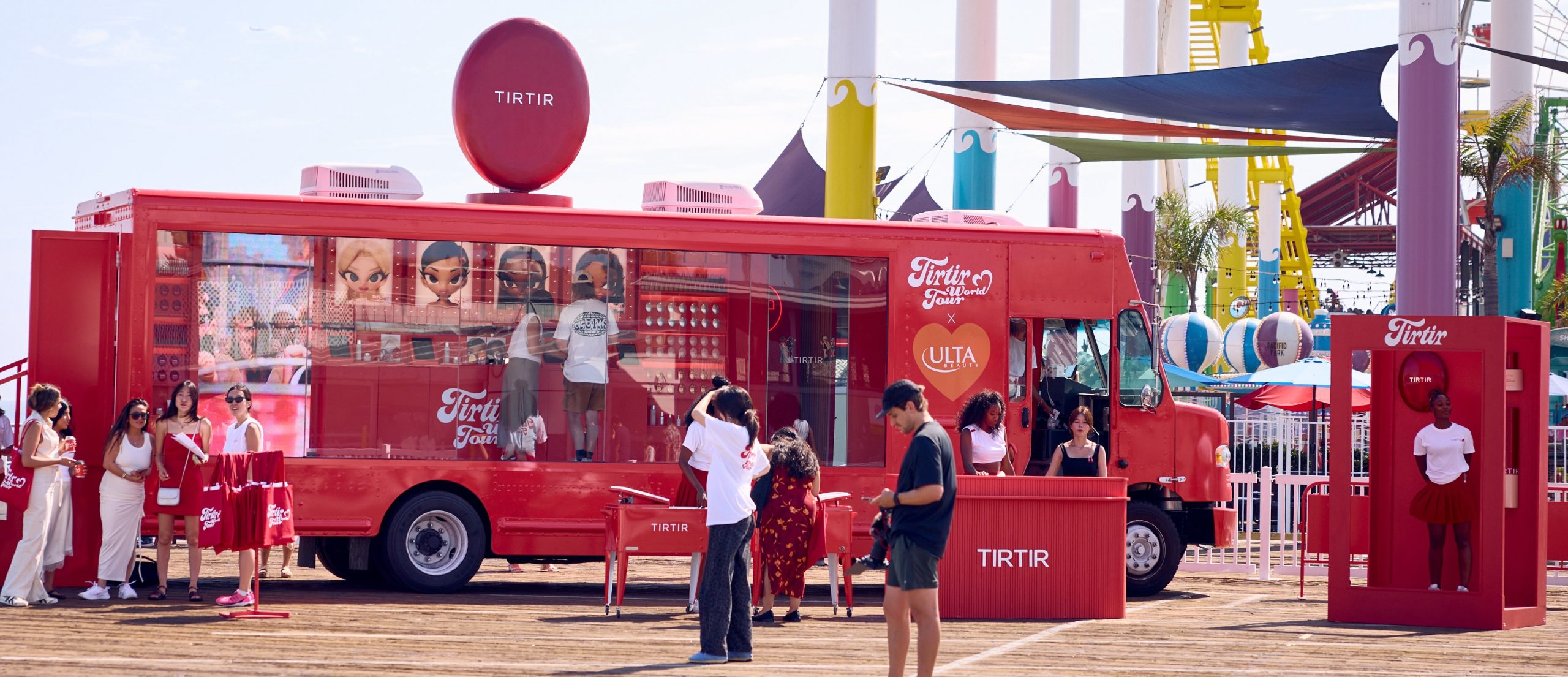
A mobile showroom is a vehicle built out as a display and demonstration space rather than a sales floor. Think of it as your best retail display, traveling. Our mobile showroom builds are designed around hands-on interaction: demo stations, product displays, consultations, and space to linger.
What a Mobile Showroom Does Best
Showrooms shine when the product needs explaining, trying, or experiencing: appliances, beauty routines, tech, furniture, fashion. They support consultations and sampling, capture leads for follow-up, and drive customers into nearby retail locations, which is why brands often park them directly outside their own stores or retail partners. Luxury brands use them too; Miu Miu turned one of our vehicles into a traveling luxury showroom that brought the brand to the street without discounting a thing.
Where It Falls Short
A showroom rarely produces same-day revenue you can point to, so it demands clearer measurement planning up front: lead capture, promo codes, and store-traffic tracking. Without those, a great showroom can look like a cost center even when it’s building the pipeline.
Pop-Up Store vs. Mobile Showroom: The Key Differences
Here’s the comparison at a glance, then the differences that matter most in practice.
| | Pop-Up Store | Mobile Showroom |
|---|
| Primary goal | Sell on site | Demonstrate and educate |
| The experience | Browse, buy, take home | Touch, try, learn, follow up |
| Merchandising | Inventory-forward, priced, ready to sell | Display-forward, demo stations, consultations |
| Conversion point | At the vehicle | In-store, online, or after follow-up |
| Best measurement | Units and revenue per stop | Leads, demos, store traffic, promo redemptions |
| Best for | Drops, launches, DTC offline tests | Considered purchases, launches needing education, retail support |
Goal and Intent
The pop-up store treats the vehicle as a point of sale. The showroom treats it as the top of a funnel that ends somewhere else. Decide which conversion you’re engineering before the build, because it changes everything downstream.
Merchandising and Build
A pop-up store’s interior works like a boutique: shelving stocked with sellable inventory, clear pricing, and a checkout counter. A showroom’s interior works like a stage: fewer products, displayed generously, with room for a customer and a brand ambassador to interact. The build-out, from shelving depth to lighting to floor space, follows the choice.
Reach and Route
Both formats share mobile retail’s biggest advantage over static pop-ups: the route. A single build can run a multi-city tour, chase seasonal foot traffic, or park outside retail partners on launch week. The vehicle you choose sets the footprint, from a glass truck that turns the whole showroom into a window display to a bus with room for full consultations.
Which Is Best for Your Retail Brand?
There’s no universal winner; there’s a right format per goal. The fastest way to decide is to name the one metric the campaign must move.
Choose a pop-up store if the goal is launch-day sales, moving a limited drop, testing whether a market will buy, or giving a DTC brand its first physical retail reps. Choose a mobile showroom if the goal is educating customers on a new product, supporting retail partners with foot traffic, or giving a considered purchase the demonstration it needs. And if the campaign needs both, build a hybrid from day one, which is exactly what Nespresso did.