Customers Buy on the Spot
A pop-up shop is retail, not sampling. Guests browse, choose, and pay at the vehicle, which closes the gap between wanting your product and owning it. Nothing gets deferred to a website they might get around to later.
Services
A mobile pop-up shop is a branded retail space built into a vehicle, so your store travels to your customers instead of waiting on them. We design it, build it, place it, staff it, and run it, from the wrap to the last sale.
Experiential marketing partner for top brands:






A pop-up shop is retail, not sampling. Guests browse, choose, and pay at the vehicle, which closes the gap between wanting your product and owning it. Nothing gets deferred to a website they might get around to later.
With no lease, where you sell becomes a choice you make per campaign. Park outside your own boutique, at a retail partner’s front door, or on the street your customer already shops, then move when the campaign calls for it.
A mobile shop proves a city, a neighborhood, or an entire retail concept with nothing signed. You learn what sells and who turns up before anyone negotiates a five-year term on a storefront.
The same vehicle, a different goal. A showroom is built to demo and educate rather than transact, which suits considered purchases where the sale closes later, in store or online.
The reason someone approaches a brand they were not shopping for. Pair a coffee or ice cream service with the shop and a line forms before the merchandising has to work at all.
Q4 is retail’s deepest window, and a seasonal build earns placements the rest of the year cannot. Themed fabrication and prime December locations both need eight to twelve weeks.
One shop, many cities. Touring compounds the build across every stop, so a single retail concept becomes a national campaign without a second fabrication bill.
Put the shop inside a crowd that already assembled. Festivals, parades, and conferences hand you the foot traffic, so the vehicle only has to convert it.
For when the placement is the idea. An unexpected corner turns a retail activation into something people photograph first and shop second, which is where the reach comes from.
Retail asks questions sampling never does. What are you selling, how much of it, and what does someone leave holding? We shape the assortment, the merchandising, and the reason to buy today, whether that is a limited drop, a collection launch, or a product sold at one address only.
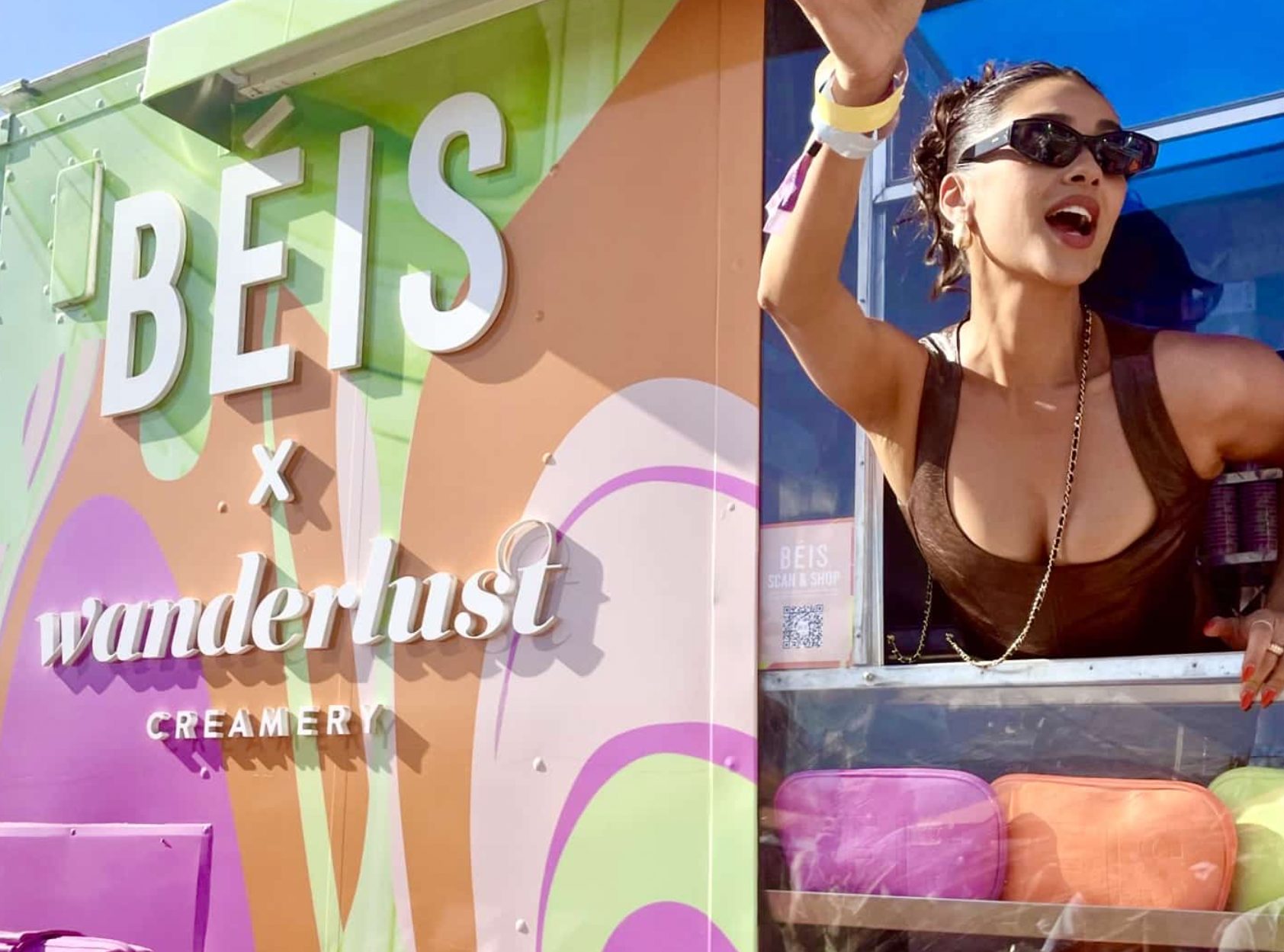
For a pop-up shop, the corner is the campaign. We look for proximity to purchase first: your own boutique, a retail partner’s front door, or a street your customer already shops. We hold a large inventory of parking and placement options, and we lock the spot before anything gets built.
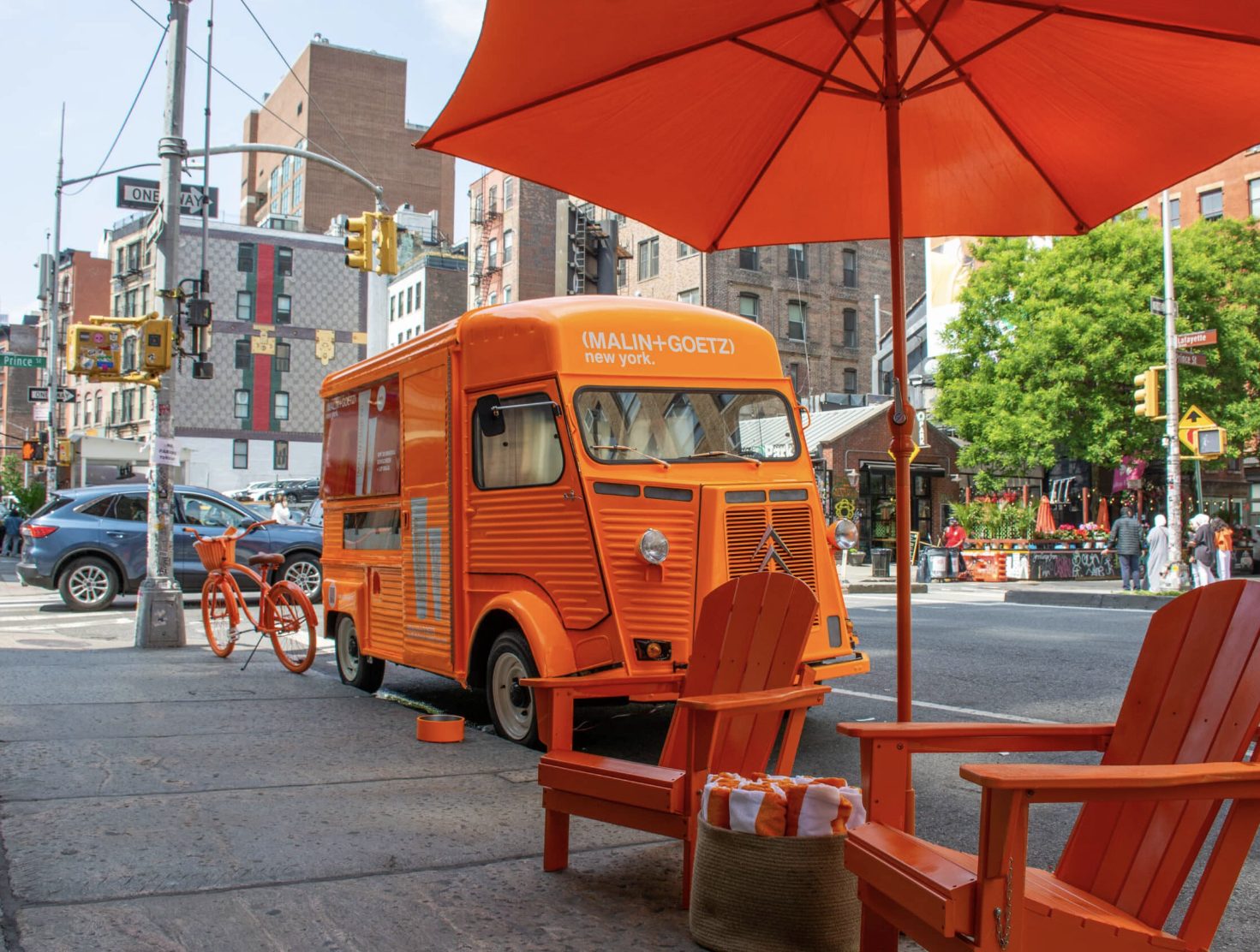
A shop has to work as a shop. We build the display, lighting, shelving, stock storage, and checkout into the vehicle, then wrap it so the collection reads from across the street. Glass trucks earn their place here, because the product becomes the display before anyone reaches the door.
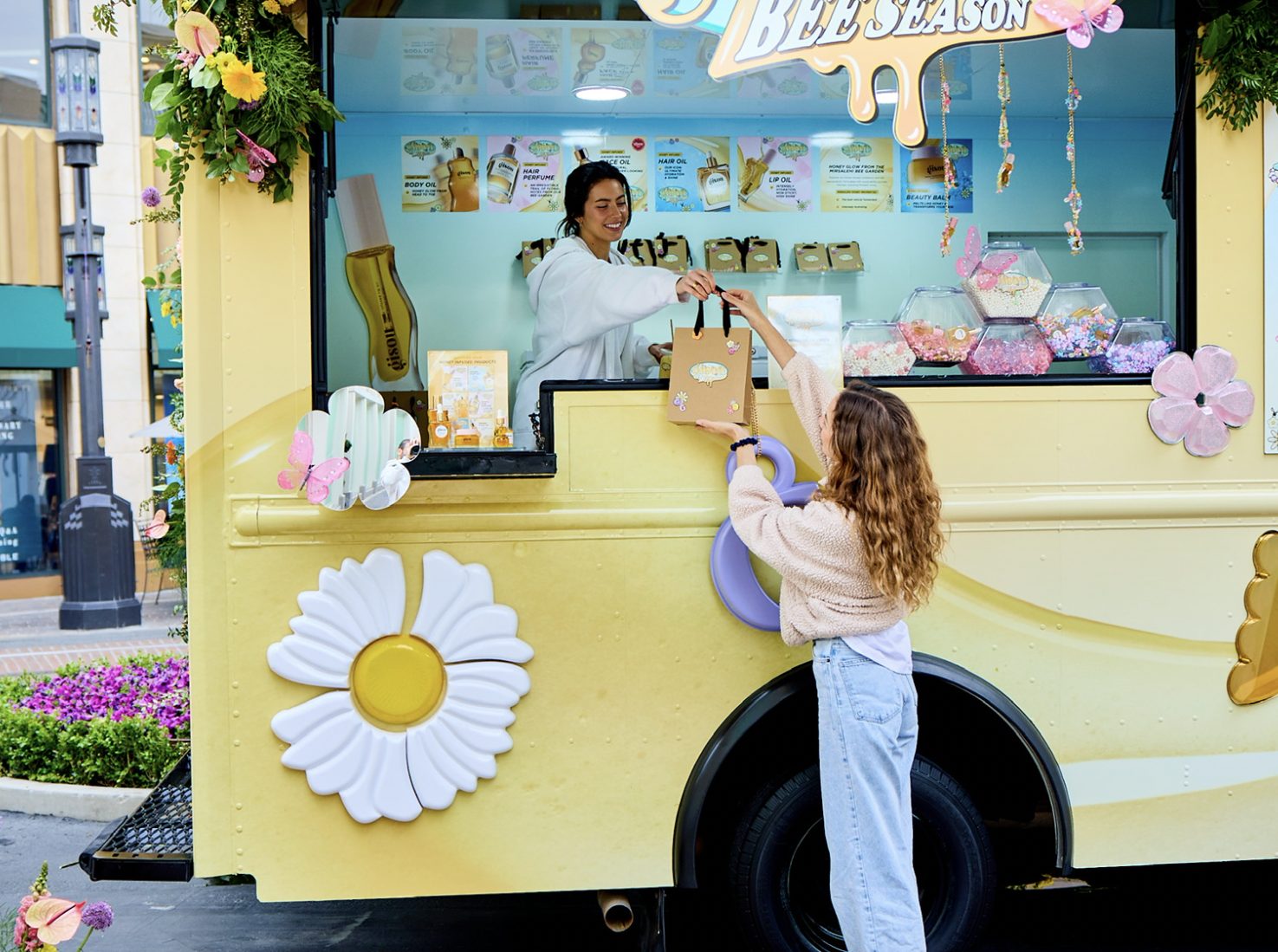
Selling on a sidewalk is a logistics problem. We staff with people who can talk product and close, keep inventory moving and restocked through the day, and run the transactions. Where the product allows it, personalizing on site turns a purchase into something nobody else owns.
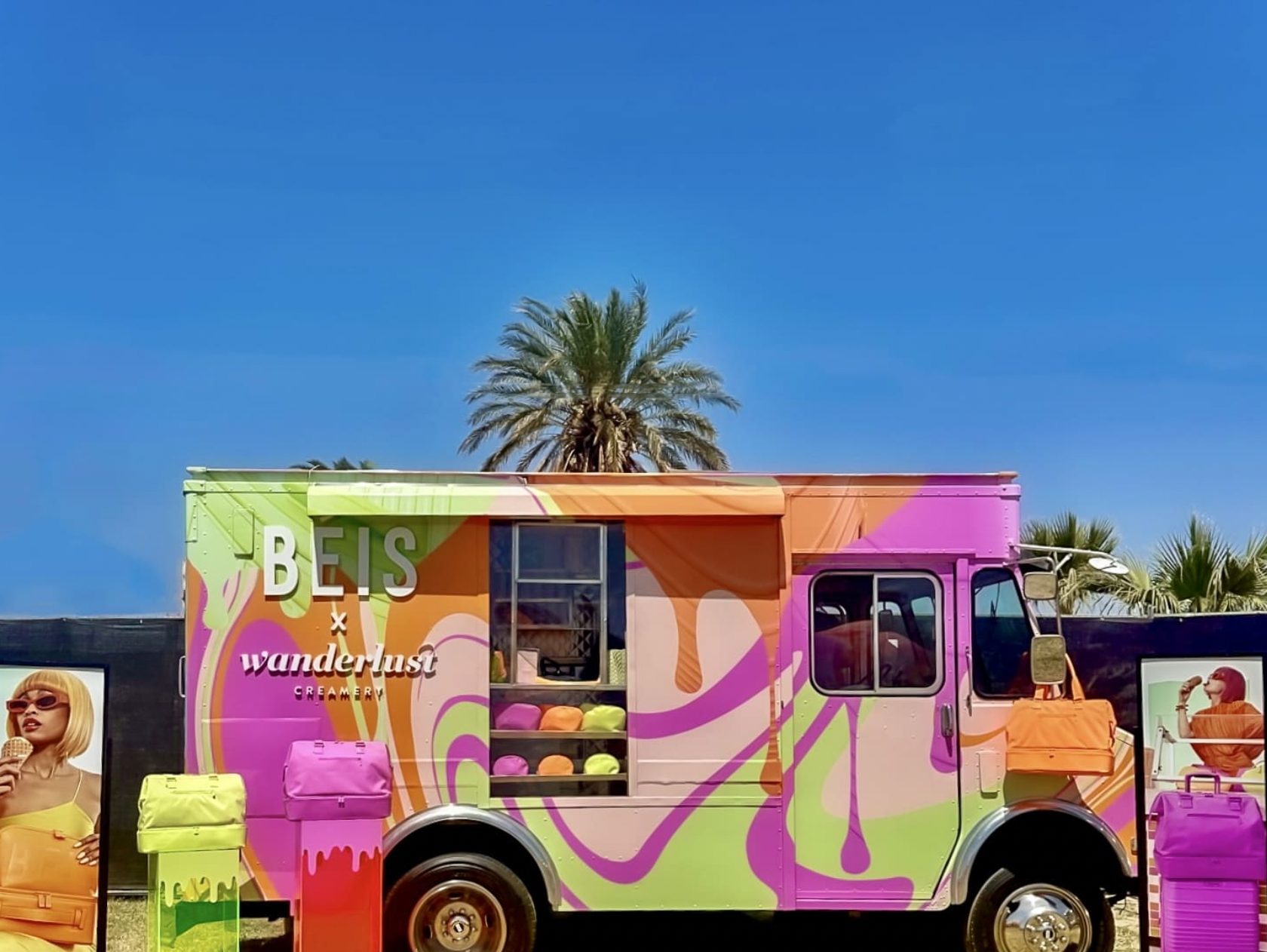
A mobile pop-up shop is a branded retail space built into a vehicle such as a truck, glass truck, Airstream, or cart. Customers browse and buy at the vehicle, and because the store travels, the location becomes a decision you make per campaign rather than a lease.
A shop sells, a showroom demos. Pop-up shops carry stock and run transactions on site, so success is units moved. Showrooms are built to educate and drive traffic into a store or online, so the sale closes later and success is leads and store visits.
Yes, and that is the point of the format. We build checkout and stock storage into the vehicle, so guests browse, choose, and pay without leaving the curb. Brands run limited drops, full collections, and single-product launches this way, closing the sale while the interest is still live.
Glass trucks when the product is the display and should read from across the street. Airstreams and box trucks when guests need to walk in and browse. Vintage Citroens, E-Tuks, and carts when the corner is tight or the brand needs charm over square footage.
Beside the purchase wherever possible: outside your own boutique, at a retail partner’s front door, or on a street your customer already shops. The alternative is somewhere your audience gathers for another reason, like an event or a campus, where the crowd is assembled and the shop converts it.
Six to eight weeks for a straightforward build. Peak summer dates go two to three months out, and holiday activations need eight to twelve weeks because themed fabrication and prime December locations compete for the same calendar. Permits and fabrication are the two clocks you cannot compress.
Yes, and requirements vary by city and venue. We handle it. In New York, for instance, street vending permits are capped, so retail activations there typically run on private property or under event permits, which is a different process entirely and one reason brands use an agency.
We build stock storage into the vehicle and restock through the day so the shelf never empties at peak. Staffing is brand ambassadors briefed on the product, not just the transaction, because on a sidewalk the person at the counter is the only salesperson your brand has.
Pick one primary metric before launch, usually units sold, then track interactions, conversion rate, and social reach against it. Build a capture mechanism into whatever guests carry away, like a code that exists only at the vehicle, so street traffic connects to a reportable result.
No. We own and maintain the fleet, then design and fabricate the build for your campaign, which removes storage, insurance, and maintenance entirely. It also means you can choose a different format next time rather than owning one vehicle and fitting every idea into it.