How the Best Brands Win at Fashion Marketing in 2026
Fashion marketing has never been more crowded, more expensive, or more dependent on getting a real person to stop and pay attention. The feed…
Read moreBy: Benjamin Goldberg • • 11 min read
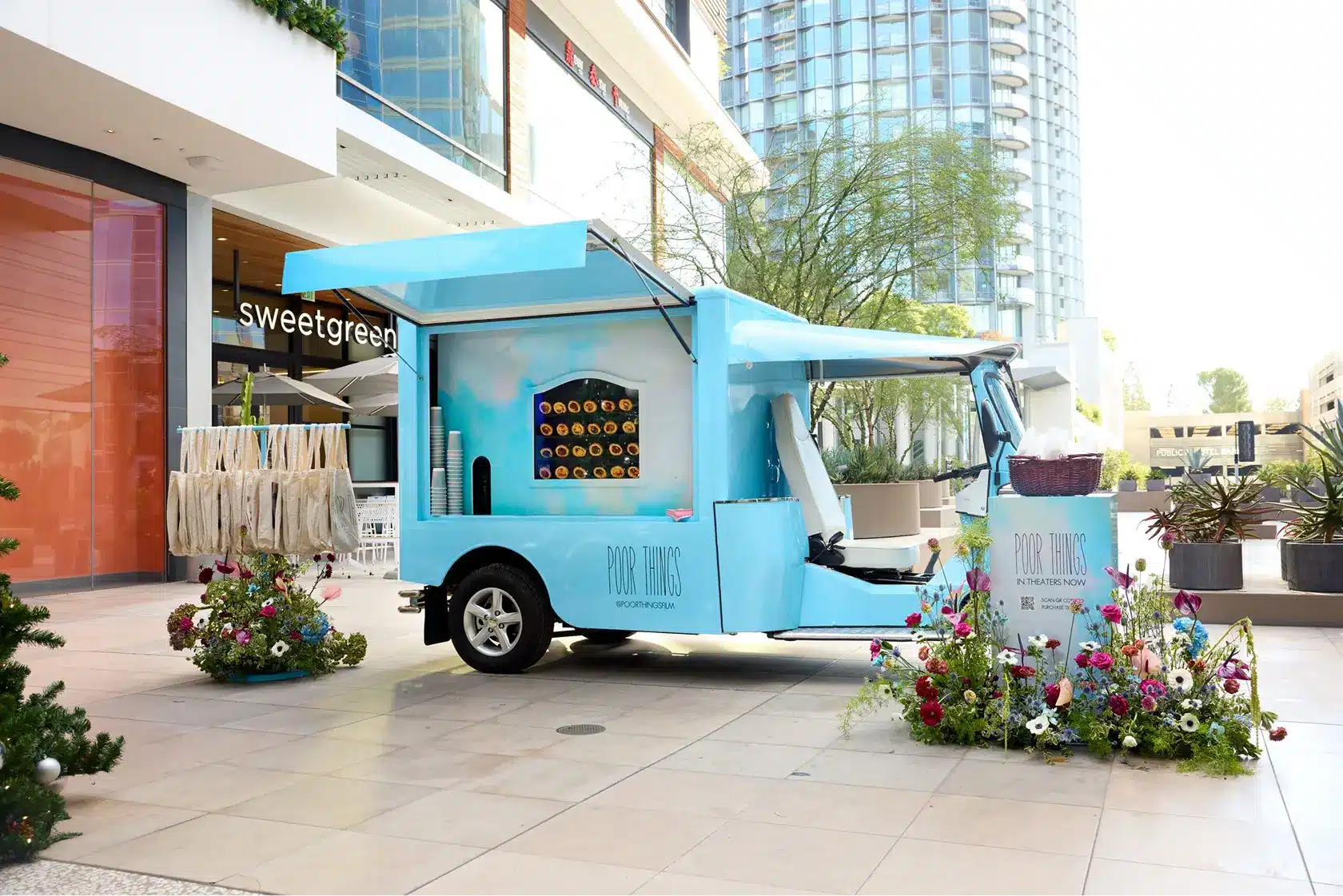
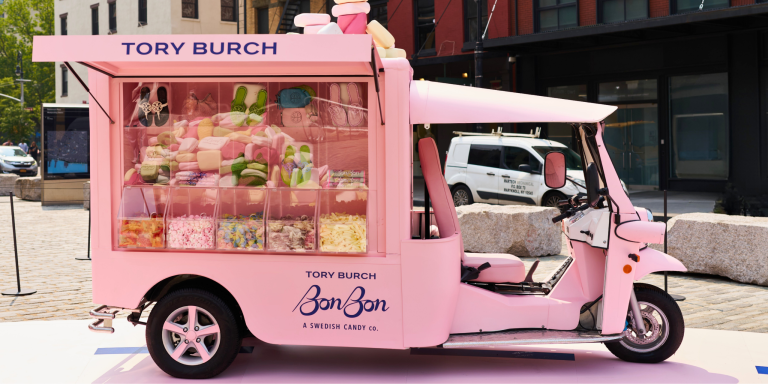
Mobile marketing vehicles put your brand in motion, bringing it directly to customers in high-traffic zones, event hotspots, and neighborhood corners instead of waiting for people to find a fixed storefront. From classic food trucks and colorful tuk tuks to sleek Airstream vans and transparent glass trucks, these roving billboards turn heads where audiences already are. Whether you are promoting a new product, launching a seasonal activation, or building community buzz, they redefine experiential engagement while keeping budgets lean.
That visibility is exactly why the format works. Out-of-home advertising is noticed by nearly nine in ten adults, and roughly 80% of those who notice it are inspired to take action, according to the Out of Home Advertising Association of America. A mobile marketing vehicle takes that noticeability and adds something a billboard never can: a live experience people can step into. Here are the six big benefits, the vehicle types, and how to measure the results.
Mobile marketing vehicles are customized trucks, vans, carts, or trailers designed to showcase a product, service, or brand experience directly to an audience. Unlike static billboards or digital ads, they bring the brand to life in tangible, interactive ways, traveling to where customers already are and inviting them to touch, taste, and engage in person. They double as a branded vehicle and an experiential marketing platform in one, redefining engagement while keeping budgets lean.
Here are the key benefits of launching a mobile marketing vehicle activations.
Custom mobile marketing vehicles offer a rare advantage: freedom of movement. You are no longer tied to a fixed storefront or a generic ad placement. Instead, your promotional hub travels directly to your audience’s turf. A food cart parked outside an office park targets busy professionals during the lunch rush, a brightly branded tuk tuk cruising through urban districts catches the eye of young, social-media-savvy residents, and a glass truck staged outside a music festival instantly connects the brand with the energy of that crowd. Adapting your route and setup to specific demographics, events, or neighborhoods makes mobile vehicles ideal for hyper-local outreach across your target locations.
Picture your message wrapped around a shiny Airstream van or popping on a neon-lit food truck, making a bold, colorful, unforgettable impression. Mobile marketing vehicles offer a huge surface area and the creative freedom to turn heads on the street and in social feeds, and unlike static billboards or digital banners, these moving canvases demand attention. Bold graphics catch the eye, unique formats like glass trucks or vintage vehicles showcase live demos and behind-the-scenes peeks, and photogenic designs encourage organic sharing. Your brand does not just advertise, it travels, entertains, and engages.
Mobile marketing vehicles are not just for passive viewing, they are gateways to interactive experiences. Whether you are serving coffee samples from a vintage trailer or hosting a VR station inside a tricked-out truck, the medium invites curiosity and exploration. Think of mobile units as mobile showrooms that bring a brand to life through experiences customers can touch, taste, hear, and see, right in their own communities. They make pop-up product demos, sampling stations, and mini activations like contests and loyalty sign-ups possible, turning everyday city corners into brand playgrounds with very real returns.
Unlike traditional advertising, custom marketing vehicles let brands talk directly with real people, and that face-to-face engagement delivers insights a one-dimensional ad cannot. With the right setup, you can gather customer preferences through surveys or QR code prompts, collect email sign-ups and social followers for long-term engagement, and hear firsthand what customers like, want, and expect. When you invest in a mobile marketing vehicle, your team gets immediate feedback on your messaging and branding, a goldmine for shaping future campaigns with real-world input, not just analytics.
Mobile marketing vehicles pack a major punch without draining an ad budget. Unlike fixed retail builds or expensive media buys, these campaigns scale based on vehicle type, route plan, and staffing. A small food cart or tuk tuk offers charm and nimbleness for grassroots outreach, a branded Airstream or box truck supports more elaborate activations with display space and team coverage, and short-term leases let you experiment without long-term commitments. That makes the format especially appealing for emerging brands, startups, and seasonal campaigns: you are not investing in a permanent retail footprint, you activate wherever impact is highest, with total budget control.
Mobile marketing vehicles are not limited to one audience or one event. With a flexible vehicle and branding setup, you can partner with local vendors or media outlets for cross-promotional giveaways, repurpose the tour vehicle for private events, press days, or influencer meet-ups, and use the mobile presence to drive traffic to brick-and-mortar stores or online platforms. Best of all, each location offers a unique engagement angle: a rooftop ice cream tasting from a branded van works at a family fair, while that same van might host a sleek cocktail lounge at an after-hours industry mixer. The experience evolves, but the branding stays consistent and memorable.
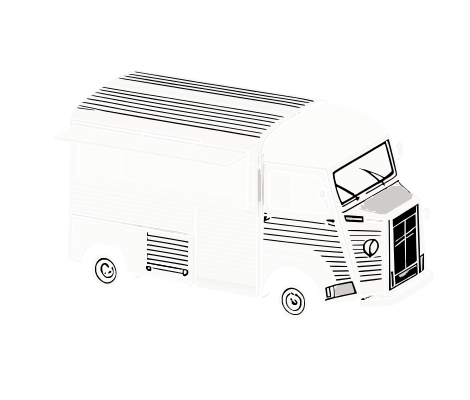
There is no one-size-fits-all option. The right experiential vehicle depends on your brand, budget, and goals. Common types include:
That is the short list. For a fuller breakdown of every vehicle and how to match one to your goal, see our complete guide to finding the right experiential marketing vehicle.
With so many formats, the right choice comes down to a few questions:
A great activation should be built to be measured. Decide on your metrics before launch, then track them on site and afterward:
Tie each metric back to your goal so you can prove the return and improve the next campaign. A mobile marketing tour makes this even more powerful, since the same build gathers data across several markets.
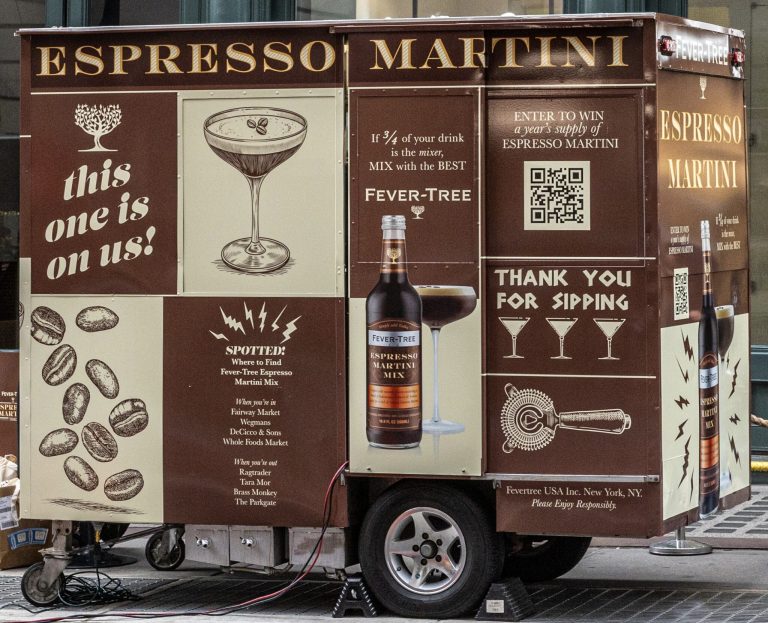
Fever-Tree’s Mixer Truck shows how measurable a mobile marketing vehicle can be. To bring its Espresso Martini range to life, the premium mixer brand worked with FTP Agency on a pop-up event in New York City, serving crafted cocktails, both a hot mocha and an iced coffee variation, that showcased the versatility of the product line.
The results tied directly back to the goal. FTP reports the activation invited over 5,100 consumers to sample the cocktails and surpassed its target by 70 percent, while more than 3,400 totes, bottles, and coupons were distributed, so guests took a piece of the experience home. Each visitor to the Fever Tree vehicle left with a full-size bottle of the mixer, a custom-branded tote, and a coupon for a future purchase.
That is the whole model in one activation: hyper-local placement, high-impact branding, hands-on sampling, and a clear, measurable outcome, exactly the six benefits above working together.
In experiential marketing, mobility equals impact, and the right mobile marketing vehicle turns a brand into an unforgettable experience. The six benefits reinforce one another: hyper-local targeting puts the brand in the right place, high-impact branding gets it noticed, built-in engagement invites interaction, direct feedback captures data, cost-effective campaigning keeps budgets lean, and versatility lets one vehicle work across events and channels. Choose the format that fits your goal, plan the logistics early, and measure everything against a clear objective. Do that, as Fever-Tree did, and a vehicle becomes far more than a moving billboard, it becomes your most memorable brand experience.
A mobile marketing vehicle is a customized truck, van, cart, or trailer built to showcase a product, service, or brand experience directly to an audience. Unlike static ads, it travels to where customers are and invites them to interact with the brand in person.
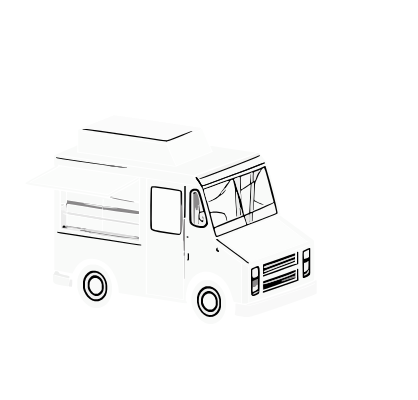
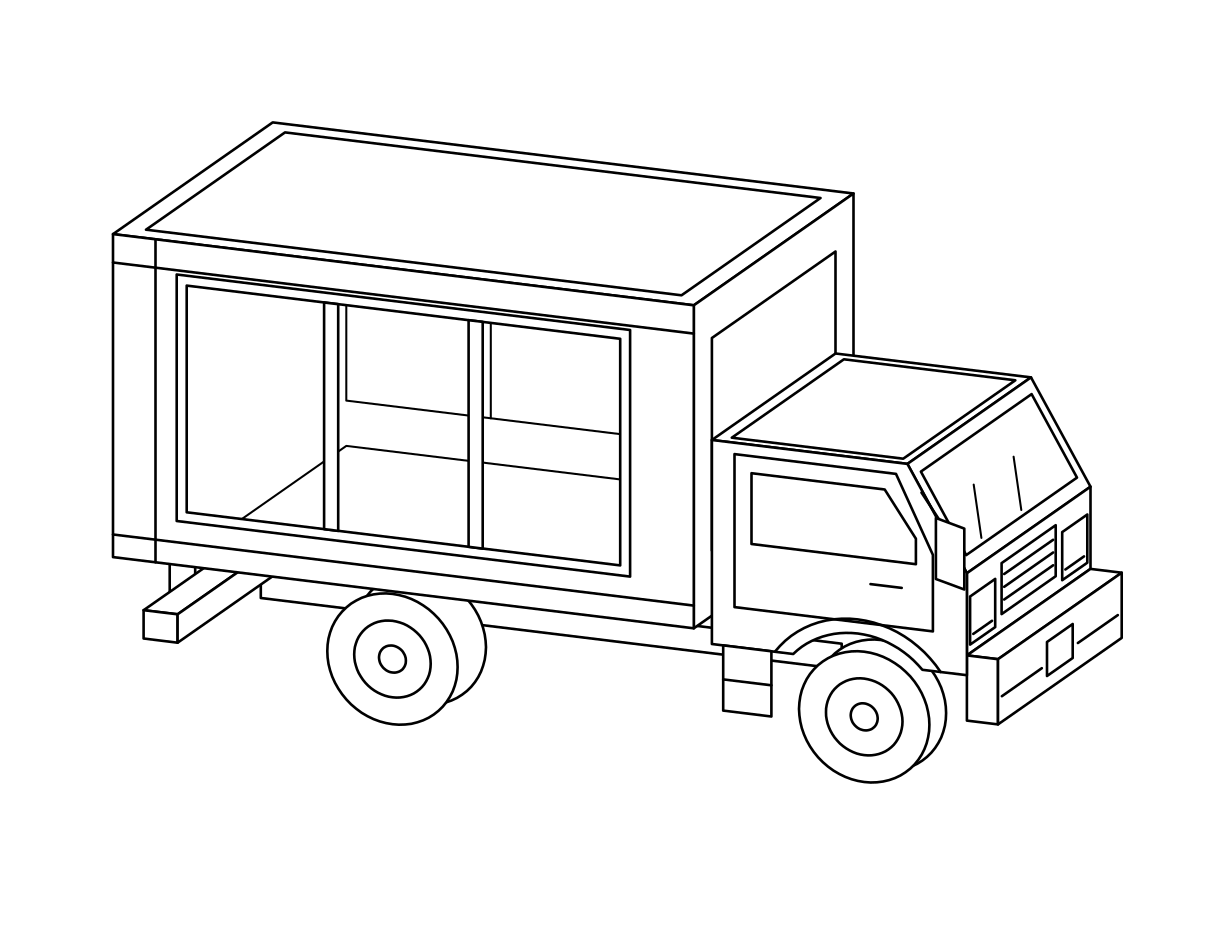
Common types include food trucks, food carts, tuk tuks, Citroens and vintage vans, Airstreams, and glass trucks. Each suits different goals, from sampling and culinary activations to premium showrooms and dramatic product reveals, so the vehicle is matched to the brand and the campaign.
A branded vehicle travels to high-traffic locations, events, or neighborhoods and acts as both a moving billboard and an interactive hub. Customers can sample products, join demos, enter contests, and share the experience on social media, which drives awareness and engagement at the same time.
The six big benefits are hyper-local targeting, high-impact visual branding, built-in experiential engagement, direct feedback and data collection, cost-effective campaigning, and versatility for cross-promotion across events and channels. Together they deliver awareness, interaction, and measurable results in one activation.
Cost scales with the vehicle type, route plan, number of markets, length of the activation, and staffing. A food cart or tuk tuk costs less than a multi-city Airstream tour. The best approach is to scope the campaign to your goal and budget with an experienced partner.
Yes. They avoid the expense of a permanent retail build or a large media buy, and they scale to your needs. Short-term leases let you experiment without a long commitment, which makes them especially appealing for startups and seasonal campaigns looking for high impact on a lean budget.
Beauty, food and beverage, fashion, tech, and lifestyle brands use them heavily, but almost any brand can benefit. The key is a product or story that becomes more compelling when customers can experience it in person rather than only seeing it in an ad.
Track foot traffic and interactions, lead capture through QR scans and sign-ups, conversions from promo codes or sales, social reach through hashtags and shares, and earned media. Set the metrics before launch and tie them to your goal, as Fever-Tree did in surpassing its target by 70 percent.
A billboard is static and one-way. A mobile marketing vehicle moves to your audience, invites interaction, and creates a live, shareable experience, which drives deeper engagement and stronger recall than passive viewing, while still delivering the noticeability that makes out-of-home advertising effective.
Define your goal, audience, and the format that fits both, then plan your route and timing. An experienced team can handle the design, fabrication, permits, and staffing. Reach out to FTP to plan your activation from concept to the final stop.

Author
CEO @ FTP Agency
Benjamin H. Goldberg is passionate about bringing brands to life on the streets. As CEO of Food Truck Promotions and co-founder of the New York and Los Angeles Food Truck Associations, he helps create unforgettable mobile experiences that blend great food, creative branding, and meaningful connections with audiences everywhere.
Fashion marketing has never been more crowded, more expensive, or more dependent on getting a real person to stop and pay attention. The feed…
Read more →
Beauty marketing lives or dies on one thing: getting the product onto an actual face, in an actual hand, in front of an actual…
Read more →
The best fashion marketing campaigns do not just look good in a case study deck, they get people to show up, try something, and…
Read more →
We use and share personal information through cookies and similar technologies on our sites to personalize your shopping experience and ads. Others may use this information for their own marketing and business purposes. . Check our Privacy Policy for more details.
Browser Opt-Out Honored
We use and share your personal information with others to personalize your shopping experience and show you targeted ads on other sites based on your interests and online activities.
Online Info includes cookies, pixel tags, and similar technologies connected to your browser or device. Offline Info includes information associated with your email address based on your other interactions with us.
We use and share your personal information with others to personalize your shopping experience and show you targeted ads on other sites based on your interests and online activities. Information includes cookies, pixel tags, and similar technologies connected to your browser or device (Online Info), as well as information associated with your email address based on your other interactions with us (Offline Info). Others may use this information for their own marketing and business purposes.
You can choose to opt out of sharing one or both types of information.