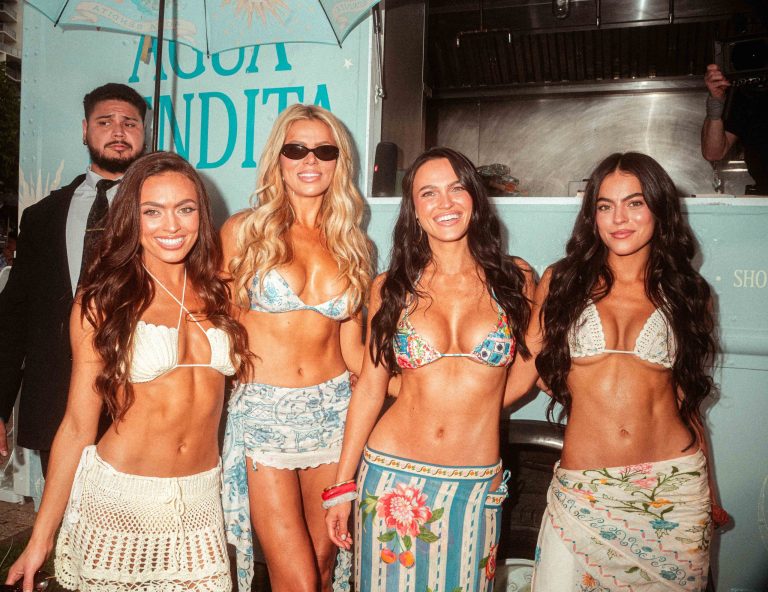
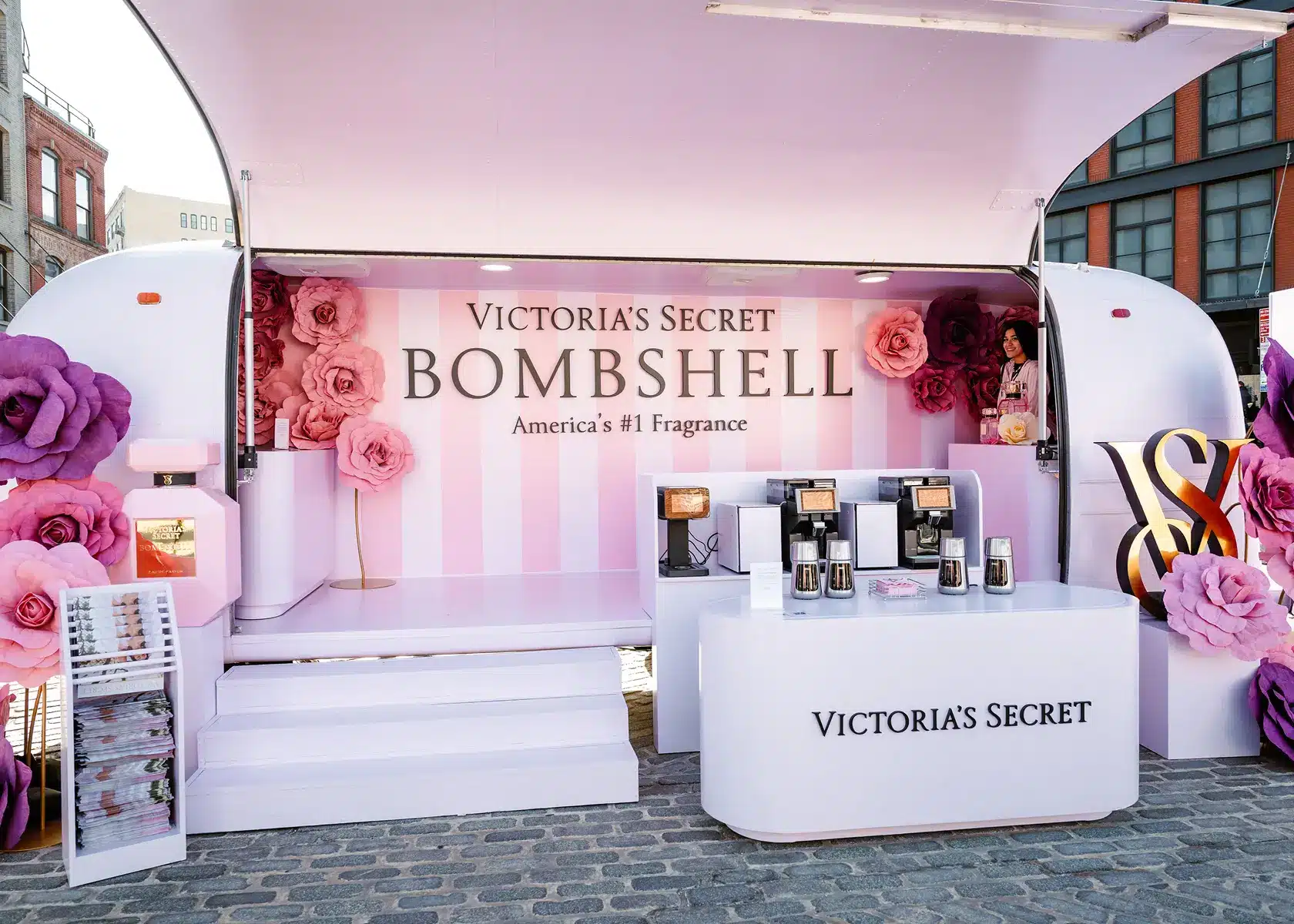
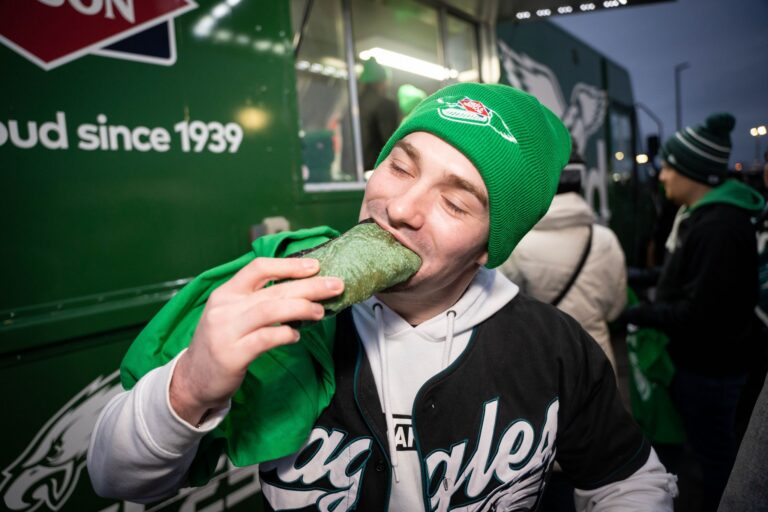
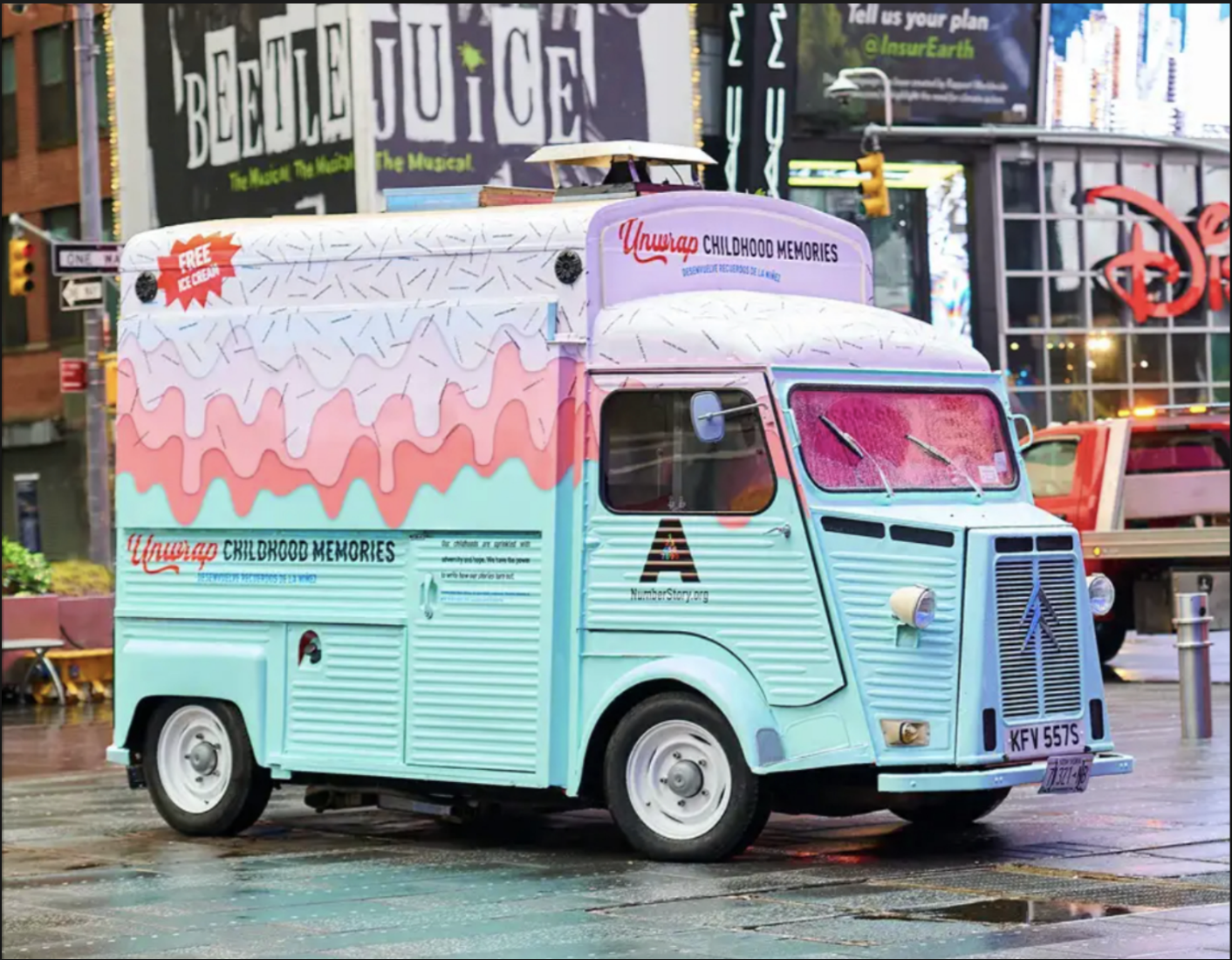
Experiential marketing trucks put your brand on wheels and drive it straight to the people you want to reach.
In a market crowded with ads people scroll past, a branded truck parked on a busy street does something a banner never can. It stops foot traffic, invites interaction, and turns a product into an experience people remember and share.
This guide breaks down the main types of experiential marketing trucks, how brands use each one, how to design yours, and a real activation we ran on the streets of Philadelphia.
Key Takeaways
- Trucks bring the brand to the audience: instead of waiting for customers to find an ad, a mobile activation meets them on the street, at events, and across whole cities.
- Each truck type fits a different goal: food trucks for sampling, glass trucks for product reveals, Airstreams for premium showrooms, and tuk tuks or carts for tight urban spaces.
- Design decides impact: audience, brand experience, route, and measurement matter as much as the vehicle you pick.
- Mobile tours multiply reach: one truck can hit dozens of neighborhoods and events in a single campaign, compounding impressions at every stop.
- Experiential is a growing channel: it now ranks among the fastest-growing offline marketing formats in the US, so the space is competitive and the creative bar is high.
What Are Experiential Marketing Trucks?
Experiential marketing trucks are branded vehicles built to deliver a hands-on brand experience in the real world. Instead of running a static ad, a company wraps and outfits a truck, cart, or trailer, then brings it to where its customers already are: city streets, festivals, sporting events, and retail districts.
The vehicle becomes a mobile stage. It can sample a product, launch a new item, hand out branded merchandise, or simply create a photogenic moment people want to post. Because it moves, one build can serve many locations, which is why brands treat it as both a media placement and a live event. You can see the full range on our experiential vehicles page.
Why Trucks Work for Experiential Marketing
A well-run campaign is only as strong as the platform that delivers it, and few platforms cut through like a custom vehicle. Trucks bypass crowded digital channels and put your brand in front of people in a setting where they are relaxed, curious, and open to engaging.
The channel is also on the rise. According to Winterberry Group data published by Statista, experiential, sponsorship, and shopper marketing rank among the fastest-growing offline marketing channels in the US. That growth is good news and a warning: more brands are investing, so the experiences that win are the ones designed with real craft. (Source: Statista.)
Whether your goal is to educate, entertain, or sell, a branded truck scales from a single high-impact stop to a coast-to-coast tour without losing the personal, in-person moment that makes experiential work.
Top Types of Experiential Marketing Trucks
Here are the vehicles brands reach for most, and the jobs each one does best.
Branded Food Trucks
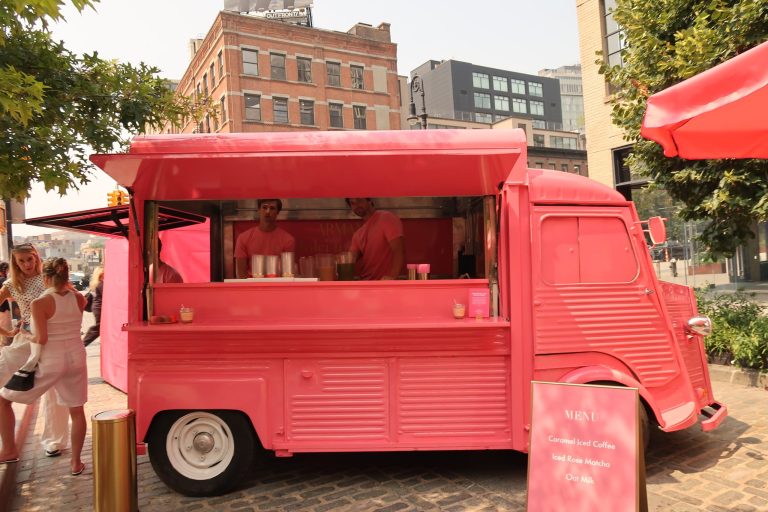
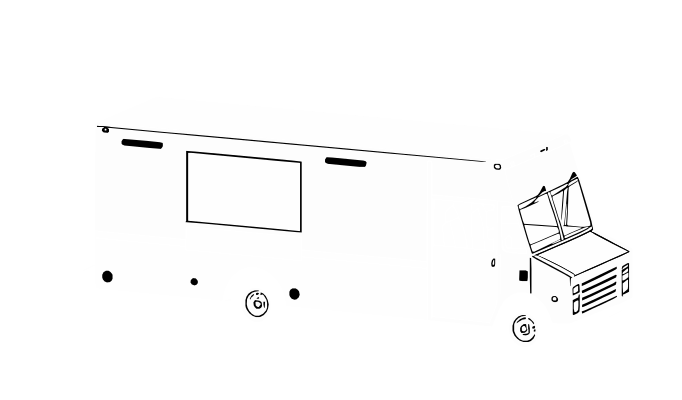
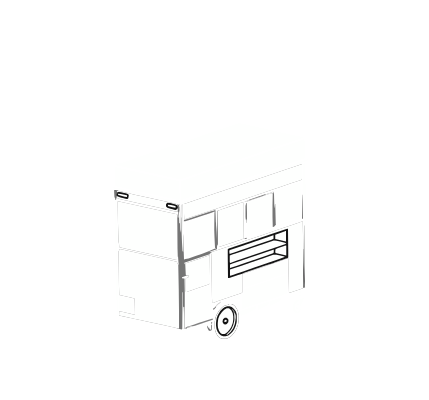
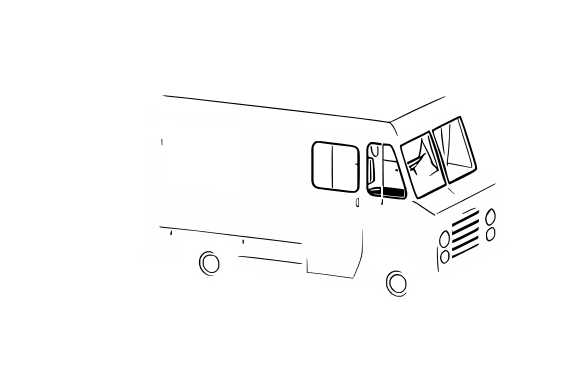
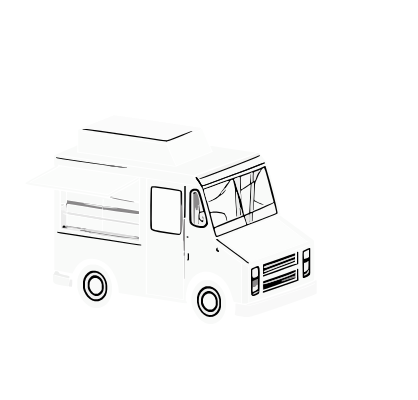
Food trucks (sometimes called box trucks) deliver a sensory-rich experience and wrap cleanly in your brand imagery. They are the workhorse of mobile activations because sampling food or drink creates an easy, memorable point of contact. Explore branded food trucks for the full setup.
- Tours and multi-stop activations: travel across a city or region to build momentum through recurring, high-energy stops.
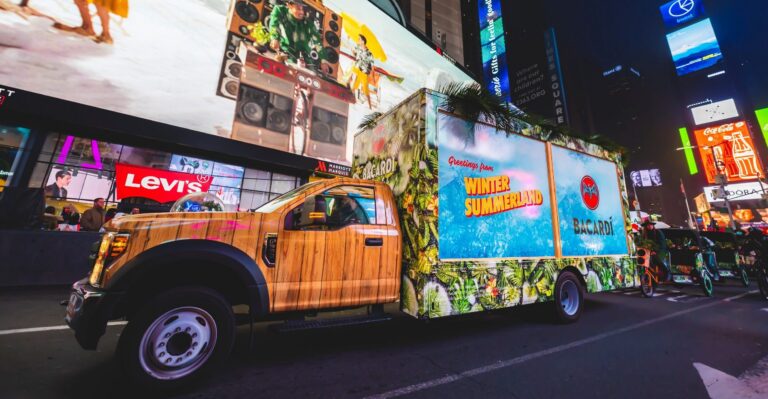
- Large-scale event marketing: roll up to festivals and games with pop-up appearances that generate buzz.
- Sampling stations: let people taste or try a product on the spot, turning a sidewalk into a brand engagement zone.
Glass Box Trucks
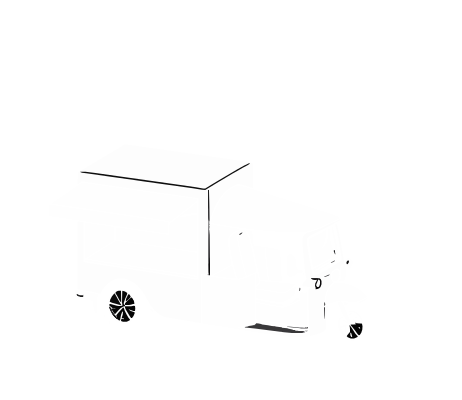
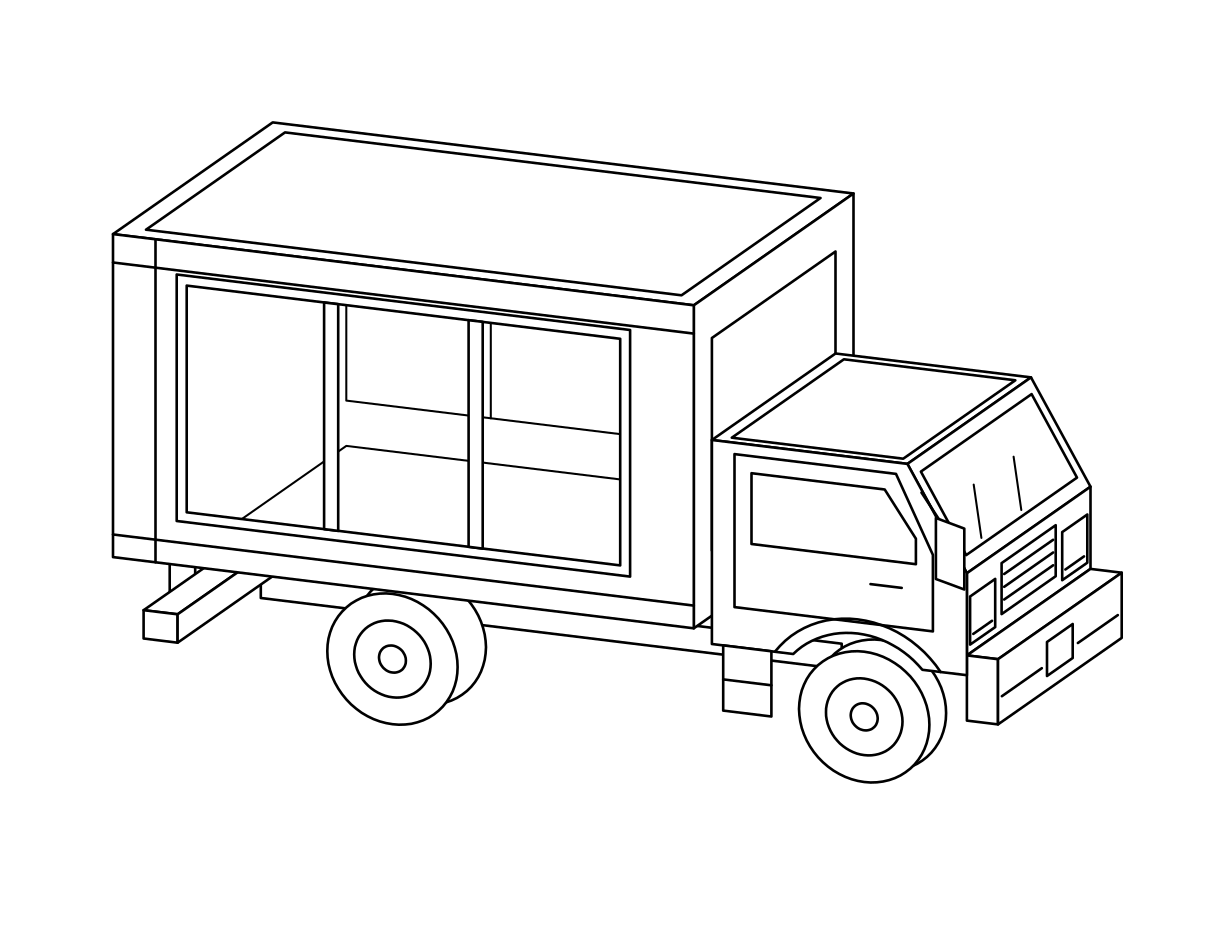
For product visibility and intrigue, nothing beats a glass box truck. The transparent walls let passersby see the setup inside, even while the truck is moving, so the product itself becomes the advertisement.
- Product reveals and launches: stage a rolling showcase that tours multiple high-impact locations.
- Sampling with a view: run tastings or demos inside a transparent setup that draws crowds and builds trust.
- Premium placements: the upscale presentation suits top-tier events and venues with stricter standards.
Airstream Trailers
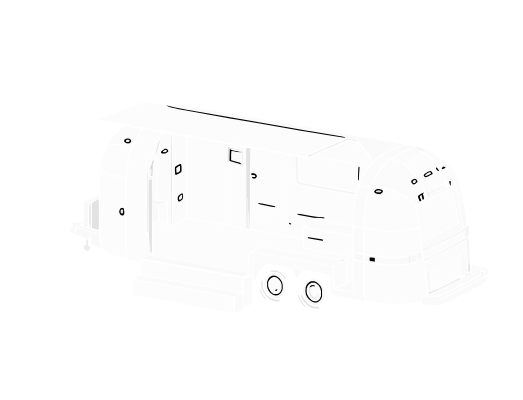
Spacious and iconic, Airstreams convert into mobile showrooms or interactive pop-ups. Their polished, retro design draws attention on its own and photographs beautifully.
- Premium sampling: roomy interiors allow curated, hands-on trial stations that feel elevated.
- Roadshows: ideal for cross-country campaigns that carry the brand story to many communities.
- Photo moments: the metallic finish makes a natural backdrop for shareable content.
Tuk Tuks
For dense urban settings or eco-conscious brands, tuk tuks offer nimble, localized engagement in a footprint a full truck cannot match.
- Micro-retail on wheels: blend product showcases with a small sampling moment to create buzz.
- Tight spaces: navigate alleys and crowded districts to reach audiences in places larger vehicles cannot go.
Food Carts
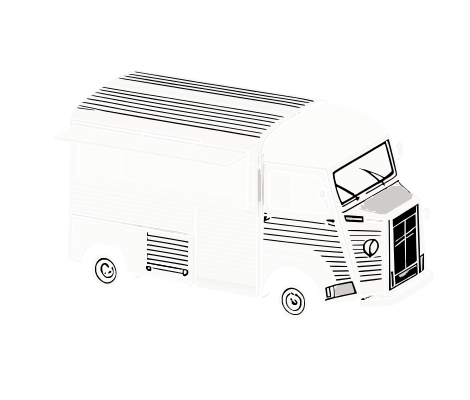
Compact and low-cost, food carts deliver direct engagement with pedestrians through small but eye-catching setups.
- High-traffic sidewalks: maximize visibility where space is limited but foot traffic is heavy.
- Pop-up cafes: create a stylish, seasonal brand moment tuned to the location.
- Branded retail: pair merchandise with a refreshment to deepen the connection.
How to Design Your Experiential Marketing Truck
Choosing the vehicle is one piece. A campaign that performs also needs smart design, logistics, and brand integration. Four decisions drive the result:
Know your audience
Urban and on-the-go, or suburban and family-focused? That answer shapes both your route and your vehicle.
Focus on the brand experience
Decide what you want people to feel, then use interiors, scent, sound, and visuals to create it.
Plan your route
Map stops around local events, festivals, and high-traffic neighborhoods for maximum impact.
Measure and adapt
Track interactions, samples, social shares, and conversions, then use the data to sharpen the next stop. If you want a partner to handle the build and logistics end to end, that is exactly what our brand activations team does.
Case Study: The Dietz & Watson Bird Dog Truck