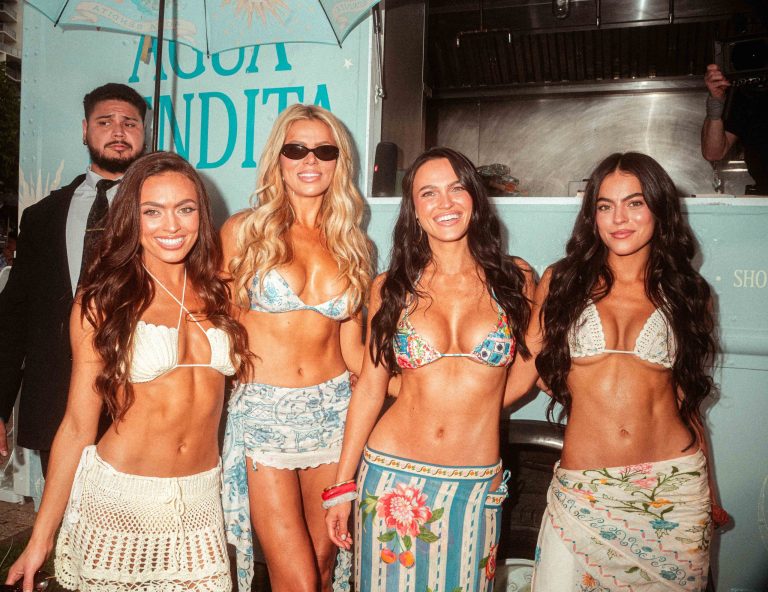
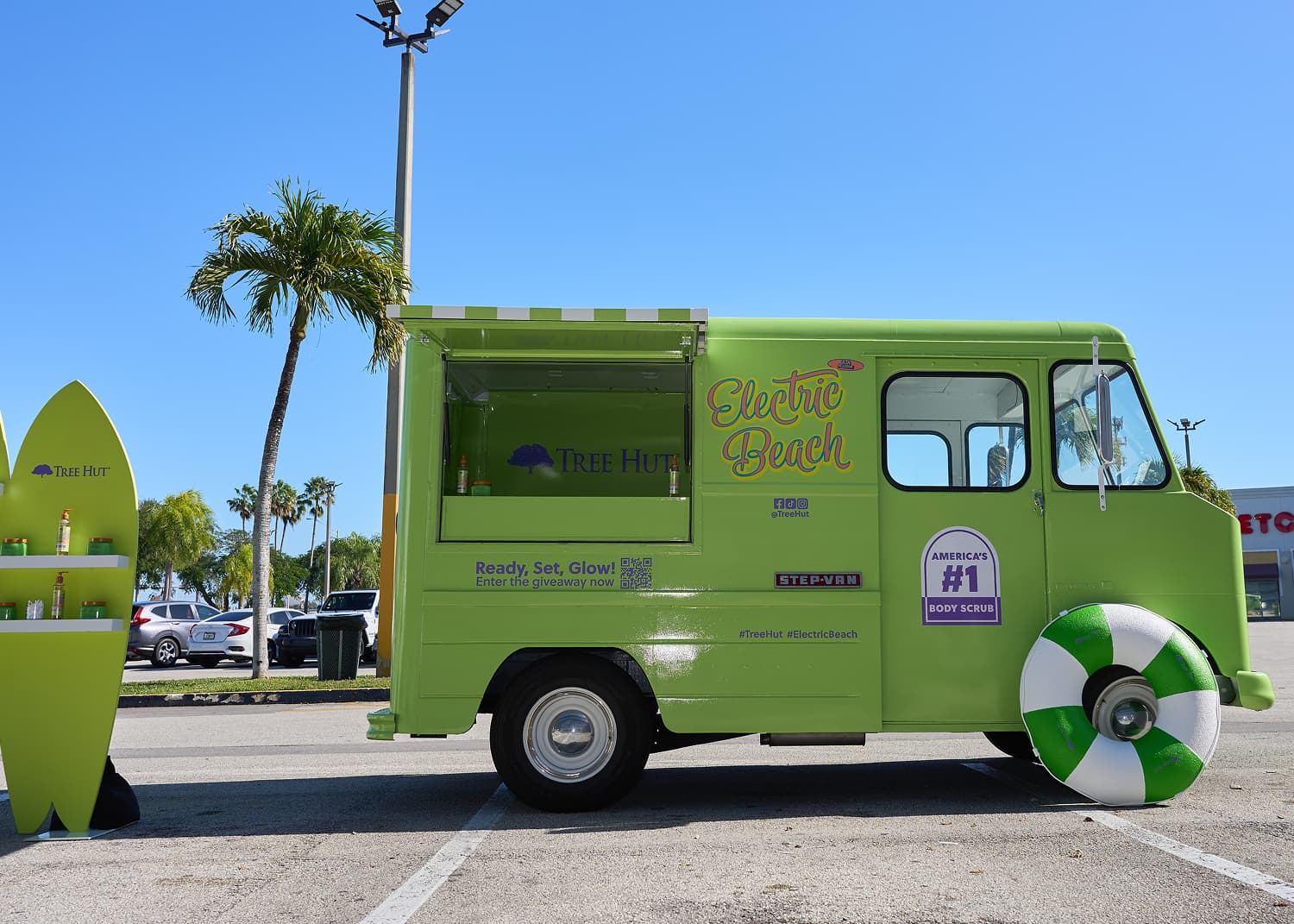
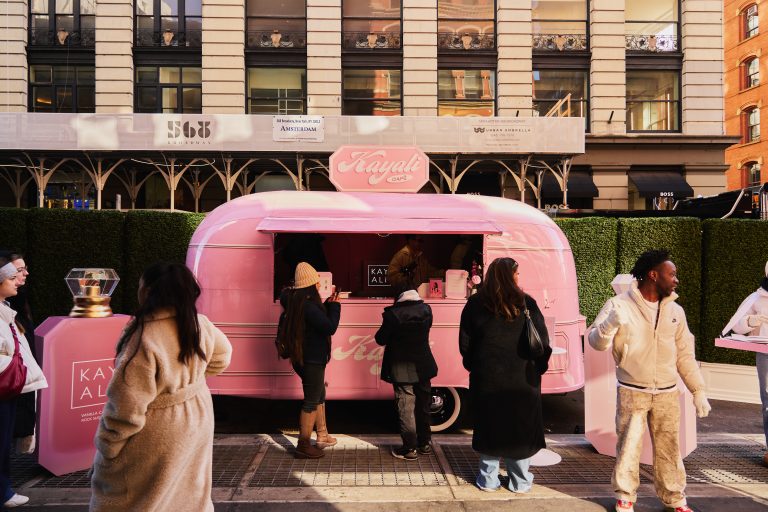
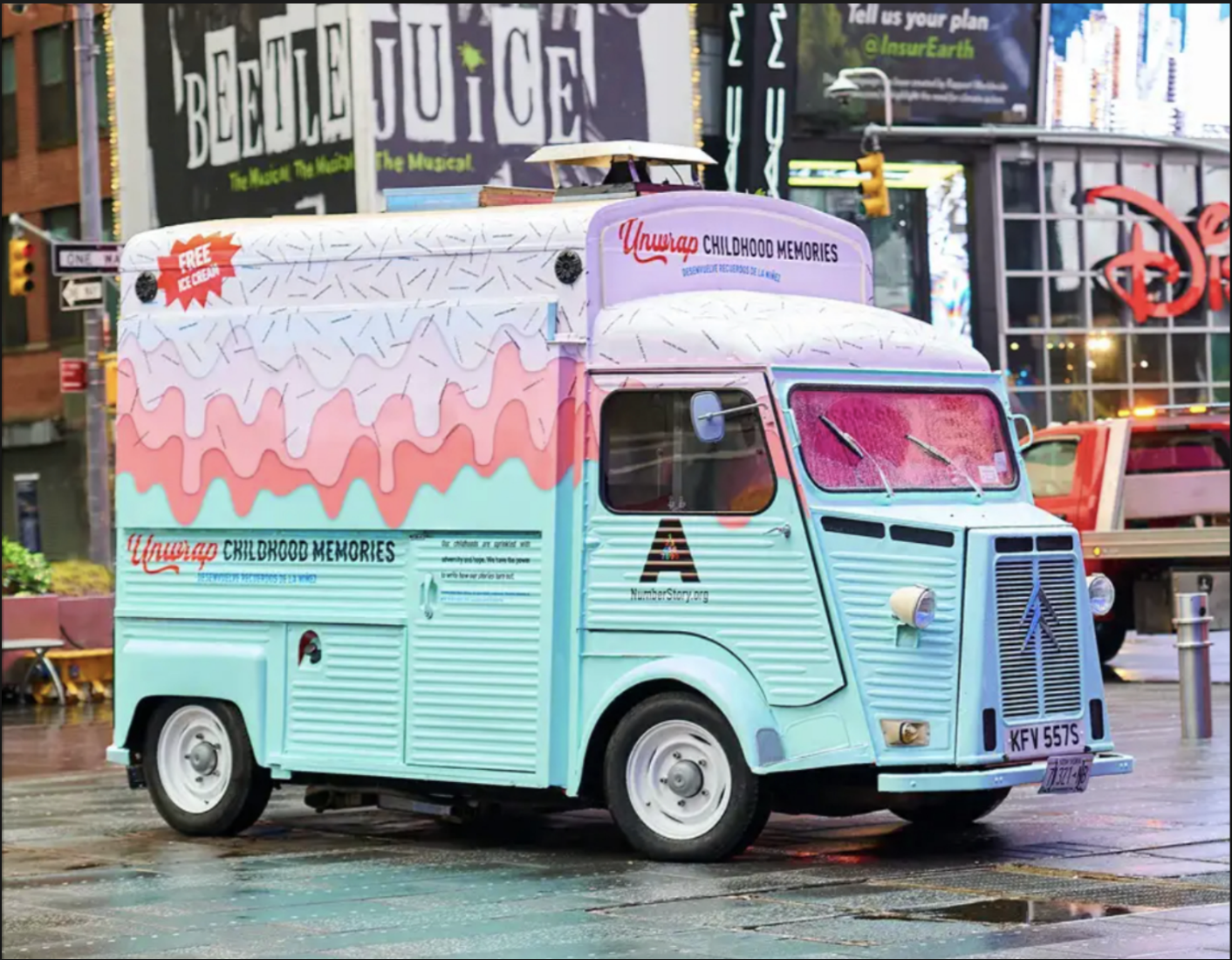
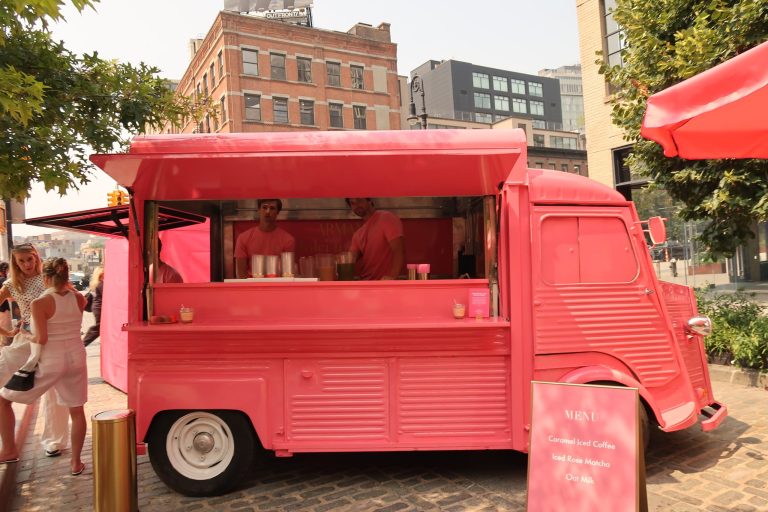
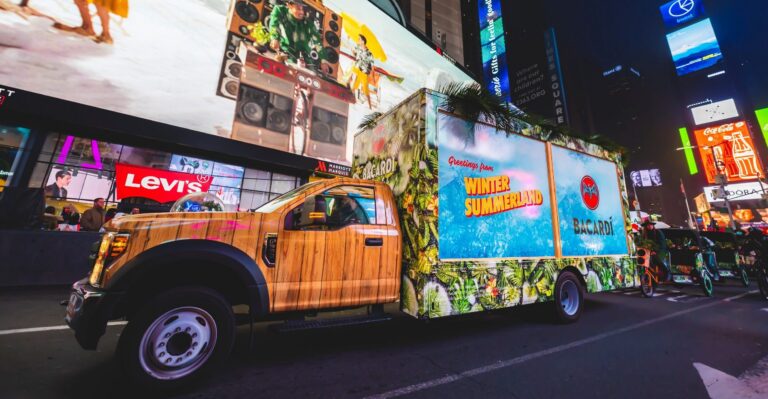
A mobile marketing tour is a modern take on experiential marketing that brings a brand directly to audiences across multiple locations, trading digital noise for a personal, immersive, refreshingly tangible experience. In an age when marketing is nearly impossible to escape on our phones, laptops, and televisions, a tour shows up where audiences actually live, work, and play, taking a product or pitch straight to the customer and leaving an impression they will not soon forget.
This guide is the complete overview: what a mobile marketing tour is, the main formats it can take, how it reaches and expands your audience, and a real tour that carried a brand across markets. Wherever you want your brand to go, a tour brings storytelling to the streets, one memorable stop at a time.
Key Takeaways
- Tours meet audiences where they are: A mobile marketing tour turns everyday places, festivals, campuses, neighborhoods, into live brand experiences.
- Experience is the differentiator: With products harder to tell apart, the experience a brand delivers is now what wins attention and loyalty.
- One format, many forms: Pop-up activations, product sampling, interactive demos, and mobile showrooms all fall under the mobile tour umbrella.
- Reach expands with every stop: Tours open untapped markets, generate social buzz, and capture real-time data that sharpens future campaigns.
- Memorable moments build loyalty: In-person experiences create emotional connections that turn one-time visitors into long-term advocates.
What Is a Mobile Marketing Tour?
A mobile marketing tour is a traveling brand experience designed to engage consumers in real time and across multiple geographic locations. Unlike static advertising or online campaigns, it invites physical engagement with your target audience, creating the multi-sensory moment at the root of experiential marketing. In practice, a tour can take several forms, and the best campaigns often combine a few:
- Pop-up activations: Temporary, eye-catching brand experiences set up in high-traffic areas, great for grabbing attention, creating buzz, and encouraging social sharing through clever, interactive design.
- Product sampling: Giving potential customers a chance to try a product firsthand, whether food, skincare, or tech, so they engage their senses and build trust through direct experience.
- Interactive demos: Hands-on experiences where people test, explore, or engage with a product in a fun, informative way, turning curiosity into connection by showing real value in real time.
- Mobile showrooms: A branded vehicle transformed into a traveling exhibit, bringing a showroom-like experience to different cities so visitors can explore offerings up close, even with no permanent store nearby.
Why Mobility Matters
As life becomes more digital, the value of in-person experiences has soared. Consumers crave authenticity and face-to-face interaction, and brands that meet people where they are, at festivals, campuses, neighborhoods, even office parks, establish instant credibility. That instinct is backed by data: 80% of customers say the experience a company provides is as important as its products and services, according to Salesforce’s State of the Connected Customer report. A mobile marketing tour is one of the most direct ways to deliver that experience. For the fuller case, see the benefits of experiential marketing.
How a Mobile Marketing Tour Reaches a Wider Audience
Here’s how to use a mobile marketing tour to meet your audience where they are.
1. They Go Where Your Audience Already Is
Instead of expecting new customers to come to you, a mobile tour flips the model and brings the brand to them. That means reaching hard-to-access but high-foot-traffic markets, untapped geographic regions that can grow a customer base, and diverse community events or cultural gatherings. Whether parked outside a college football game or rolling into a community festival, the tour meets people in their own context, not a marketer’s.
2. They Generate Social Buzz
A well-designed activation is naturally built for sharing. Whether it is a branded photo booth on wheels, a colorful pop-up cafe, or an interactive installation, people love to share memorable moments. Branded hashtags, QR codes, and shareable giveaways turn foot traffic into digital impressions, building organic reach that amplifies the campaign far beyond its physical footprint. For more on why this works so well, see why mobile tours are a game-changer.
3. They Offer Tangible Product Experiences
Trying a product in person hits differently than seeing an ad. A tour lets brands offer product samples, live demonstrations, and interactive tech showcases, and whether the category is food, beauty, fashion, or gadgets, a hands-on encounter builds confidence and purchase intent, especially when paired with a strong brand story. This is the multisensory advantage no banner ad can match.
4. They Personalize the Brand Experience
A tour is a rare chance to customize content, design, and messaging by region, demographic, or even weather. That flexibility lets brands build hyper-relevant experiences that reflect the spirit of each local audience, creating a sense of connection and cultural respect. The same tour can feel tailor-made in every city it visits, which is exactly what makes each stop resonate.
5. They Provide High-Quality Data in Real Time
Modern tours are often powered by CRM integrations, app-based lead capture, and interactive kiosks, giving brands emails and preferences for follow-up, on-the-ground insight into consumer behavior, and regional data to optimize future campaigns. Because participants willingly share information in exchange for a great experience or a freebie, the data tends to be more authentic and more actionable than what digital channels alone produce.
6. They Fuel Long-Term Brand Loyalty
The emotional impact of a personal experience is hard to beat. When a brand makes someone smile, surprises them, or solves a problem in real life, it does more than drive a sale, it builds trust and genuine loyalty. Those moments create lasting memories that turn visitors into advocates, especially when paired with meaningful giveaways or thoughtful follow-up offers.
Case Study: KAYALI’s Coast-to-Coast Fragrance Tour