How Mobile Tours Maximize Your Marketing ROI

By: Ashley Elarde 10 min read

mobile tours

Mobile tours are a fast-growing way for brands to break through a saturated market, taking a branded, custom-built vehicle directly to audiences in city after city instead of waiting for people to come to them. Traditional advertising often struggles to capture genuine interest, but a mobile tour delivers an unforgettable, immersive experience straight to the consumer, in multiple locations, and that reach is exactly what makes it so effective.

This guide covers what mobile tours are, the five reasons they are so effective, a real multi-city tour that shows the format at work, and how to plan one that maximizes your return. Whether you are launching a product, building awareness, or engaging a community, a mobile tour brings your brand to life on the road.

Key Takeaways

  • Tours multiply reach: A mobile tour brings the same branded experience to city after city, reaching audiences a single-location activation never could.
  • Face-to-face builds loyalty: In-person, hands-on interactions forge emotional connections and trust that traditional ads cannot match.
  • Custom vehicles flex to any goal: Branded interiors and tailored programming adapt a tour to product launches, sampling, demos, or community engagement.
  • Tours are built for sharing: Eye-catching vehicles and interactive moments drive photos and posts, amplifying reach far beyond each stop.
  • The right partner maximizes ROI: Work with an experiential agency that plans the route, handles logistics, and ties the tour to a measurable goal.

What Are Mobile Tours?

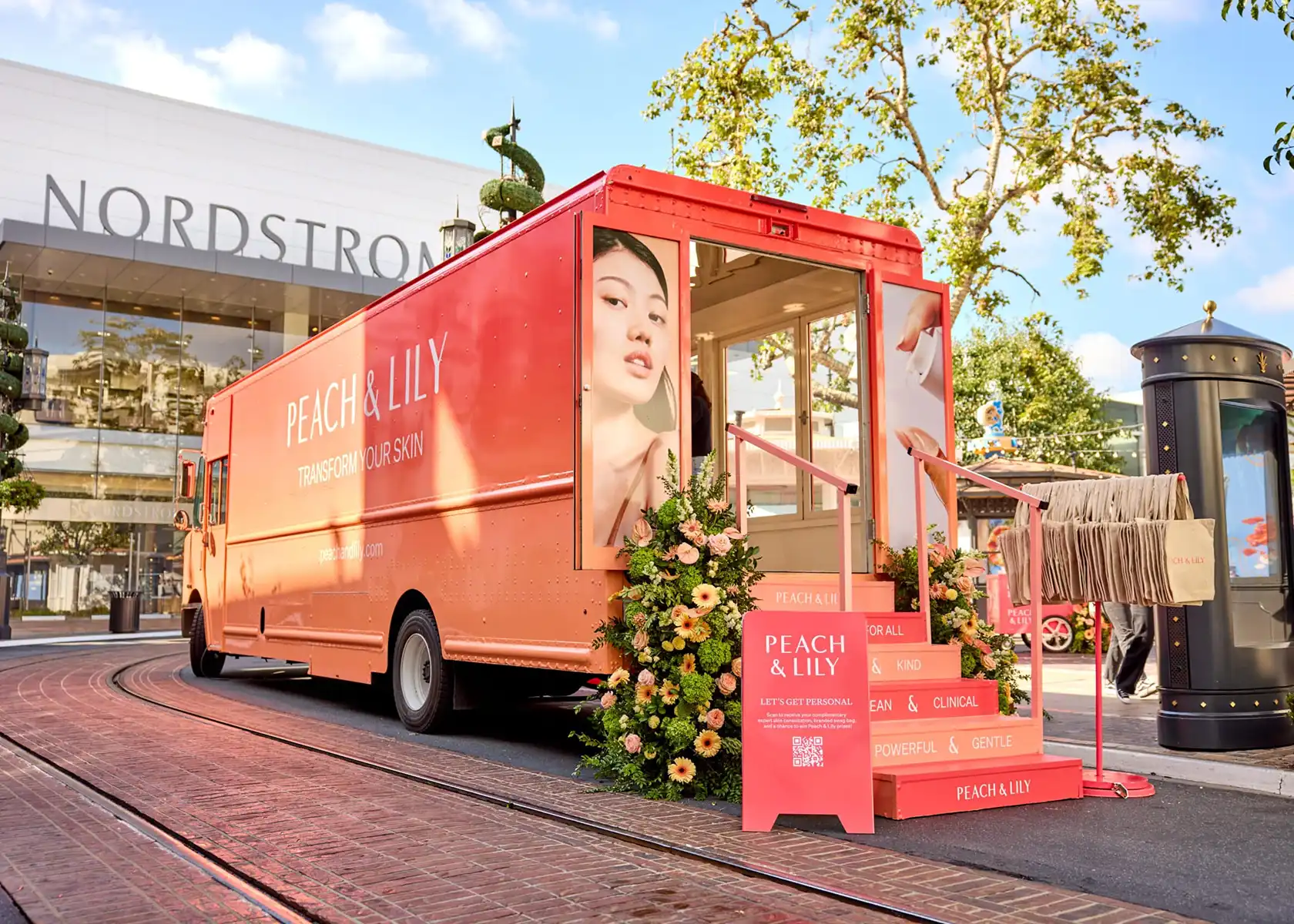
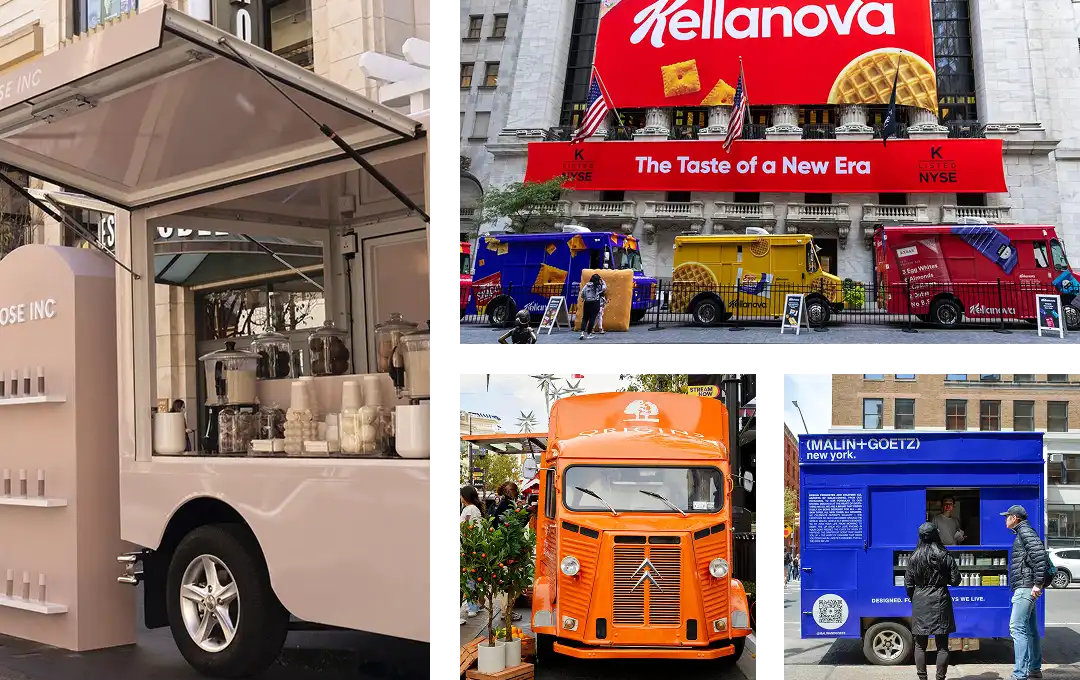
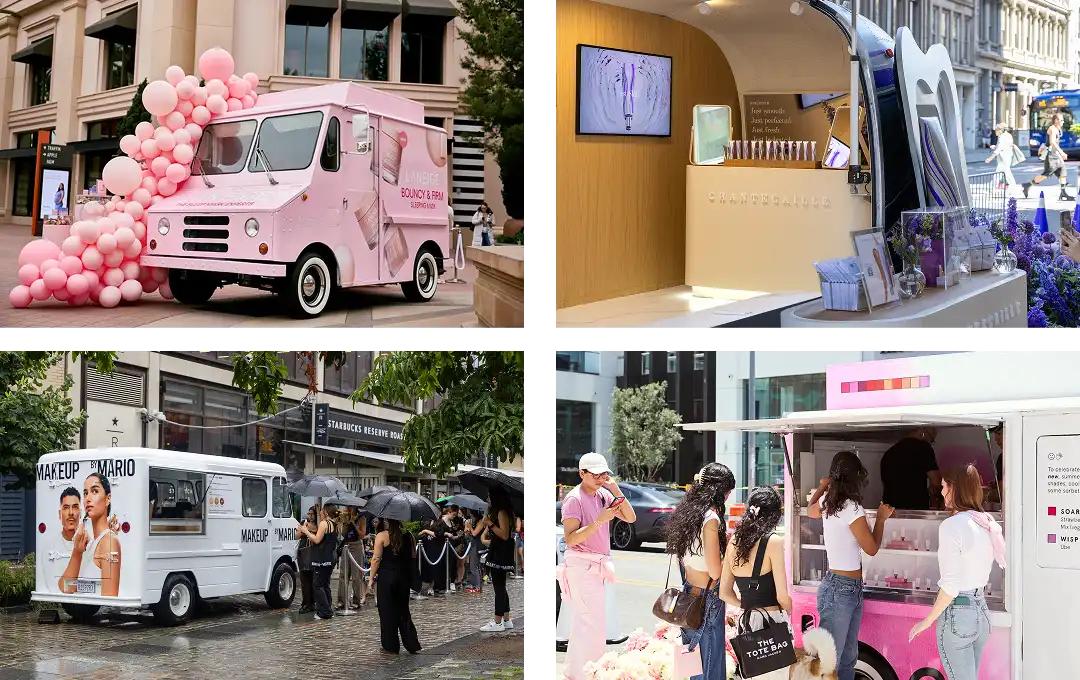
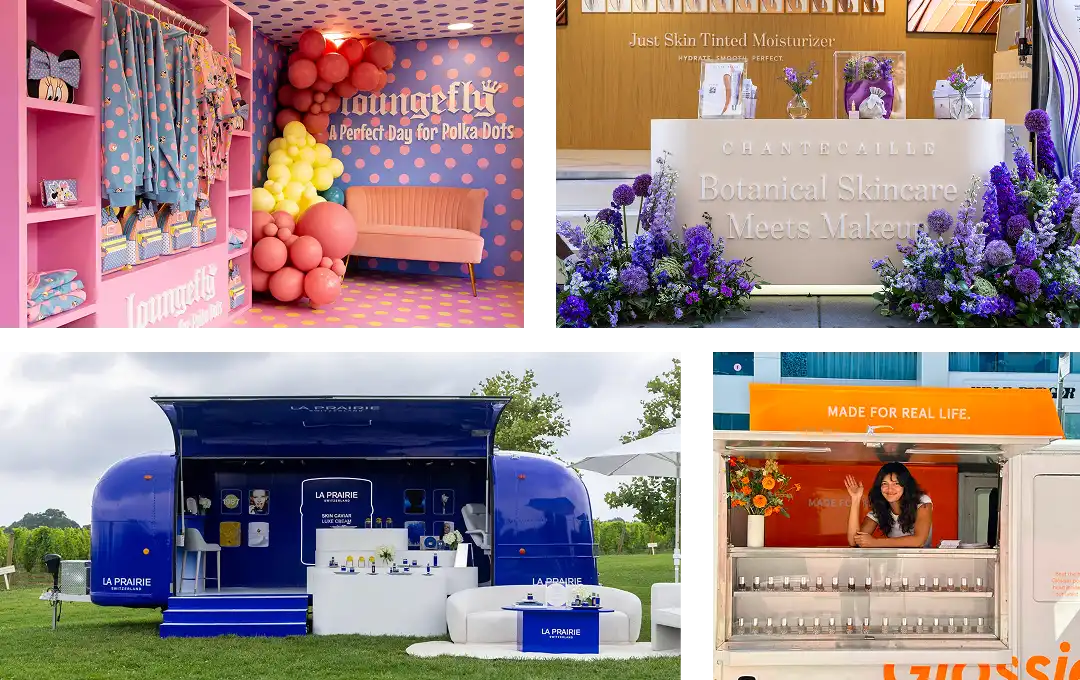
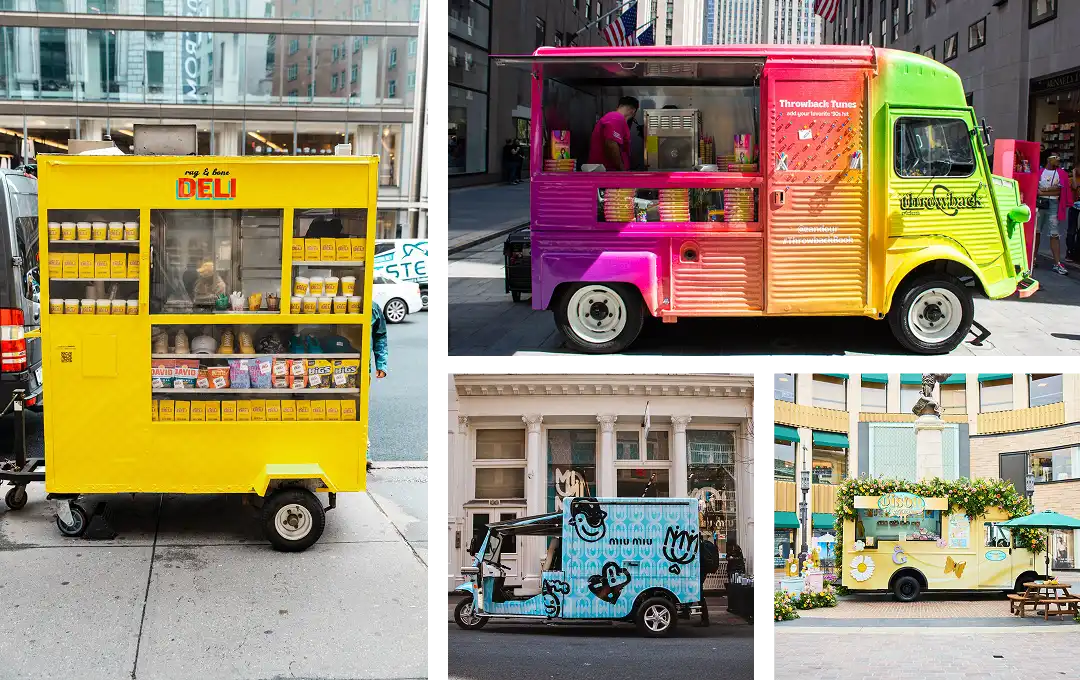
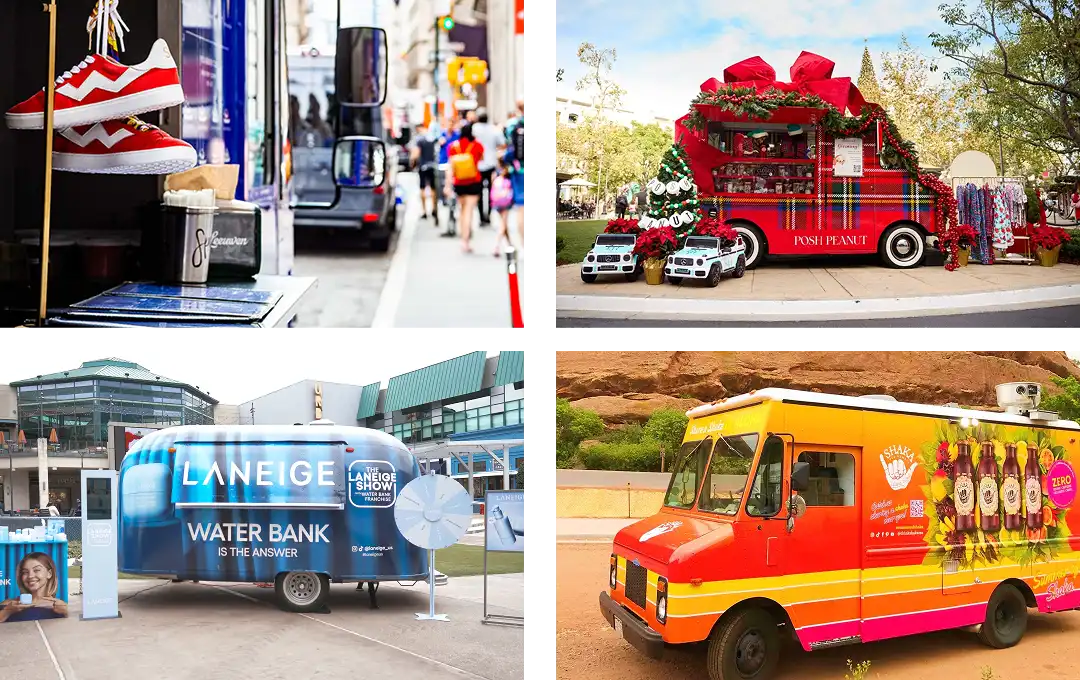
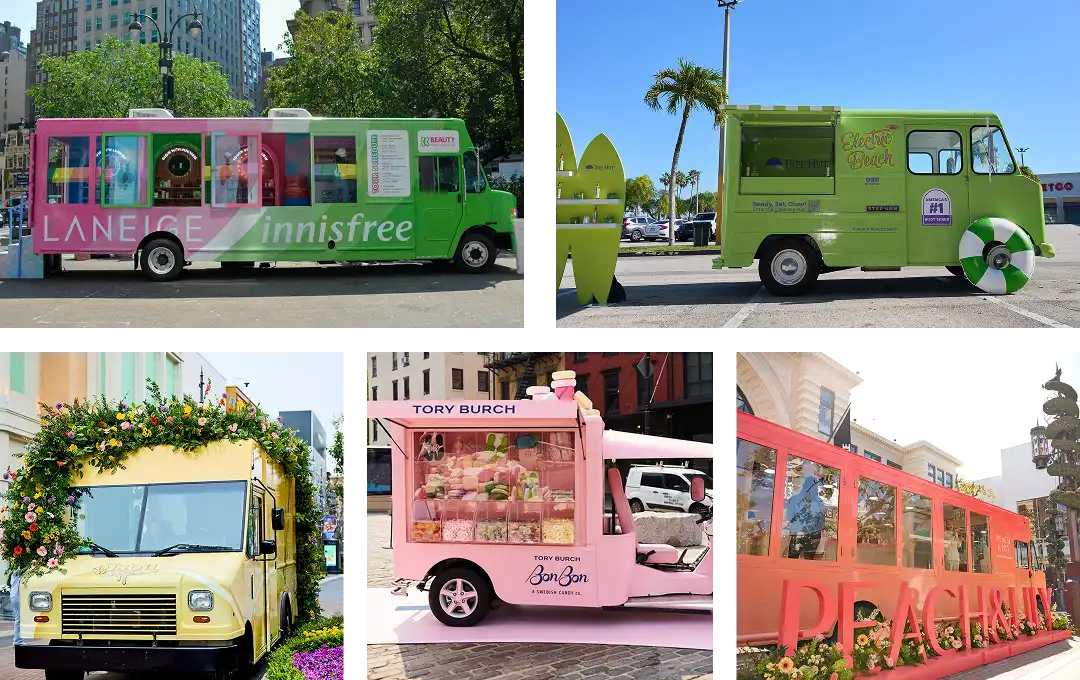
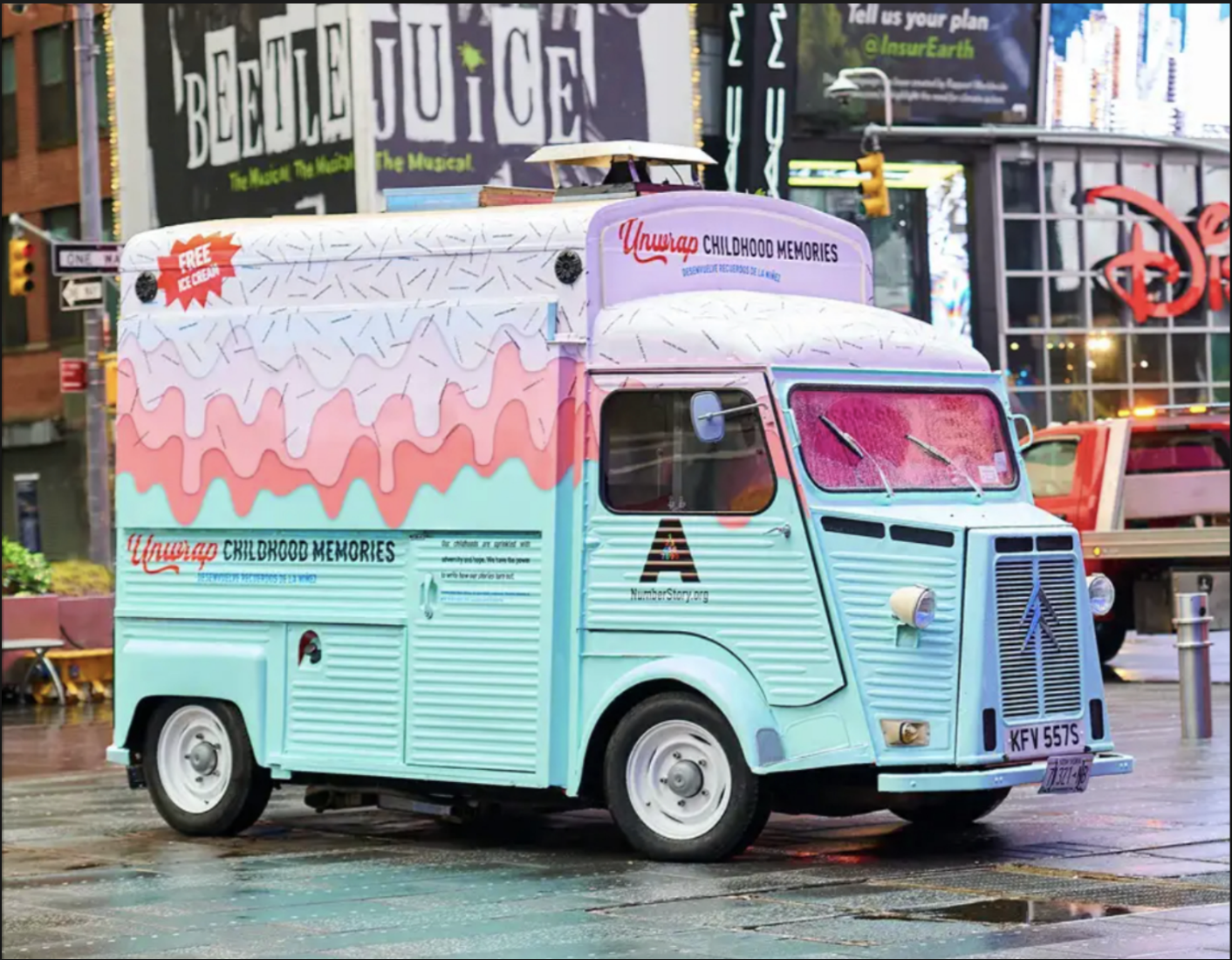
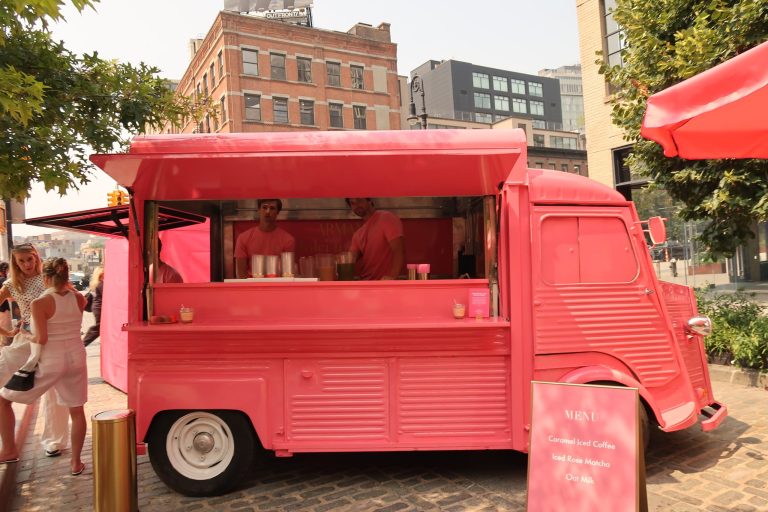
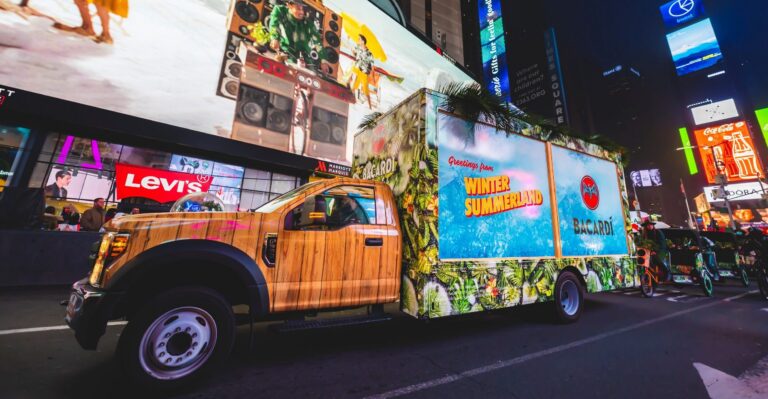
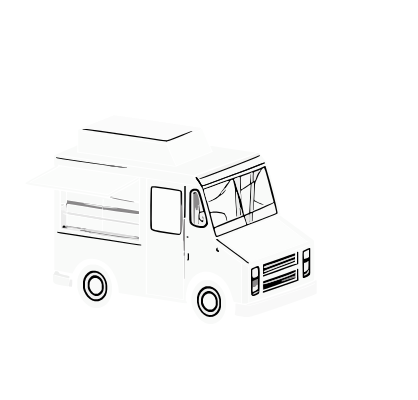
Mobile tours are marketing campaigns built around outfitted, custom-designed vehicles that carry a brand’s message directly to its audience across multiple locations. Whether the vehicle is a food truck, tuk tuk, trailer, or compact kiosk, it acts as a traveling brand ambassador, reaching a target audience in city after city without any permanent installation. Tours are highly versatile and can be tailored to any industry, with product demos, interactive games, live performances, and giveaways all designed to create memorable experiences that leave a lasting impact.

Brands are investing in this kind of live experience more than ever. Global experiential marketing spending reached a record $128.35 billion in 2024, surpassing pre-pandemic levels for the first time, according to PQ Media research reported by Marketing Dive. A mobile tour is one of the most flexible ways to put that investment to work, because it takes the experience on the road. For a closer look at how specific vehicles power these campaigns, see our piece on mobile tours and food trucks.

Why Mobile Tours Are Game-Changing

Below are the reasons your brand needs to launch a mobile tour this year.

1. They Create Direct Connection With Your Audience

One of the biggest challenges in advertising is breaking through the noise to build a genuine emotional connection, and mobile tours do exactly that by creating face-to-face interactions in immersive environments. Bringing your products, services, and brand story to the streets, through demonstrations, giveaways, or live performances, lets your brand stand out and build meaningful connections wherever it goes. That personal, in-person moment is something no billboard or banner can replicate, and it is one of the core benefits of experiential marketing.

2. They Provide Flexibility and Customization

Mobile tours are not one-size-fits-all. From custom vehicles with branded interiors to programming tailored for different audiences, a tour can be fully adapted to your goals. A food brand launching a product can use a mobile kitchen for on-site tastings, while a coffee company can serve freshly brewed samples from a custom truck while showcasing its roasting and flavor story. That adaptability lets you interact directly with your audience, build awareness, and leave a memorable impression, all on your terms. The right vehicle shapes the whole tour, and our guide to experiential marketing vehicles breaks down the options.

3. They Amplify Brand Awareness

A key advantage of mobile tours is their ability to create buzz. Traveling through crowded streets or parking at popular events, a branded vehicle naturally draws attention, and pairing an eye-catching design with engaging programming quickly makes the tour the talk of the town. Tours are also inherently shareable: unique setups and interactive moments encourage attendees to snap photos and post them, amplifying your reach far beyond the physical location of any single stop.

4. They Help You Reach a More Diverse Audience

Mobile tours open the door to audiences you might never reach through traditional channels. By taking your brand to different locations across the country, from urban centers to suburban neighborhoods to smaller communities, you appeal to a far wider demographic, and you can tour multiple locations in one campaign. Custom vehicles also let you tailor each stop to a specific group, making the brand feel relevant and accessible to everyone from young professionals to families.

5. They Grab Attention and Stay Memorable

A vibrant, fully customized vehicle rolling into town is hard to ignore. It instantly grabs attention and sparks curiosity, and paired with interactive experiences or live demonstrations, it creates the kind of moment people remember. Attendees are drawn to the fun, dynamic nature of a tour, and the positive feelings they associate with the brand linger long after the event, turning casual visitors into loyal fans and word-of-mouth advocates.

Case Study: Nespresso’s National Mobile Tour

Nespresso mobile showroom van with orange wheels parked on city street; people stand nearby.

Nespresso’s national tour shows what a mobile tour can do across markets. To reach coffee lovers coast to coast, the brand worked with FTP Agency to build a vintage E-tuk into a dual mobile showroom and coffee shop, then took it on the road for a multi-city national tour spanning New York, Los Angeles, San Francisco, and Miami.

Rather than a one-off pop-up, the tour brought the same branded coffee experience to four very different markets, adapting to each while keeping a consistent, on-brand story. Over roughly six weeks on the road, Nespresso’s activation handed out tens of thousands of samples and put the brand face to face with coffee drinkers in each city.

That is the tour advantage in action: one build, four markets, and a repeatable experience that met a national audience where they already were. A single-location activation could never have covered that ground, which is exactly why brands with a coast-to-coast story reach for a mobile tour.

How to Maximize ROI on a Mobile Tour

A mobile tour delivers the strongest return when it is planned around a clear goal rather than treated as a roadshow for its own sake. Start by naming the single outcome that matters most, product trial, sign-ups, awareness, or earned media, then design every stop to drive it.

From there, three things protect the ROI: a smart route that sequences high-traffic, on-target locations to minimize downtime between stops; a capture step built into the experience, like a QR code, a branded hashtag, or a sign-up in exchange for a sample, so each interaction becomes measurable; and an experienced partner who handles fabrication, permits, staffing, and logistics so the tour runs smoothly in every market. Get those right and a tour turns fleeting street moments into results you can report.

The Bottom Line

Mobile tours turn marketing from something people watch into something they take part in, and they do it across as many markets as your brand can reach. They build direct, face-to-face connection, flex to any goal, amplify awareness through sharing, reach diverse audiences city by city, and create memorable moments that build loyalty. The brands that win with tours start with a clear goal, plan a smart route, build in a way to measure every stop, and partner with a team that can execute it end to end. Do that, and a mobile tour becomes one of the highest-impact, highest-ROI moves in your marketing mix.

A mobile tour is a marketing campaign built around a custom-branded vehicle that carries a brand’s experience directly to audiences across multiple locations. Instead of a single fixed activation, it travels city to city, offering demos, sampling, or interactive moments that build awareness and connection in each market.

A pop-up is one activation in one place, while a mobile tour brings the same branded experience to many markets in a planned sequence. The tour format multiplies reach, tests multiple regions, and spreads a build’s cost across many activation days rather than a single event.

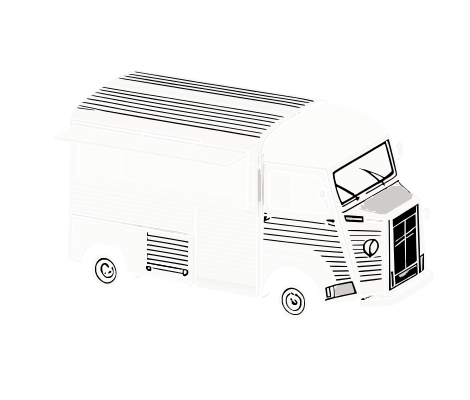
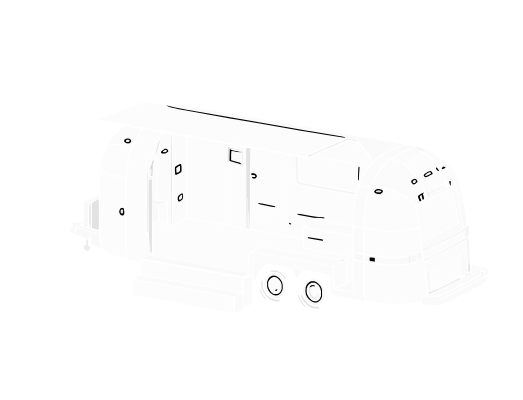
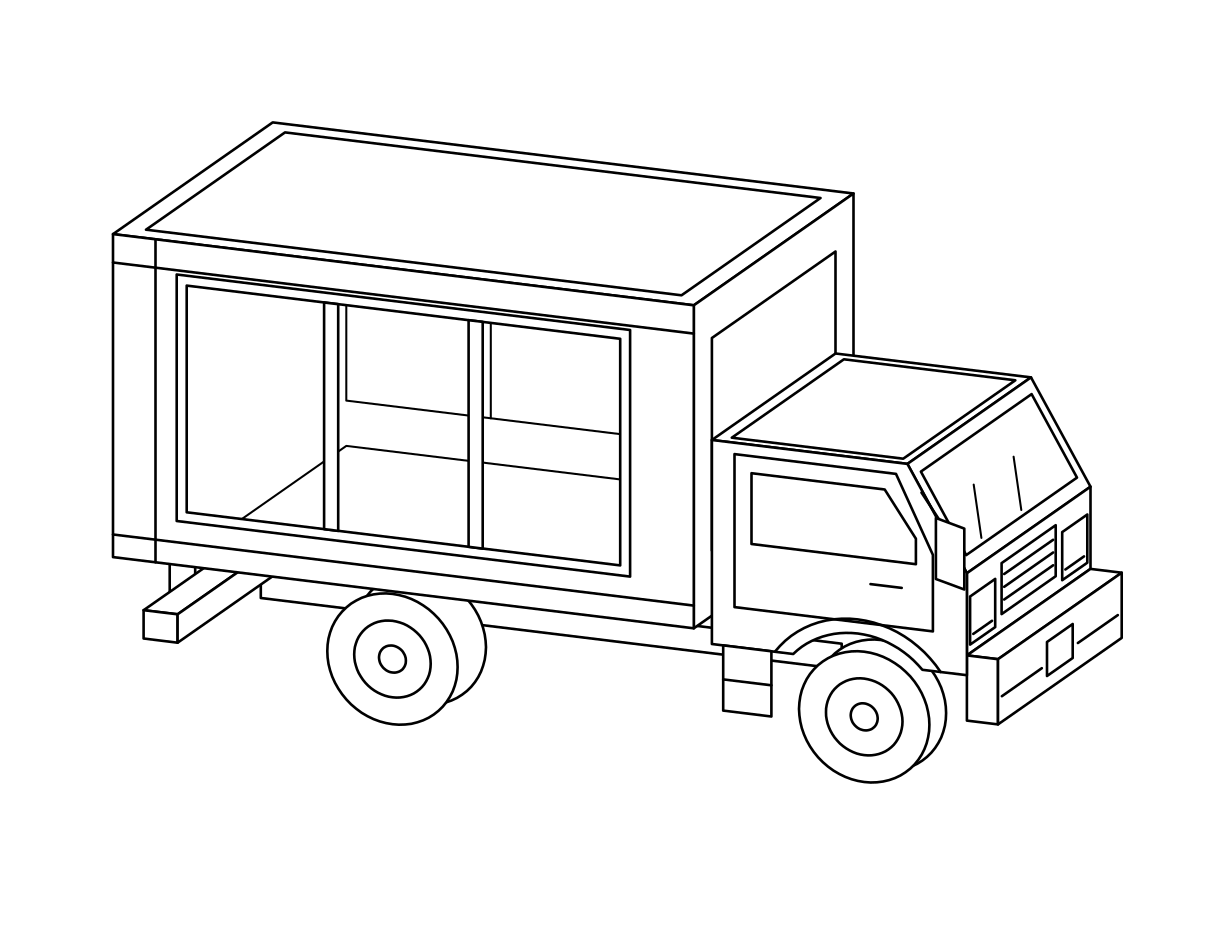
Food trucks, tuk tuks, Airstreams, glass trucks, vintage Citroens, and compact carts or kiosks all work for tours. The right choice depends on the goal: kitchens and refrigeration for sampling, glass trucks for product display, and premium builds like Airstreams for upscale, walk-in experiences.

Cost depends on the vehicle, the build and wrap, the number of cities, the tour length, and staffing. A short single-region tour costs far less than a multi-city national run. Because one build is reused across every stop, the fabrication cost spreads across many activation days.

It varies with the goal and budget, from a few days in one region to several weeks across the country. Nespresso’s national tour, for example, ran roughly six weeks across four cities. The route and duration are planned around where your target audience is and the moments you want to hit.

Set one primary metric before launch, then track it at every stop: foot traffic, samples served, QR scans, sign-ups, or social reach and earned media. Building a capture step into each activation, like a code or a branded hashtag, ties the in-person moments to a result you can report.

Beauty, food and beverage, fashion, tech, entertainment, and lifestyle brands see the strongest results, though nearly any brand can benefit. The best fit is any product that becomes more compelling when people can see, taste, touch, or try it in person across several markets.

Yes, that is the core strength of the format. A single branded vehicle can run a planned multi-city route and deliver a consistent experience in each market, which is ideal for launches and national awareness campaigns. Logistics between stops are handled so the tour arrives ready in every city.

Earlier is better, since fabrication, permits, prime dates, and multi-city routing all compete for the same calendar. National tours in particular need more lead time to line up locations and logistics across markets. Starting early is the surest way to secure the build, route, and dates you want.

A full-service experiential agency does. FTP handles the vehicle build and wrap, route planning, location procurement and permits across markets, staffing, content capture, and reporting, so your team shows up to a finished, on-brand tour that runs smoothly from the first city to the last.

Ashley Elarde

Author

Ashley Elarde

Social Media Manager @ FTP Agency

Ashley Elarde is a social media strategist, content creator, and experiential marketing professional with experience bringing brands to life through engaging digital content. She has helped execute campaigns for brands across beauty, fashion, retail, and entertainment, developing campaigns that drive engagement and meaningful consumer connections.

More posts
How to Plan a Mobile Marketing Tour