Event sampling, in marketing, is handing a product to people who have already gathered somewhere else for a reason of their own: a music festival, a marathon, a conference, a campus weekend, a holiday market. The crowd is built, the mood is set and the brand’s job is to be the thing people remember trying. (The term also has a research meaning, where event sampling is a method of recording behavior each time a defined event occurs. This guide is about the marketing kind.) It covers the event types that work for sampling, the booth versus vehicle decision, organizer deadlines against city permits, health sign-off for anything consumable, how to capture at volume, and the park-at-the-gate alternative that skips the sponsorship fee. For the formats outside events, start with product sampling marketing.
Key Takeaways
- Events give you the crowd; you still have to earn the stop. A branded vehicle earns it from fifty feet away. A folding table does not.
- Two calendars run in parallel: the organizer’s vendor deadline, usually eight to twelve weeks out, and the city permit if you park outside the footprint.
- Anything consumable needs health sign-off from the host city, the venue or both, and a vehicle with refrigeration is the easiest way to pass.
- Plan capture for 300 to 500 interactions an hour at peak, which means a one-handed mechanic and a crew sized for the line.
- The park-at-the-gate alternative puts a permitted vehicle on the public street outside the event, reaching the same crowd without the sponsorship fee or the organizer’s exclusivity rules.
Which Events Work for Sampling
Not every event is a sampling event. The ones that work share three traits: dwell time (people are waiting, walking or resting rather than rushing), a mood that matches the product, and an organizer or a city that will let you in.
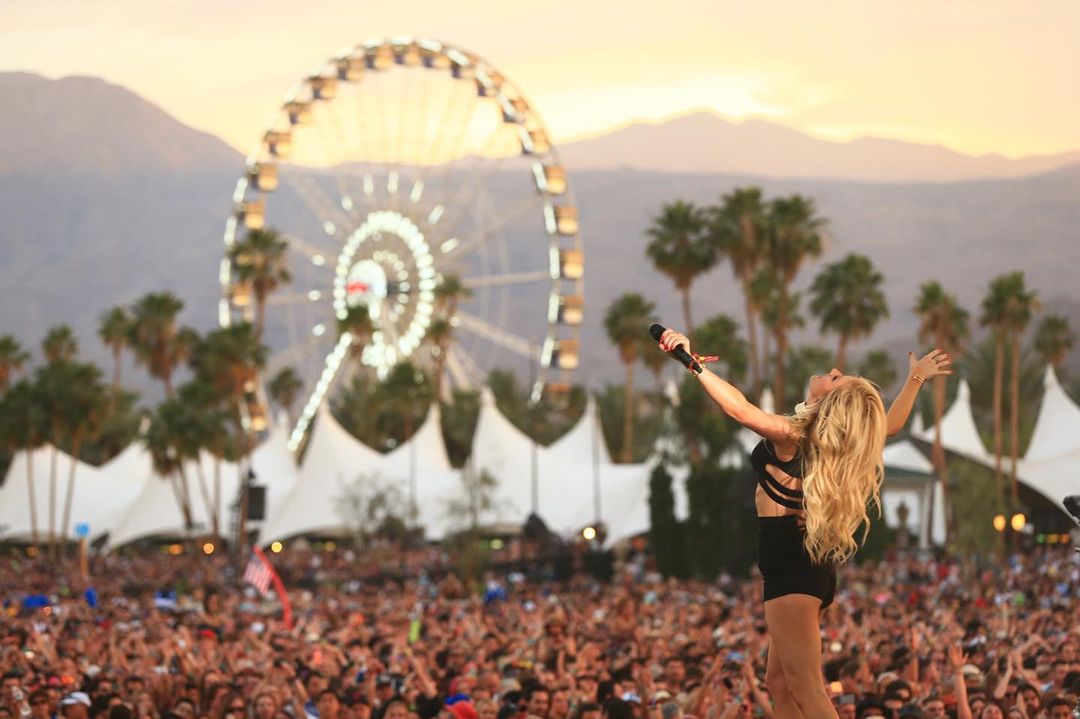
Music and food festivals. The biggest crowds and the longest dwell. Beverage, snack and beauty sampling all work. Downsides: sponsorship tiers are expensive, category exclusivity can lock you out, and the footprint is where the organizer puts you.
Marathons and races. Expo day before and the finish line after. Hydration, recovery, snack and skincare products fit. Finish-line sampling has a captive, grateful audience; the expo has shoppers.
Conferences and trade shows. Dwell is high, the audience is qualified, and the sample is a conversation starter rather than the point. Coffee, snacks and hospitality as the hook; the demo and the badge scan as the goal. See the tech and finance notes in our industries section when it is live.
Campus events. Move-in weekend, homecoming, finals week. Beverage, snack, beauty and tech. University permission replaces the city permit, and the audience is the one most brands cannot reach any other way.
Holiday markets and street fairs. Gifting season, high foot traffic, strong fit for fragrance, beauty and food. Organizer rules vary from strict to nonexistent.
Sports tailgates and fan zones. Beverage, snack and apparel. The venue controls the lot; the city controls the street outside it.
Booth vs Vehicle at an Event
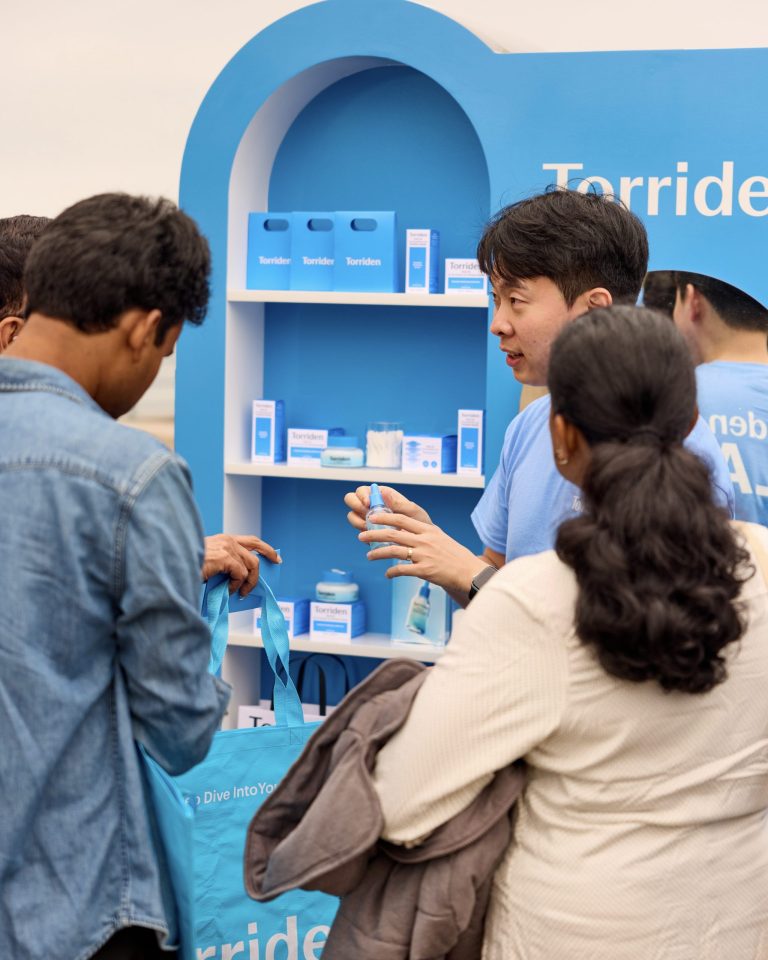
The sponsorship package usually includes a 10 by 10 or 10 by 20 footprint, power and a table. Most brands fill it with a tent, a banner and a folding table. The problem is that a tent looks like every other tent on the row, and from forty feet away nobody can tell what is inside.
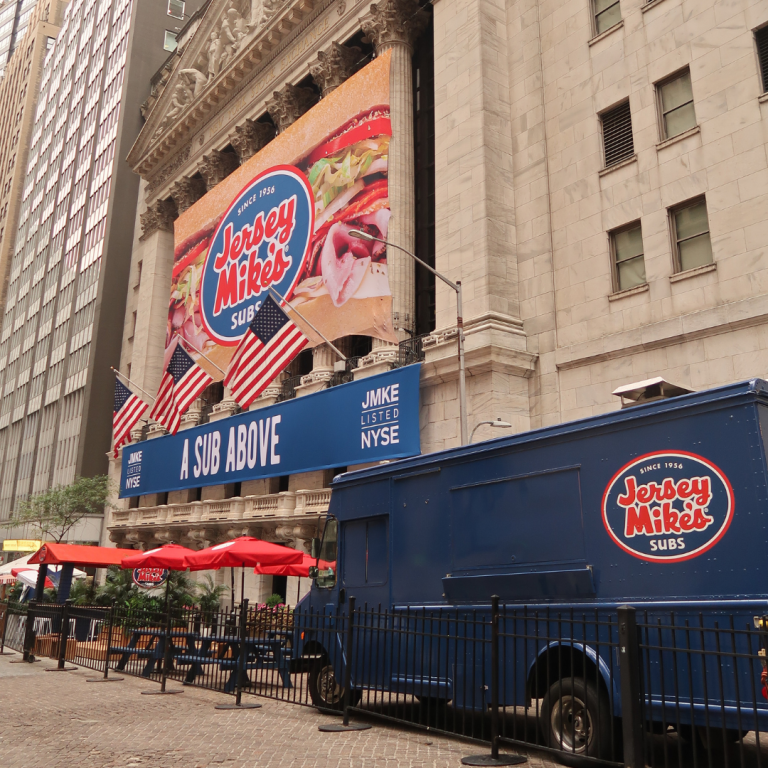
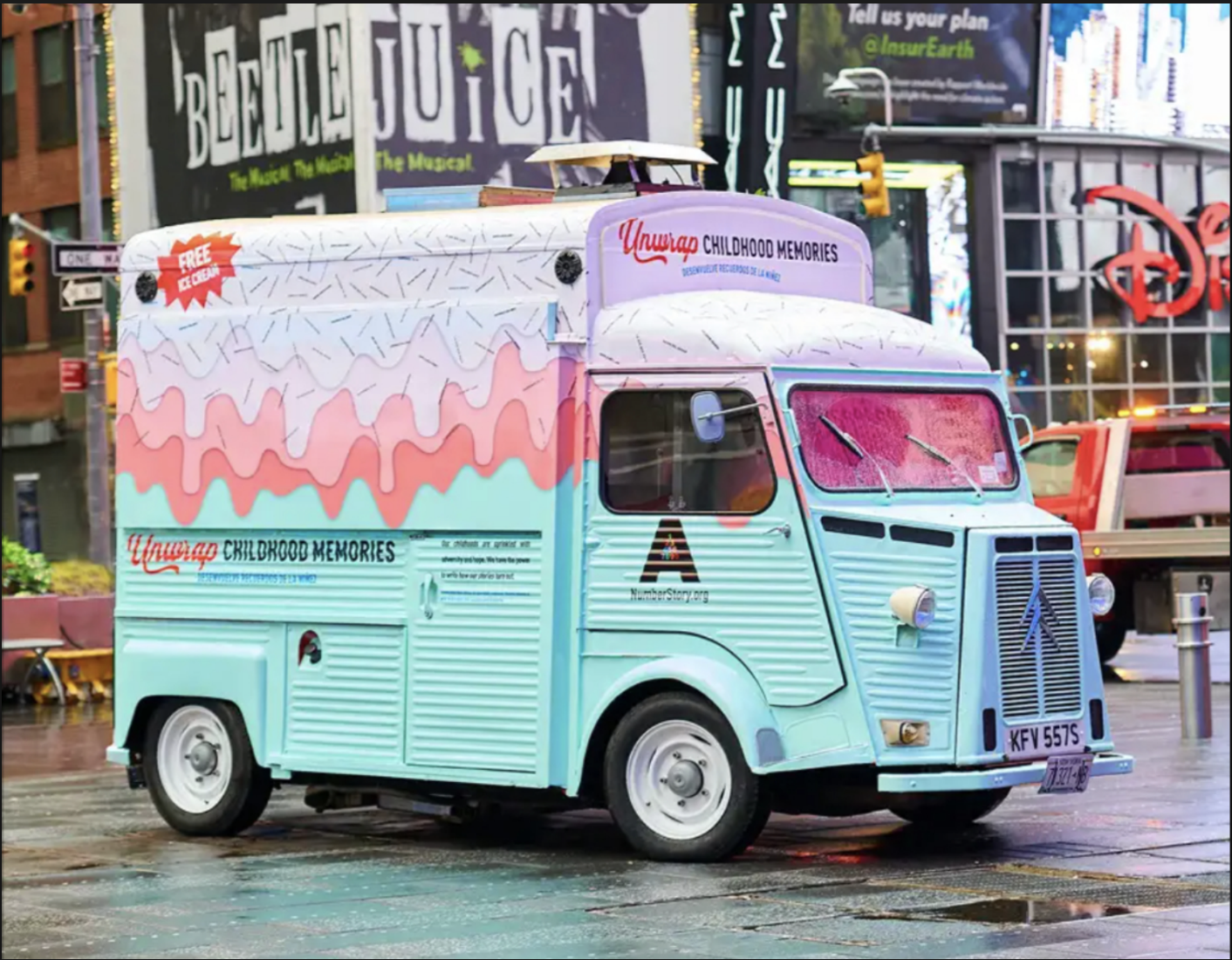
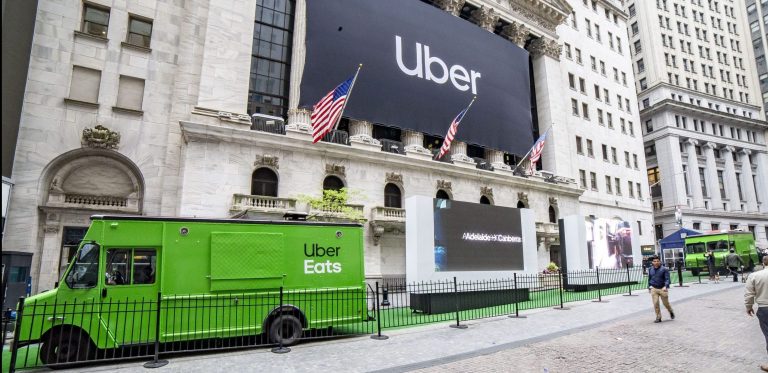
A branded vehicle on the same footprint changes three things. It is visible across the field, so people walk to it on purpose. It carries refrigeration, water and power, so the sample is cold or hot and the health inspector has nothing to say. And it photographs, so the activation exists on social after the event closes. The organizer’s rules on vehicle size, generator noise and load-in times decide which vehicle fits; a food cart or tuk tuk gets in almost anywhere, a food truck needs a drivable footprint, and a glass truck needs a hard surface and a sightline.
The experiential vehicles page lists the fleet with footprints. The practical rule: if the sponsorship footprint is 10 by 10, a cart or tuk tuk. If it is 20 by 20 or a vehicle lane, a truck.
Organizer Deadlines vs City Permits
Event sampling runs on two calendars and the one you forget is the one that cancels the activation.
The organizer calendar. Sponsorship contracts close eight to twelve weeks before the event, sometimes earlier for the big festivals. Vendor forms, certificates of insurance, vehicle specs, load-in windows and health documents are due four to six weeks out. Category exclusivity is decided when the sponsorship is sold, so a competitor who signed first can lock you out.
The city calendar. If any part of the activation sits on public property, the sidewalk outside the venue, a street closure, a park, it needs a city permit on the city’s timeline: six to eight weeks in New York, Los Angeles and Chicago, longer in festival season when the permit office is buried. The organizer’s permission does not cover the public street.
Private property. A venue parking lot, a plaza, a campus quad: the property owner’s agreement replaces the city permit and can be had in two to three weeks. This is the shortcut when the organizer deadline has passed.
The Timeline Planner counts back from the event date across both calendars. The honest answer for a festival in season is ten weeks.
Health Sign-Off for Consumables
Anything someone eats or drinks at an event is regulated three times: by the organizer (vendor health forms), by the venue (its own food service rules, often a concessionaire with exclusivity) and by the city or county health department (a temporary food event permit or a mobile vending permit). A sample is not exempt because it is free.
The requirements that come up at every event: a food handler certification for staff, holding temperatures for anything perishable (the FDA Food Code is the baseline most jurisdictions adopt), handwashing access, covered and portioned samples, allergen labeling, and a commissary or approved prep location for anything made on site. Alcohol is a separate permit, a licensed server and a sponsor arrangement with the venue’s concessionaire in most cases.
A vehicle with refrigeration, a hand sink and a water tank passes all of this by design. A tent with coolers passes some of it on a good day. This is the single biggest reason beverage and snack brands sample from a vehicle at events. Our food and beverage sampling guide covers the rules by city.
Capture at Volume
At a festival gate or a finish line, a sampling activation can see 300 to 500 interactions an hour at peak. A capture mechanic that works at a sampling counter (a conversation, a QR scan, a form) does not survive that pace. Design for volume.
- One-handed capture. A QR code on the cup, the sachet or the wristband, scanned later. An SMS keyword on the sample. A tap-to-claim card. Anything the person can do while holding the sample and walking.
- Redemption that lives after the event. A code redeemable at a retailer or online for 30 days, so the sample converts after the hangover.
- Crew sized for the line. Four to eight on a vehicle at peak, split between service and the line. One person on the line is the capture person and does nothing else.
- Count distribution. Units out per hour by a tally, not an estimate. Units distributed is the denominator for every other metric.
- Photo and content. The vehicle at the event is the shot. Assign it.
The report two weeks later should show units distributed, scans or texts, redemptions and a cost per trial. The measurement guide has the full funnel.
The Park-at-the-Gate Alternative
Sponsorship is the official route into an event. It is also expensive, slow, and subject to exclusivity that can block a brand entirely. The alternative is to put a permitted branded vehicle on the public street outside the event: the gate, the transit stop, the route from parking.
The crowd is the same crowd. The permit is the city’s, not the organizer’s, so category exclusivity does not apply. The cost is the vehicle, the permit and the crew, with no sponsorship fee. The photo is still the brand outside the festival. The trade-off is that the city permit is its own six to eight week process and the location is the city’s call, so it works best in markets where the agency has permitted before.
Done well, park-at-the-gate reaches the event audience at a fraction of the sponsorship cost. Done without a permit, it gets towed. Brand activations at festivals covers the sponsored route in more depth; mobile experiential trucks covers the vehicles that make the street route work.
What Event Sampling Costs
Costs below are for one event day in a major US market on an owned vehicle, including permits or vendor fees, staffing and the activation; the brand supplies the product and the sponsorship fee if there is one.
| Format | Typical cost | Lead time |
|---|
| Cart or tuk tuk inside the event footprint | $40,000 to $70,000 plus sponsorship | 8 to 10 weeks |
| Food truck inside the event footprint | $70,000 to $150,000 plus sponsorship | 10 to 12 weeks |
| Park-at-the-gate vehicle on the public street | $45,000 to $100,000, no sponsorship | 6 to 8 weeks |
| Conference footprint with vehicle | $80,000 to $150,000 plus exhibitor fee | 10 weeks |
| Multi-event tour (four to six events, one build) | $250,000 and up | 12 weeks |
A tour across the festival season reuses the build, so the cost per event falls with every stop. Product sampling ideas has more formats with costs.
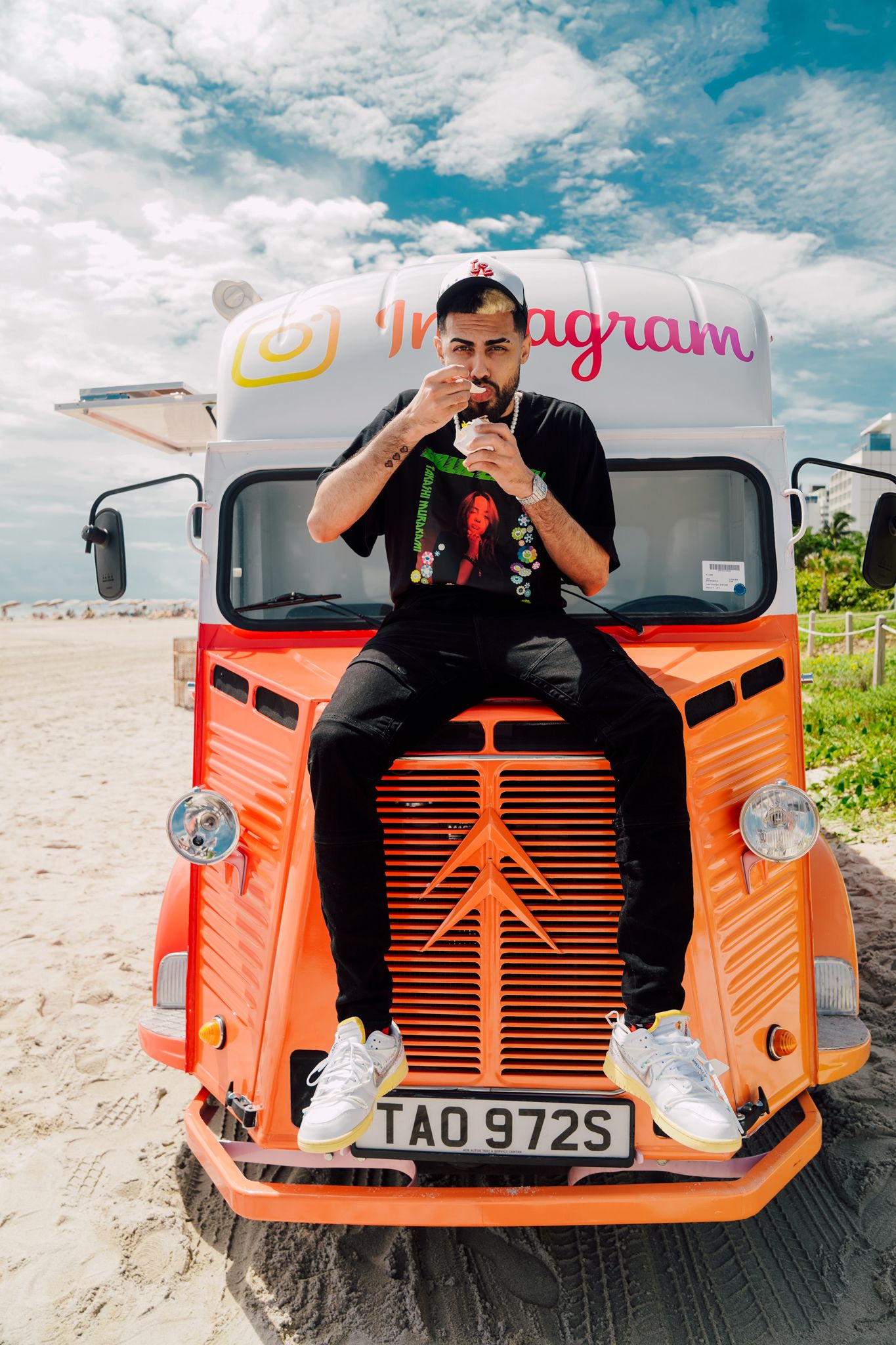
Case Study: Instagram Reels on Wheels at Latin Week Miami