Super Bowl marketing stunts exist because the ad slot is out of reach for almost everyone, and the attention around the game is not.
For one Sunday a year, the entire country is pointed at the same thing. That is a rare opportunity in a fragmented media landscape, and you do not need a national television buy to be part of it. You need to be somewhere people already are, doing something they will remember.
This guide covers why the in-game ad is a poor fit for most brands, what out-of-home and experiential stunts look like around the game, the trademark rules that trip brands up, and a real campaign that worked.
Key Takeaways
- The ad slot is not the opportunity, the attention is: you can activate around the game for a fraction of a national spot.
- Cost is the real barrier: a 30-second spot runs about $8 million before production, talent, and campaign costs are added.
- Inventory sells out early: the broadcaster sold out Super Bowl LX before the season even started, so availability is limited regardless of budget.
- Local beats national for most brands: owning one city during game week is achievable, measurable, and often more valuable than thirty seconds of national reach.
- Trademark rules matter: non-sponsors cannot use the Super Bowl name or team marks in promotions, which is why so many campaigns say the Big Game instead.
What Are Super Bowl Marketing Stunts?
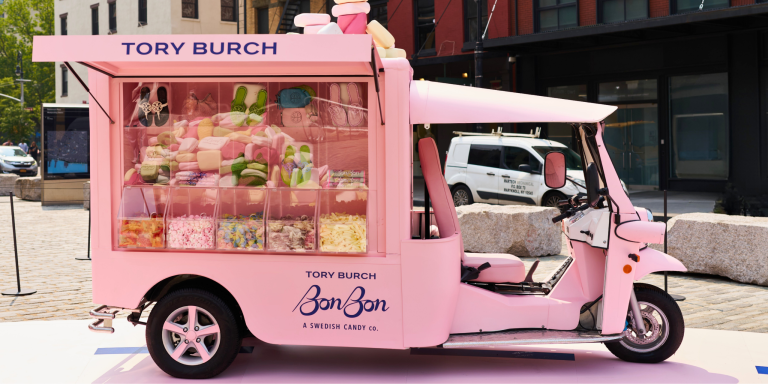
Super Bowl marketing stunts are out-of-home and experiential campaigns that brands run around the game rather than during the broadcast. They include mobile activations, branded vehicles, sampling in host and fan cities, street teams, projections, and pop-ups timed to game week, playoff runs, or watch parties.
The logic is simple. The cultural moment is free to participate in. The television inventory is not.
The Case Against the Super Bowl Ad (For Most Brands)
This section needs updating from the version of this argument you may have read a few years ago, because the numbers moved in the opposite direction to what many predicted.
The audience did not shrink. Super Bowl LIX drew a record 127.7 million viewers, the most-watched broadcast in US history, and Super Bowl LX peaked at roughly 137.8 million. The game is bigger than ever, which is exactly why the spot costs what it does.
Pricing reflects that. NBCUniversal charged around $8 million for a 30-second national spot in Super Bowl LX, with premium placements exceeding $10 million, and the network sold out its inventory before the season began.
So the honest case against the ad is not that it does not work. It is that it is unavailable and unaffordable for the overwhelming majority of brands:
- The airtime is only the start: with production, talent, and the surrounding campaign, a single Super Bowl effort commonly runs well into eight figures.
- Availability is limited: inventory sells out months ahead, often before your annual planning is finished.
- You are competing with the most expensive creative in the industry: roughly seventy national spots air, most backed by celebrity talent.
- Reach is national when your business may not be: paying for the whole country makes little sense if you sell in six markets. None of that means sitting the moment out. It means buying into it differently.
Why OOH and Experiential Work Around the Game
Out-of-home advertising is any advertising that reaches people outside the home, and experiential is its most interactive form. Around the Super Bowl, both benefit from something the broadcast cannot offer: physical presence in a city that is already celebrating.
Game week concentrates crowds in predictable places. Host city fan events, sports bars, tailgates, watch parties, plazas, and transit hubs all fill with people in a social mood who are receptive to something free and unexpected. A brand activation placed there reaches an audience already primed for the occasion.
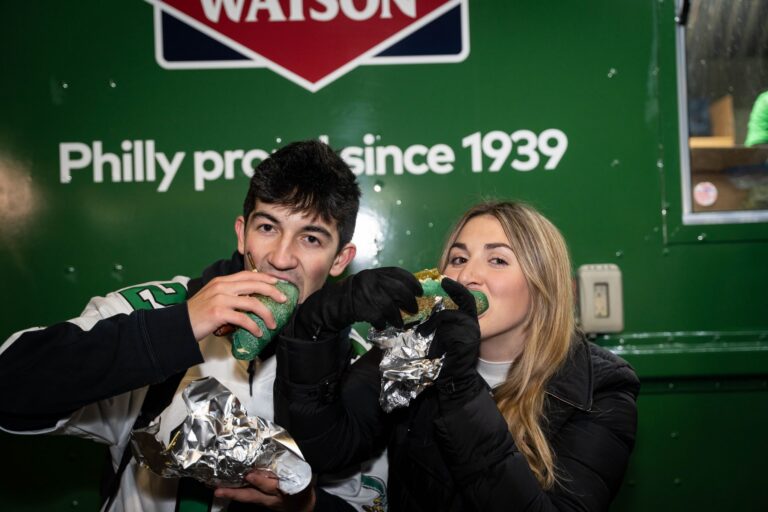
It also produces content. A branded vehicle feeding fans in team colors generates photos, local press, and social posts, which is reach you earn rather than rent.
5 Super Bowl Marketing Stunt Ideas
Here are five Super Bowl marketing stunt ideas that are guaranteed to be right through the uprights.
1. Feed the Fanbase During the Playoff Run
You do not have to wait for the game itself. The weeks leading up to it, when a city is watching its team advance, are often the highest-energy window of the entire season and far less crowded with competing brand activity.
2. Own the Host City During Game Week
The host city fills with visitors, media, and events for several days. A mobile activation can hit multiple neighborhoods and fan zones across the week rather than appearing once.
3. Activate at Watch Parties and Sports Bars
Every market has them, which makes this the most scalable option for a regional brand. Sampling outside a packed venue reaches a captive, enthusiastic audience at a fraction of any media cost.
4. Counter-Program the Ad Break
Some of the most effective stunts trade on not buying a spot. Being visibly present in the street while competitors spend eight figures on thirty seconds is itself a story local press will cover.
5. Extend a Regional Rivalry
Hometown pride is the strongest lever available here. Aligning with a city rather than the league gives you the emotional payload without the licensing complications.
For more on the format, see our guide to experiential marketing trucks and our roundup of the best guerrilla marketing campaigns.
The Trademark Rules You Need To Know
This is where brands most often get into trouble, and it is worth understanding before you build anything.
Super Bowl is a registered trademark of the NFL, and the league protects it aggressively. Team names, logos, and league marks are similarly protected. If your brand is not an official sponsor, using those marks in advertising or promotional materials can draw a cease and desist.
That is why you see so many campaigns referring to the Big Game, Championship Sunday, or the Football Championship instead. Practical guidance:
- Avoid the protected names and logos in your promotional copy unless you hold the rights to use them.
- Team colors and civic pride are a different matter: celebrating a city, and the general enthusiasm around it, is common practice.
- Do not imply official affiliation: the risk rises sharply when your campaign suggests you are a sponsor when you are not.
- Have counsel review the creative: this is not legal advice, and a short review before launch is far cheaper than a rebuild.
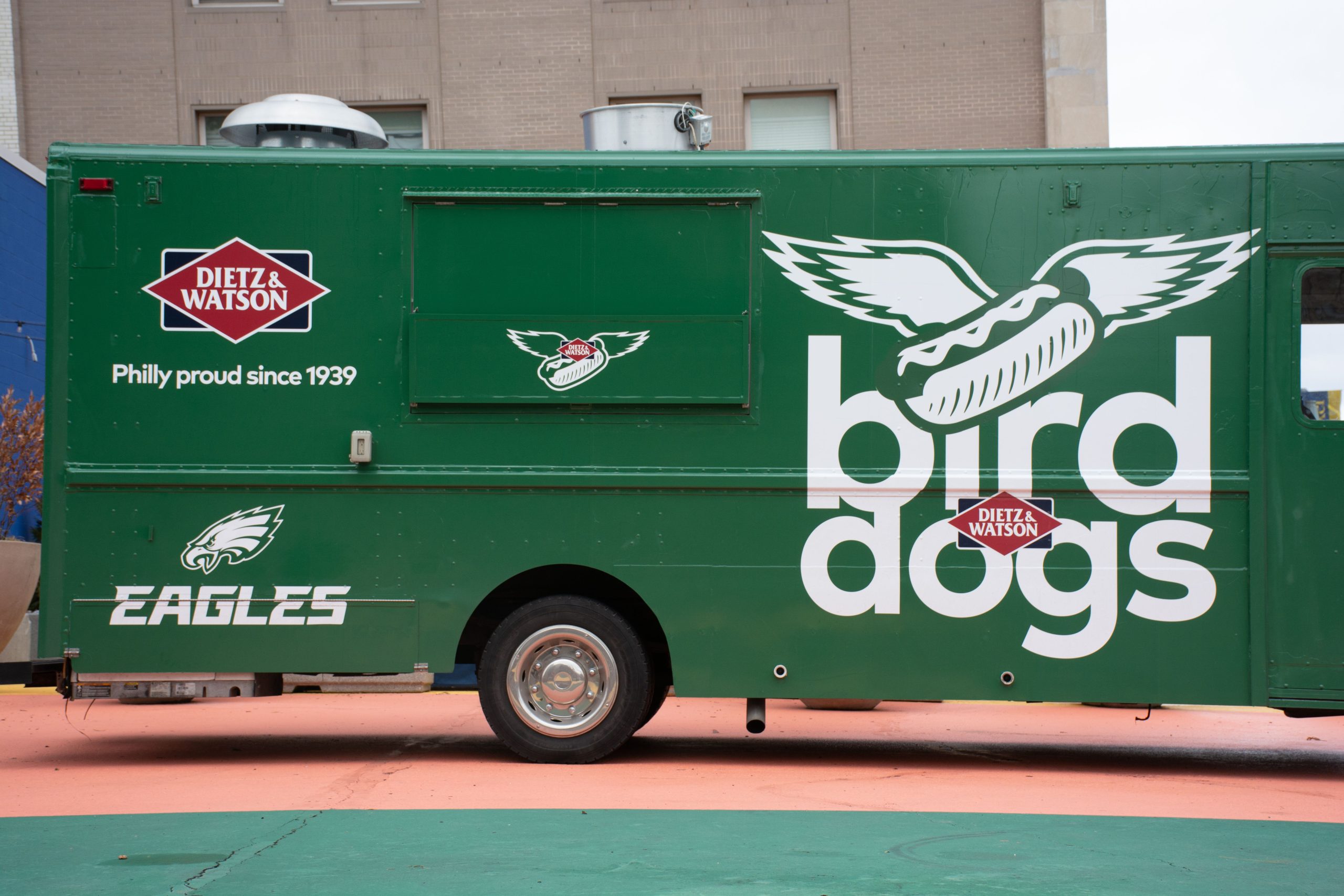
Case Study: The Dietz & Watson Bird Dog Truck