Promotional vehicles marketing turns everyday streets into stages for unforgettable brand experiences, using branded, mobile platforms to showcase products and connect with customers where they already are. In a crowded marketplace, brand marketing takes more than a clever slogan or a traditional ad, so companies are combining creativity with practicality: from food trucks at festivals to mobile brand stands with interactive displays, these campaigns bring products to life on the move.
Below are four creative ways promotional vehicles bring campaigns to life, plus the vehicle types, how to choose one, how to measure the results, and a real multi-city tour that shows it all in action.
Key Takeaways
- Streets become stages: Promotional vehicles turn ordinary sidewalks, festivals, and city centers into immersive brand activations that a billboard cannot match.
- Mobility beats a fixed location: These vehicles meet customers where they live, work, and play, rather than waiting for the audience to come to you.
- Customization is the advantage: Custom graphics, build-outs, and tailored design let every vehicle reflect a brand’s personality and campaign goal.
- Engagement drives results: Live demos, sampling, and face-to-face conversation create the kind of connection and word of mouth that passive ads cannot.
- The impact outlasts the event: A memorable, photogenic activation keeps working through social shares and lasting brand recall long after it ends.
Promotional vehicles marketing is the use of branded, mobile platforms, like trucks, trailers, carts, and vans, to deliver live, in-person brand experiences directly to an audience. Unlike static billboards or digital ads, these experiential vehicles move through communities, festivals, and city centers, combining custom graphics, product showcases, and brand ambassadors to engage customers and leave a lasting impression.
Here are four impactful ways your brand can use promotional vehicles marketing.
1. Experiential Marketing Vehicles Bring Campaigns to Life
The rise of experiential marketing has shifted focus from passive advertising to active engagement, and experiential vehicles let brands create immersive environments that connect directly with a target audience. A company can deploy a fleet to launch a new product with live demos, samples, and interactive displays. Unlike static billboards, these vehicles move through communities, festivals, and city centers, delivering an experience that feels personal. By meeting customers where they live, work, and play, brands engage them in ways traditional ads simply cannot, turning a campaign into an immersive experience that leaves a lasting impact.
2. Custom Marketing Vehicles Showcase Creativity and Style
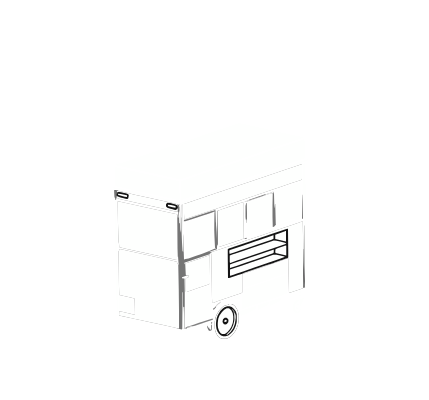
One of the most powerful aspects of promotional vehicles is their adaptability. With custom graphics, build-outs, and tailored style, brands can design vehicles that reflect their vision and personality. A well-designed brand stand on wheels becomes a moving showroom, complete with product displays and space for demonstrations. Smaller mini trucks or vans navigate tight urban areas, offering mobility and flexibility while still delivering a unique experience. From packaging to ribbon accents, every design choice reinforces a brand’s commitment to quality and creativity, so these vehicles become solutions that turn ideas into reality, showcasing a brand’s capabilities in motion.
3. Food Trucks and Trailers Deliver Direct Customer Engagement
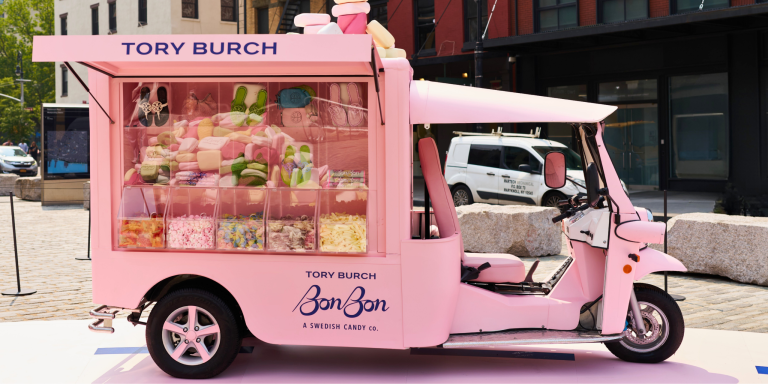
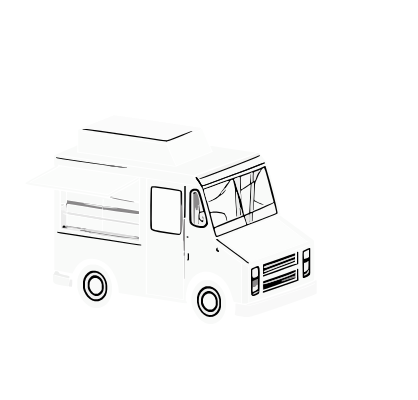
Few vehicles capture attention like food trucks and branded trailers. A promotional food truck blends experiential marketing with tangible value, offering everything from samples and refreshments to full product showcases. At festivals, concerts, and sporting events, branded food trucks and trailers are a smooth, effective way to reach large crowds, and they excel at product sampling, whether a beverage brand is handing out drinks or a tech company is running live demos. By combining mobility with hospitality, they become powerful tools for brand activation, delivering both fun and function while leaving a lasting impression.
4. Promotional Vehicles Deliver Lasting Impact Beyond the Event
The true power of promotional vehicles is the impact that extends well beyond the event itself, because unlike static ads, experiential vehicles are remembered for the experiences they provide. That memory travels: experiential word of mouth, the kind that comes from a direct, in-person experience, is the most powerful form, accounting for 50 to 80 percent of all word-of-mouth activity in a typical product category, according to McKinsey. When brands align logistics, process, and production with clear goals, every project runs smoothly and fosters genuine connections. A branded truck parked outside a busy office or a tuk tuk at a weekend festival can instantly turn ordinary streets into extraordinary marketing moments, and that ability to captivate, connect, and leave a lasting impression is what makes promotional vehicles one of the most powerful tools in modern brand marketing.
There is no one-size-fits-all option. The right experiential vehicle depends on your brand, budget, and goals. Common types include:
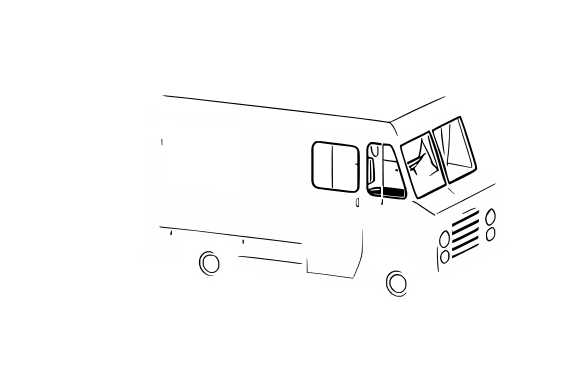
- Food trucks: A classic crowd-puller with a full kitchen, ideal for sampling, culinary activations, and multi-stop tours.
- Food carts: Compact and nimble, perfect for tight, high-foot-traffic spots and grassroots outreach.
- Tuk tuks: Quirky, photogenic, and easy to maneuver through dense urban areas.
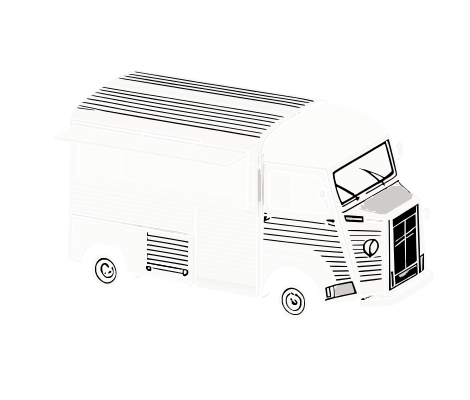
- Citroens and vintage vans: Timeless, premium charm for fashion, beauty, and lifestyle brands.
- Airstreams: Sleek and iconic, well suited to polished lounges and mobile showrooms.
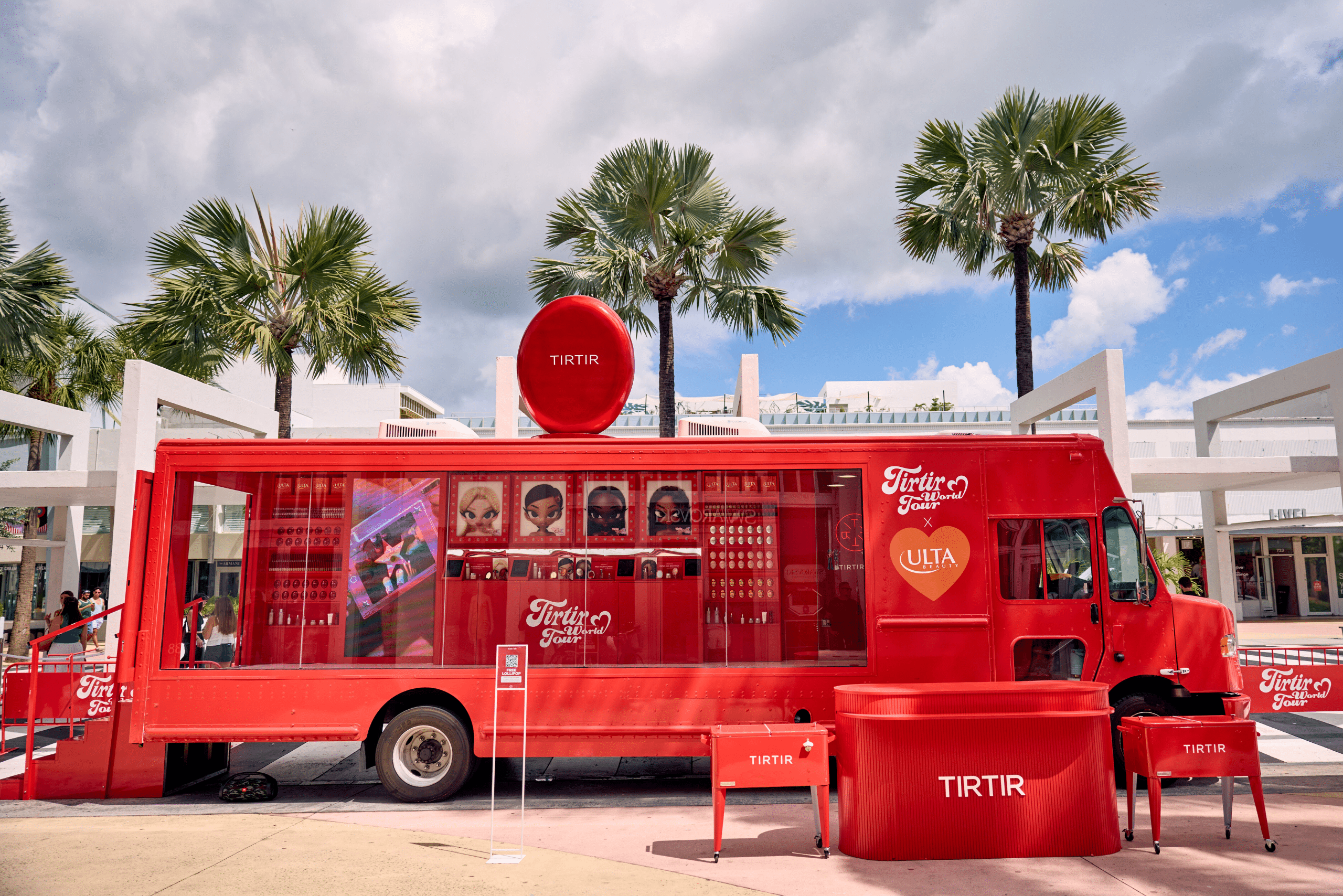
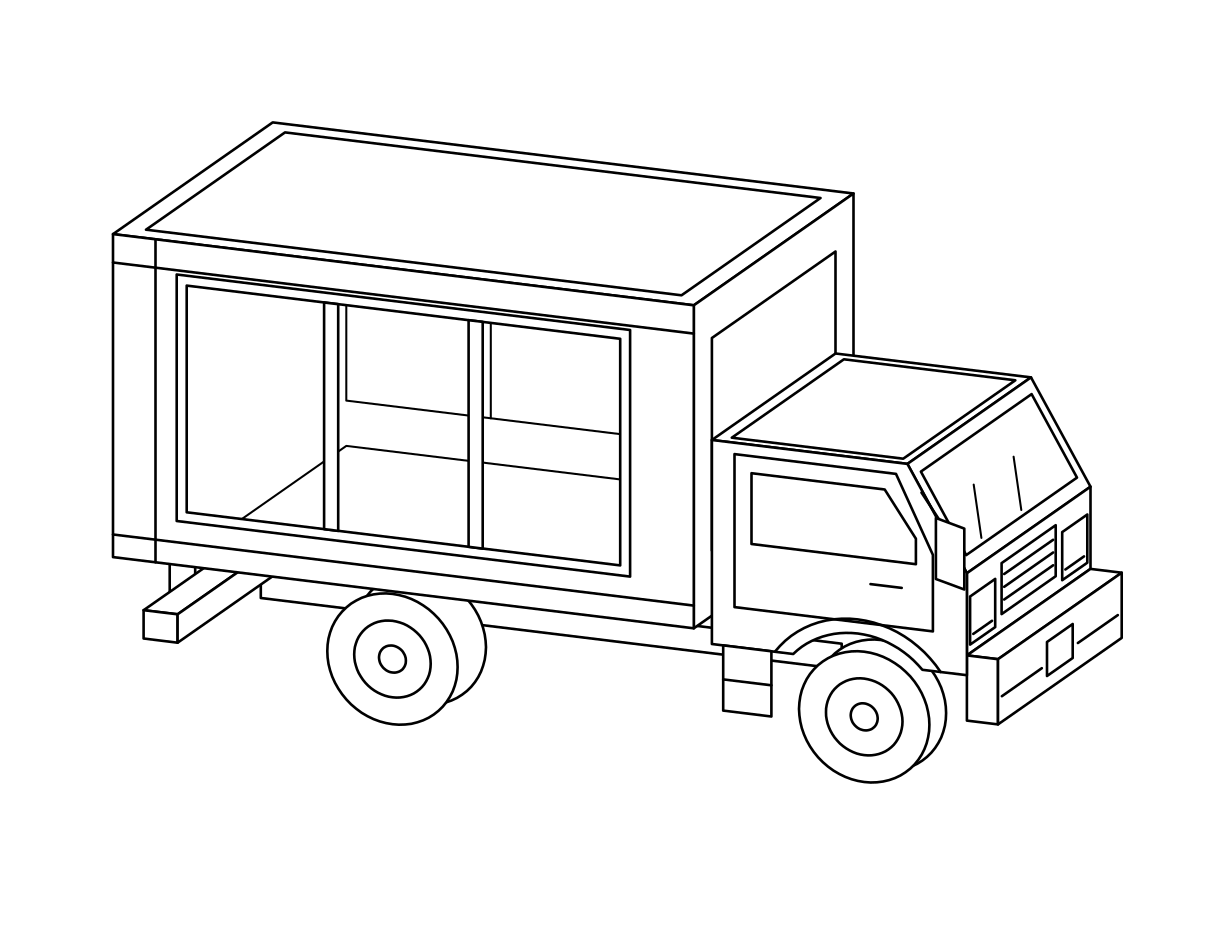
- Glass trucks: Transparent walls that put a product on full display for demos and reveals.
For a fuller breakdown of every vehicle and how to match one to your goal, see our complete guide to experiential marketing vehicles, or the benefits of mobile marketing vehicles.
With so many formats, the right choice comes down to a few questions:
- Start with the goal: Awareness, sampling, lead capture, or sales? Match the format to the outcome.
- Know your audience and route: A campus, a festival, or a downtown lunch crowd each suit different vehicles.
- Match the vehicle to the product: A food truck suits a beverage launch, a glass truck suits a product reveal, and a tuk tuk suits nimble urban sampling.
- Plan logistics early: Permits, fabrication, staffing, and routing all take lead time, so partner with an experienced team that handles them.
A promotional vehicle campaign should be built to be measured. Decide on your metrics before launch, then track them on site and afterward:
- Foot traffic and interactions: How many people engaged or sampled.
- Lead capture: QR scans, email sign-ups, and survey responses.
- Conversions: Promo-code redemptions, on-site sales, and post-event purchases.
- Social reach: Hashtag use, tags, and user-generated posts.
- Earned media: Press pickups and influencer coverage.
Tie each metric back to your goal so you can prove the return and improve the next campaign.
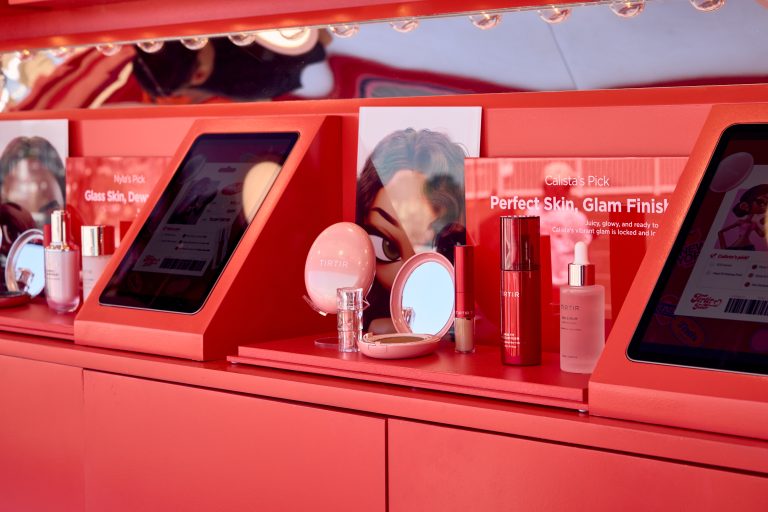
Case Study: TIRTIR’s World Tour Glass Truck