Nonprofit marketing asks a small team to compete for attention against organizations with a hundred times the budget, and still bring in donors, volunteers, and advocates.
The good news is that the fundamentals favor you. Causes have something most brands spend millions trying to manufacture: a reason for people to care. The job is turning that into a repeatable system for reaching people, moving them to act, and keeping them.
This guide covers the full funnel for nonprofit organization marketing, from awareness through retention, and where in-person community moments fit in.
Key Takeaways
- Giving is at a record high: total US charitable giving passed 600 billion dollars for the first time, so the dollars exist even when competition for them is fierce.
- Digital revenue is growing again: online giving rose sharply in 2025 after two flat years, making digital channels worth the investment.
- Retention beats acquisition: keeping an existing donor costs far less than finding a new one, and monthly giving compounds over time.
- Community presence builds trust: in-person events and activations create the personal connection that turns a one-time donor into a repeat supporter.
- Corporate partnerships unlock budget: a brand partner can fund the activation while your organization gains reach it could not buy.
What Is Nonprofit Marketing?
Nonprofit marketing is the practice of promoting a mission-driven organization to grow awareness, donations, volunteers, and advocacy. It covers email and direct mail, social and content, search, events and community presence, media relations, and partnerships with corporate sponsors.
It differs from commercial marketing in what it sells. Instead of a product with a price, you are asking people to fund an outcome they will not personally receive. That makes trust, transparency, and emotional clarity the core assets rather than features or discounts.
The State of Nonprofit Marketing in 2026
The funding environment is stronger than the headlines suggest. US charitable giving reached 617.20 billion dollars in 2025, crossing the 600 billion dollar mark for the first time.
Digital performance improved too. Online revenue for the average nonprofit rose 15 percent in 2025 after two relatively flat years, with gains across nearly every sector.
The caution behind those numbers: growth has been driven by fewer, larger gifts while the broad base of individual donors continues to shrink. That makes donor acquisition and community-level relationship building more important, not less.
The Nonprofit Marketing Funnel
Awareness
People cannot give to what they have not heard of. Awareness work includes social content, earned media, search visibility, community events, and partnerships that borrow another organization’s audience.
Acquisition
Turning attention into a contact. Email capture, event sign-ups, petitions, and volunteer registrations all create a relationship you can nurture, and every one of them should be collected wherever your organization appears in public.
Conversion
Asking clearly and making giving easy. Specific asks tied to concrete outcomes outperform general appeals, and the path from ask to completed gift should be as short as possible.
Retention
The highest-leverage work in the funnel. Thanking donors promptly, reporting on impact, and converting one-time donors into monthly sustainers protects revenue that would otherwise have to be replaced every year.
Where Events and Activations Fit
Community presence is one of the few channels where a small organization can outperform a large one, because proximity and authenticity matter more than budget. A physical presence at a festival, a neighborhood event, or a partner brand’s activation gives people a face to associate with the cause.
Three formats work particularly well for mission-driven organizations:
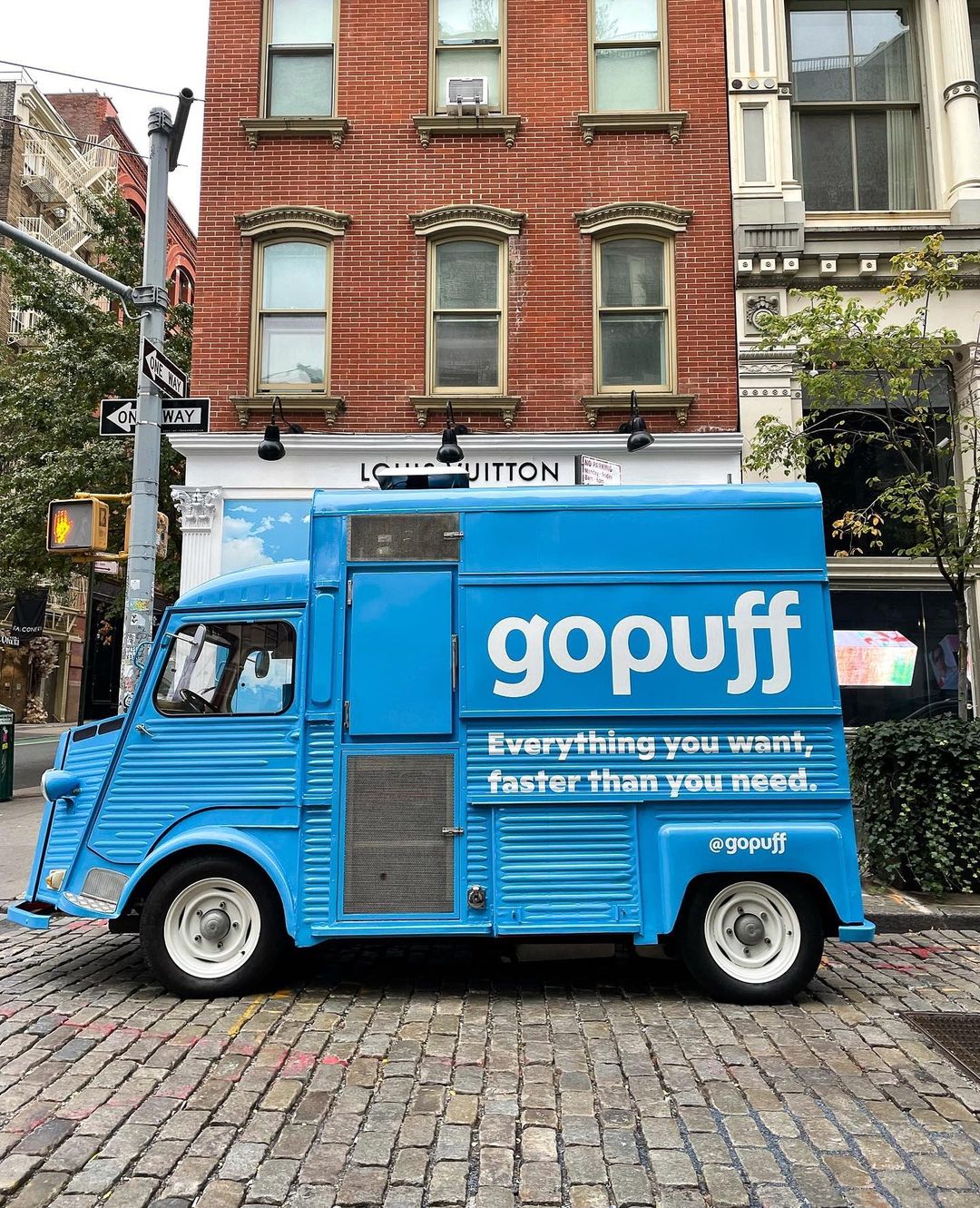
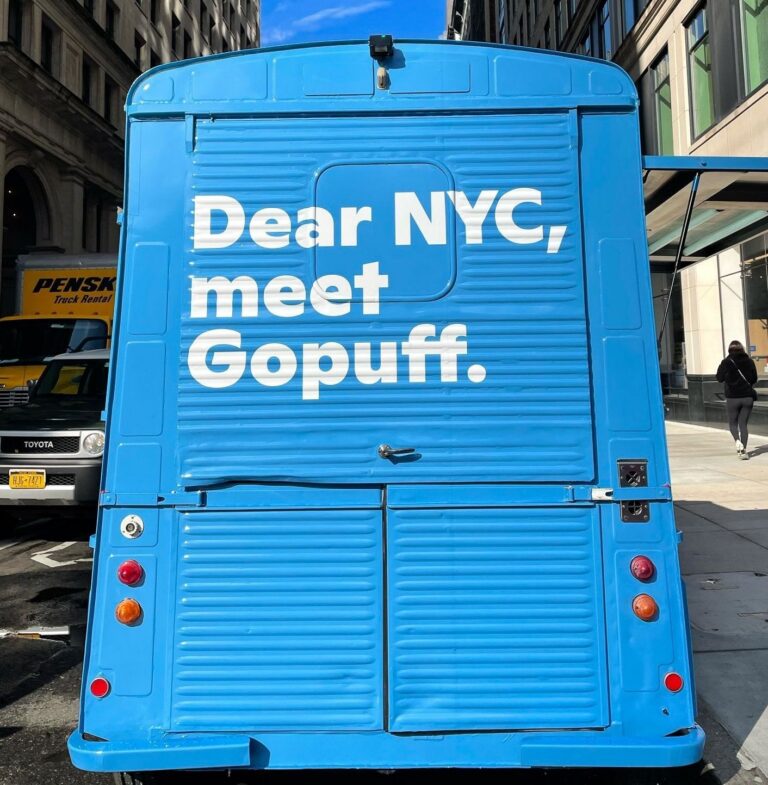
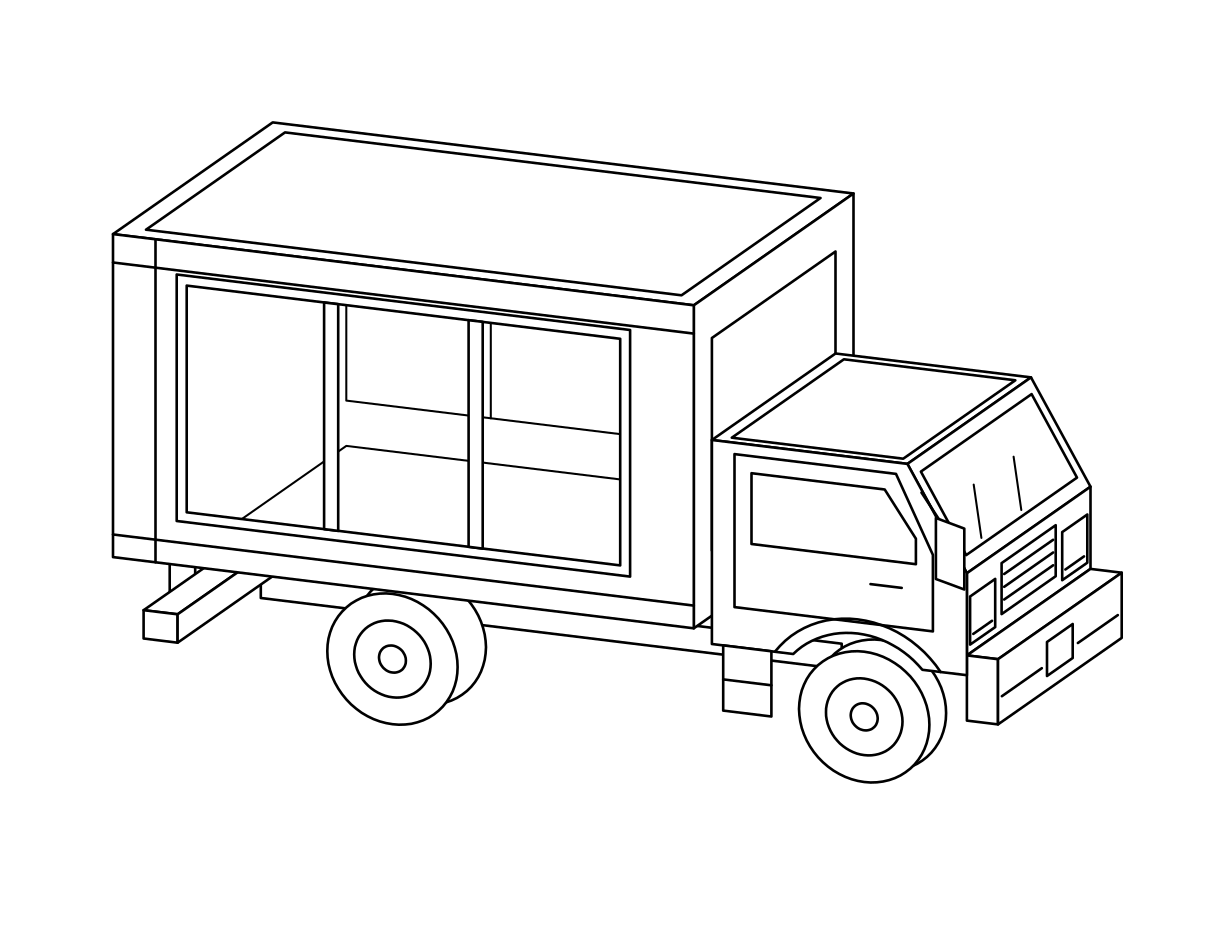
- Community sampling and giveaways: a branded vehicle or booth handing out something useful earns the conversation before the ask.
- Corporate partnership activations: a brand sponsor funds the experience, your organization supplies the cause, and both gain reach.
- Awareness tours: a single build that travels between neighborhoods or cities, multiplying the number of communities you reach. If you are weighing formats, our comparison of experiential marketing vehicles breaks down what each build does best, and our guide to experiential marketing trucks covers truck options for community activations.