How to Start Your First Mobile Pop-Up Shop: A Step-by-Step Guide

By: Ashley Elarde 11 min read

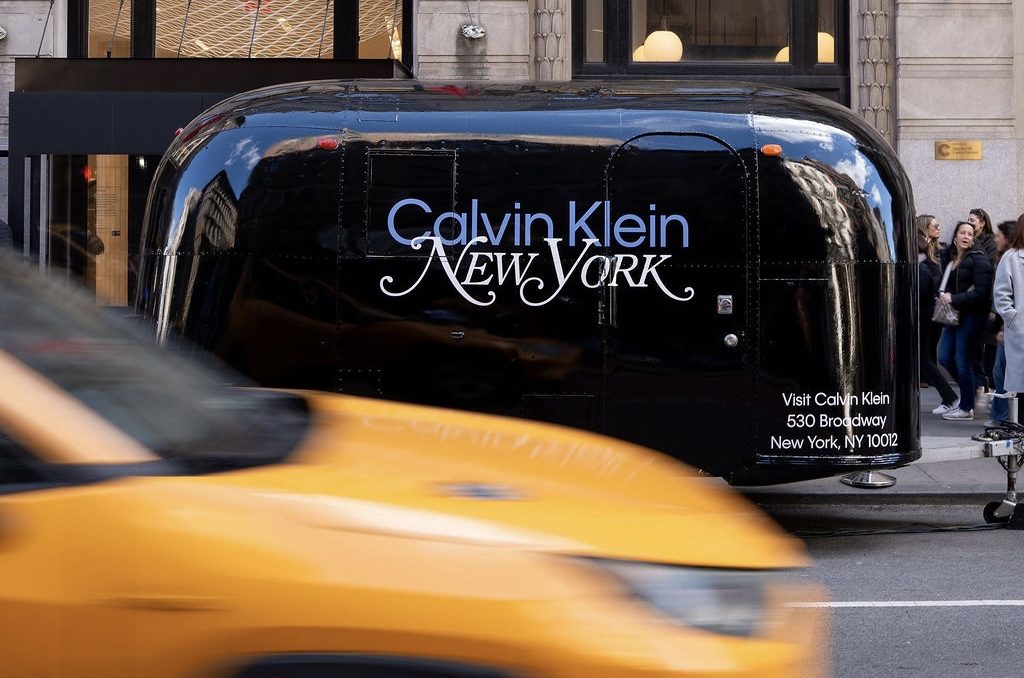
A yellow taxi passes a Calvin Klein trailer by a historic New York building with people nearby.

Starting your first mobile pop-up shop is far more achievable than most brand teams expect, provided you run the steps in the right order. The teams that struggle are almost always the ones that started with a vehicle or a venue and worked backward. The teams that get lines around the block started with a goal and let every other decision follow from it.


We’ve taken hundreds of brands through this exact sequence, from first-time DTC founders to global names like Glossier and Nespresso, and the process is the same seven steps every time. This guide walks through each one: goal, audience and locations, format and vehicle, permits and logistics, staffing, marketing, and measurement, with the timelines, pitfalls, and a real launch that shows the whole sequence working.

Key Insights

  • Order matters more than budget: Goal first, then locations, format, logistics, staffing, marketing, and measurement. Teams that pick the vehicle first end up designing the campaign around a constraint.
  • One primary metric drives everything: Samples, sales, leads, or store traffic; naming the single number the pop-up must move decides your format, layout, staffing brief, and what you report.
  • Location is a strategy, not an address: The strongest launches park where the audience already is, often directly outside the brand’s own store or retail partner.
  • Permits and fabrication are the clocks you can’t compress: Plan six to eight weeks minimum for a straightforward build, and book two to three months ahead for peak summer dates.
  • Measurement is designed in, not added on: QR codes, sign-ups, and promo codes built into the experience are what turn opening day into reportable results, like Glossier’s 2,000+ leads in one day.

First, What Counts as a Mobile Pop-Up Shop?

A mobile pop-up shop is a temporary retail or brand experience built into a vehicle, such as a truck, cart, bus, or trailer, that travels to wherever your customers already are. The format covers retail pop-ups that sell on site, sampling activations that drive trial, mobile cafes and bars, and showrooms that push traffic into stores. If you want the full backgrounder before the how-to, start with our complete guide to mobile pop-up shops; this post is the launch sequence.

Step 1: Set the Goal and One Primary Metric

Every decision in the next six steps depends on what the pop-up must accomplish, so this step comes first and gets written down. Are you launching a product, driving trial, generating leads, testing a market, or pushing traffic into a retail partner?


Then convert the goal into one primary metric: samples served, units sold, sign-ups captured, or store visits driven. One number, chosen before anything is booked. Everything else becomes supporting evidence. A useful pressure test: if the pop-up hit only this number and nothing else, would the campaign still count as a win? If not, you’ve picked the wrong metric. When the goal is fuzzy, pop-ups default to “it felt busy,” and busy is not a result you can take to a budget meeting.

Step 2: Define the Audience and Choose Locations

Now decide who the pop-up is for and go where they already are, because a mobile pop-up shop’s superpower is that the location is a choice, not a lease. High-foot-traffic shopping streets, festivals, campuses, beaches, and transit-adjacent corners all work; the filter is your audience’s actual habits.


The sharpest location play is proximity to the purchase. Parking directly outside your own store or a retail partner turns the activation into a traffic engine with built-in attribution. It’s the move Glossier made, and Nespresso, and Rag & Bone, and it works for brands at any size. Route matters too: one build can work multiple neighborhoods or cities, so plan stops as a sequence rather than a single pin.

Step 3: Pick the Format and Vehicle

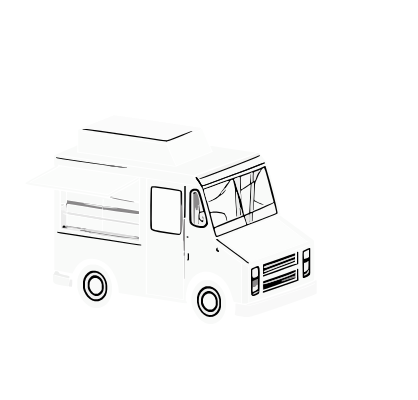
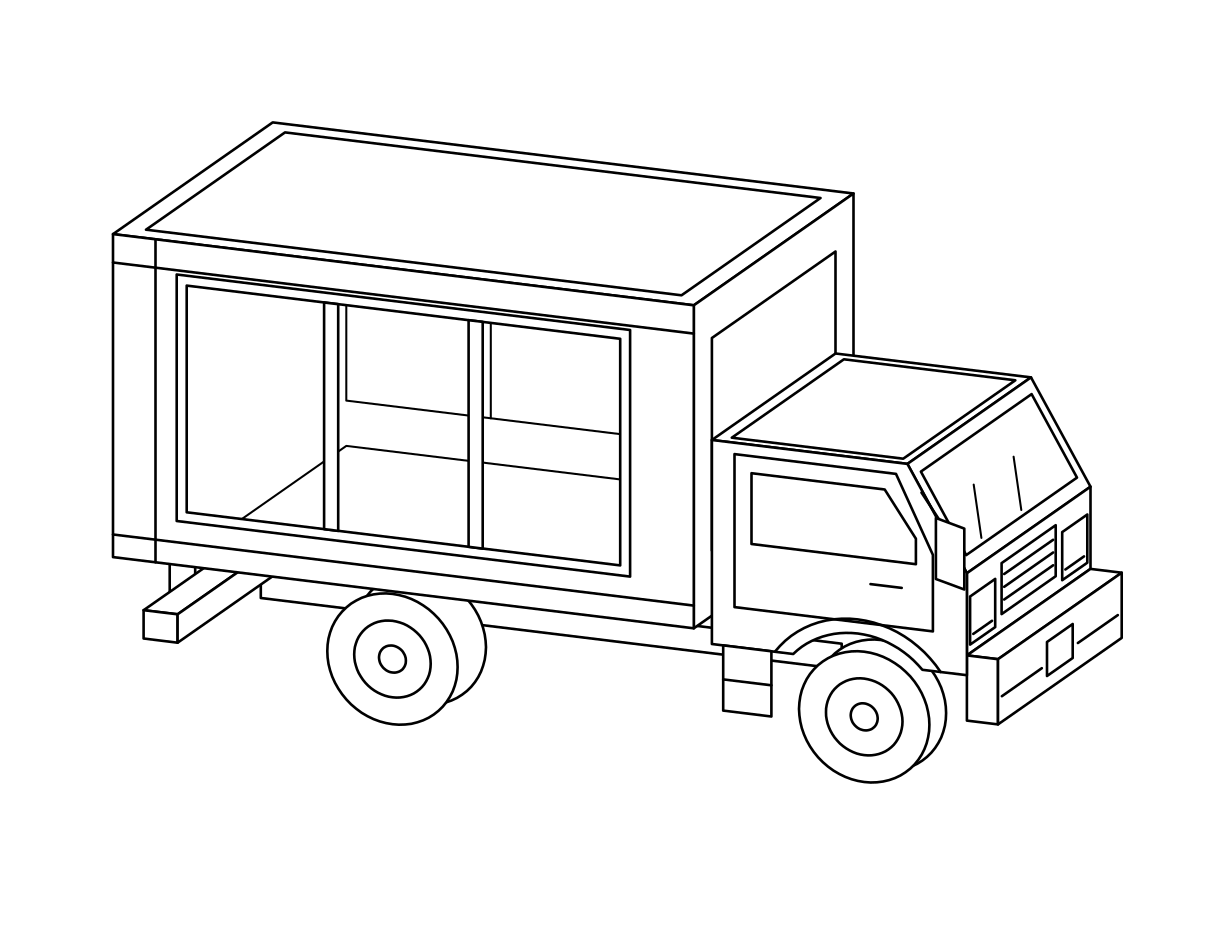
With the goal and locations set, the format usually picks itself: sampling at volume points to a food truck or cart, on-site retail points to a walk-in build, education and demos point to a glass truck or Airstream showroom, and a beverage-led experience points to a cafe or bar format.


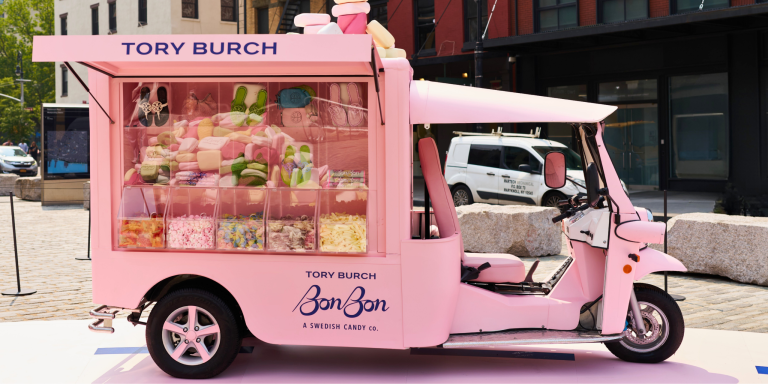
The vehicle then follows the format, the product, and the route. Browse the experiential vehicles fleet to see the physical options, from tuk tuks to double-deckers, and design the build around your customer journey: how guests approach, what they do at the vehicle, and what they leave with. Design is its own discipline, and our guide to designing a mobile pop-up shop covers the build-out, branding, and layout in full. For your first pop-up, the rule that matters most: build one photo-worthy moment into the design on purpose.

Step 4: Handle Permits, Insurance, and Logistics Early

This is the step first-timers underestimate, and it’s the one with hard deadlines attached. Operating a vehicle-based activation typically requires location permits from the city, liability insurance, and, if you’re serving food or drinks, health and food-service compliance. Alcohol adds liquor licensing that varies significantly by state, city, and venue.


Start this workstream the moment locations are shortlisted, because approval timelines are outside your control. As a planning baseline from our own production calendar: a straightforward launch needs six to eight weeks end to end, peak summer dates should be booked two to three months in advance, and holiday activations need eight to twelve weeks because themed fabrication and Q4 location demand stack up. Logistics also covers the unglamorous essentials: power, water, waste, parking legality at each stop, and a weather contingency.

Step 5: Staff It With Brand Ambassadors

The people at the window are the brand for every guest who visits, so staff the pop-up with brand ambassadors briefed on the product, not just the service. A great ambassador does four jobs at once: delivers the sample or sale, tells the product story, invites the photo and the hashtag, and drives the data capture your measurement depends on.


Write the brief like a script outline: the three product points that matter, the one action to invite every guest toward, and how to handle the line at peak. Run a walkthrough before doors open so the team has poured, sampled, and photographed once before a guest arrives. And plan coverage honestly; an understaffed truck with a long line converts attention into frustration.

Step 6: Market the Opening Before Doors Open

Turnout is engineered in advance, not hoped for on the day. Two to three weeks out, announce the pop-up where your audience already follows you and drip the details: the location reveal, a peek at the build, the giveaway. Give the campaign one branded hashtag from the first post. Seed a handful of local creators whose audiences can actually attend, and pitch local press and event roundups with the hook, the vehicle, the collaboration, or the exclusive, two weeks ahead.


Promotion is a discipline of its own, and our guide to marketing a pop-up shop covers the full before-during-after playbook. The short version: the brands that draw lines treat opening day as the finish line of the marketing, not the start.

Step 7: Capture, Measure, and Report

Before doors open, build the mechanisms that make results countable: a QR code tied to a giveaway or sign-up, a promo code distributed only at the event, a pour or sample count, and a hashtag you can track. During the event, count consistently. Within 48 hours after, package the recap: the primary metric against its target, the supporting numbers, the best photos and guest content, and the recommendation for what’s next.


Our full framework for pop-up shop metrics, KPIs, and ROI covers attribution and stakeholder reporting in depth. The principle that matters on your first launch: count it or it didn’t happen.

Case Study: How Glossier Launched Cloud Paint’s New Shades

Glossier’s Summer Scoops activation is the seven-step sequence executed almost perfectly, which is why it’s worth studying before your first launch.


The goal was a launch with measurable capture: introduce two limited-edition Cloud Paint blush shades, Wisp and Soar, and grow the brand’s SMS list. The locations went where the audience already was, with three matching ice cream trucks parked directly outside Glossier’s own stores in Soho, Williamsburg, and West Hollywood, a bi-coastal route run in a single day. The format made the product tasteable: trucks designed to mimic Cloud Paint’s soft pink-and-purple finish served sorbet flavors matched to the shades, strawberry-raspberry for Soar and blueberry for Wisp. The design built the photo moment in, with rose-filled buckets and full collection displays. Staffing and marketing worked together, as guests were invited to shop the collection in store, swatch the shades, and share with branded hashtags, and the event generated significant organic influencer content. And the measurement was designed in from the start.


The result, in one day: more than two thousand new SMS marketing leads, a boost in sales, and a wave of user-generated content that amplified the launch well past three street corners.

Your First Pop-Up, Produced Right

Run the seven steps in order and your first mobile pop-up shop stops being a leap and becomes a sequence: goal, audience and locations, format and vehicle, permits, staffing, marketing, measurement. Skip a step and you’ll feel it on opening day; run them all and you’ll have the results, and the recap, that make the second one an easy yes.


Two ways we can help. Download the free Mobile Pop-Up Shop Launch Checklist [link to lead magnet], which turns this exact sequence into a working document your team can run. Or if you’d rather hand the production to a team that does this every week, from the fleet to the permits to the reporting, get in touch and see how our mobile pop-up services take a first pop-up from concept to curb.

Frequently Asked Questions

How do I start a mobile pop-up shop?

Run seven steps in order: set a goal and one primary metric, define the audience and locations, choose the format and vehicle, handle permits and logistics, staff with brand ambassadors, market the opening in advance, and measure results against the goal. The order matters more than the budget.

How long does it take to launch a mobile pop-up shop?

Plan six to eight weeks minimum for a straightforward launch, longer for custom fabrication or multi-city routes. Peak summer dates should be booked two to three months in advance, and holiday activations need eight to twelve weeks because fabrication and prime Q4 locations are in high demand.

Do I need permits for a mobile pop-up shop?

Yes. Most cities require location permits and proof of insurance, food service adds health compliance, and alcohol requires liquor licensing that varies by state, city, and venue. Start permitting as soon as locations are shortlisted, since approval timelines are outside your control.

How much does it cost to start a mobile pop-up shop?

It depends on the vehicle, build complexity, route, and duration, so campaigns are scoped individually. The main cost drivers are fabrication and wrap, vehicle and permits, staffing, and product. A focused single-market launch costs far less than a custom multi-city tour, which is why the goal comes first.

What vehicle should a first-time pop-up use?

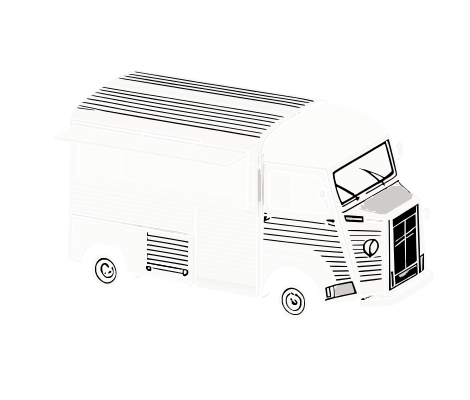
Match it to the goal and product rather than the aesthetic. Sampling at volume suits a food truck or cart, on-site retail suits a walk-in build, demos suit a glass truck or Airstream, and charm-led launches suit a vintage Citroen or tuk tuk. Route and venue rules narrow it further.

Where should I locate my first pop-up shop?

Where your audience already is, with proximity to purchase as the sharpest play. Parking outside your own store or a retail partner turns the pop-up into a traffic engine with built-in attribution, exactly how Glossier ran its Cloud Paint launch outside its own stores.

How do I promote a pop-up shop opening?

Start two to three weeks out: announce on your own channels, drip the location and build reveals, run one branded hashtag from the first post, seed local creators whose audiences can attend, and pitch local press with the hook. Treat opening day as the finish line of the marketing.

How many staff does a mobile pop-up shop need?

Enough to keep the line moving at peak while still capturing data, typically two to four brand ambassadors for a single-vehicle activation depending on format and expected traffic. Brief them on the product story, the one action to invite, and how to keep service fast when it’s busy.

How do I measure my first pop-up shop?

Pick one primary metric before launch, then build capture into the experience: a QR code, a sign-up, a promo code, and a sample count. Report the number against its target within 48 hours. Glossier’s one-day launch captured more than two thousand SMS leads because capture was designed in.

Should I produce a pop-up myself or hire an agency?

First-timers can self-produce a simple cart activation, but vehicles, fabrication, permits, insurance, and staffing each carry real failure modes. A full-service experiential agency handles all of it as one production with its own fleet, which usually costs less than assembling the pieces separately.


Ashley Elarde

Author

Ashley Elarde

Social Media Manager @ FTP Agency

Ashley Elarde is a social media strategist, content creator, and experiential marketing professional with experience bringing brands to life through engaging digital content. She has helped execute campaigns for brands across beauty, fashion, retail, and entertainment, developing campaigns that drive engagement and meaningful consumer connections.

More posts
How to Design a Mobile Pop-Up Shop: Build-Out, Branding, and Layout