Mobile product sampling tours take one branded vehicle, one sample and one crew through several cities on a route, so a brand gets a national launch moment and a per-city read on demand from a single build. Mobile sampling, defined simply, is product sampling from a vehicle that moves: the counter is on wheels, the permit is per location, and the same activation can run in Austin on Tuesday and Dallas on Thursday. We have two posts that cover tours in general, the mobile marketing tour hub and the how to plan a mobile marketing tour planner, and this one does not repeat them. It covers the sampling-specific layer: sample volume per stop, cold chain across cities, restock logistics, per-city health sign-off, crew continuity and the capture that lets you compare stops.
Key Takeaways
- A sampling tour is a sampling program multiplied, and the things that break are the ones that have to repeat: sample supply, cold chain, health permits and the crew.
- Plan sample volume per stop from the dwell and the hours, then ship to each city’s commissary ahead of the vehicle, never in the vehicle.
- Cold chain across cities is a logistics plan, not a fridge: cold storage in each market, a temperature log that travels, and a restock that arrives before the vehicle does.
- Health sign-off is per city. The New York permit means nothing in Los Angeles; file them in parallel from week two.
- The same core crew at every stop is what makes the data comparable. Swap the crew and you have several events, not a tour.
What Makes a Sampling Tour Different From a Marketing Tour
A marketing tour is a vehicle and an experience traveling a route. A sampling tour adds a consumable or a trial product at every stop, which brings four things with it: inventory that has to be in the right city at the right time, a cold chain for anything perishable or heat-sensitive, a health permit in every jurisdiction, and a capture mechanic that has to produce the same number in every market. The tour planner covers routing, vehicle transport, permits for the location and budget. This guide covers the sampling layer on top of it.
Sample Volume Per Stop
The first number to get right is how many samples each stop needs, because the sample is the inventory and inventory that is not in the city is a stop that runs out at 2 pm.
Work it from the hours and the pace. A sampling counter on a pedestrian street moves 80 to 150 samples an hour at peak; a truck at a festival gate or a finish line 300 to 500; a consultation format (skincare, shade matching) 40 to 80 because each interaction takes minutes. Multiply by peak hours, add the off-peak hours at a third of the rate, and add 20 percent for breakage, staff trial and the crowd that turns up when the photo goes on social.
A practical example: a two-day skincare consultation stop with six hours a day, two of them peak. Peak: 2 hours x 70 = 140. Off-peak: 4 hours x 25 = 100. Per day 240, per stop 480, plus 20 percent, round to 600 minis per stop. A six-city tour needs 3,600 minis, shipped in six lots.
Then decide what counts as a sample. A deluxe mini converts and costs more; a sachet is volume. Most tours carry both: the mini for the consultation, the sachet for the line. See the beauty sampling guide for the unit decision.
Shipping and Cold Chain Across Cities
Samples do not travel in the vehicle. The vehicle is on a transporter between cities or being driven, it is not refrigerated in transit for days, and anything in it is at the mercy of the generator. Samples ship ahead to each city.
The pattern that works: a commissary, warehouse or cold storage partner in each market receives the city’s lot a week before the stop, holds it at temperature, and the crew collects it the morning of load-in. Beverage brands use their distributor’s cold storage; beauty and CPG brands use a 3PL or the agency’s partner. The vehicle’s refrigeration holds the day’s supply, and the restock comes from the local cold storage, not from the next city’s lot.
Temperature matters even for products that are not food. Fragrance, serums, lip products and chocolate all degrade or melt in a hot vehicle in July. The temperature log travels with the tour, one sheet per city, so a complaint in city four can be traced.
The failure modes to plan for: a lot delayed in transit (hold a buffer from the previous city), a generator failure (shore power agreements at each location, a second generator on the truck), and a stop that runs hot (a hard cap on samples per hour so the last hour is not empty). The food and beverage sampling guide covers holding temperatures in detail.
Per-City Health Sign-Off
A sampling tour needs a health department approval in every city where anything is consumed or applied to skin, and none of them transfers. New York’s temporary food service approval does not cover Los Angeles County; Chicago’s temporary food license does not cover Miami-Dade. For cosmetic sampling the rules are lighter but retailer partners and some venues have their own standards.
The practical approach: file every city’s health application in parallel in week two, with the vehicle’s specs, the sample, the handling plan and the commissary letter for that city. Lead times are six to eight weeks in the big markets and shorter in secondary ones, so the tour date is set by the slowest city on the route. A food handler certification for every crew member is accepted in most states if it is ANSI-accredited; check the states that require their own.
Private property shortcuts work per city too: a retail center’s lot with the owner’s agreement replaces the city location permit but not the health permit for the unit.
Restock Logistics
Restock on a tour has three layers. Within the day, from the vehicle’s cold storage to the counter, run by the captain every hour. Within the stop, from the local cold storage to the vehicle, scheduled for the morning of day two or the mid-afternoon of a long day. Between stops, the next city’s lot already sitting in the next city’s cold storage.
Count out and count back at every layer. Units distributed per hour is the denominator for every metric the report will carry, and a tour that estimates it in city one and counts it in city three cannot compare them.
Serviceware, cups, napkins, bags and printed collateral travel with the vehicle in bulk with a buffer; they are the things that run out quietly.
Crew Continuity
The single most common reason tour data is not comparable is that the crew changed between cities. Different people, different script, different capture discipline, different numbers.
The fix is a core crew of three to five who travel every stop: the captain, the lead sampler or demo specialist, the capture lead, and one or two more depending on format. They train once, carry the script and the product knowledge, and know the permit conditions because they read them in city one. Local ambassadors are added in each market for the line, under the core crew’s lead. Travel, lodging and per diem for the core crew cost less than retraining a new team in every city and far less than four sets of numbers that cannot be compared. The brand ambassador agency guide covers the staffing model.
Capture That Compares Stop to Stop
The reason to run a tour rather than four events is the comparison: which city, which neighborhood, which day of the week produced the most trial, sign-ups and redemptions. That comparison only exists if the capture mechanic is identical at every stop.
- One mechanic for the whole tour. The same QR, the same SMS keyword, the same redemption code structure, with a city suffix so the data separates.
- The same script. The capture ask is worded the same way by the same core crew.
- The same denominator. Units distributed by tally, every hour, every city.
- A per-city dashboard, not a tour total, so the brand can see where demand sits.
- The same photo brief, so the content from each stop is comparable too.
At the end, the report shows the funnel per city and the cost per trial per city. That is what tells a K-beauty brand which market gets the next retail push, or a beverage brand which distributor to back. The measurement guide has the full funnel and a template.
Vehicle Choice for a Sampling Tour
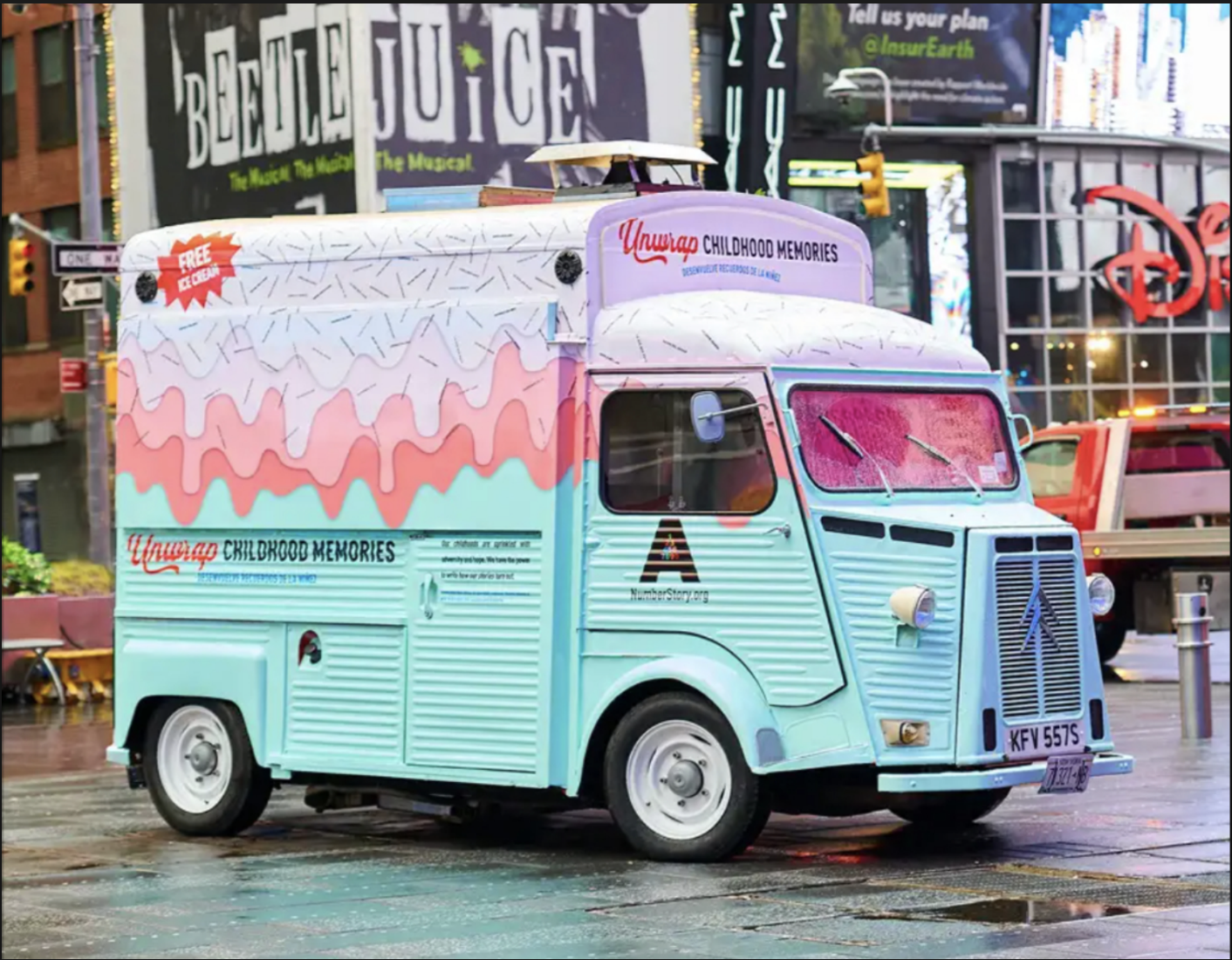
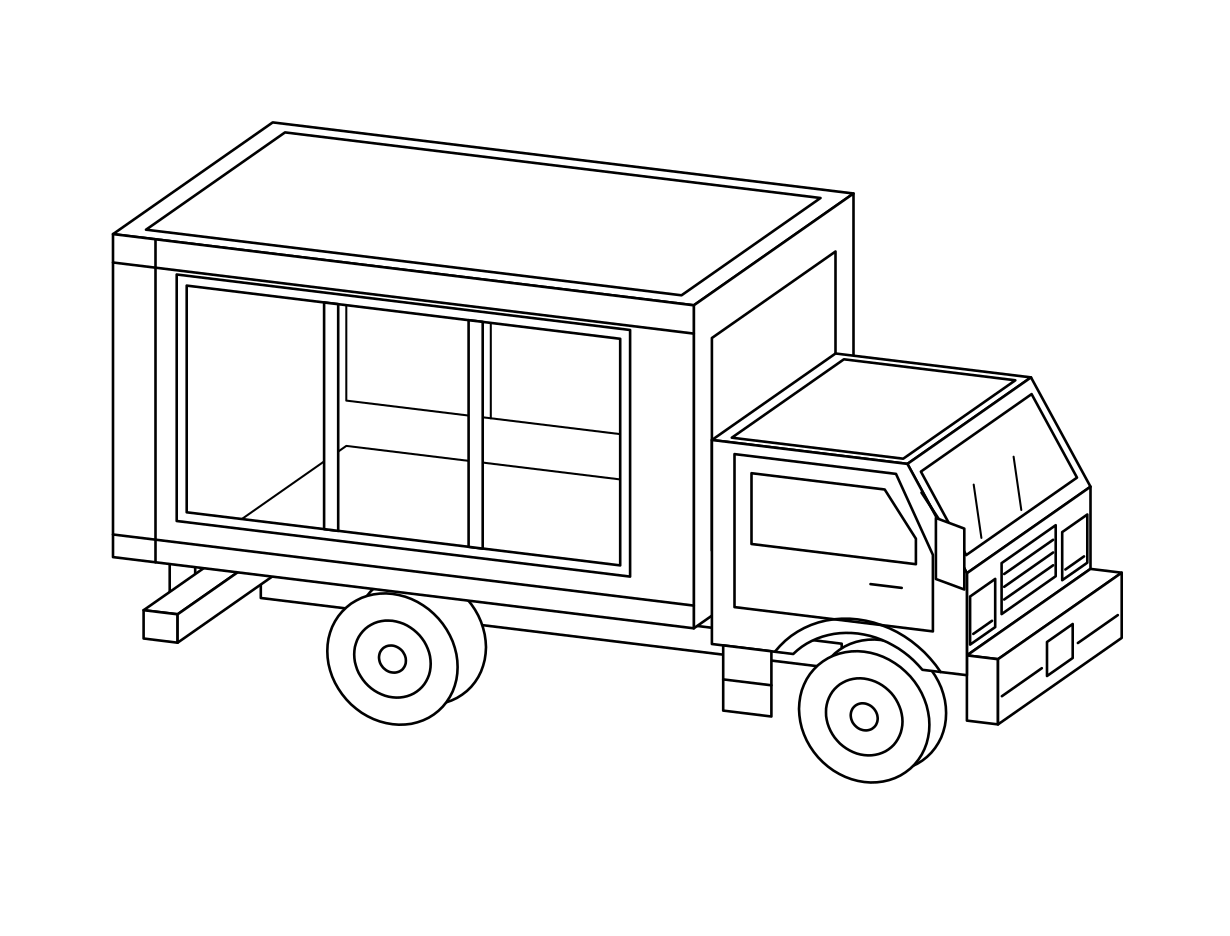
The vehicle has to carry the sampling format, survive transport between cities and fit the locations on the route. A Citroen or a food cart tours easily (small, light, easy to permit) and suits a counter format. A food truck carries refrigeration and a kitchen for consumables. A glass truck is the showroom format and needs a hard surface and a sightline at every stop. An Airstream is the long-dwell format and needs the most space. The mobile marketing tours page covers the tour formats; the vehicle pages cover footprints.
What a Mobile Sampling Tour Costs
Ranges for a tour on one owned vehicle with a traveling core crew, including build, permits, health sign-off, sample handling, staffing, transport and reporting; the brand supplies the samples.
| Tour | Typical cost | Activation days | Lead time |
|---|
| Three-city regional tour, cart or Citroen | $150,000 to $220,000 | 6 | 10 weeks |
| Four-city tour, food truck or Citroen | $250,000 to $350,000 | 8 | 12 weeks |
| Six-city tour, glass truck with custom interior | $350,000 to $500,000 | 12 | 12 to 14 weeks |
| Nine to twelve city national tour | $500,000 and up | 18 to 24 | 14 to 16 weeks |
The cost per activation day on a tour is typically 30 to 40 percent lower than a single-city program on the same vehicle because the build is paid for once. See the product sampling program guide for the worked comparison.
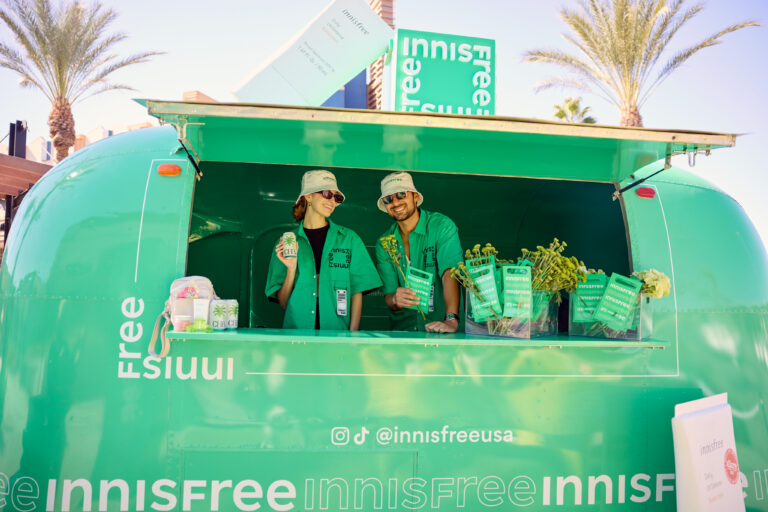
Case Study: innisfree West Coast Tour and Pura Scent The Season