10 Creative Pop-Up Shop Ideas From Real Brands
The best pop-up shop ideas don’t start with a vehicle or a venue; they start with a concept strong enough that people line up,…
Read moreBy: Ashley Elarde • • 13 min read
There is no single kind of pop-up shop, and the different types of pop-up shops each do a different job. A sampling truck built to hand product to thousands of people is a very different tool from a mobile showroom built for slow, high-touch discovery, even though both are pop-ups. Choosing the format is the first real decision of any activation, because it shapes the budget, the location, the vehicle, and the kind of result you can expect.
This guide breaks down the six formats brands use most, what each one is, who it is best for, and the vehicle that fits, then walks through how to match a format to your specific goal. Whether you are launching a product, testing a market, or building buzz around a brand, one of these formats is the right container for it.
We report results to brand teams after every activation we produce, so this guide is the measurement framework we actually use: how to set the goal, the core KPIs of a mobile pop-up shop, how to attribute in-person results, and what to put in the recap that gets the next activation approved.
We’ve produced hundreds of these activations for brands from Ralph Lauren to Nespresso, so in this guide we’ll define the format properly: the types, the benefits, where the concept came from, what one looks like in practice, and how a brand launches one.
A pop-up shop is a temporary, branded space a company opens for a short time, from a single day to a couple of months, to sell products, launch something new, sample, or build awareness through an in-person experience. The types of pop-up shops differ mainly in their primary goal, which then determines the setup, the location, and the vehicle. Some are built to sell, some to sample, some to showcase, and some to draw a crowd at an event.
Understanding the formats matters because the wrong one wastes the budget. A sampling truck parked for a high-touch luxury launch will feel rushed, and a slow showroom dropped into a high-traffic festival will miss most of the crowd. The six formats below cover almost every brand goal, and the right choice is usually obvious once the goal is clear.
Each format below is defined by its primary goal, the brand it suits best, and the vehicle that fits it.
A retail pop-up is a temporary storefront focused on selling product directly, the closest format to a traditional shop. It gives a brand a real-world point of sale without the cost or commitment of a permanent lease, which makes it ideal for e-commerce and direct-to-consumer brands that want to meet customers in person, move seasonal inventory, or open a short-term presence in a new market. The format works as a rented storefront, a mall kiosk, or a mobile build that brings the store to different neighborhoods. When the goal is transactions, the retail pop-up is the format built for it.
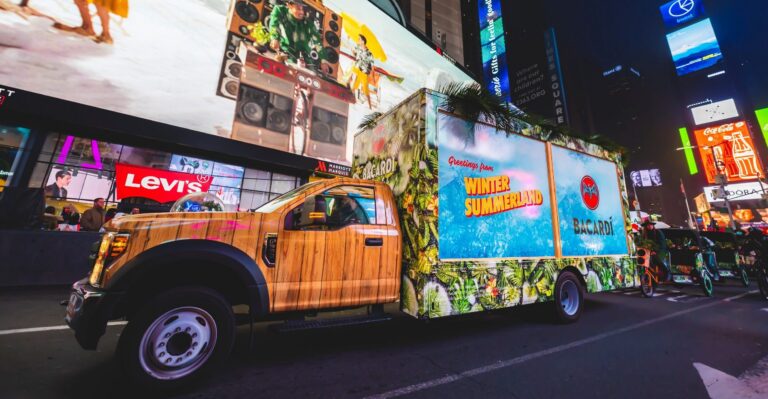
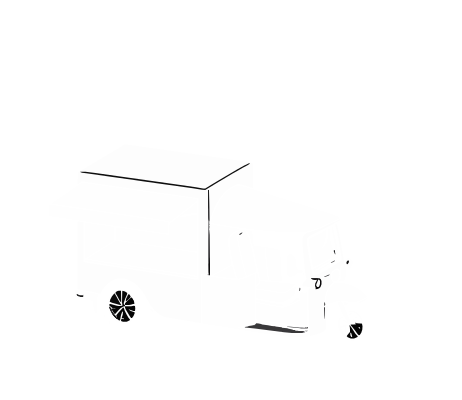
A sampling pop-up exists to put product directly into as many hands as possible, trading depth for reach. It is the highest-volume format, designed to drive trial and awareness rather than direct sales, which makes it the right choice for food and beverage launches, new-product introductions, and any brand whose best sales tool is the product itself. A branded food truck or cart is the natural vehicle here, because it handles volume, travels between high-traffic locations, and turns a free sample into a memorable brand moment. When the goal is trial at scale, sampling is the format.
A cafe or bar pop-up draws a crowd with a branded beverage experience, coffee, cocktails, mocktails, or seasonal drinks, and ties the brand to a warm, social, shareable moment. The free drink is the hook, but the real value is dwell time: guests linger, talk, and photograph the space, which makes this format ideal for brand-affinity plays, launches that benefit from a social atmosphere, and activations where the goal is connection rather than a fast transaction. A pop-up cafe build, a coffee cart, or a bar-equipped truck fits the format. When the goal is warmth and dwell time, this is it.
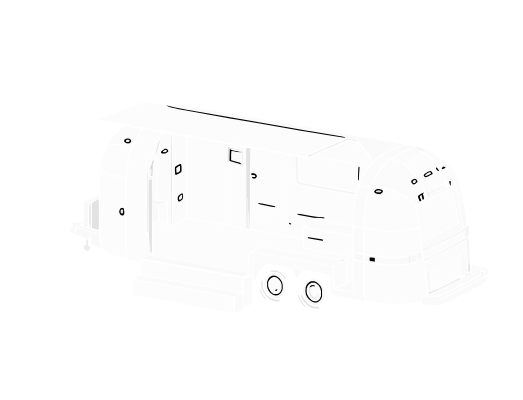
A mobile showroom is built for discovery rather than direct sale, a space designed so customers can explore, handle, and understand a product in depth. It trades reach for high-touch quality, which makes it the right format for considered purchases, premium and luxury brands, and products that need explanation or demonstration to land. A glass truck, an Airstream, or a customized larger vehicle gives the room and the polish the format demands. When the goal is deep, high-quality product discovery rather than volume, the showroom is the format that delivers it.
A shop-in-shop is a branded pop-up set up inside an existing retailer or venue, borrowing that location’s built-in foot traffic and credibility. It is the right format for brands with retail partnerships, for driving traffic to a specific store, and for meeting customers who are already in a shopping mindset. Because it lives inside a host space, the build is often a compact cart or a modular setup rather than a full vehicle, though a mobile unit parked outside a partner store can extend the same idea onto the street. When the goal is to activate inside a retail relationship, this is the format.
An event or festival pop-up brings the brand to a place where a large, primed audience has already gathered, a music festival, a sporting event, a conference, or a seasonal market. It trades control of the setting for instant access to a crowd, which makes it ideal for reaching a specific audience at scale and for tying a brand to a cultural moment. Almost any vehicle works depending on the event, though compact, eye-catching formats like a tuk tuk or a cart often move best through dense event spaces. When the goal is to meet a built-in crowd where they already are, this is the format.
With the six formats defined, choosing between them comes down to a few clear questions. The right format is almost always the one that matches the honest answer to these.
The single most useful question is what one outcome matters most. If it is direct sales, lean retail or shop-in-shop. If it is trial and awareness, lean sampling. If it is deep product discovery, lean showroom. If it is brand affinity and dwell time, lean cafe or bar. If it is reaching a specific crowd, lean event or festival. Naming the one primary goal usually eliminates four of the six formats immediately.
Where your audience already is shapes the format as much as the goal does. A high-traffic downtown corner suits sampling and retail; a festival or campus suits an event pop-up; a partner retailer suits a shop-in-shop; a quieter, premium setting suits a showroom. The format has to fit the physical reality of where the activation will live, not just the goal on paper.
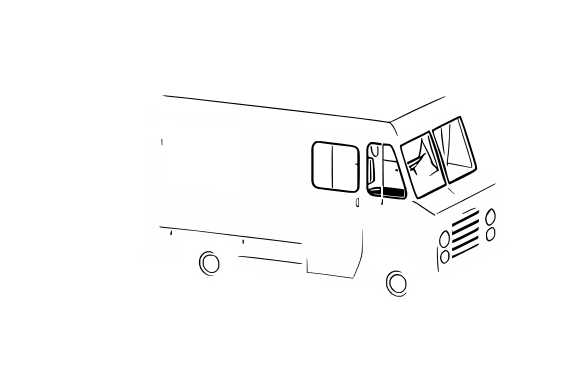
Once the format is set, the vehicle usually follows. Sampling and retail favor full trucks and carts for volume; showrooms favor glass trucks and Airstreams for space and polish; event pop-ups favor compact, nimble builds; cafe formats favor coffee carts and bar-equipped trucks. Matching the experiential vehicle to the format is what makes the whole activation feel intentional rather than improvised.
The formats are not mutually exclusive, and the strongest activations often blend them. A cafe pop-up that doubles as a showroom serves both dwell time and discovery. A sampling truck that captures data works as a retail lead engine. A shop-in-shop paired with a mobile unit outside the store covers both the inside crowd and the street. If two goals genuinely matter, a hybrid build can serve both without diluting either. For worked examples of activations by goal and industry, Check out more pop-up shop ideas.
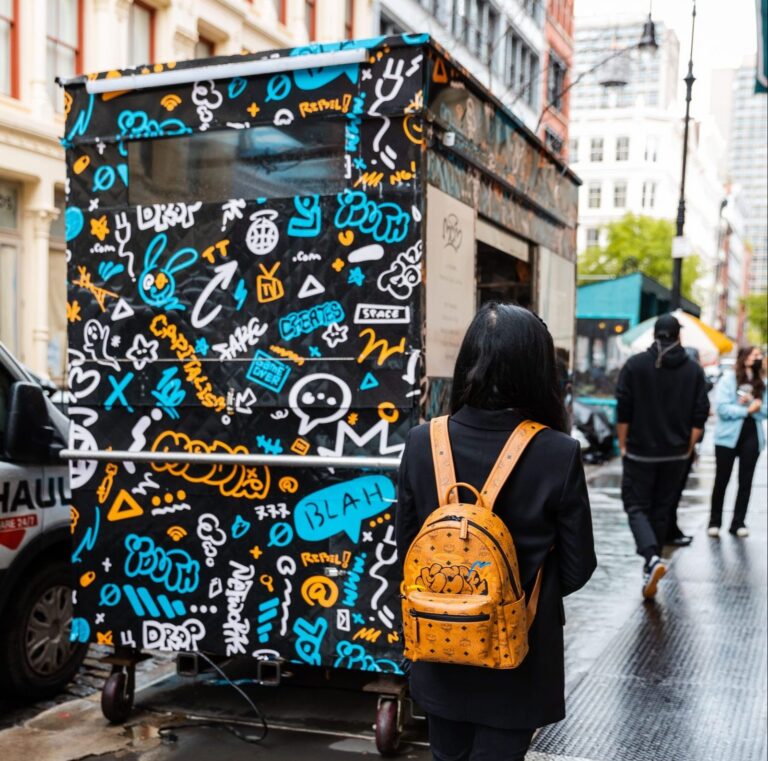
MCM’s Sambypen activation is a clean example of the cafe format doing exactly what it does best. To launch a limited-edition clothing collaboration between the streetwear brand MCM Worldwide and the artist Sambypen, whose bold cartoon style has built a following in the hundreds of thousands on Instagram alone, the brand needed a way to turn an online drop into a real-world moment in two cities at once.
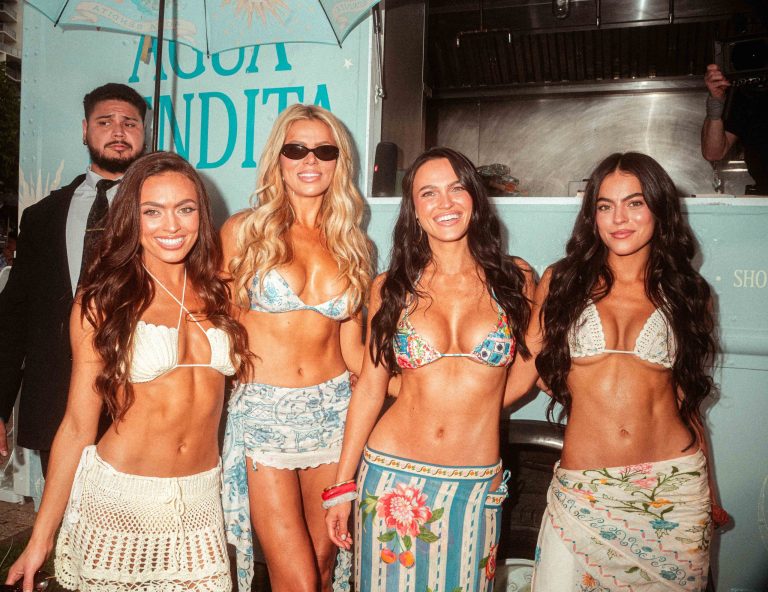
The answer was a cafe pop-up. FTP Agency custom-wrapped a food truck and a food cart in the collaboration’s artwork and set up an MCM pop-up cafe to drive sales in both New York and Los Angeles. The build turned the drop’s distinctive graphic into a physical, photographable space, and the free cafe experience gave fans a reason to show up, linger, and share, exactly the dwell time and social spread the cafe format is built to create.
It shows why matching the format to the goal matters. The goal was buzz and sales around a visual, social, youth-driven collab, and the cafe format, warm, shareable, and built for dwell time, was the right container for it. A sampling truck would have moved faster but connected less; a quiet showroom would have missed the social energy entirely. The format fit the brand, and that fit is the whole point of choosing deliberately.
The types of pop-up shops are really just different answers to the same question: what is this activation for. A retail pop-up sells, a sampling pop-up drives trial, a cafe or bar pop-up builds affinity and dwell time, a mobile showroom creates deep discovery, a shop-in-shop borrows a retailer’s traffic, and an event pop-up meets a built-in crowd. Get the format right and every later decision, the vehicle, the location, the staffing, falls into place naturally, because they all follow from the format. Get it wrong and even a beautiful build underdelivers, because it was built for the wrong job. So start with the goal, let it point to the format, let the format choose the vehicle, and combine two formats when two goals genuinely matter. That is how you choose the pop-up shop that actually fits your brand.
The six main types are retail pop-ups for direct sales, sampling pop-ups for trial and reach, cafe or bar pop-ups for affinity and dwell time, mobile showrooms for deep product discovery, shop-in-shops set up inside another retailer, and event or festival pop-ups that meet a built-in crowd. Each serves a different primary goal.
Start with your single most important goal. Direct sales point to retail or shop-in-shop, trial and awareness point to sampling, deep discovery points to a showroom, affinity and dwell time point to a cafe or bar, and reaching a specific crowd points to an event pop-up. The goal usually makes the format obvious.
A traditional pop-up occupies a leased storefront or space for a fixed period, while a mobile pop-up is built into a vehicle and can change locations daily. The mobile version carries an identical brand experience across stops and doubles as a moving billboard between them.
A retail pop-up is built to sell product directly, functioning as a temporary storefront. A sampling pop-up is built to put product into as many hands as possible to drive trial and awareness, not immediate sales. Retail favors depth and transactions; sampling favors reach and volume, often from a branded truck or cart.
A mobile showroom is a pop-up format built for discovery rather than direct sale, giving customers space to explore, handle, and understand a product in depth. It suits considered purchases, premium and luxury brands, and products that need demonstration. Glass trucks and Airstreams are common vehicles because they offer the room and polish the format needs.
A cafe or bar pop-up draws a crowd with a branded beverage experience, coffee, cocktails, or seasonal drinks, and ties the brand to a warm, social moment. The free drink is the hook, but the real value is dwell time, since guests linger, talk, and share. It suits brand-affinity plays and launches that benefit from a social atmosphere.
A shop-in-shop is a branded pop-up set up inside an existing retailer or venue, borrowing that location’s foot traffic and credibility. It suits brands with retail partnerships and campaigns aimed at driving traffic to a specific store. The build is often a compact cart or modular setup, since it lives inside a host space rather than standing alone.
Yes, and mobility is one of the format’s biggest advantages. A mobile pop-up, built on a truck, cart, tuk tuk, or Airstream, brings the shop directly to the audience across multiple neighborhoods, cities, or events in one campaign, which a fixed storefront cannot do. Touring multiplies reach without opening anything permanent.
Retail pop-ups and shop-in-shops are built most directly for sales, since both function as points of purchase. That said, sampling and cafe formats often drive sales indirectly by creating trial and affinity that convert later, especially when the activation captures customer data on site to keep marketing after the pop-up ends.
Let the format choose the vehicle. Sampling and retail favor full trucks and carts for volume, showrooms favor glass trucks and Airstreams for space and polish, event pop-ups favor compact and nimble builds, and cafe formats favor coffee carts and bar-equipped trucks. Matching the vehicle to the format keeps the whole activation coherent.
Yes, and the strongest activations often do. A cafe pop-up can double as a showroom to serve dwell time and discovery at once, a sampling truck can capture leads to work as a retail engine, and a shop-in-shop can pair with a mobile unit outside the store. If two goals genuinely matter, a hybrid build can serve both.
Author
Social Media Manager @ FTP Agency
Ashley Elarde is a social media strategist, content creator, and experiential marketing professional with experience bringing brands to life through engaging digital content. She has helped execute campaigns for brands across beauty, fashion, retail, and entertainment, developing campaigns that drive engagement and meaningful consumer connections.
The best pop-up shop ideas don’t start with a vehicle or a venue; they start with a concept strong enough that people line up,…
Read more →
Mobile pop-up shops have become the way ambitious brands go offline: a store, a sampling bar, or a showroom built into a vehicle,…
Read more →
Pop-up shop metrics are what separate an activation you can celebrate from one you can only describe. The line was long, the photos were…
Read more →We use and share personal information through cookies and similar technologies on our sites to personalize your shopping experience and ads. Others may use this information for their own marketing and business purposes. . Check our Privacy Policy for more details.
Browser Opt-Out Honored
We use and share your personal information with others to personalize your shopping experience and show you targeted ads on other sites based on your interests and online activities.
Online Info includes cookies, pixel tags, and similar technologies connected to your browser or device. Offline Info includes information associated with your email address based on your other interactions with us.
We use and share your personal information with others to personalize your shopping experience and show you targeted ads on other sites based on your interests and online activities. Information includes cookies, pixel tags, and similar technologies connected to your browser or device (Online Info), as well as information associated with your email address based on your other interactions with us (Offline Info). Others may use this information for their own marketing and business purposes.
You can choose to opt out of sharing one or both types of information.