The experiential marketing vehicle you choose is the single biggest design decision in a mobile pop-up shop. It sets your footprint, your sightlines, what you can serve or sell, and how the whole activation photographs. Choose well and the vehicle does half the marketing before a guest ever steps up; choose wrong and you spend the campaign working around it.
We’ve built activations on just about every mobile marketing vehicle there is, from food trucks and tuk tuks to double-deckers and glass trucks, and the right answer is never “the coolest one.” It’s the one that fits your goal, your product, and your route. This guide walks through the full lineup, what each format does best, and the three questions that reliably point to the right choice.
Key Insights
- The vehicle is a strategy decision, not a style decision: Footprint, serving format, interior space, and route flexibility all flow from the vehicle, so it should be chosen against the campaign goal, not the mood board.
- Every format has a superpower: Food trucks own sampling, glass trucks own product visibility, Citroens and Airstreams own premium charm, and carts and tuk tuks own tight urban spaces.
- Goal, product, and route are the three filters: Run any campaign through those three questions and the fleet narrows itself to one or two right answers.
- Trailers and custom automotive builds unlock the edge cases: Multi-day residencies, walk-in showrooms, and one-of-one replica builds cover what standard formats can’t.
- The wrap makes the vehicle work: Whatever the format, a high-contrast wrap designed to read from across the street is what turns a parked vehicle into a moving billboard.
What Is an Experiential Marketing Vehicle?
An experiential marketing vehicle, also called a mobile marketing vehicle or promotional vehicle, is a truck, cart, trailer, bus, or specialty vehicle that has been branded and built out to host a pop-up shop or brand activation. Unlike a delivery vehicle with a logo, an experiential vehicle is the venue itself: it’s wrapped, fabricated, staffed, and parked where the target audience already is.
Think of the vehicle as the canvas of the mobile pop-up. Every other choice, from the exterior wrap to the interior layout, is painted onto it, which is why choosing the format is step one.
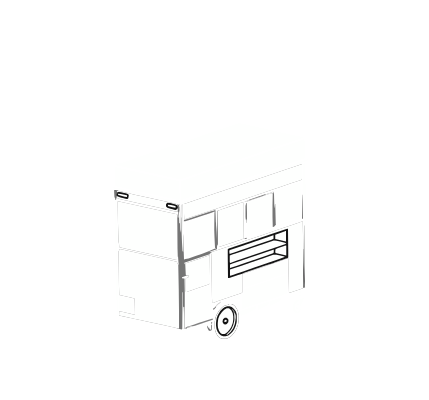
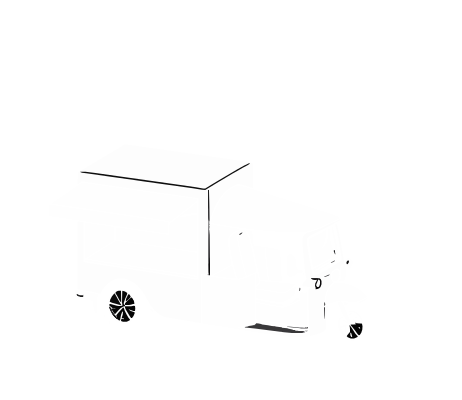
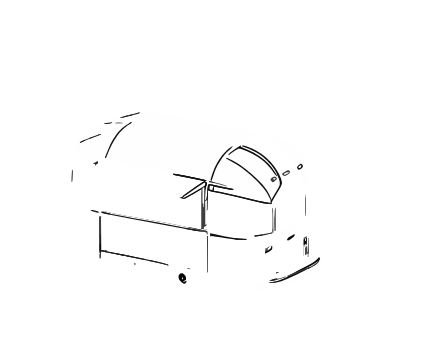
Here’s the fleet a modern pop-up shop chooses from, and what each format does best. You can browse the full experiential vehicle lineup for photos and specs of every format below.
Branded Food Trucks
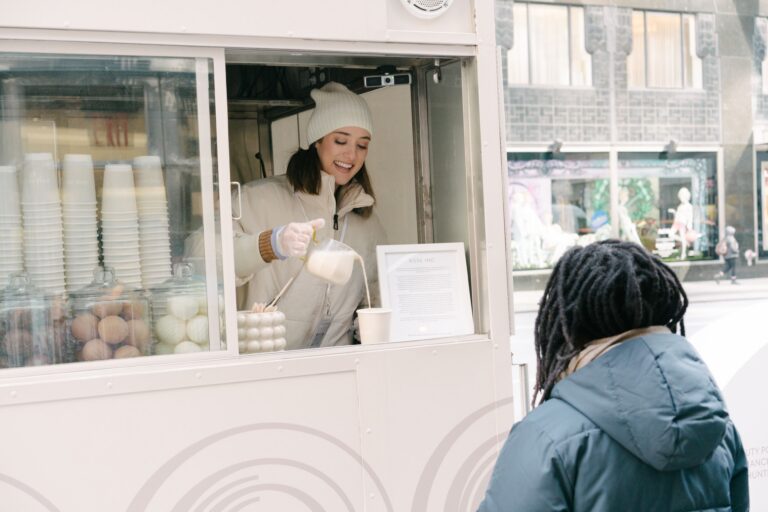
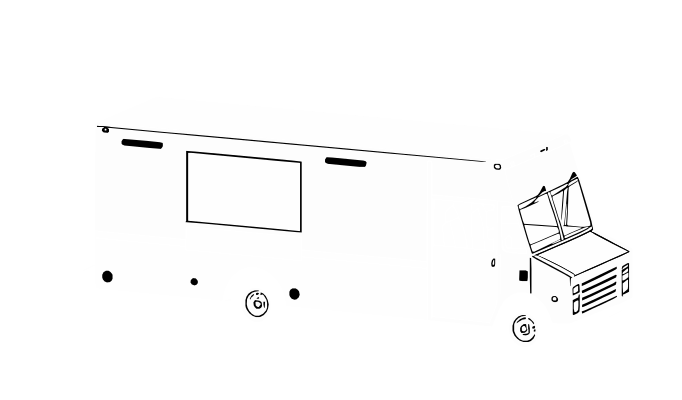
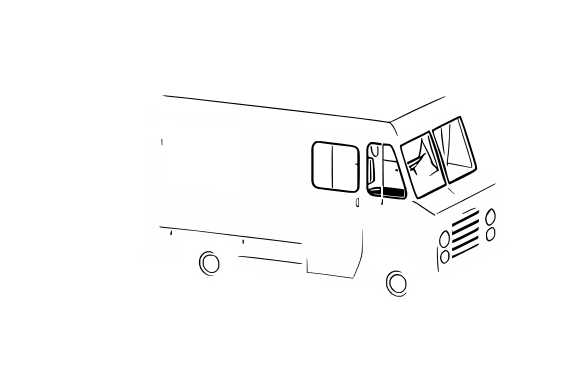
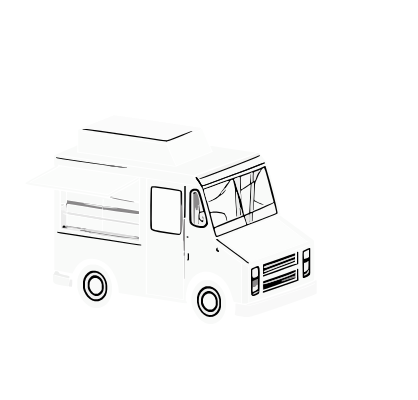
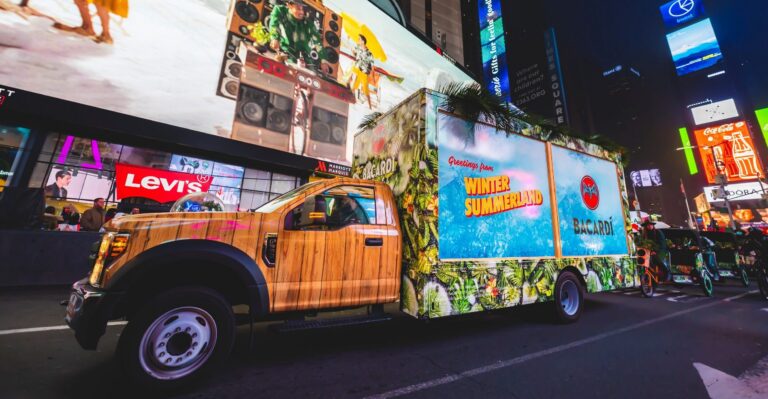
Nothing draws a crowd like a food truck, and the fully equipped kitchen means there’s no limit to what you can serve. It’s the format for sampling campaigns, themed menus tied to a launch, and multi-stop tours. If your activation connects with people through taste, the food truck is the default answer.
Food Carts
The food cart is compact enough for sidewalks, plazas, and indoor venues where trucks can’t go, and its size is the point: it puts the brand at eye level in the middle of foot traffic. Ideal for coffee moments, single-product sampling, and tight urban placements.
Tuk Tuks and Trikes
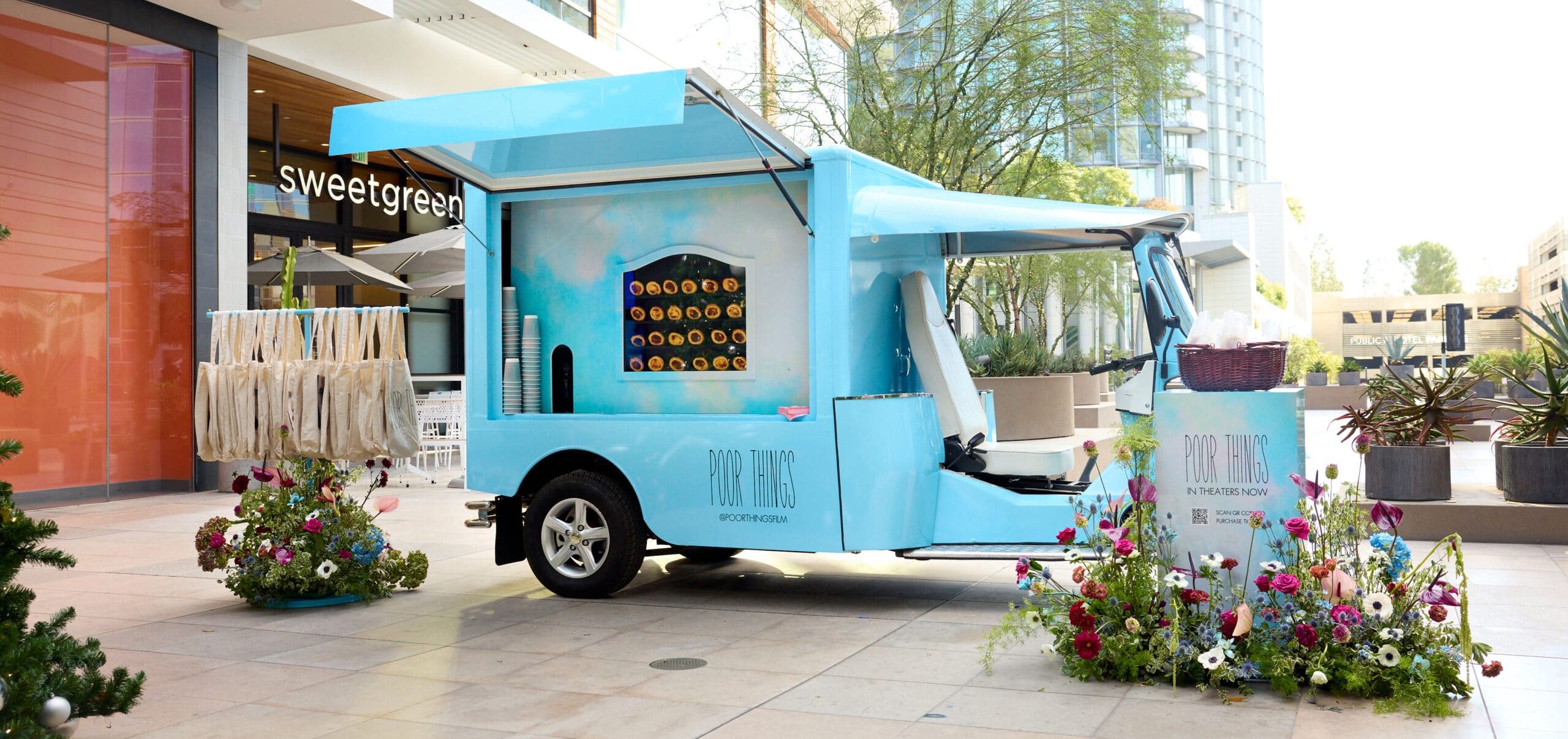
Small, charming, and endlessly photogenic. Tuk tuks and trikes suit brands that want agility and personality, weaving into festivals, campuses, and neighborhood streets with a silhouette people stop to photograph.
Vintage Citroens
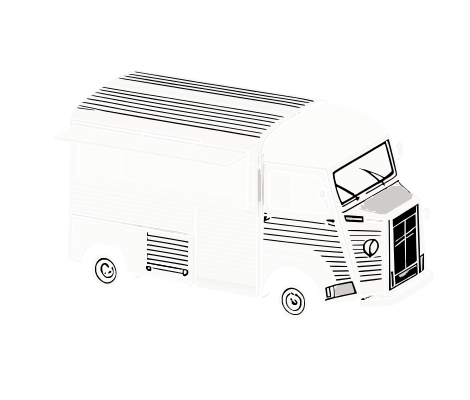
The Citroen‘s timeless European charm makes it a favorite for beauty, fashion, and lifestyle brands that want the vehicle itself to feel like a boutique. It photographs beautifully and elevates everything served from it.
Airstreams and Trailers
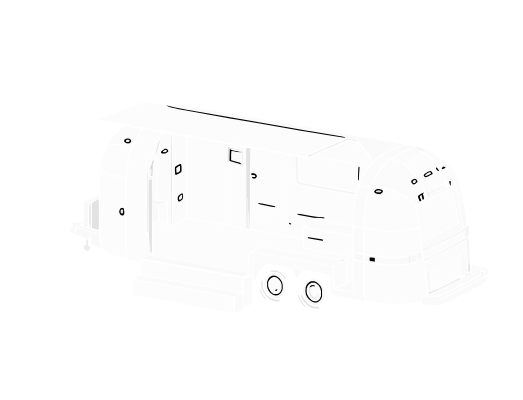
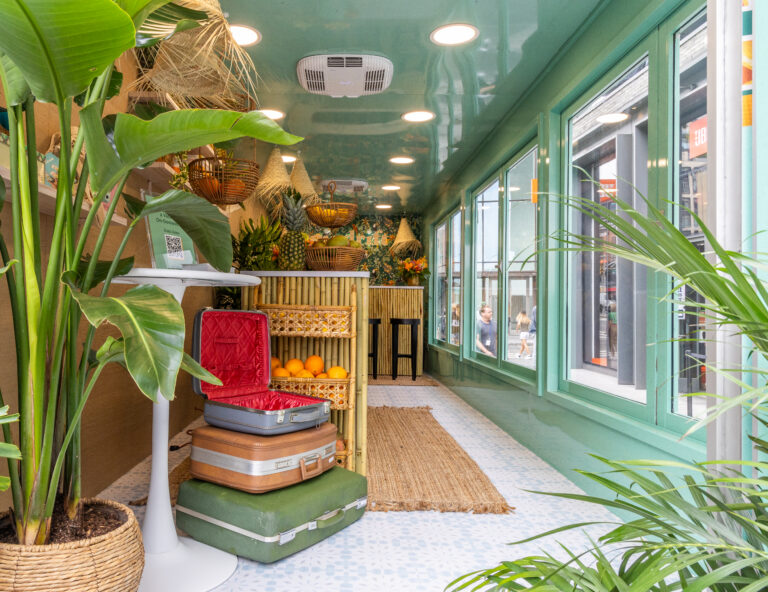
An Airstream brings retro-premium presence with a walk-in interior that works as a showroom, spa, or retail space, while the Airstream Stage opens up for live presentations and performances. Trailers more broadly are the residency format: they can be dropped, staffed for days or weeks, and give a campaign real interior square footage. These are the workhorses behind mobile marketing trailers used for multi-day activations.
Glass Box Trucks
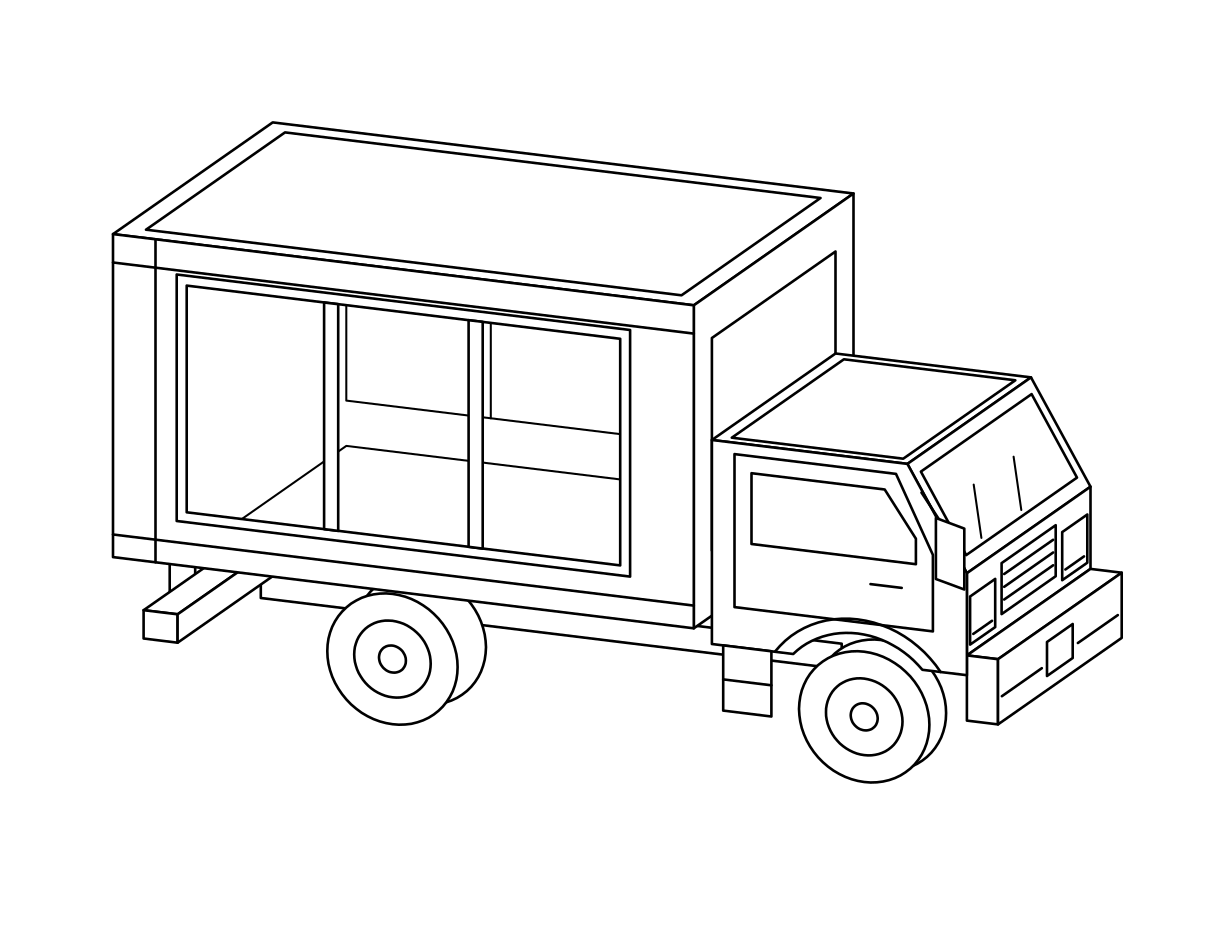
The glass box truck turns the entire vehicle into a display case, giving customers an inside look at the brand from across the street, and it’s especially striking at night with interior lighting glowing through the transparent walls. Skincare, liquor, and lifestyle brands use it as a mobile showroom where the product is the star.
How to Choose: Goal, Product, and Route
With the lineup in front of you, the choice comes down to three filters, and they should be applied in this order.
Start With the Goal
Sampling at volume points to a food truck or cart with a fast serving window. Product education points to a glass truck, Airstream, or bus with room to demo and consult. A photo-first awareness play points to the most distinctive silhouette you can wrap, like a Citroen, tuk tuk, or Chevy P10. Sales on site point to a walk-in format with browsing and checkout space.
Match the Product
The product sets physical requirements the vehicle has to meet. Food and beverage needs kitchen equipment or refrigeration, like the Metro Mite‘s pop-out vendor window and on-board fridge. Beauty needs demo counters, mirrors, and flattering light. Fashion and lifestyle need display and try-on space. Large or premium products need the visibility of a glass truck or the square footage of a trailer.
Plan the Route
Where the campaign travels narrows the field further. Tight urban sidewalks favor carts, tuk tuks, and compact trucks. Multi-city mobile marketing tours favor road-hardy trucks and buses. Multi-day residencies favor trailers that can be dropped and staffed. And venue rules, from festivals to campuses to indoor spaces, often decide the format before anything else does.
Trailers and Custom Automotive Builds
Two categories deserve their own mention because they solve problems the standard lineup can’t. Mobile marketing trailers give a campaign walk-in square footage and multi-day staying power, which makes them the ideal pick for showrooms, residencies, and activations where guests need to step inside and stay a while.
Custom automotive builds go the other direction: when the brand is the vehicle, fabrication can make the vehicle the brand. We’ve taken automotive mobile marketing as far as building a life-sized replica of Tonka’s toy truck and parking it in Flatiron, a one-of-one build that no wrap alone could accomplish. If the campaign idea starts with “imagine if the product were drivable,” this is the category.
Branding and Wraps: Make the Vehicle Read From Across the Street
Whatever format you choose, the wrap is what turns it into a moving billboard, and it should be designed for distance first. High-contrast colors, a clear brand mark, and one readable message beat a busy design every time, because passersby give a vehicle a glance, not a read.
From there, dimensional elements do the attention-getting: life-size props, marquee signage, and bold fabrication that breaks the vehicle’s silhouette. Lighting extends the activation into the evening, with LED accents and illuminated signage, and glass trucks in particular become beacons after dark. Our fabrication team handles wrap, lighting, and props as one design so the vehicle works at every hour of the route; that end-to-end build is the core of our mobile pop-up services.
 Free download