12 Retail Marketing Strategies That Are Working in 2026

By: Benjamin Goldberg 10 min read

retail marketing strategies

Key Insights

  • It is a plan, not a channel list: A retail marketing strategy is the plan for getting a specific shopper to a specific place of purchase, physical or digital, and back again. It is not a channel list.
  • Physical retail is growing again: Coresight Research forecasts more than 5,000 new US store openings in 2026, and brands are treating stores as brand builders rather than transaction points.
  • Three traits of what works: The strategies that work in 2026 share three traits: they are built around one goal, they meet the shopper where they already are, and they are measured against a sales outcome, not an impression count.
  • Mobile retail is the fastest-growing line: Mobile retail (showrooms, pop up trucks, sampling outside the store) is the fastest-growing line in retail marketing budgets because it moves the brand to the shopper and reports like a store.
  • Measure by goal: Foot traffic, conversion, basket size, repeat rate, sell-in. Impressions are a byproduct.

What Is Retail Marketing

Retail marketing is everything a brand or retailer does to bring a shopper to the point of sale and convert them there. It covers the store itself (layout, display, staff), the surrounding area (signage, events, mobile activations), the retailer relationship (sell-in, co-op, end caps) and the digital layer that connects them (local search, loyalty, SMS).

A retail marketing strategy picks the goal first, then chooses the tactics that serve it. The most common mistake is the reverse: buying a tactic (a TikTok campaign, a billboard, a pop up) and then looking for a goal it might have served.

The Shift Back to Physical

For a decade the retail marketing conversation was about ecommerce taking share. In 2026 the conversation is about physical retail as the place brands are built. Coresight Research forecasts more than 5,000 new US store openings this year. DTC brands that started online (Glossier, Warby Parker, Allbirds) have made stores a core channel. Beauty retailers are expanding, and brands that once sold only through them are opening their own doors. The National Retail Federation tracks the broader spending picture behind the shift.

Two things changed. First, customer acquisition online got expensive enough that a store, with its walk-in traffic, became a cheaper acquisition channel in dense markets. Second, shoppers who grew up online now treat the physical store as the brand experience and the website as the reorder button. Retail marketing strategy has to serve both.

Retail Marketing Strategies by Goal

Goal: Drive foot traffic

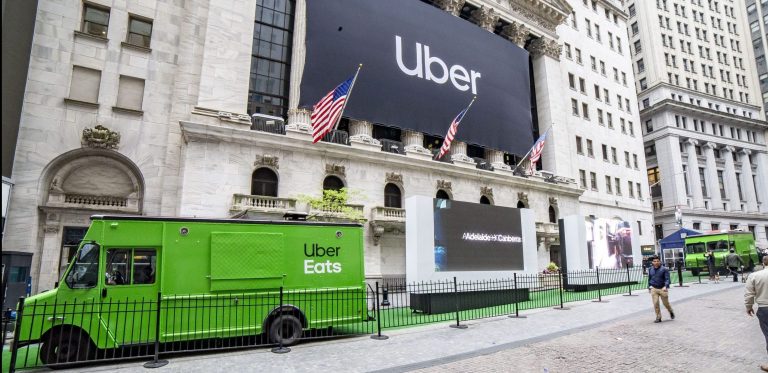
The fastest lever is to put the brand outside the store, not inside it. A branded truck or cart within sight of the door, handing out a sample and a reason to walk in, lifts same-day traffic in a way a social post cannot. Pair it with a local SMS or email send the morning of. Measure by door count and transactions against the same weekday the prior two weeks.

Goal: Launch a new store

Opening week needs a crowd and content. The playbook: a mobile activation on the sidewalk for the first three days, a giveaway tied to a first purchase, local creators invited to a preview, and a press moment (a build, a line, a stunt) that photographs well. Nespresso’s mobile showroom tour did exactly this outside its boutiques, detailed below.

Goal: Build loyalty and repeat purchase

Loyalty in 2026 is a program plus a reason to come back. The program handles the data (SMS, app, points). The reason is a recurring event: a monthly sampling day, a members-only hour, a restock moment. Measure by repeat purchase rate and days between visits.

Goal: Enter a new market

Before leasing, tour. A mobile showroom or pop up truck runs a one-week test in a new city at a fraction of a lease and tells you whether the audience is there. Several DTC brands now use a tour to choose their next store city. Measure by sign-ups, sales per day and press pickup by market.

Goal: Launch a product into retail

Sell-in is easier with sell-through proof. Run a sampling activation in the retailer’s parking lot or on its sidewalk during launch week, hand out a coupon redeemable inside, and bring the redemption numbers to the next buyer meeting. Measure by redemption rate and velocity in the activated stores versus a control set.

Retail Marketing Strategies by Retail Format

DTC brands opening stores

Your advantage is first-party data. Use it: invite your top ZIP codes to the opening, run a members-first day, and put a QR on every bag that joins the SMS list. Your risk is a quiet store on weekday afternoons, which is where a sidewalk sampling activation and local partnerships earn their keep.

Big box and grocery

Scale and co-op budgets are the strengths. Brands selling through big box should concentrate activation dollars where they can be measured: a single-store or single-market mobile sampling program with a coupon code specific to that store, so the velocity lift is visible in the retailer’s data and the next end cap is easier to negotiate.

Specialty and beauty retail

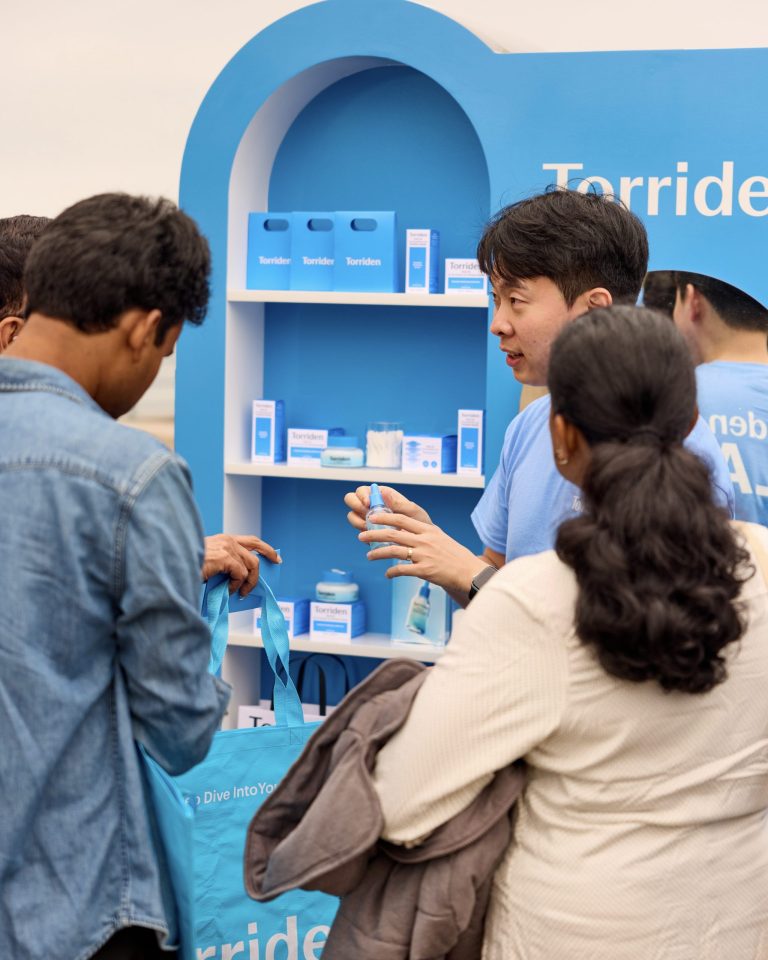
Sephora, Ulta and specialty boutiques reward brands that bring their own crowd. A branded truck outside the store during a launch, a shade-matching or skin-analysis counter, and a deluxe mini with a QR to the in-store shelf all lift the brand’s rank inside the retailer. More in beauty marketing strategies.

Pop ups and temporary retail

A pop up is a retail marketing strategy when it has a job: test a market, clear a line, launch a product or feed a flagship. It is a cost when it is only a photo op. Mobile pop ups give you the test without the lease; see pop up shop ideas for 25 formats with costs.

Mobile retail

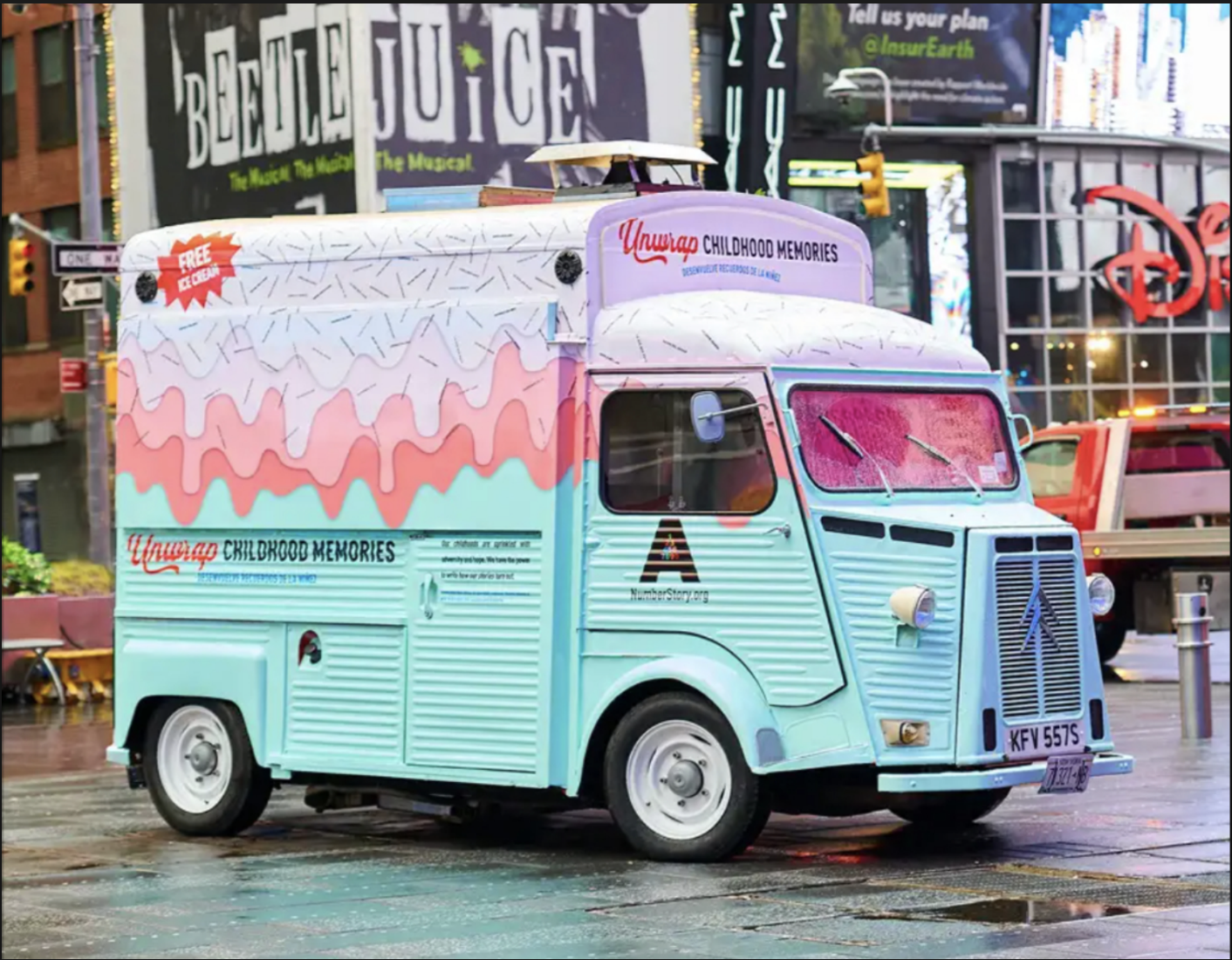
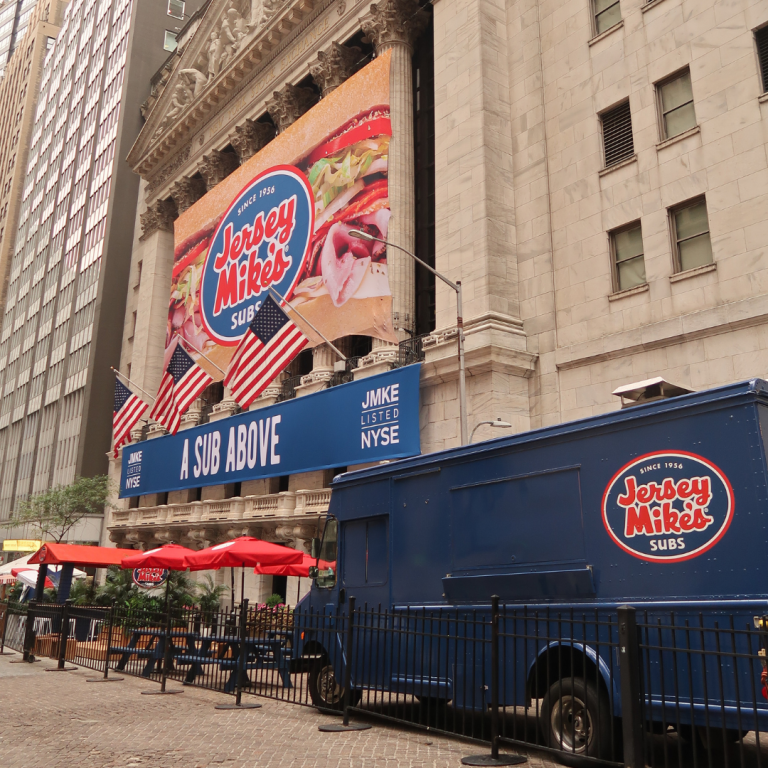
A store that moves. Mobile showrooms, retail trucks and glass box pop ups sell or sample product from the vehicle and park where the customer already is. The economics (one build, many cities) and the reporting (door count, units, sign-ups per stop) make it the line most retail marketers are adding in 2026. The full guide is mobile retail marketing.

Case Study: Nespresso Mobile Showrooms

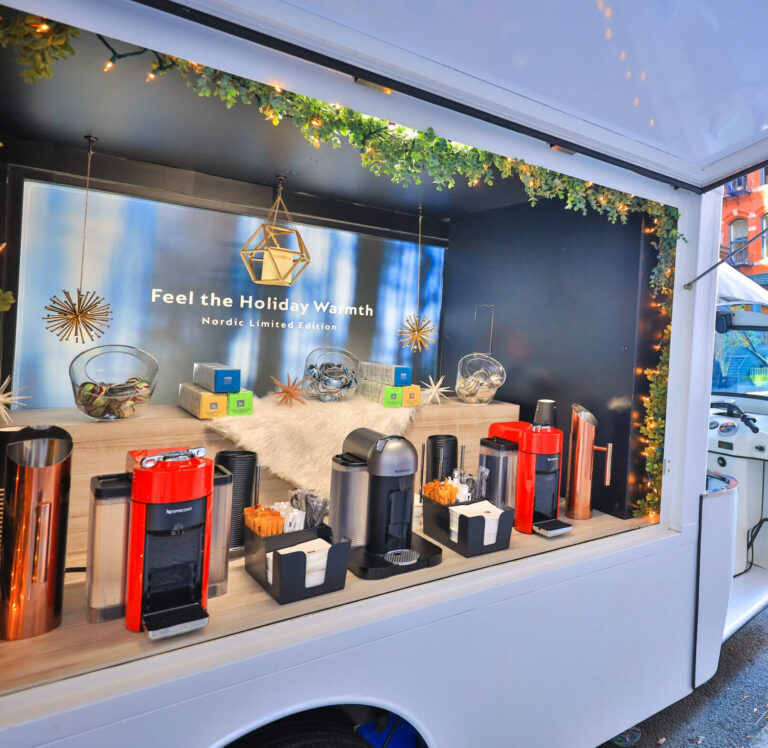
Coffee truck display with coffee machines, cups, holiday decor, lights, greenery, and a promo sign.

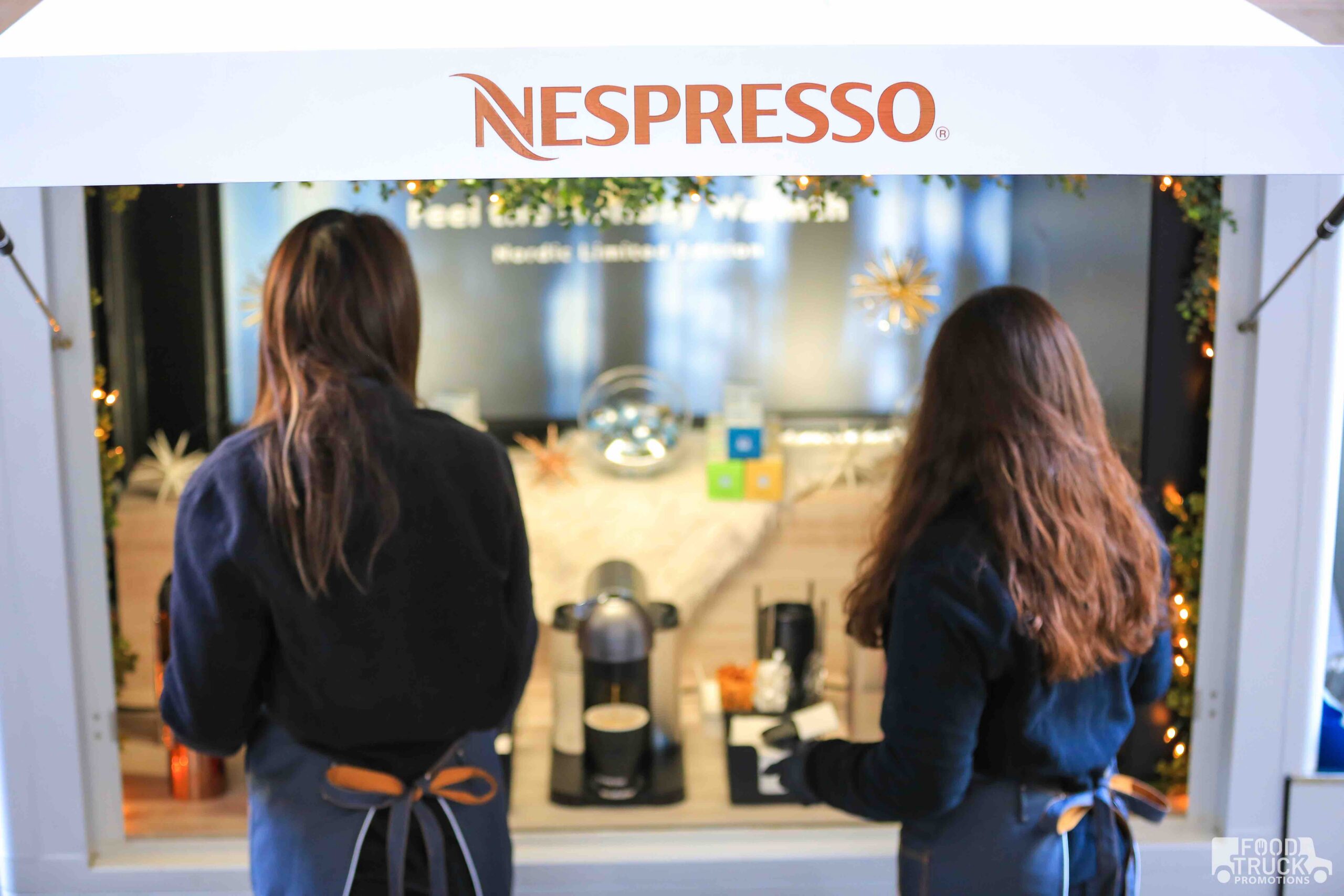
Nespresso wanted boutique traffic and machine trial in markets where awareness of the boutiques was lower than awareness of the brand. The answer was a fleet of E-tuk mobile showrooms that parked outside the boutiques, sampled coffee from the machines on sale inside, and handed every taster a reason to walk the fifty feet to the door. The tour ran nationally on a single design, with staff trained to demo the machines rather than just pour. The result was a trial-to-visit funnel the brand could count by boutique and by day. Read the Nespresso case study or see the format on mobile showrooms.

How to Measure a Retail Marketing Strategy

Goal Primary metric Secondary How to get it
Foot traffic Door count vs. baseline Transactions, average basket Door counter or POS by hour
Store launch Opening week sales Sign-ups, press mentions, UGC POS, CRM, media monitoring
Loyalty Repeat purchase rate Days between visits, program growth CRM or loyalty platform
Market entry Sales per activation day Sign-ups by ZIP, press by market Activation POS, HubSpot
Retail launch Coupon redemption rate Velocity lift vs. control stores Retailer data, coupon codes
Mobile retail Units and sign-ups per stop Dwell time, EMV Activation reporting

The rule: pick the primary metric before the plan is approved, and report against it within two weeks of the campaign ending.

A Retail Marketing Strategy Checklist

Use this before the plan goes to approval.

  1. One goal, one number. Foot traffic, opening week sales, repeat rate, market test results or retail velocity. Write the target.
  2. One shopper. Who, where they are on a weekday afternoon, what they are shopping for and what would make them stop.
  3. The point of sale. Your store, a retailer’s shelf, a vehicle or a website. The strategy ends where the purchase happens.
  4. The reason to act now. A sample, an exclusive, a bundle, an event. Without it the plan is awareness.
  5. The capture. How a visit becomes a contact or a redemption you can count.
  6. The calendar. Work backward from permits (six to eight weeks per market for anything on the street), retailer reset dates and seasonal peaks.
  7. The budget by line. Build, media, staff, permits, product, creative, reporting.
  8. The report. Who pulls the primary metric, from where, and when it lands after the campaign ends.

Common Retail Marketing Mistakes

  • Buying the channel before setting the goal.
  • Running a pop up with no capture mechanic, so the crowd leaves and the brand has nothing.
  • Measuring an in-person activation by impressions alone.
  • Launching into a retailer without a sell-through plan for the first eight weeks.
  • Treating the store and the website as separate marketing budgets with separate teams.

The Bottom Line

The retail marketing strategies working in 2026 move the brand to the shopper, give them a reason to act now, and count the result in sales terms. Physical retail is back, mobile retail is how brands scale it without a lease in every city, and measurement is what separates a strategy from an expense. If you want a mobile retail or sampling program mapped to one of the goals above, get in touch and tell us the number you need to move.

Retail Marketing Strategy FAQs

A retail marketing strategy is a plan for bringing a defined shopper to a point of sale and converting them there, built around one measurable goal such as foot traffic, store launch, loyalty, market entry or retail sell-through. The tactics follow the goal.

Sidewalk and parking lot activations that feed the store, mobile showrooms and pop up trucks for market tests, sampling tied to retailer coupons for sell-through, loyalty programs with a recurring in-store reason to return, and local SMS timed to activations. All of them share one trait: they are measured against sales, not impressions.

It depends on the goal and the format. A single-market mobile activation starts around $50,000. A multi-city mobile showroom tour runs $250,000 and up. The right question is cost per measured outcome: cost per store visit, per redemption or per new loyalty member.

Retail marketing targets the shopper. Trade marketing targets the retailer (buyers, category managers) to win shelf space and support. The two meet at sell-through: activations that lift velocity are both retail marketing and the best trade marketing argument you have.

As the fastest way to test a market, launch a product near its shelf, or drive traffic into a store on a specific day. One build travels, the reporting is store-like, and the cost per city is a fraction of a lease. See mobile pop up shops.

The ones where your shoppers already are. New York, Los Angeles, Chicago, Miami and San Francisco have the density, and we operate in 30+ cities. Browse locations for permit lead times by city.

A branded promotional truck on a city street

Merlin AI

See your brand on a promotional truck in 30 secs.

Pick a vehicle, drop in your website, and Merlin AI brings your brand activation to the streets instantly.

Try It Now

Bring Your Brand to the Streets.®

Benjamin Goldberg

Author

Benjamin Goldberg

CEO @ FTP Agency

Benjamin H. Goldberg is passionate about bringing brands to life on the streets. As CEO of Food Truck Promotions and co-founder of the New York and Los Angeles Food Truck Associations, he helps create unforgettable mobile experiences that blend great food, creative branding, and meaningful connections with audiences everywhere.

More posts
Top 8 Fashion Marketing Campaign Examples That Move Product