A nonprofit marketing plan example is more useful than a blank template, because the hard part is not the format, it is deciding what goes in each section.
Below are four worked plans for different kinds of organizations: a local charity, a national nonprofit, an advocacy group, and a community foundation. Each includes goals, audience, channels, budget split, and a calendar you can adapt.
Key Takeaways
- Every plan needs a single primary goal: organizations that chase awareness, donations, and volunteers equally usually achieve none of them well.
- Budget allocation reveals the real strategy: where the money goes matters more than what the mission statement says.
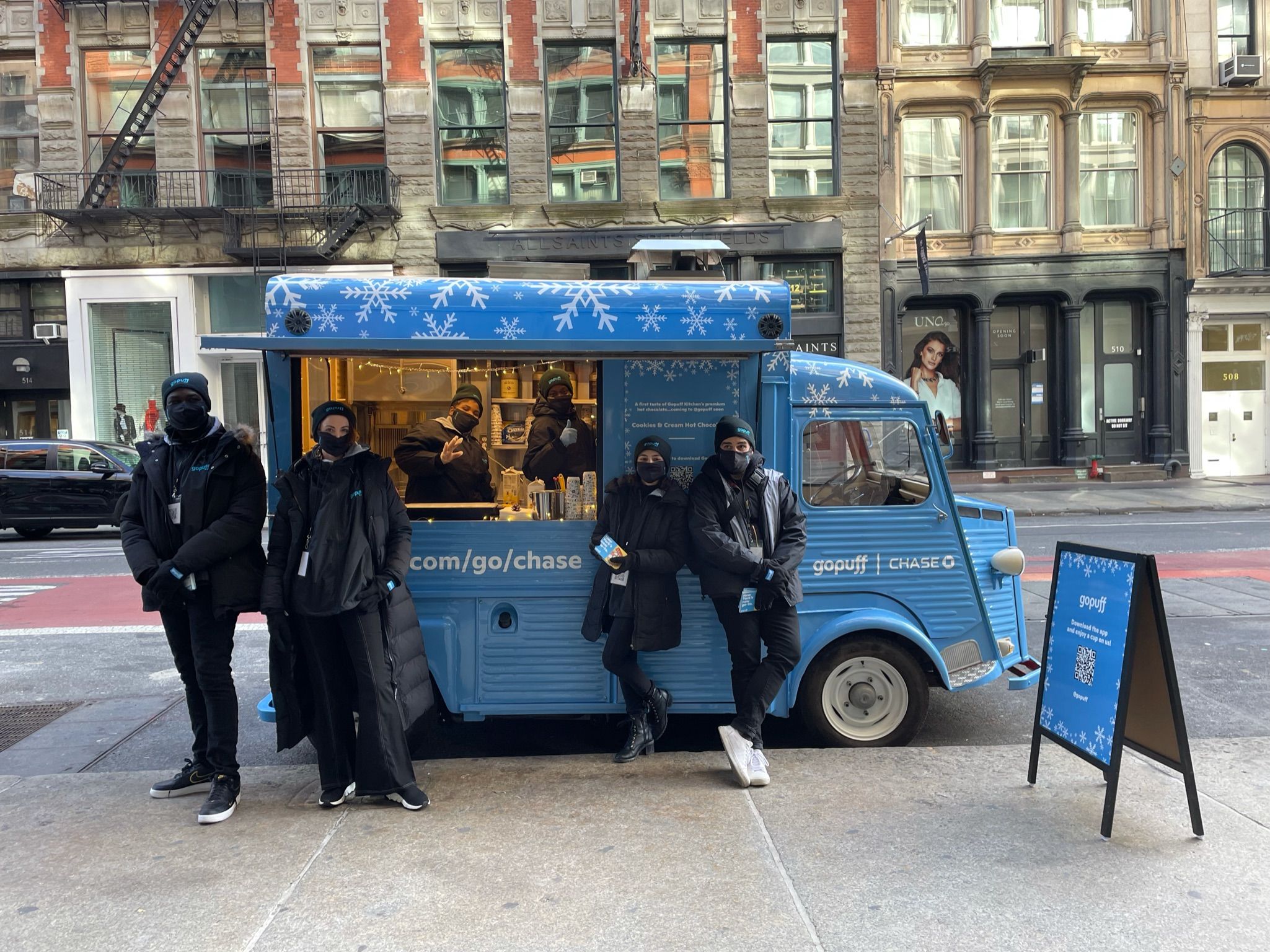
- Events belong in the budget line: community presence is a channel, not an extra, and planning it upfront prevents it becoming an afterthought.
- The calendar drives execution: plans fail on scheduling more often than on strategy.
- Measurement must be decided in advance: metrics chosen after a campaign always flatter the result.
What Is a Nonprofit Marketing Plan?
A nonprofit marketing plan is a written document that defines who you are trying to reach, what you want them to do, which channels you will use, what it will cost, and how you will measure success. It typically covers a 12-month period and is reviewed quarterly.
Scale matters when benchmarking yourself. There are more than 1.8 million nonprofits registered in the United States, so competition for attention is real regardless of how narrow your cause is.
The Standard Plan Structure
- Situation summary. Where the organization stands today: revenue mix, donor count, and what worked last year.
- Primary goal. One measurable objective for the year, such as growing recurring donors by a set number.
- Audiences. Two or three specific groups, described by behavior rather than demographics alone.
- Channels. The three to five you will actually run, with an owner for each.
- Budget split. Percentage allocation across channels, including events.
- Calendar. Campaigns and moments mapped across the year.
- Metrics. What you will report, and to whom.
Top Nonprofit Marketing Plan Templates
Steal these four nonprofit marketing plan templates to make your next campaign a success.
Example 1: Local Charity Marketing Plan
Primary goal: grow monthly sustainers from 40 to 120 within 12 months.
Audiences: past event attendees, local volunteers, and neighborhood residents within a defined radius.
Channels: email, community events, local media, and a light social presence.
Budget split: 40 percent community events and activations, 25 percent email and CRM tools, 20 percent print and local media, 15 percent contingency.
Calendar: spring volunteer drive, summer community festival presence, fall matching campaign, December year-end appeal.
Metrics: monthly sustainer count, email list growth, event sign-ups, donor retention rate.
Example 2: National Nonprofit Marketing Plan
Primary goal: increase online revenue by 15 percent while holding acquisition cost flat.
Audiences: lapsed donors, existing sustainers, and cause-aligned prospects in priority metros.
Channels: email, paid search and social, direct mail, and multi-city awareness tours.
Budget split: 30 percent paid acquisition, 25 percent email and direct mail, 30 percent activations and tours, 15 percent creative production.
Calendar: Q1 lapsed donor reactivation, Q2 to Q3 multi-city tour, Q4 year-end campaign supported by a corporate match.
Metrics: online revenue, cost per acquired donor, sustainer conversion rate, impressions and sign-ups per tour stop.
Example 3: Advocacy Group Marketing Plan
Primary goal: grow the action-taker list by 25,000 contacts.
Audiences: issue-motivated supporters, students, and local coalition partners.
Channels: email, petitions, social and creator partnerships, campus and community activations.
Budget split: 35 percent activations and field presence, 30 percent digital acquisition, 20 percent content and creative, 15 percent tools.
Calendar: legislative session pushes, a spring campus tour, a summer awareness moment, an autumn advocacy week.
Metrics: list growth, action completion rate, cost per acquired contact, conversion from action-taker to donor.
Example 4: Community Foundation Marketing Plan
Primary goal: open 30 new donor-advised funds.
Audiences: local business owners, professional advisors, and legacy donor families.
Channels: relationship marketing, curated events, local business partnerships, and thought leadership content.
Budget split: 40 percent events and hospitality, 25 percent content and reporting, 20 percent partnerships, 15 percent design and print.
Calendar: quarterly advisor breakfasts, an annual impact report launch event, a fall grantee showcase, a year-end giving seminar.
Metrics: new funds opened, assets under management, advisor referrals, event attendance by segment.
How to Budget the Events Line
Every plan above includes activations as a named budget line rather than a leftover. The size of that line depends on whether you are building community depth in one place or reach across several.
Benchmark the digital half of the split against sector data before you set it. The Urban Institute National Center for Charitable Statistics publishes decades of nonprofit finance data by subsector, size, and geography, which is the fastest way to sanity check whether your allocation looks normal for an organization your size.
A single community presence is the entry point; a multi-stop tour is the scale version. Our comparison of experiential marketing vehicles helps size the build, and our nonprofit marketing strategies guide covers ways to get a corporate partner to fund it.
Case Study: What the Activation Line Buys