Why Mobile Pop-Up Shops Are the Future of Retail

By: David Botbol 10 min read

mobile pop-up shops future of retail

Mobile pop-up shops are quickly becoming one of the most powerful tools in experiential marketing. In a world where customers crave novelty, connection, and memorable interactions, a mobile pop-up meets them where they already are, on city streets, at festivals, at sporting events, and in high-traffic community gatherings, instead of waiting for them to walk into a store.

Traditional stores still have their place, but today’s shoppers want more than shelves and a checkout counter. They want immersive retail experiences that surprise and delight. That is why brands are hitting the road and bringing the pop-up directly to their audience, and the vehicles they use are as creative as the brands behind them. This guide explains why mobile pop-ups work, which vehicles lead the movement, and how to choose the right one for your brand.

Key Takeaways

  • Mobile pop-ups meet customers where they are: They create memorable, high-impact experiences that traditional stores cannot match, by going to the audience instead of waiting for it.
  • The vehicle shapes the entire experience: Glass box trucks, food-style trucks, and Airstreams each offer a different way to showcase products and engage customers, so the build follows the goal.
  • They let brands expand and test with low risk: Pop-ups generate buzz, test new markets without a long-term lease, and strengthen loyalty through face-to-face interaction.
  • Face-to-face beats digital-only: A mobile pop-up delivers the spontaneous, in-person moment that digital advertising cannot, letting people touch, try, and sample.
  • The right vehicle can make or break the campaign: Matching the format to your brand, your audience, and your locations is one of the most important decisions you will make.

Why Mobile Pop-Up Shops Are Transforming Retail

Mobile pop-ups are more than a trend. They are a strategic shift in how brands connect with customers, and they do several things a traditional store cannot.

  • Maximize exposure by traveling to high-traffic areas
  • Generate buzz through unexpected, eye-catching activations
  • Engage customers with hands-on, physical experiences
  • Test new markets without the cost of a long-term lease
  • Create memorable experiences that strengthen brand loyalty

In an era where digital marketing dominates, a mobile pop-up offers something digital advertising often cannot: spontaneous, face-to-face interaction. It gives customers a chance to touch, try, sample, and experience products in a way that feels personal and exciting. And the vehicle you choose plays a major role in shaping that experience.

The Best Vehicles for Mobile Pop-Up Shops

Different brands have different needs, and the beauty of mobile retail is that there is a vehicle for every vision. Here are the top formats redefining the pop-up landscape.

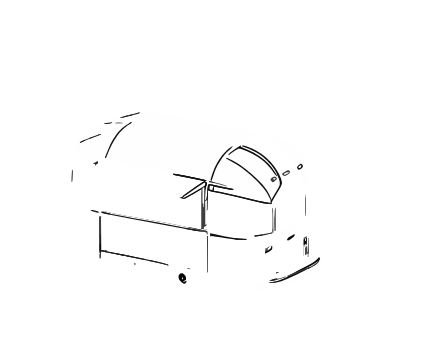
Glass Box Trucks: A Moving Display Window

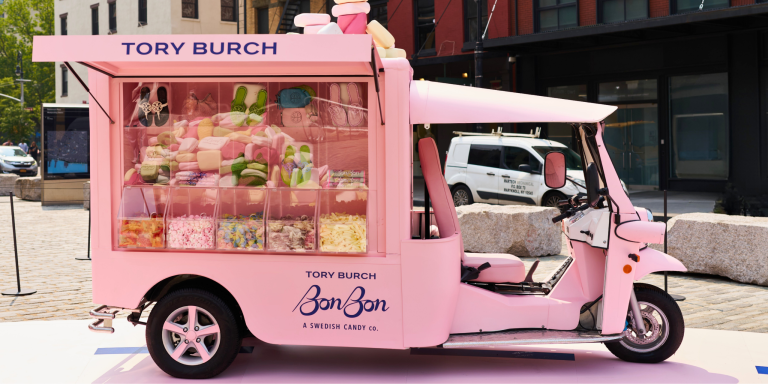
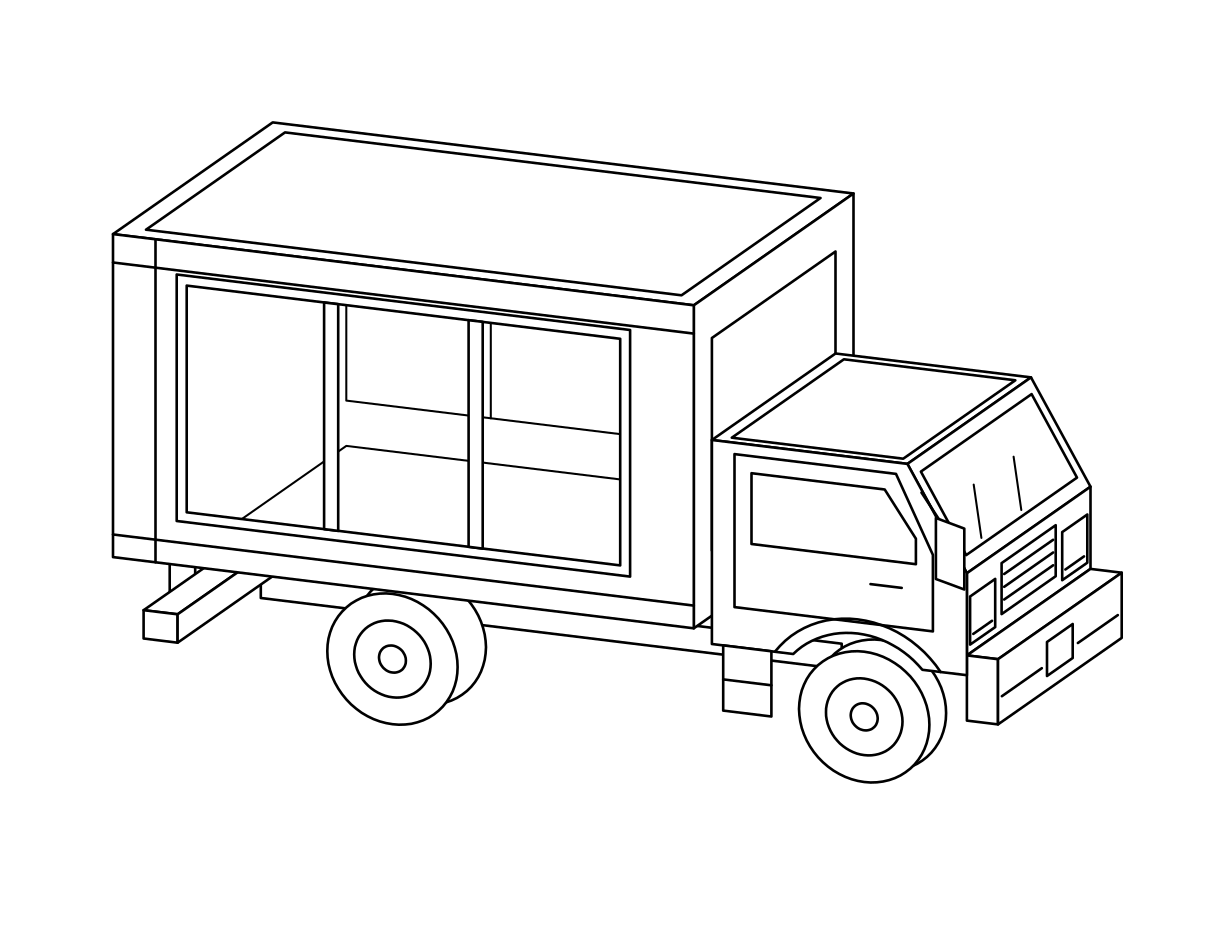
If your goal is maximum exposure and showcasing products in a visually striking way, glass box trucks are the ultimate choice. Their transparent walls turn the interior into a rolling storefront that passersby can see from every angle, which naturally drives foot traffic and encourages spontaneous visits. They suit product sampling, retail pop-ups, food and beverage service, hands-on demos, and fully immersive themed environments. For brands wanting to build awareness quickly, this format is hard to beat.

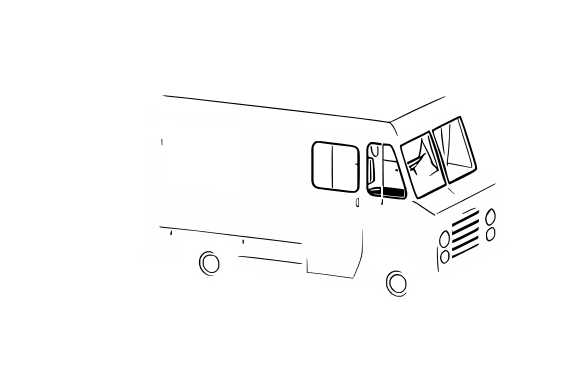
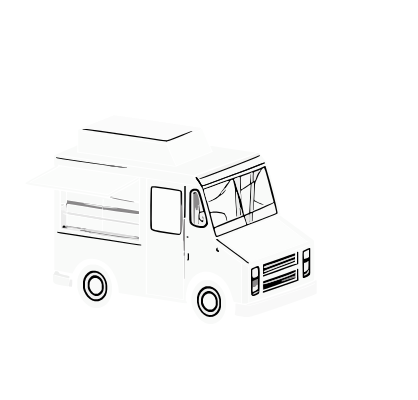
Food-Truck-Style Vehicles: Flexible, Functional, and Familiar

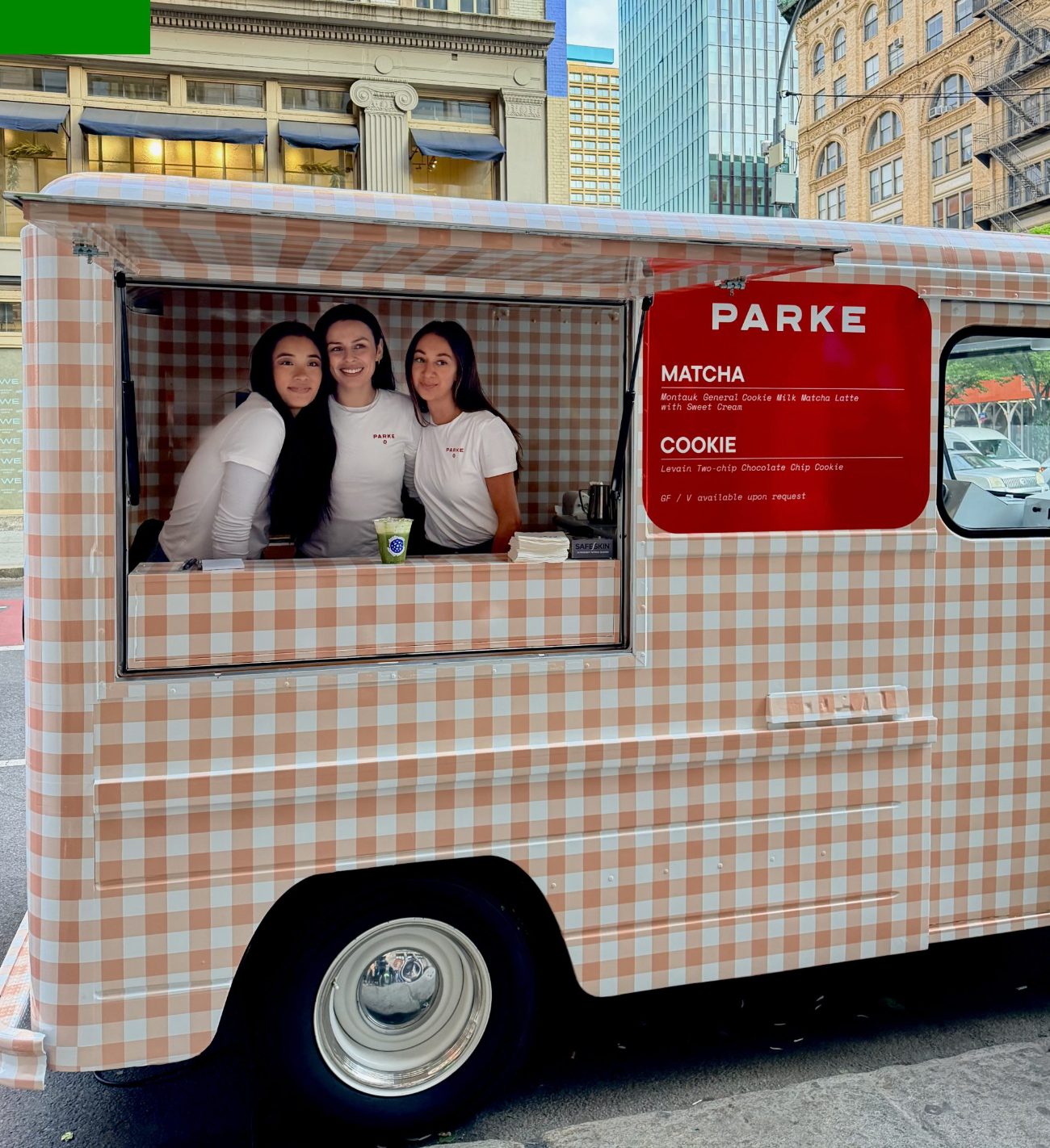
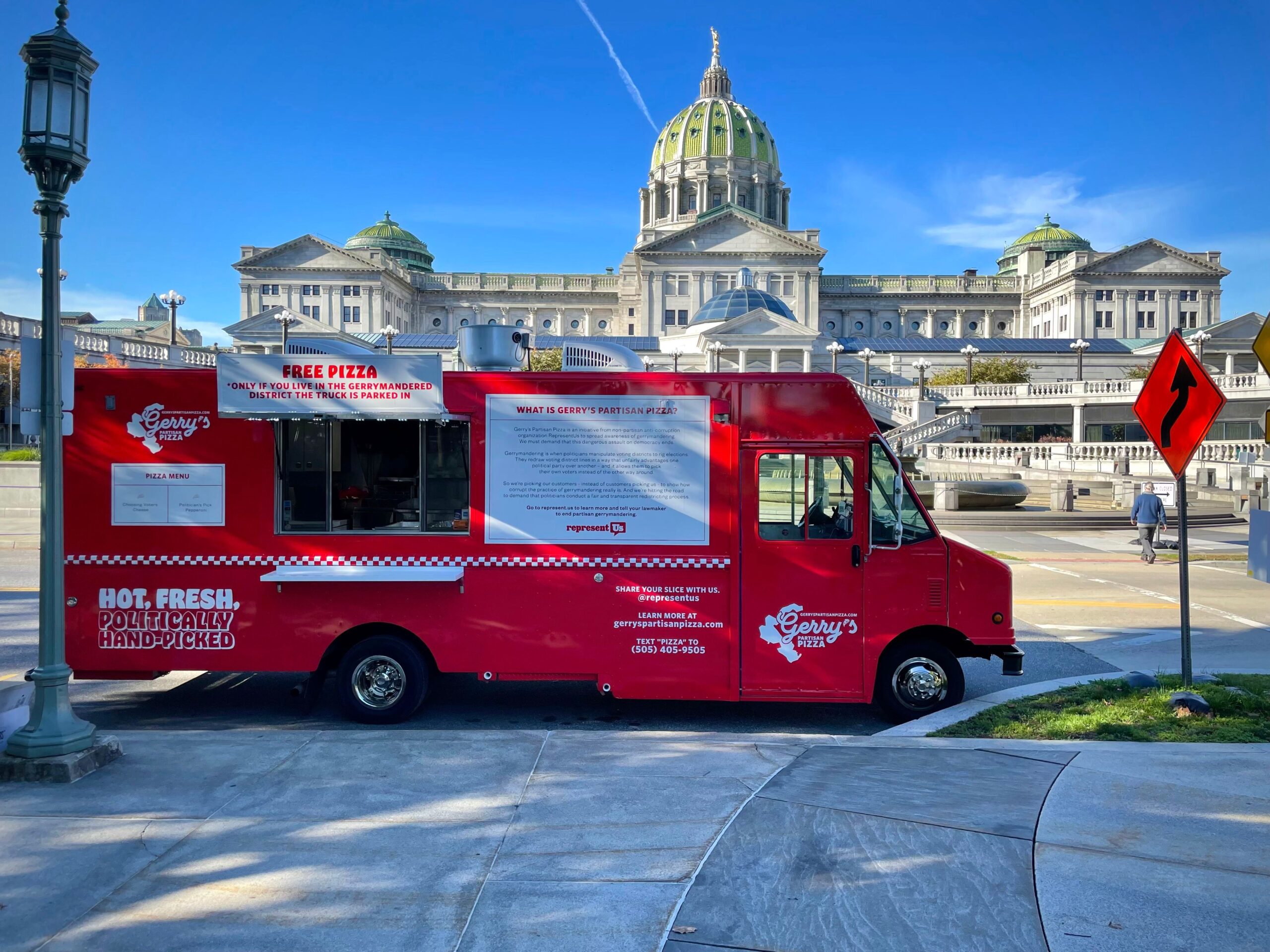
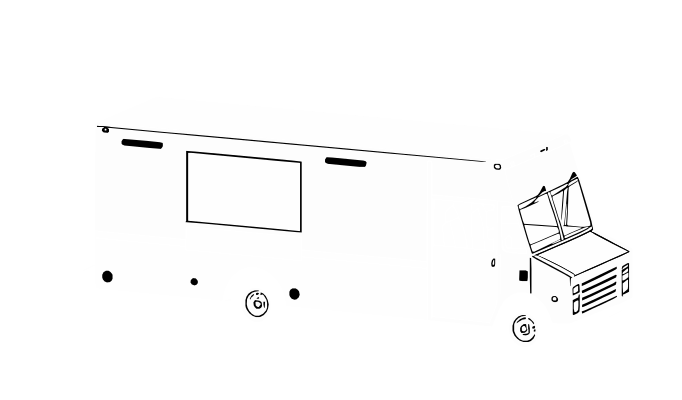
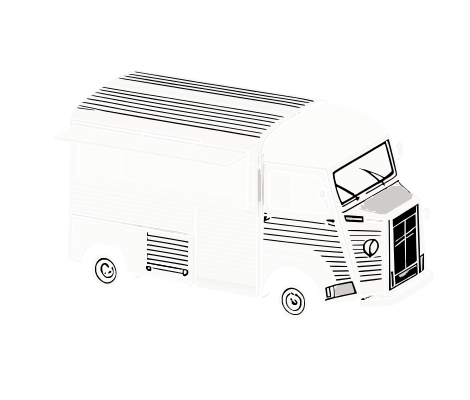
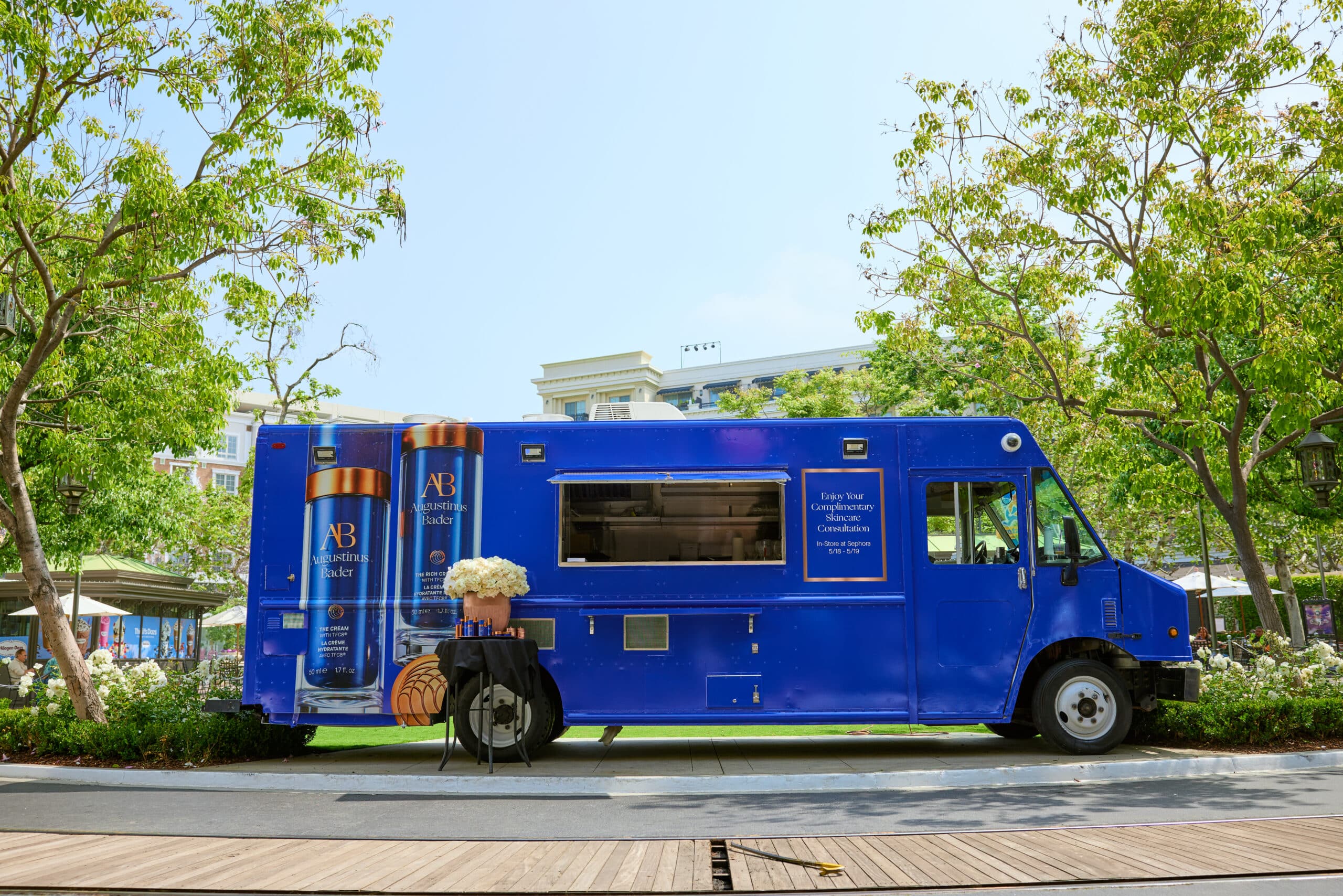
Branded food trucks have long been a staple of street culture, and their design adapts perfectly to retail. Built-in counters, serving windows, and customizable interiors make them ideal for pop-ups that need flexibility. The familiar format draws curious customers, works well at local events, festivals, and sporting events, and suits brands that want to engage people quickly. With room for interactive elements, shelving, and branded decor, they are a favorite for launching food and beverage lines and for beauty brands that want easy interaction in a compact space.

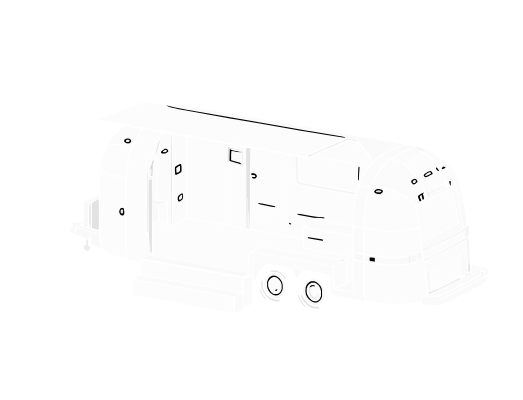
Airstreams: The Ultimate Mobile Boutique

For brands wanting a more immersive, boutique-style experience, Airstreams are the gold standard. Their spacious interiors and iconic look let customers walk inside, browse, touch, and try on products, creating a curated, intimate experience ideal for fashion, beauty, wellness, and lifestyle brands. With custom fabrication, lighting, shelving, and decor, an Airstream becomes a stunning mobile showroom that recreates the feel of a high-end boutique on wheels and leaves a lasting impression.

How to Choose the Best Vehicle for Your Brand

Selecting the right vehicle for your mobile pop-up is one of the most important decisions you will make, because the vehicle is the experience. It sets the tone, shapes the customer journey, and determines how effectively you can showcase your products. Three questions guide the choice.

Start With Your Brand’s Identity

Your experiential vehicle should feel like a natural extension of your brand. A sleek, modern label might gravitate toward a minimalist glass box truck, while a lifestyle or fashion boutique may prefer the warmth and charm of an Airstream. Think about the emotion you want customers to feel the moment they see the vehicle, and choose a format that reinforces it instantly.

Consider the Type of Experience You Want

Different vehicles offer different levels of interaction. Glass box trucks are ideal for high-visibility displays, product launches, and events where you want to turn heads and show merchandise from every angle. Food-style trucks offer flexibility and easy merchandising for quick-serve retail, sampling, and fast-paced venues. Airstreams provide a full walk-in boutique experience for fashion, beauty, and lifestyle brands. Your choice should reflect how immersive you want the pop-up to be.

Think About Your Audience and Locations

Where you plan to take the pop-up should guide the decision. For dense city centers, a compact truck is easier to maneuver and park. For a music festival or a wide-open outdoor venue, an Airstream gives you more room to build an immersive environment. Matching the vehicle to your location is what makes the difference between a pop-up that fits its setting and one that fights it.

Case Study: Glossier's Cloud Paint Pop-Up

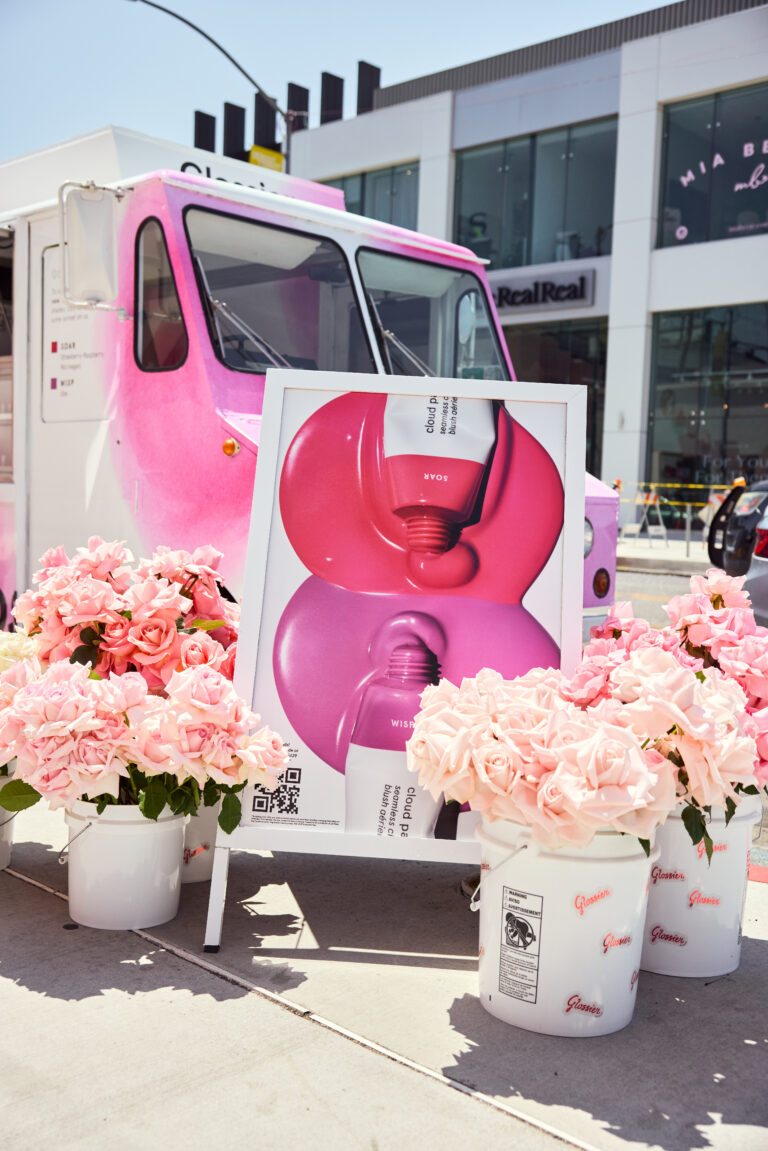
Pink and white ice cream truck with pink roses and a poster of nail polish, Glamsquad, OPI logos.

Glossier’s Cloud Paint pop-up is a textbook example of the vehicle being the experience. To launch new shades of its Cloud Paint blush, Glossier worked with Food Truck Promotions on a pair of pink-and-purple trucks designed to mimic the product’s soft, cloudy finish, bringing an unmistakable pop of color to the city streets.

The detail that made it work was the menu. Instead of serving generic samples, the trucks handed out sorbet flavors matched directly to the new shades: a strawberry-raspberry scoop mirroring the vibrant, rosy hue of “Soar,” and a blueberry scoop echoing the cool blue undertones of “Wisp.” Guests did not just see the new colors, they tasted a version of them, which turned an abstract product launch into a sensory experience people immediately understood.

Surrounded by buckets of roses and product displays showing the full summer collection, the pop-up was built as an Insta-worthy moment from the ground up. After collecting their scoop, guests were encouraged to sample the color swatches, shop the collection in store, and share photos using branded hashtags, closing the loop from a free treat on the street to a product in hand and a post online.

It is the whole thesis of this guide in one activation: the right vehicle, a menu built on the product itself, a designed photo moment, and a clear path from the Glossier experience to the purchase.

The Bottom Line

Mobile pop-up shops are the future of retail because they solve the problem every brand now faces: visibility alone is not enough. A mobile pop-up meets customers where they already are, turns a product into a hands-on experience, and lets a brand test markets, launch products, and build loyalty without the cost of a permanent lease. The vehicle you choose, a glass box truck for visibility, a food-style truck for flexibility, or an Airstream for a full boutique experience, shapes the entire interaction, which is why matching the format to your brand, your goals, and your locations matters so much. In a landscape of digital overload, a well-built mobile pop-up creates the kind of real-world moment people remember, talk about, and return for.

Frequently Asked Questions

A mobile pop-up shop is a temporary retail experience built into a vehicle, such as a glass box truck, food-style truck, or Airstream, that travels to where customers already are. It brings the pop-up concept to the audience, letting people browse, sample, and buy in high-traffic locations instead of a fixed store.

Because they solve a problem traditional retail cannot: they go to the customer. Mobile pop-ups maximize exposure by traveling to high-traffic areas, generate buzz through unexpected activations, let brands test markets without a lease, and create hands-on experiences that build loyalty. In a digital-heavy world, that face-to-face moment is increasingly valuable.

The three most popular are glass box trucks, which act as a moving display window; food-truck-style vehicles, which offer flexible, familiar retail space; and Airstreams, which provide a walk-in boutique experience. Each suits different products and goals, from high-visibility launches to intimate, immersive brand environments.

Start with your brand identity, then consider the experience you want to create and the locations you will visit. A glass box truck suits high-visibility launches, a food-style truck suits fast-paced sampling, and an Airstream suits immersive boutique experiences. Compact trucks work best in dense cities, while Airstreams shine at open outdoor venues.

A mobile pop-up requires no long-term lease, travels to multiple high-traffic locations, and creates buzz through its novelty. It lets brands test new markets with low risk, engage customers face to face, and adapt in real time. A fixed store cannot move to where the audience is or generate the same spontaneous attention.

Brands across beauty, fashion, food and beverage, wellness, technology, and lifestyle all use them. Beauty and fashion brands favor Airstreams and glass trucks for immersive try-on experiences, while food and beverage brands use food-style trucks for sampling. The format adapts to almost any product and audience.

Yes. A mobile pop-up is one of the strongest launch tools available, because it puts a new product directly in customers’ hands in person and generates social-worthy buzz. Brands use pop-ups to introduce products, test how different markets respond, and build early word of mouth before or alongside a wider rollout.

Costs depend on the vehicle type, the build complexity, the campaign length, and the number of locations. A single-day local activation costs far less than a multi-market tour with a fully custom Airstream build. Because the vehicle is reusable across a campaign, the cost often spreads across many activation days rather than one.

Anywhere your audience gathers: city centers, shopping districts, music festivals, sporting events, campuses, and community gatherings. The advantage of a mobile format is that you are not tied to one location, so you can move between high-traffic spots to keep the brand in front of the right people throughout the campaign.

Decide on your goal and audience, choose the vehicle that fits, then plan the build, the route, the staffing, and the permits, which vary by city and venue. Working with an experiential marketing agency that owns its fleet and handles fabrication, permitting, and logistics is the fastest way to get a professional pop-up on the road.

David Botbol

Author

David Botbol

EVP, Managing Director @ FTP Agency

David Botbol thrives on turning bold ideas into real-world brand moments. As Executive VP and Managing Director of Food Truck Promotions, and a leader within the New York and Los Angeles Food Truck Associations, he draws on a background in business development and startups to help brands connect with audiences through creative, unforgettable mobile experiences.

More posts
Why You Should Launch a Custom Food Truck Campaign