The 5 Luxury Brand Marketing Strategies Used by the Top Fashion Houses

By: Ashley Elarde 8 min read

luxury brand marketing

Luxury brand marketing strategies work by inverting almost every rule the rest of marketing follows.

Mass brands chase reach, discount to convert, and optimize for volume. Luxury restricts supply, refuses to discount, and optimizes for desire. The goal is not to persuade the largest number of people, it is to make a smaller number want something badly enough that price becomes secondary.

This guide covers the strategies the major houses actually use, why luxury leans so heavily on physical experience, and a mobile spa activation we built for a Swiss skincare house.

Key Takeaways

  • Scarcity is the engine: limited supply, waitlists, and controlled distribution create desire that advertising cannot manufacture.
  • Craft is the story: provenance, materials, and process are the substance behind a price, and they need showing rather than claiming.
  • Clienteling beats campaigns: a small number of relationships drive a disproportionate share of revenue in most luxury categories.
  • The experience is the product: for luxury, how something feels to buy is part of what is being bought.
  • Discounting is a one-way door: price promotion buys a quarter of volume and costs years of positioning.

What Is Luxury Brand Marketing?

Luxury brand marketing is the practice of building and protecting desirability for high-price, low-volume goods and services. It covers brand storytelling and heritage, controlled distribution and scarcity, clienteling and private client relationships, editorial and creator partnerships, and physical retail and event experiences designed to feel exclusive.

The defining constraint is that growth cannot come at the expense of exclusivity. A luxury brand that becomes easy to buy stops being a luxury brand, which is why the discipline is as much about restraint as promotion.

The 5 Core Luxury Brand Marketing Strategies

These are the five core luxury brand marketing strategies deployed most often used by top brands.

Controlled Scarcity

Limited runs, allocated products, waitlists, and selective distribution. Scarcity does two things at once: it justifies the price and it makes ownership a signal. The risk is manufactured scarcity that customers see through, which damages trust faster than a shortage ever helped.

Craft and Provenance Storytelling

At luxury prices, the customer is buying the story of how something was made. Atelier footage, named makers, material sourcing, and heritage all serve the same purpose, converting price from a number into an explanation.

Clienteling and Private Client Programs

A minority of customers generate a majority of revenue, so the highest-return work is often relationship management rather than acquisition. Private previews, personal advisors, and invitation-only events do more for revenue than broad campaigns.

Selective Partnerships

Collaborations and creator partnerships work in luxury only when the partner adds credibility rather than reach. The calculation is different from mass marketing: a smaller audience with the right associations beats a larger one without them.

Elevated Physical Experience

This is where luxury and experiential meet. When the purchase is emotional and considered, the environment is part of the product. A boutique, a private appointment, or an invitation-only activation is not marketing around the product, it is an extension of it.

Why Luxury Leans Into Experiential

Three reasons the format suits the category unusually well.

The product often cannot be judged on a screen. Weight, finish, scent, and texture are the justification for the price, and none of them survive a product page. An in-person moment is the only place the argument can actually be made.

Exclusivity is easier to create physically. An invitation, a limited window, and a controlled guest list generate the feeling of access that a public campaign dilutes by definition.

It protects positioning while still driving trial. Sampling at scale would cheapen a luxury brand; a curated experience for a smaller, better-qualified audience does the opposite. Our guide to beauty marketing strategies covers the trial mechanics in the adjacent prestige category, and our roundup of fashion marketing campaign examples includes several premium launches.

Case Study: The Augustinus Bader Smoothie Truck
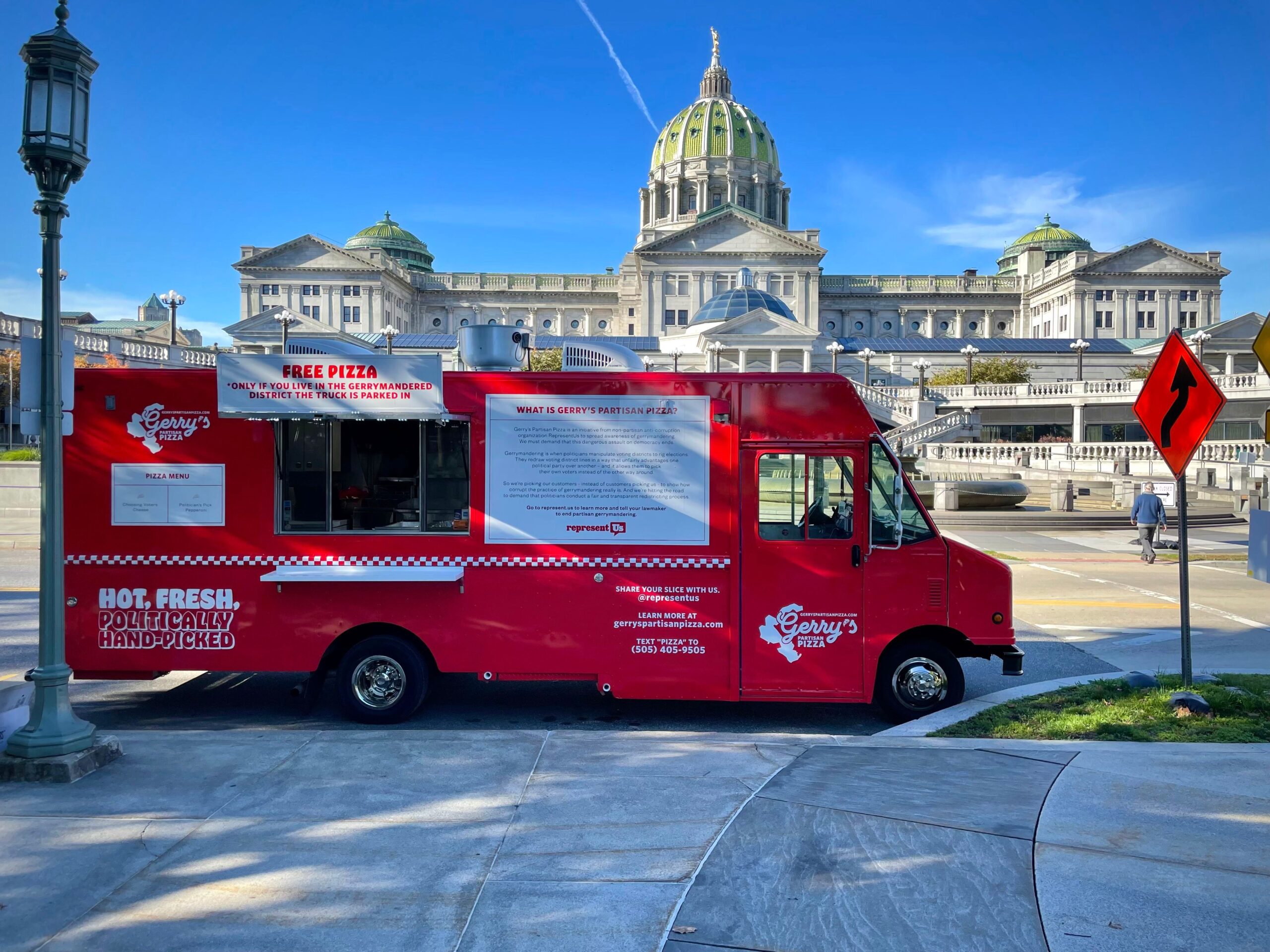
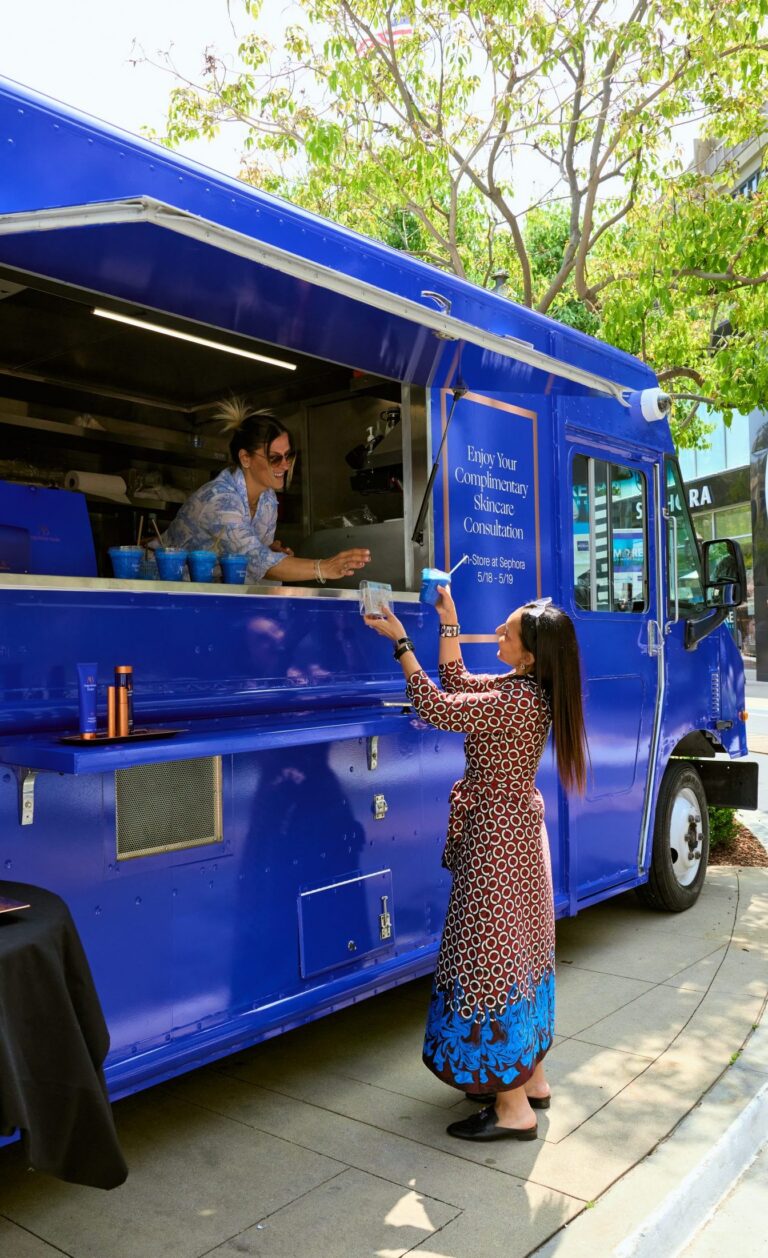
A woman gets an item from a worker at a blue Augustinus Bader food truck on a sunny sidewalk.

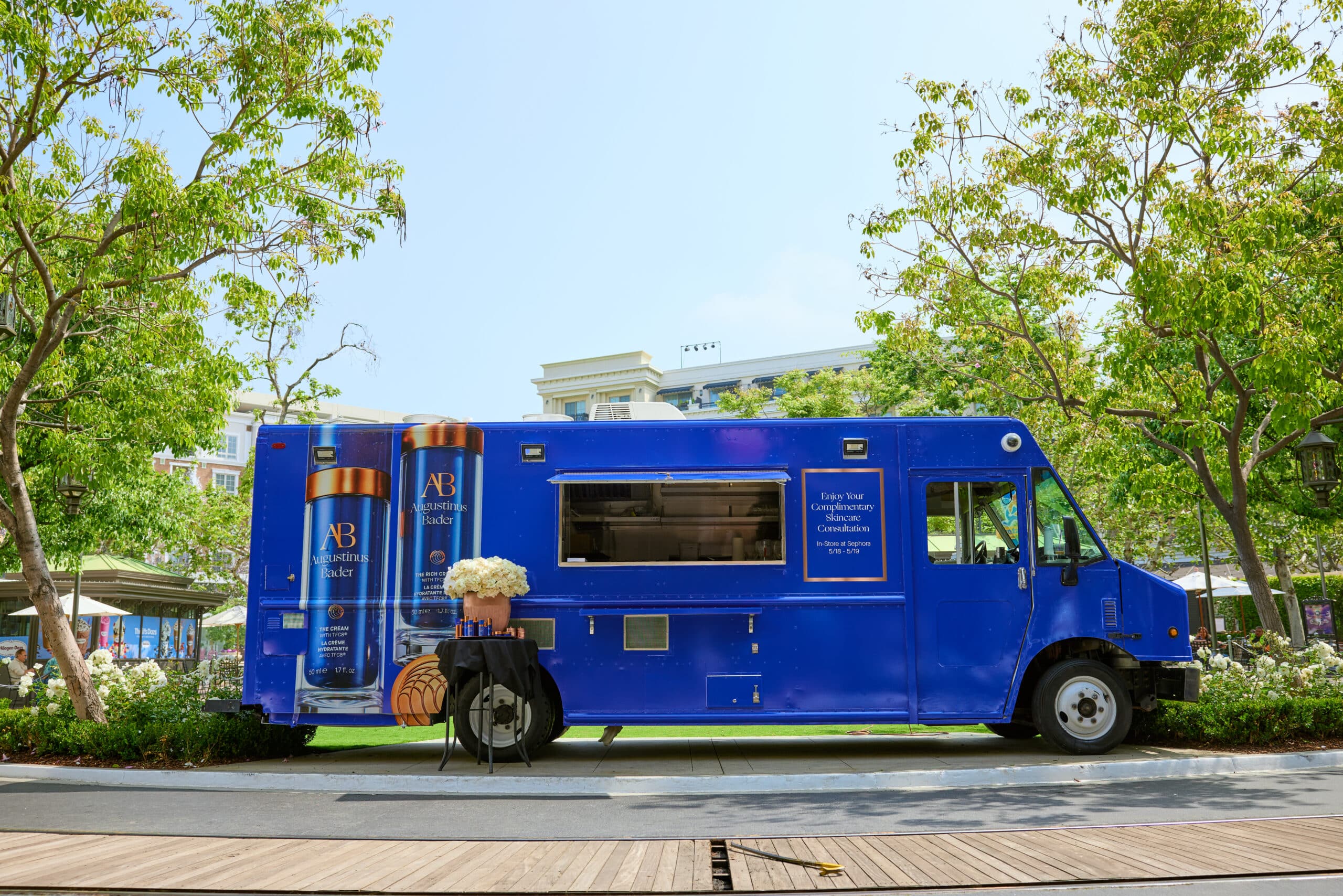
Augustinus Bader had two milestones to mark: a fifth anniversary and the opening of a new spa at The Webster in SoHo. The brief was to make a New York street moment feel consistent with a brand that sells at luxury skincare prices.

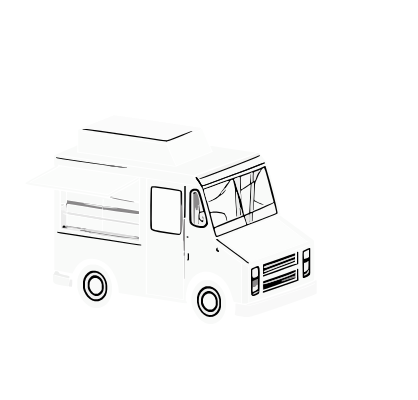
We ran a three-day activation built entirely around the brand’s own colour, with a custom-wrapped truck and superfood smoothies blended with the brand’s nutrient-packed supplement. Everything from the vehicle to the cup was designed to read as the brand rather than as a promotion attached to it.

Why it worked for a luxury brand: the activation gave away an experience rather than the product, so it drove trial and traffic to the new spa without discounting or diluting anything. That is the balance luxury activations have to strike. Read the full build in our Augustinus Bader pop-up truck case study, or browse more brand activation case studies.

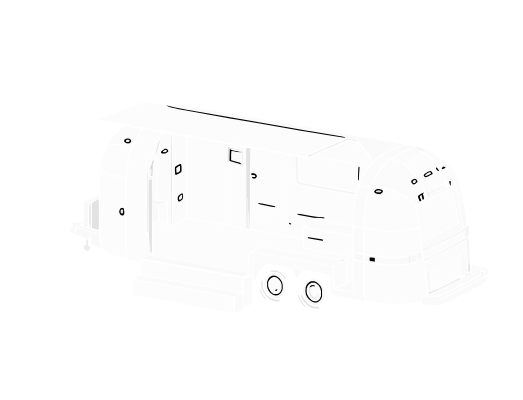
We have run the same model for other houses, including a mobile spa Airstream for Swiss skincare brand La Prairie at a vineyard, offering skin consultations and treatments across a five-day activation.

What To Avoid

  • Discounting to hit a quarter: it converts volume now and costs positioning for years.
  • Chasing reach over relevance: impressions from the wrong audience actively harm a luxury brand.
  • Manufactured scarcity: customers detect it, and it damages trust more than a genuine shortage ever helps.
  • Generic execution: at luxury prices, an activation that looks like any other brand’s activation undermines the premium it is meant to support.
  • Sampling indiscriminately: volume sampling suits mass brands; luxury needs curation and qualification.

The Bottom Line

Luxury brand marketing strategies come down to protecting desire while still creating access. Scarcity, craft storytelling, and clienteling build the desire; a carefully designed physical experience creates the access without cheapening it. Get that balance wrong in either direction and you either stall growth or spend years rebuilding positioning.

If you are planning an opening, launch, or private client experience, we design and build activations to that standard. Explore our brand activation services or contact our team to discuss it.

Frequently Asked Questions​

Luxury brand marketing is the practice of building and protecting desirability for high-price, low-volume goods. It covers heritage and craft storytelling, controlled distribution and scarcity, clienteling, selective partnerships, and physical retail and event experiences designed to feel exclusive.

It inverts the usual rules. Mass brands pursue reach, discount to convert, and optimize for volume. Luxury restricts supply, avoids discounting, and optimizes for desire, because growth that makes a brand easy to buy undermines the exclusivity the price depends on.

A traditional pop-up occupies a leased storefront or space for a fixed period, while a mobile pop-up is built into a vehicle and can change locations daily. The mobile version carries an identical brand experience across stops and doubles as a moving billboard between them.

Controlled scarcity, craft and provenance storytelling, clienteling and private client programs, selective partnerships that add credibility rather than reach, and elevated physical experiences where the environment forms part of the product itself.

It justifies the price and makes ownership a signal to others. Limited runs, allocation, and waitlists create desire that advertising cannot manufacture. The caution is manufactured scarcity, which customers detect and which damages trust.

Clienteling is managing individual relationships with high-value customers through personal advisors, private previews, and invitation-only events. It matters because a minority of customers generate a majority of revenue in most luxury categories.

Rarely, and not to solve a quarter. Discounting converts volume in the short term but signals that the price was negotiable, which is difficult to reverse. Most houses prefer to manage inventory through allocation and distribution instead.

Yes, unusually well. Luxury products often cannot be judged on a screen, and exclusivity is easier to create physically through invitations and limited windows. A curated experience drives trial without the dilution that mass sampling would cause.

By giving away an experience rather than discounting the product. A curated activation, a consultation, a treatment, or a branded refreshment creates access and trial while the product itself retains its price and its positioning.

Ones that add credibility rather than reach. A smaller audience with the right cultural associations is worth more than a larger audience without them, which is why luxury collaborations are chosen on fit rather than follower count.

Start with the audience you need in the room, the level of exclusivity required, and the market. A partner can handle design, fabrication, permits, and staffing to a premium standard. Share your timing with our team and we will scope it.

FTP Free download

The Mobile Pop-Up Shop Launch Checklist

7 steps, 37 checkpoints, and a one-page brief to plan and launch a mobile pop-up shop that converts.

Instant PDF · No Cost

Ashley Elarde

Author

Ashley Elarde

Social Media Manager @ FTP Agency

Ashley Elarde is a social media strategist, content creator, and experiential marketing professional with experience bringing brands to life through engaging digital content. She has helped execute campaigns for brands across beauty, fashion, retail, and entertainment, developing campaigns that drive engagement and meaningful consumer connections.

More posts