Why You Should Launch a Custom Food Truck Campaign

By: David Botbol 10 min read

custom food trucks

A custom food truck is one of the most versatile tools in experiential marketing: a fully branded, mobile vehicle that brings your product, your message, and a real-world experience directly to wherever your customers gather. It is a mobile kitchen, a rolling storefront, and a moving billboard in one, and it works in any season and almost any setting.

The reason brands reach for a custom build rather than a generic rental is control. Every element, the wrap, the layout, the service window, the interior, gets designed around one campaign and one audience. This guide covers the main types of custom food trucks and mobile units, what each one does best, how a build comes together, and how brands use them across launches, tours, festivals, and seasonal activations.

Key Takeaways

  • A custom food truck is a mobile kitchen, storefront, and billboard in one: It serves product, showcases the brand, and advertises in transit, all from a single build designed around your campaign.
  • The vehicle type follows the goal: Full trucks handle volume and weather, tuk tuks bring charm to tight spaces, carts keep it compact, glass trucks showcase, and Airstreams create a boutique.
  • Custom means designed, not decorated: A real custom build shapes the layout, service flow, and interior around the customer journey, not just a wrap slapped on a stock vehicle.
  • They work year round: A well-built unit performs in summer heat and winter cold alike, with heating, enclosure, and weather planning built into the fabrication.
  • The build is the experience: Because the vehicle sets the footprint, the sightlines, and the first impression, choosing and designing it is the single biggest decision in the campaign.

The Main Types of Custom Food Trucks and Mobile Units

The right custom build depends on your product, your audience, and where you plan to activate. Here are the five formats brands use most, and what each does best.

Food Trucks: The Versatile Workhorse

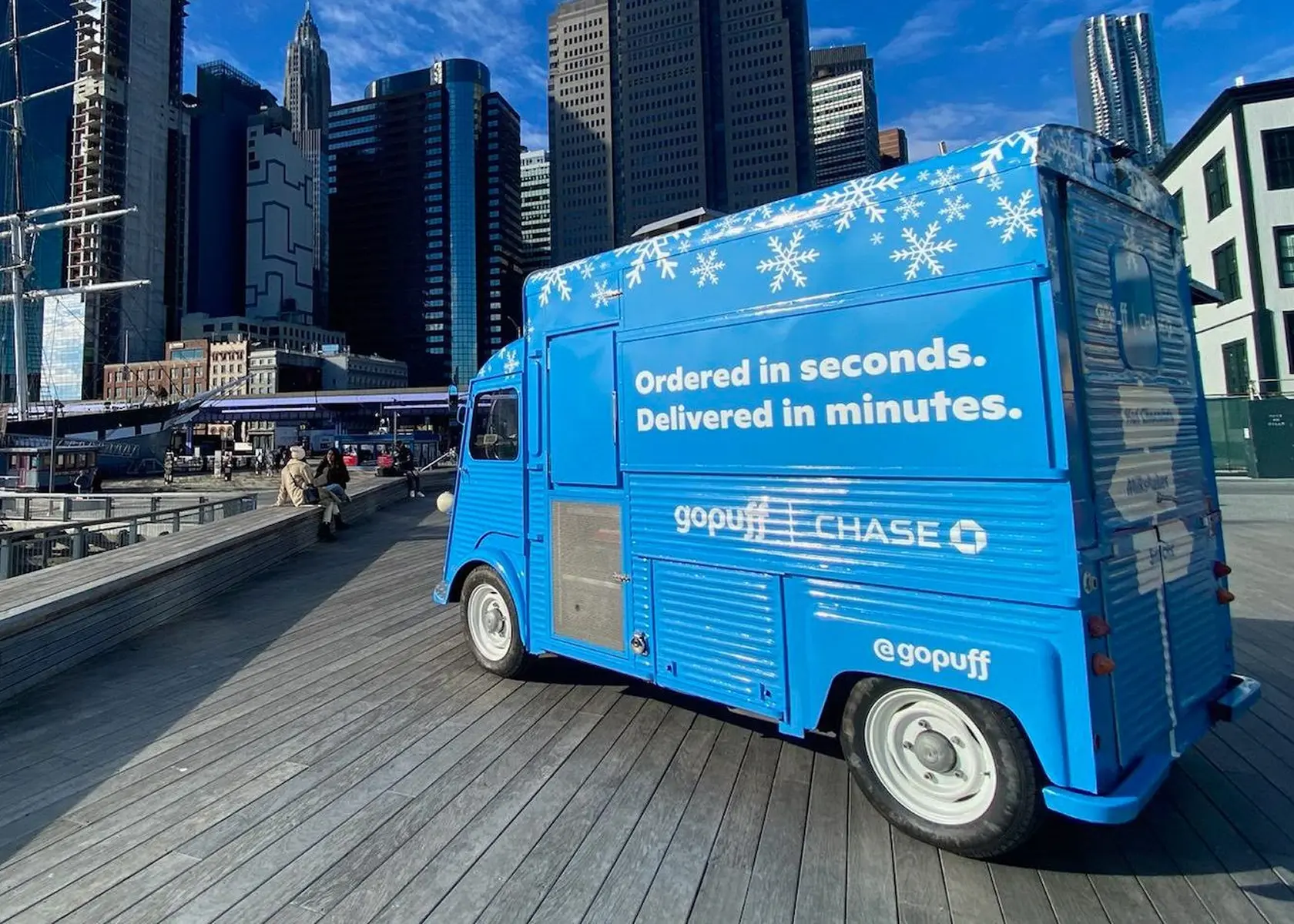
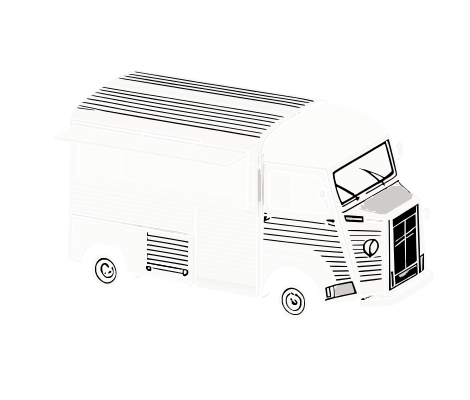
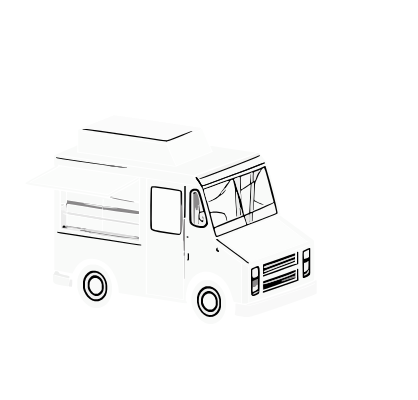
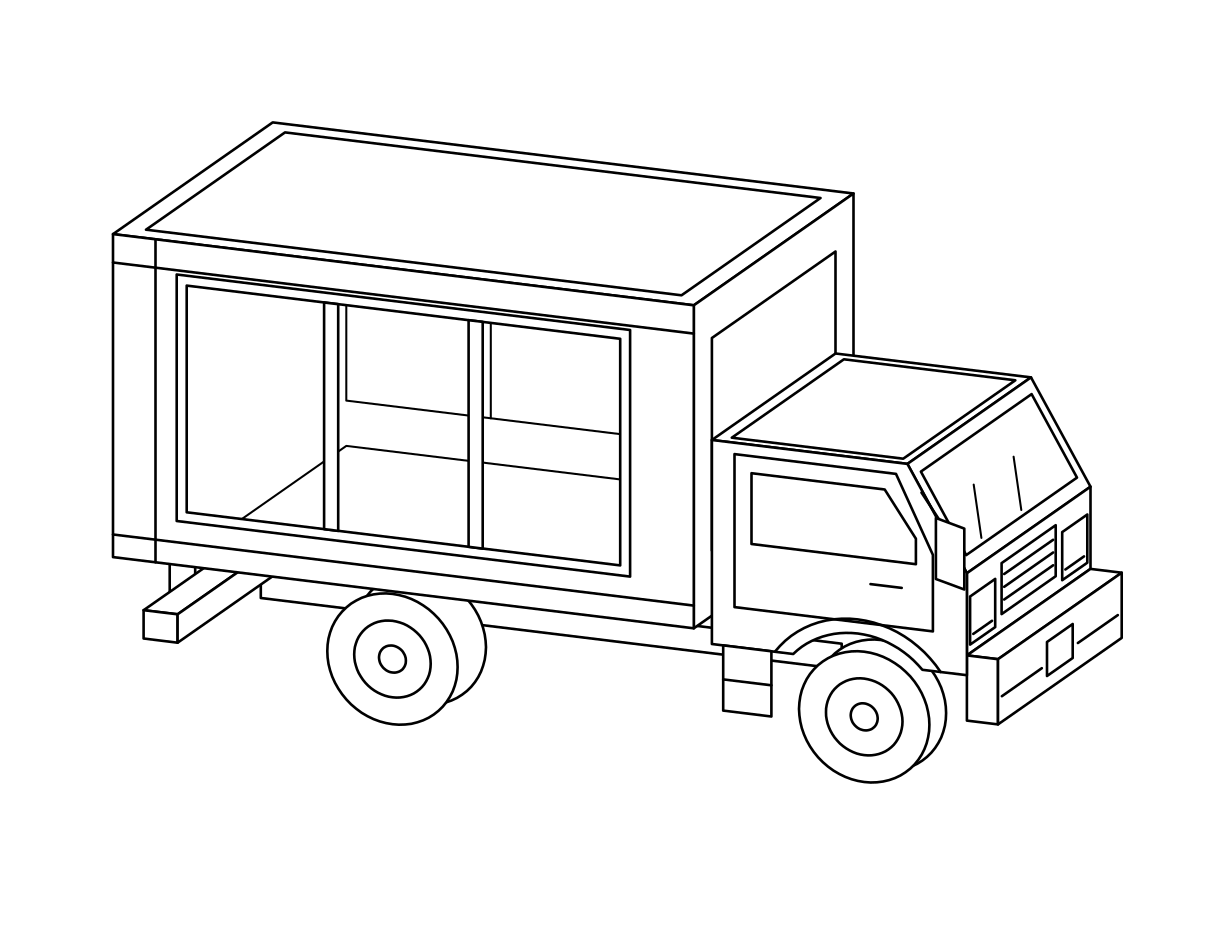
A full-size custom food truck is the most versatile unit available. With a complete mobile kitchen, brands can serve hot drinks, cold treats, full meals, or seasonal comfort foods, drawing crowds in almost any weather. The enclosed space keeps staff comfortable and the workflow smooth, the large exterior gives you a canvas for bold branding, and the vehicle can travel between cities or events across a single campaign. When people want warmth, food, or a reason to stop, an aromatic branded truck is an instant magnet.

Tuk Tuks: Small, Stylish, and Impossible to Ignore

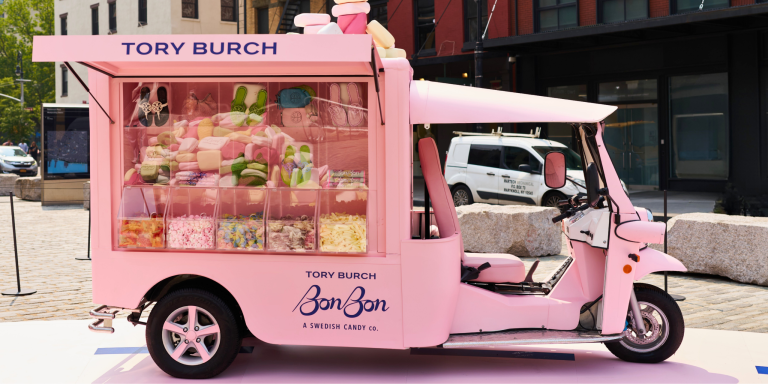
A branded tuk tuk is a compact, charming, highly mobile unit that draws attention through sheer personality. The small three-wheel footprint fits indoor venues, markets, and tight urban locations a full truck cannot reach, making it ideal for sampling campaigns, beverage activations, and small-batch treats. Fully customizable with lighting, signage, and a compact service setup, a tuk tuk is a strong option for brands that want a distinctive presence without the cost or footprint of a full-size truck.

Food Carts: Compact, Flexible, and Crowd-Friendly

When you need something simple, budget-friendly, and easy to maneuver, a custom food cart is the most flexible unit there is. Food carts set up fast, fit into tight or indoor spaces, and create an intimate, face-to-face interaction with customers. They suit quick sampling, warm snacks, and seasonal beverages, and they can include custom shelving, heating elements, and branded decor. Many brands pair a cart with a larger build to cover both intimate service and high-volume moments in one campaign.

Glass Box Trucks: The Moving Showpiece

A glass box truck is the show-stopping centerpiece when a campaign calls for maximum visibility. Transparent walls let passersby see the activation from every angle, turning the interior into a moving display case, which makes it ideal for product showcases, chef demos, and immersive brand experiences. It offers an enclosed, comfortable space for staff and customers, performs well in high-traffic plazas and events, and with expert lighting and design becomes an unforgettable mobile billboard for limited-edition products or live demonstrations.

Airstreams: Retro Charm Meets Premium Experience

Few units capture attention and nostalgia like a polished Airstream Bambi. The iconic silver trailer blends warmth, heritage, and premium appeal, making it perfect for elevated activations. The spacious interior keeps staff and guests comfortable, offers room for catering, sampling, or a full pop-up, and provides a stunning backdrop for custom branding. Airstreams transform into mobile lounges, tasting rooms, and boutique retail shops, becoming an inviting hub for customers seeking an experience rather than just a sample.

What Makes a Build Truly Custom

Custom is the operative word. A branded rental is a wrap on a stock vehicle; a true custom build is designed from the campaign outward. A few things separate the two.

The Layout Follows the Customer Journey

A real custom build starts with how guests will approach, what they will do at the vehicle, and what they will leave with, then designs the service window, the flow, and the interior around that. The vehicle should make the intended interaction effortless, whether that is a fast sampling line or a slow, browse-and-linger boutique experience.

The Build is Designed for the Conditions

A unit that only works in perfect weather is a gamble on a date you cannot move. Custom fabrication plans for the real conditions: heating and enclosure for cold months, airflow and shade for hot ones, and covered service so the activation runs whatever the day brings. This is what lets a single build work in summer and winter alike.

Every Surface Is a Branding Decision

The wrap is only the start. The service window, the interior, the cups and napkins, the signage, and the takeaway are all surfaces that carry the brand. A custom build treats each one as part of the story, which is what turns a vehicle into an experience people photograph and remember.

Case Study: Peach & Lily's Custom Glass Bus

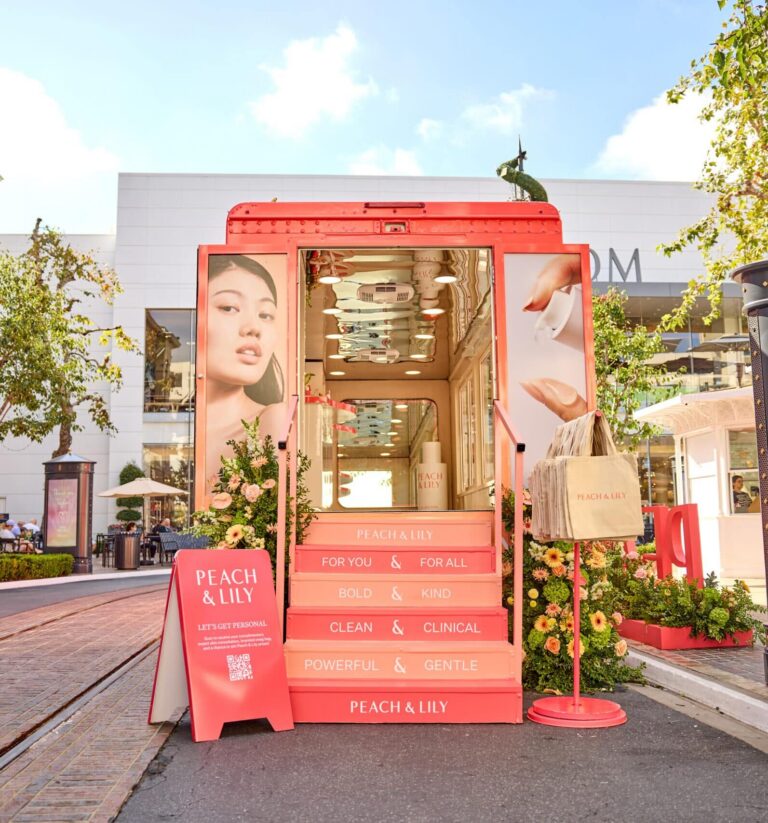
Peach & Lily peach pop-up shop with flowers and product displays outside a shopping center.

Peach & Lily’s 5th-anniversary tour shows what a fully custom build makes possible. To celebrate the milestone for the brand known for its Glass Skin collection, Peach & Lily worked with FTP Agency to create an iconic glossy glass truck designed to embody the brand’s clean, aesthetic identity from the outside in.

The build was the campaign. The peach-themed truck’s glass walls gave passersby a glimpse of a fully customized interior, a serene space where visitors could explore the product line firsthand, while bespoke florals and distinctive signage made the brand name impossible to miss. It ran as a multi-city tour that began in LA and ended in New York, spanning four days with two stops in each location, a route only a mobile build makes possible.

The experience was designed to reward the visit and capture it: guests received a branded tote on entry and could spin a prize wheel for a chance to win Peach & Lily products. That combination, a photogenic custom build, a reason to step inside, and a takeaway that carried the brand home, is exactly what separates a custom activation from a rented vehicle with a logo on it.

The Bottom Line

A custom food truck is not really about the food, it is about control. A build designed from the campaign outward, matched to the right format, and engineered for the conditions turns a vehicle into a mobile kitchen, a branded storefront, and a moving billboard all at once. Whether the goal is a product launch, a multi-city tour, a festival presence, or a seasonal activation, the format flexes to fit, a full truck for volume, a tuk tuk or cart for tight and intimate settings, a glass truck for visibility, an Airstream for a premium boutique feel. The brands that stand out are the ones that treat the vehicle as the experience, because that is exactly what the customer sees first and remembers longest.

Frequently Asked Questions

A custom food truck is a food truck built and branded around a specific brand or campaign, rather than a generic rental. Beyond the wrap, a true custom build designs the layout, service window, interior, and equipment around the product and the customer experience, turning the vehicle into a mobile kitchen, storefront, and billboard in one.

The main formats are full-size food trucks for versatility and volume, tuk tuks for compact and charming activations, food carts for flexible intimate service, glass box trucks for high-visibility showcases, and Airstreams for premium, boutique-style experiences. The right one depends on your product, audience, and where you plan to activate.

A rental is typically a stock vehicle with a wrap applied. A custom build is designed from the campaign outward: the layout, service flow, interior, branding, and equipment are all shaped around the specific product and customer journey. That level of design is what turns a vehicle into a memorable brand experience rather than just transportation.

Almost anything, depending on the build: hot drinks and comfort food, cold treats and beverages, full meals, branded samples, or seasonal specials. The menu is usually designed to connect to the brand, so the food or drink reinforces the product story rather than sitting next to it as a generic giveaway.

Yes. A well-designed custom build performs year round, with heating, enclosure, and weather planning built into the fabrication. Winter is actually a strong season for food trucks, because people gravitate toward warmth and comfort, and an aromatic branded truck serving hot drinks or treats becomes an instant magnet on a cold day.

It depends on the complexity of the build and the wrap, but a custom fabrication should be planned well in advance of the campaign. Seasonal and holiday activations need the most lead time, since themed fabrication and prime dates compete for the same calendar. Starting early is the surest way to get the build and the locations you want.

Costs vary widely by vehicle type, build complexity, campaign length, and number of markets. A compact cart or a single-day local activation costs far less than a fully custom glass truck on a multi-city tour. Because the vehicle can be reused across a campaign, the fabrication cost often spreads across many activation days rather than one event.

Brands across beauty, fashion, food and beverage, wellness, tech, and entertainment all use them. Food and beverage brands use them for sampling and launches, while beauty and fashion brands use glass trucks and Airstreams for immersive retail experiences. Any brand that benefits from meeting customers in person can use a custom build matched to its product.

Yes, and touring is one of the strongest uses of the format. A single custom build can run a multi-city route, bringing an identical branded experience to each market without opening anything permanent. Planning the route as a sequence, with transport days between stops, is part of what an experiential agency handles for a touring build.

Experiential agencies with in-house design and fabrication. At Food Truck Promotions, that covers the vehicle, the custom build-out and wrap, the interior and layout, permits and logistics, staffing with brand ambassadors, and the campaign strategy around it, so the brand shows up to a finished, on-brand build ready to activate.

David Botbol

Author

David Botbol

EVP, Managing Director @ FTP Agency

David Botbol thrives on turning bold ideas into real-world brand moments. As Executive VP and Managing Director of Food Truck Promotions, and a leader within the New York and Los Angeles Food Truck Associations, he draws on a background in business development and startups to help brands connect with audiences through creative, unforgettable mobile experiences.

More posts
How to Choose an Experiential Marketing Vehicle for Your Pop-Up Shop