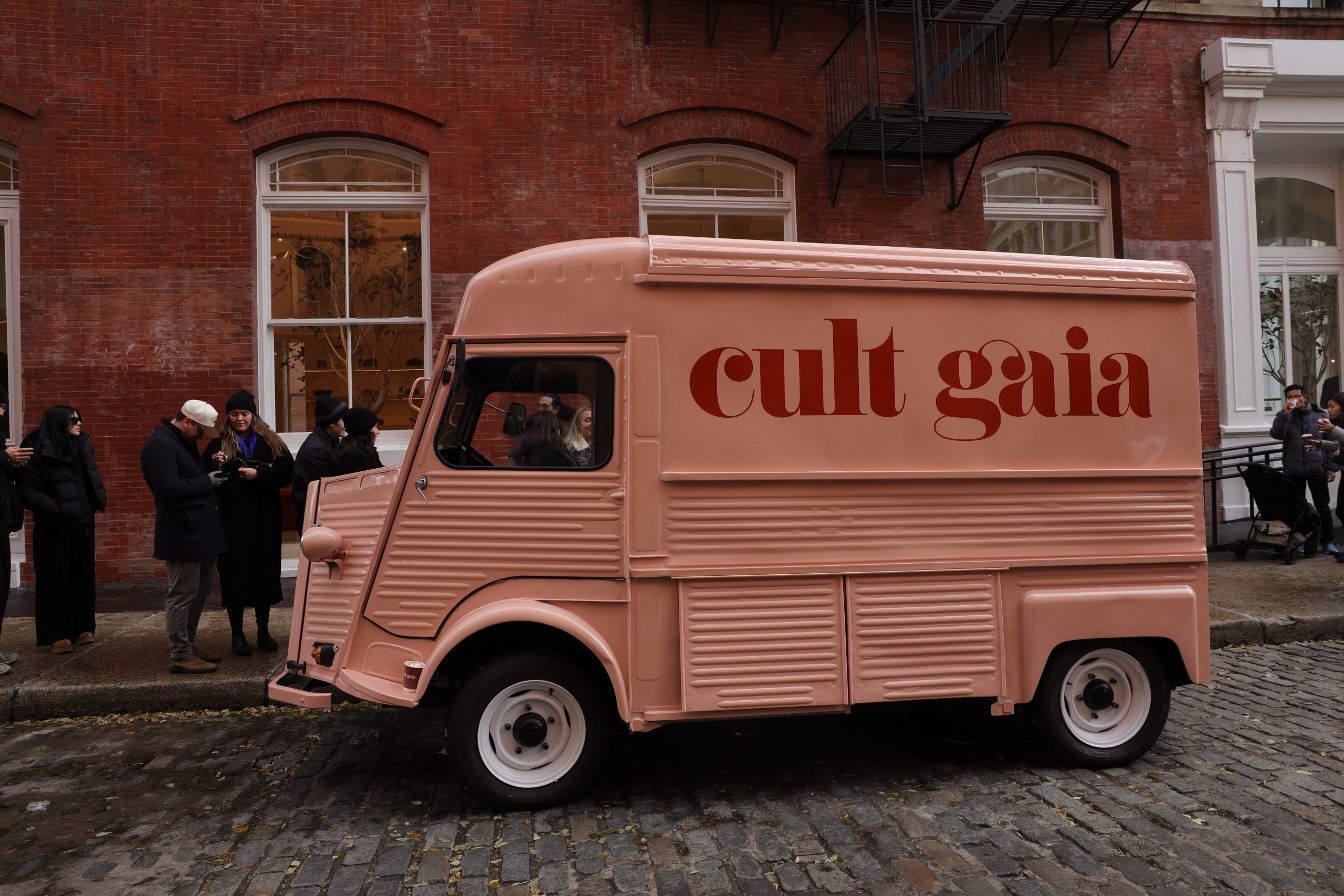
A mobile food truck is no longer just a kitchen on wheels, it is one of the most effective experiential marketing tools a brand can put on the street. Food trucks have long brought flavor to the curb, from gourmet tacos to classic comfort food, but today’s most successful ones do far more than serve meals: they transform into branded, interactive experiences that connect a company with its customers in unforgettable ways.
Whether you are planning an activation, launching a product, or looking to engage an audience in a fresh way, a mobile food truck brings your brand directly to the streets and into your customers’ lives. This guide covers what an experiential food truck is, why it works, and, most usefully, how to plan, design, and activate one so it goes from curbside to crowd favorite. For the wider case on why in-person activations work, see the benefits of experiential marketing.
Key Takeaways
- They go beyond food: An experiential mobile food truck is a brand activator, a mobile pop-up where customers taste, play, and connect with far more than a menu.
- Design carries the message: A cohesive wrap, layout, and props turn a truck into an immersive experience that tells your brand story at a glance.
- Engagement drives results: Games, personalization, interactive tech, and exclusive perks turn a passive display into an active, memorable experience.
- Strategy comes first: A clear goal, audience, and success metric should shape the build before the truck ever hits the street.
- They scale across markets: One well-designed truck can travel from city to city and event to event, expanding reach and brand loyalty.
What Is an Experiential Food Truck?
An experiential mobile food truck is more than a kitchen or restaurant on wheels. It serves as a mobile pop-up, brand activation, and interactive hub where customers can learn, taste, play, and connect with products that go well beyond food. Think of it as a versatile stage for your brand, a place where props, merchandise, and services come together in a cohesive design that tells your story. Whether you are handing out samples, hosting games, or showcasing new concepts, the goal is to elevate the brand and make it memorable.
Why Experiential Food Trucks Work
Here are the reasons your brand needs to launch an experiential food truck campaign.
They Get Noticed
A brightly wrapped truck parked in a busy area instantly draws attention. Unlike a static billboard or a digital ad, it is a physical, three-dimensional presence that people walk up to, and that visibility is the first step toward being remembered.
They Create Buzz
People love to comment on, share, and post about unique experiences. A well-designed truck becomes naturally shareable content, so every visitor can extend the activation to their own followers with a photo or a story.
They Build Connection and Trust
When consumers interact with a brand in person, they are more likely to remember and trust it, and letting them try a product firsthand is the most persuasive touch of all. Research in the Journal of Electronic Commerce Research found that free product sampling drives a far higher conversion rate than traditional promotional methods, which is exactly what a food truck enables.
They Are Mobile
You can take the activation anywhere, from festivals and campuses to corporate events and neighborhood gatherings, and one truck can travel from market to market across a campaign. That mobility is what lets a single build reach a wide, varied audience, and a full mobile marketing tour can extend it across markets.
Strategy First: How to Plan Your Experience
Before you hit the streets, you need a solid plan, because experiential marketing with a mobile food truck is about creating a moment that sticks, not just in the minds of your audience, but in their social feeds, conversations, and brand loyalty. Start by defining your vision with a few clear questions: What do you want people to feel, do, or remember after visiting? What is the core message? Who is the audience, and what kind of experience will resonate with them? And how will you measure success?
Once those goals are clear, work with an experienced team to bring the vision to life with creativity and logistical precision. Partnering with specialists in mobile experiential trucks keeps the activation logistically sound, visually compelling, and aligned with your brand goals.
Design That Delivers
Your truck’s wrap, layout, and interior design are what turn a vehicle into an immersive experience, and this is where creativity meets strategy. A few design principles make the difference:
- Wrap it right: Use bold colors, clear branding, and eye-catching visuals so the truck pops from across the street.
- Create zones: Designate distinct areas for sampling, interaction, merchandise, and photo ops so the experience has a natural rhythm.
- Use props: Branded props reinforce the message and add fun, giving guests something to engage with and photograph.
- Think flow: Design the layout for smooth movement and minimal wait times, so the experience feels effortless.
Whether you are going for a classic diner vibe or a futuristic tech lounge, the truck should reflect your brand’s personality and purpose in every detail. Explore the branded food trucks we design and build.
Engagement Matters: 4 Ways to Drive Participation
An experiential food truck is not just a rolling billboard, it is a platform for connection, so the activation should invite participation, spark curiosity, and leave a lasting impression. Four tactics reliably drive engagement:
Run games and giveaways
Contests, spin-to-win moments, and giveaways create excitement and encourage foot traffic.
Let guests personalize
Allow visitors to customize a product or leave a message on a community wall so they help create the experience.
Integrate interactive tech
QR codes, touchscreens, and augmented reality deepen engagement and capture data at the same time.
Offer exclusive perks
Limited-edition merch or time-limited discounts reward visitors and build brand loyalty.
The more interactive and personalized the activation, the more likely your audience is to share it, remember it, and come back for more, transforming the truck from a passive display into an active experience.
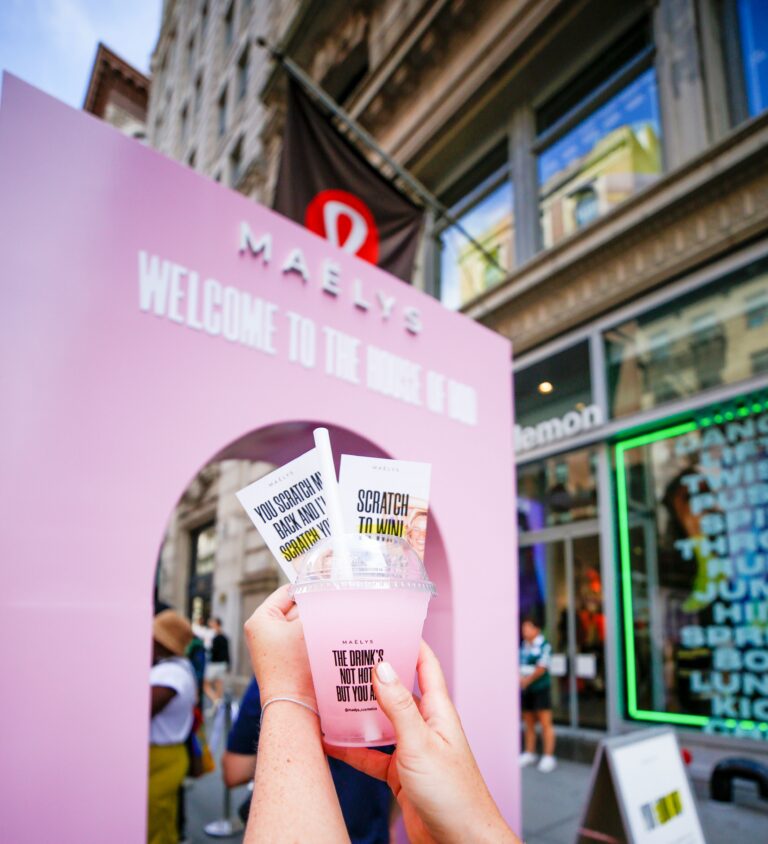
Case Study: MAELYS’s House of Bod Food Truck