Coachella brand activations have become their own industry, running in parallel to the music and often generating more marketing value than the lineup that draws everyone to the desert.
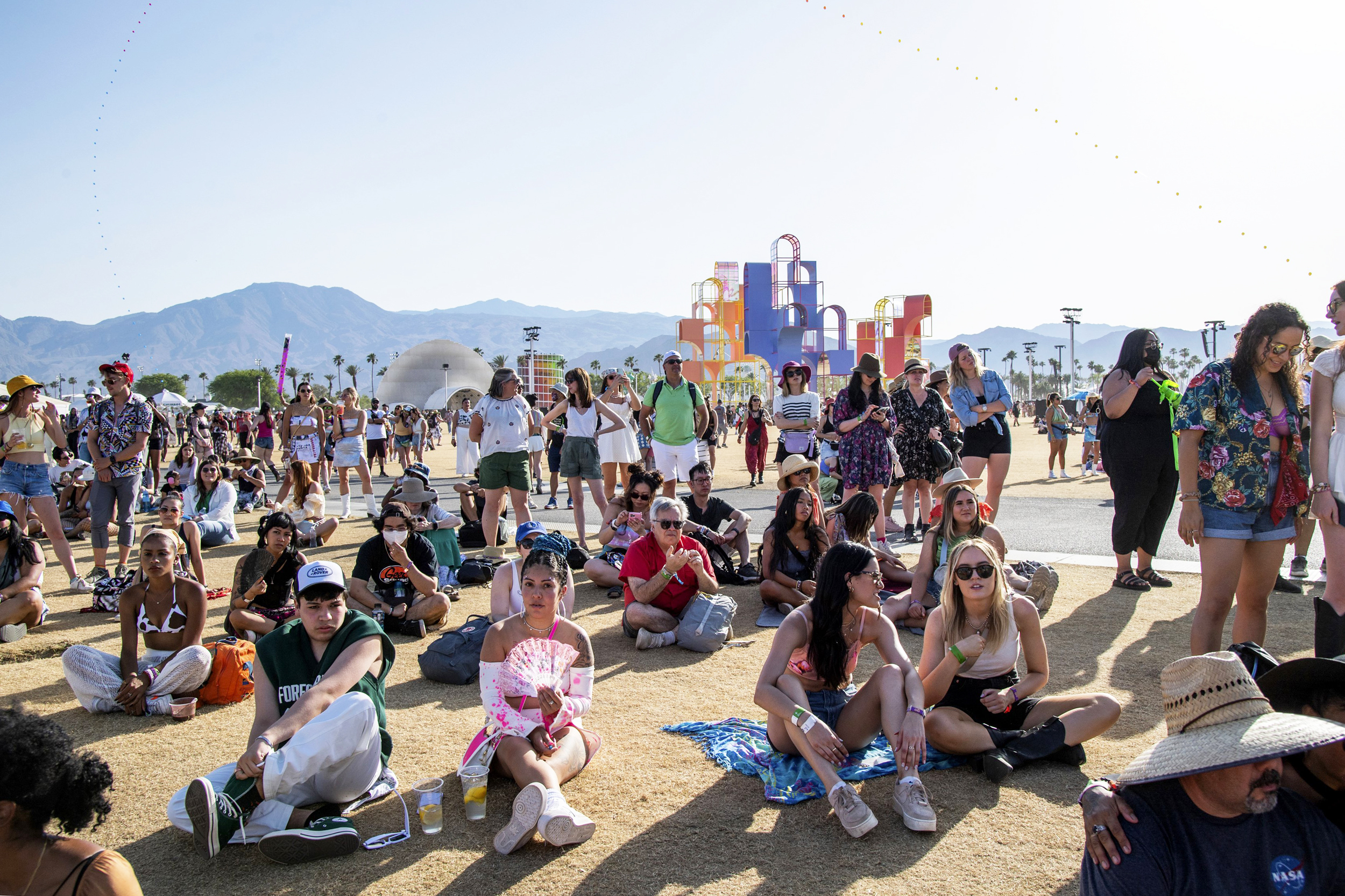
Across two weekends, roughly 250,000 people gather in Indio, and they arrive in the most documented mood of the year. That combination, a captive audience in a social setting with phones out, is why brands across beauty, fashion, food, finance, and tech build some of their biggest campaigns of the year around the festival.
This guide covers why music festival marketing works, the critical difference between activating on-site and off-site, real examples from recent years, and how to plan a Coachella campaign of your own.
Key Takeaways
- Scale plus mindset is the draw: around 250,000 attendees across two weekends, all primed to document and share what they see.
- Most brands activate off-site, not on festival grounds: on-site presence requires official sponsorship, so the surrounding cities are where the majority of activity happens.
- Off-site can outperform on-site: activating away from the crowded sponsor zone often means less competition for attention and a better cost profile.
- Utility beats spectacle in the desert: shade, hydration, sunscreen, and phone charging are genuinely welcome in triple-digit heat.
- Plan by autumn: builds, permits, venues, and staffing for an April festival need to be scoped months ahead.
What is a Coachella Brand Activation?
Coachella brand activations are branded experiences that companies produce during the festival, either inside the grounds as official sponsors or in the surrounding Coachella Valley as independent campaigns. They include lounges, pop-ups, sampling stations, hotel and estate takeovers, creator houses, mobile vehicles, and out-of-home placements across Indio and Palm Springs.
The reason they work is brand association. People hold Coachella in high regard, and the way someone feels about the festival transfers to the brands they encounter there. That transfer is the less tangible but equally valuable half of music festival marketing.
Why Music Festival Marketing Works
Three things make festivals unusually efficient for experiential campaigns.
A Concentrated, Receptive Audience
Festivalgoers are not commuting or shopping, they are there to enjoy themselves for several days. That mindset makes them far more open to trying something new than the same person scrolling past an ad at home.
Built-In Content Distribution
Coachella has evolved into an online fashion show as much as a music event. Feeds fill with outfit posts, get-ready-with-me videos, and recap content, which means a well-designed activation earns reach far beyond the people physically present.
Association With Something People Love
Being part of a weekend someone will remember for years is a different proposition from interrupting their afternoon. That is the core argument for experiential marketing generally, and festivals concentrate it.
On-Site vs Off-Site: The Decision That Shapes Everything
This is the part most guides skip, and it determines your budget, your timeline, and what is even possible.
On-Site Activations
Presence inside the festival grounds requires official sponsorship, negotiated with the organizers and priced accordingly. Long-running partners hold these positions, and categories are typically exclusive. If you can secure and afford it, you get direct access to the crowd and the credibility of official status.
Off-Site Activations
Everything else happens in the surrounding valley: hotel takeovers, rented estates, creator houses, airport installations, sampling in Indio and Palm Springs, and mobile activations that move between them. For most brands this is the realistic and often smarter route.
A recent example makes the case well. During Coachella 2026, Dove ran a largely off-site campaign that included a citywide sign takeover in Indio, an arrival installation and sampling experience at Palm Springs International Airport, billboards along Interstate 10, and more than 15,000 products distributed across key locations. Reaching people at the airport meant engaging them before they had even arrived at the festival, away from the crowded sponsor activity near the grounds.
Two practical notes on going off-site. First, Coachella is a protected trademark, so a non-sponsor should not imply official affiliation or use festival marks in promotional copy, and creative is worth a legal review before launch. Second, permits still apply. Indio, Palm Springs, and La Quinta each have their own requirements, and desert festival weekend is their busiest window of the year.
Coachella Activations Worth Studying
- Hospitality lounges: card and travel brands have long used member lounges offering shade, charging, drinks, and wellness services, trading utility for dwell time.
- Hotel and estate takeovers: fashion and beauty brands rent a property in Palm Springs, brand it fully, and control the entire environment and guest list.
- Creator houses: an invite-only property built for content production, with backdrops, glam stations, and product seeding throughout.
- Immersive built environments: multi-room installations designed less for the attendee standing in the desert than for the millions watching the resulting videos.
- Airport and arrival moments: catching festivalgoers as they land, before competing brands reach them. The pattern across all of them: give people something they want in that moment, in a space designed to be photographed.
Coachella Pop-Up Ideas For Your Brand
Here are some fun, engaging mobile pop-up ideas for your brand.
Product Display Wall
A display wall lets people take in an entire product range at a glance and doubles as a backdrop. We built one for Rose Inc as part of an international mobile tour across London, Los Angeles, and New York, where guests sampled the brand’s tinted serum while waiting for a cup of hot cocoa customized to represent a range of skin tones. See the build in our Rose Inc mobile pop-up case study.
Mobile Showroom
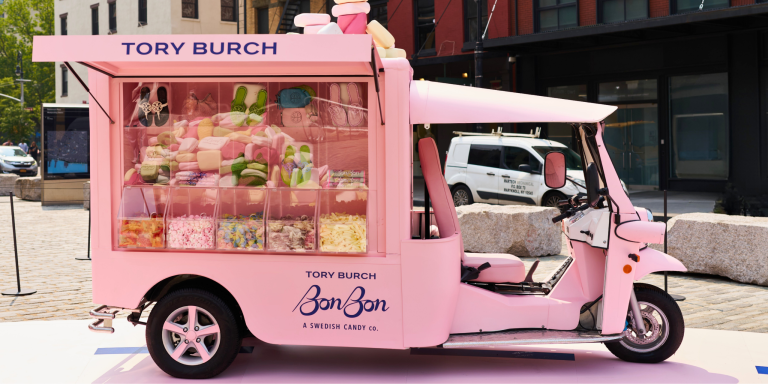
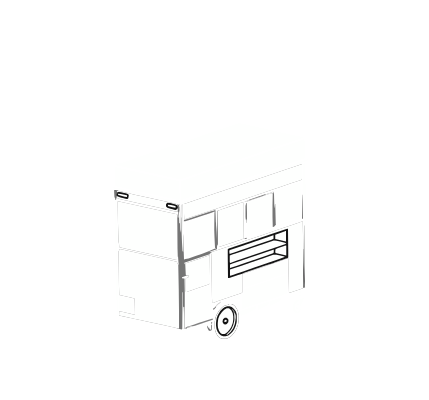
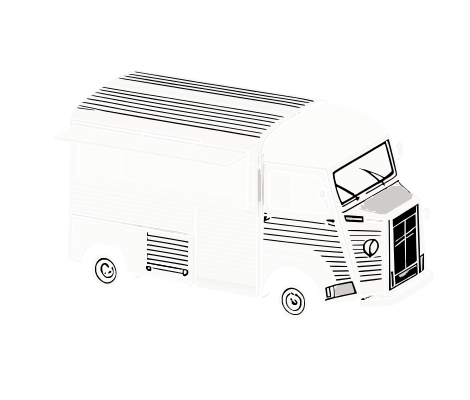
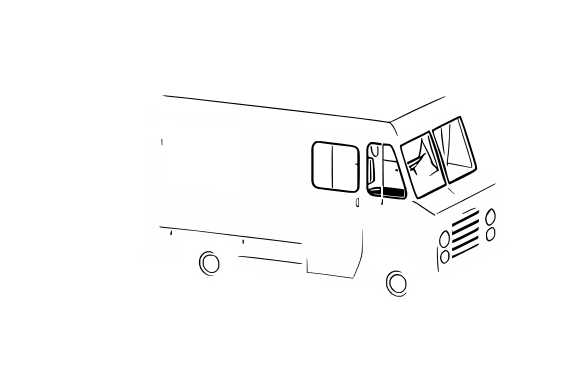
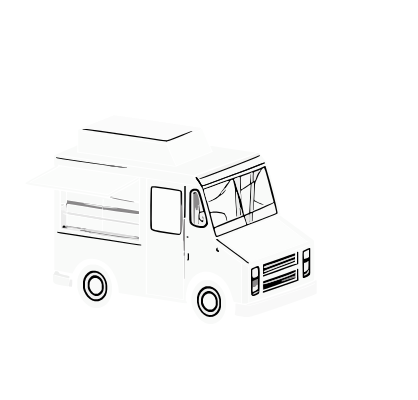
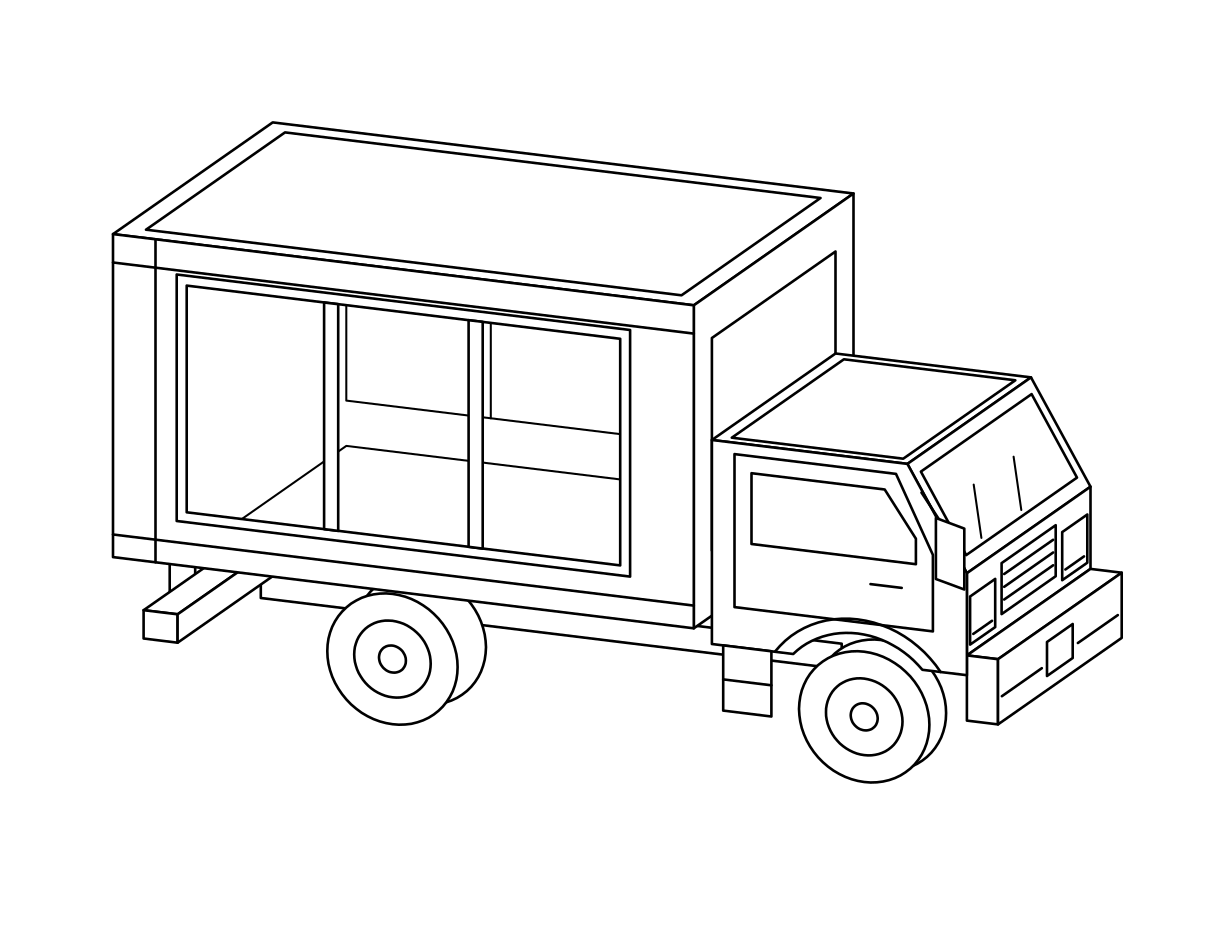
A branded vehicle gives festivalgoers a break from the crowd and a reason to shop, and unlike a fixed build it can move between the airport, a hotel property, and a downtown location across the weekend. Our experiential vehicles range covers the formats that work best in desert conditions.
Frozen Treats and Cold Drinks
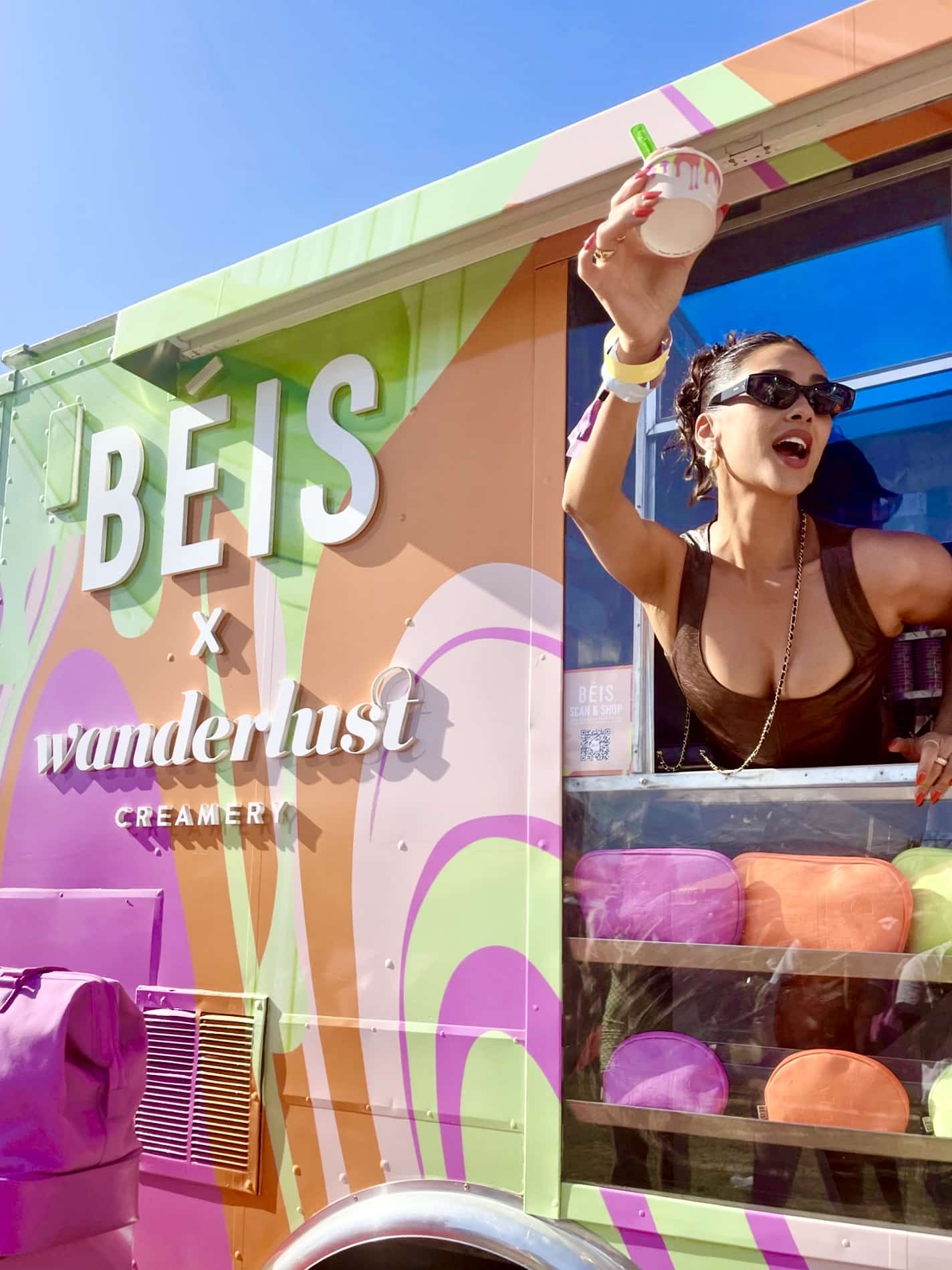
In April desert heat this is the highest-utility offer available. An ice cream or beverage truck consistently draws the longest lines of any activation format at a festival.
Prize Wheel or Giveaway
An interactive giveaway sends people home with branded merchandise, which extends the activation past the weekend and into everyday use.
Sunscreen, Shade, and Charging
Unglamorous and extremely effective. Solving a real problem in the heat buys goodwill and dwell time that a photo wall alone will not.
For more formats, see our guides to creative pop-up shop ideas and types of pop-up shops.