How FTP Agency Got Started: An Interview With Our Founder Ben Goldberg

By: David Botbol 8 min read

Ben Goldberg: how ftp agency was started

Every experiential marketing agency starts somewhere, and ours started with one food truck on the streets of New York City.

Breaking into the events industry is no easy feat. We spoke to Food Truck Promotions’s founder and president, Ben Goldberg, to learn how he got involved in experiential marketing after spending years owning and operating his own food truck in New York City.

Along with Food Truck Promotions’s back story, he gave us insight into the industry at large, including what it takes to run a successful experiential marketing agency.

Key Takeaways

  • It started by accident: a single marketing activation for FOX’s upfront introduced Ben to mobile marketing, and the opportunity was obvious from there.
  • The Edge proved the model: a vintage vehicle and cotton candy activation for Hudson Yards’s largest observatory was the moment the company knew it would work.
  • Launched straight into COVID: the agency opened just as experiential marketing shut down completely, and used the shutdown to build the product.
  • Staff and reliability come first: Ben’s answer on what the industry demands starts with leadership and delivery, not creativity.
  • Owning the fleet is the advantage: fabricating vehicles in house gives clients platforms no competitor can offer.

Who Is Ben Goldberg?

Ben Goldberg: how ftp agency was started

Ben Goldberg is the founder of Food Truck Promotions and a co-founder of the New York and Los Angeles Food Truck Associations. He spent years owning and operating his own food truck in New York City before moving into experiential marketing, which is an unusual route into the industry and the reason the agency is built around vehicles rather than around advertising.

That background matters to how the company works today. The team fabricates its own experiential vehicles rather than renting them, and handles permits, staffing, and logistics in house, all of which come directly from years of operating on the street.

Interview with Our Founder

How did owning your own food truck open the doors to the experiential marketing industry?

When I owned my own food truck, we were asked to do a marketing activation for FOX’s ‘upfront,’ a release of their fall shows. This was the first time I had ever heard of mobile marketing, and it proved to be something very interesting and lucrative. At that time, I saw it as a real opportunity to do those kinds of brand activations moving forward and improve upon them. 

When and how was Food Truck Promotions born? When did you know it would be successful?

Even though we had been doing mobile activations through the New York Food Truck Association for many years, we launched Food Truck Promotions right before COVID-19. 

As we were trying to transition into a stand-alone company, we were asked to do a promotion for The Edge, Hudson Yards’s largest observatory.

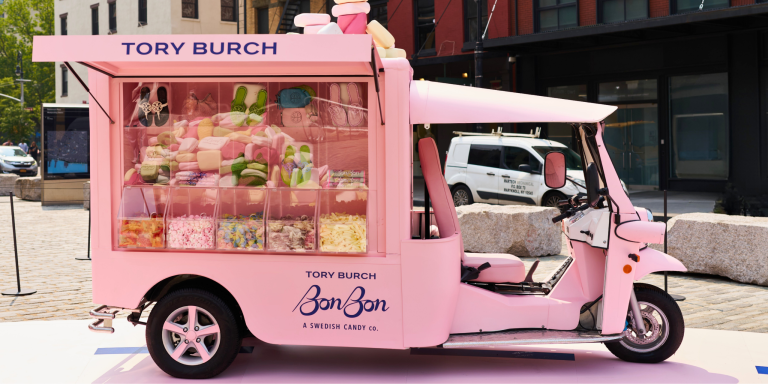
It was a really cool activation using a vintage vehicle and cotton candy, giving the idea of clouds and being high up, and at that point because it was such a well-known entity that asked us to do that, we knew it would be successful and a matter of time before SEO and our outreach kicked in. 

What qualities should a company within the experiential marketing industry have?

Well, I think in any industry it’s important that you have great staff. You have to be a good leader and take care of your staff, I think that’s really important.

You also have to be creative, you know, clients are looking for something different and unique and they don’t want cookie-cutter ideas. It’s also important to be reliable and get things done when you say you will because this industry is very reliant on all the work before the project actually happens. 

How does the company culture shape the experiential marketing agency’s success?

The most important thing I view in the company culture is that people enjoy what they do, that they’re motivated, that they enjoy coming to work and spending time with each other because when you spend that much time especially in marketing where it sometimes requires long-nights or overtime on the weekends, it’s important you’re not just showing up as a job, but that everyone buys into the future of the company.

What challenges has Food Truck Promotions faced over the years?

Going back to what I said, we launched during COVID. Experiential marketing shut down completely so we had to weather that storm. We survived it, and during that time, we worked really hard on our product and made sure that when in-person events came back, we were ready.

What excites you about the future of Food Truck Promotions?

That’s a great question. We are always working to do something different, exciting and unique, we have a lot of really cool vehicles we’ve been fabricating around, so that gives us vehicles no one else has, and these will be great platforms for our clients to bring their vision to life.

Where FTP Agency Is Now

Since this interview, the company Ben describes launching into a shutdown has produced more than 600 activations for over 500 brand partners, generating in excess of 25 million consumer engagements across markets in the United States and internationally.

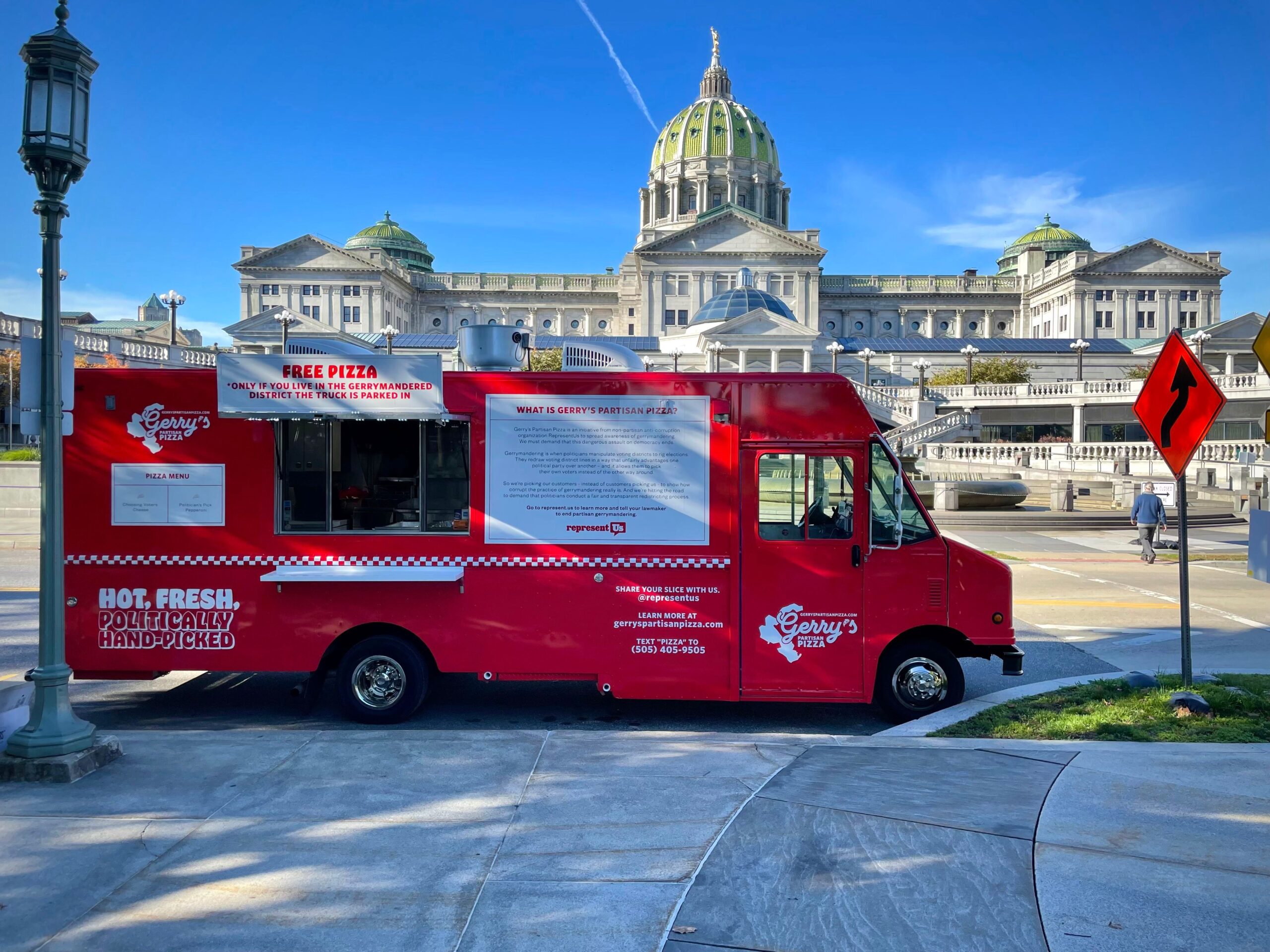
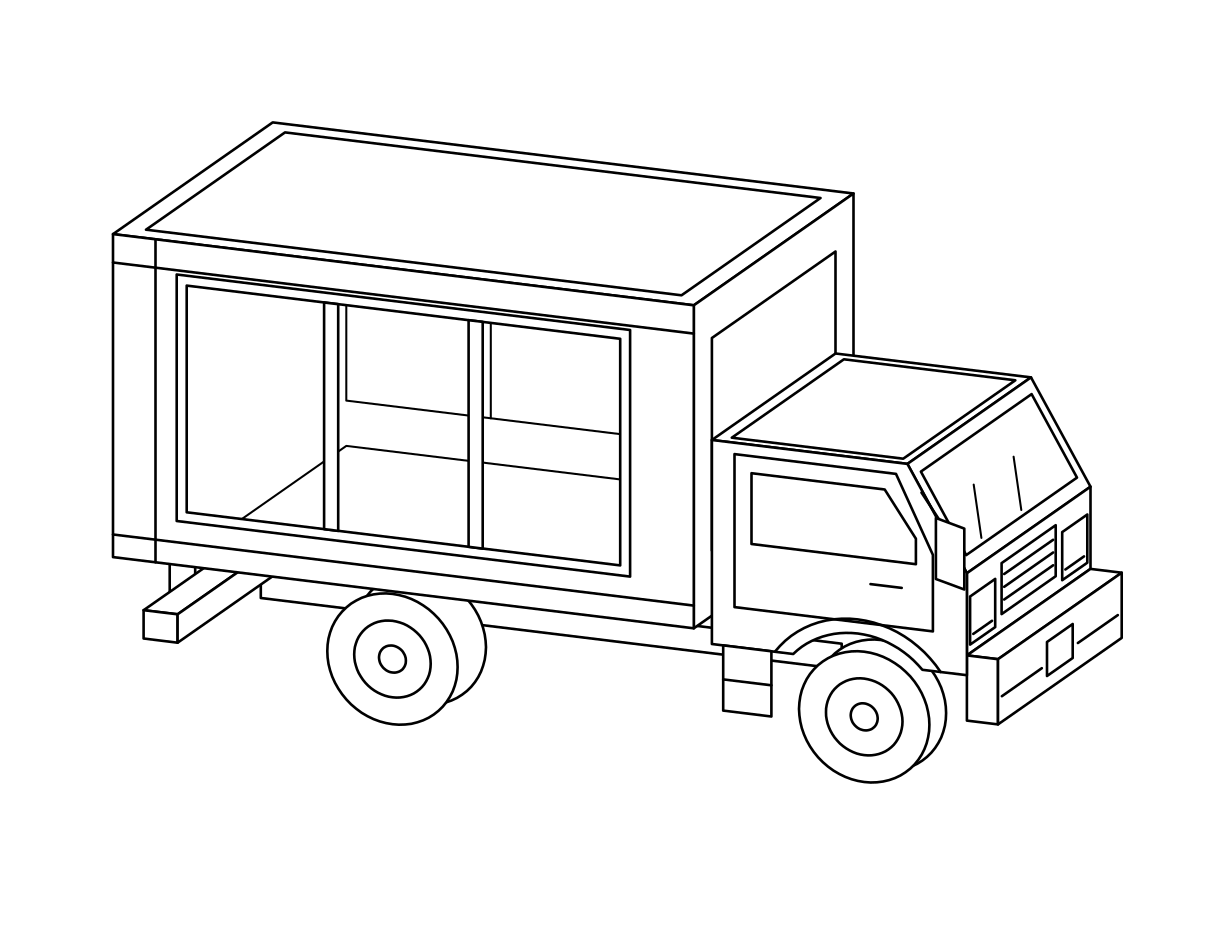
The fleet has grown accordingly, from food trucks and carts to glass box trucks, vintage Citroens, tuk tuks, and Airstreams. Our guide to experiential marketing trucks covers what each format does best, and our roundup of the best pop-up shops shows the work in practice.

The Bottom Line

The story of this experiential marketing agency is a fairly simple one: an operator who knew the street side of the business saw a marketing opportunity inside it, launched at the worst possible moment, and used the shutdown to build something that was ready when events came back.

If you want your brand on the streets, that is what we do. Explore our brand activation services or contact our team to talk through a campaign.

Frequently Asked Questions

An experiential marketing agency designs and produces live, in-person brand experiences rather than advertising. That typically covers concept development, vehicle or set fabrication, location permitting, staffing, and running the activation itself, so the brand gets a finished experience rather than a plan.

Ben Goldberg, who owned and operated his own food truck in New York City before moving into experiential marketing. He is also a co-founder of the New York and Los Angeles Food Truck Associations, which is where the agency’s permitting and logistics experience originates.

The company launched immediately before the COVID-19 pandemic, after years of running mobile activations through the New York Food Truck Association. Experiential marketing shut down shortly afterward, and the team used that period to develop the product before in-person events returned.

A promotion for The Edge, Hudson Yards’s largest observatory, using a vintage vehicle and cotton candy to evoke clouds and height. Being approached by a well-known venue at that stage was the signal to the founder that the company would work.

In Ben’s view, great staff and strong leadership come first, then creativity, since clients want something distinctive rather than cookie-cutter. Reliability matters as much as either, because most of the work in this industry happens before the activation day.

Yes. The team fabricates vehicles in house rather than renting them, which is what allows for builds no competitor can offer. That fabrication capability is what the founder points to when asked what excites him about the company’s future.

Branded food trucks, food carts, glass box trucks, vintage Citroens, tuk tuks, Chevy P10s, Metro Mites, and Airstreams. Each suits a different goal, with glass trucks favoring product display and carts and tuk tuks suiting dense urban locations.

New York is home, with active markets including Los Angeles, Miami, Chicago, San Francisco, Boston, Austin, and Philadelphia, plus international activations in London. Multi-city tours are run as a single build travelling between markets.

More than 600 activations for over 500 brand partners, generating in excess of 25 million consumer engagements. Clients include Samsung, DIOR, Calvin Klein, ULTA Beauty, Coach, and Uber Eats.

Start with your goal, your markets, and your timing. From there the team handles concept development, 3D renderings, fabrication, permits, staffing, and execution. Get in touch with your campaign window and we will scope it.

FTP Free download

The Mobile Pop-Up Shop Launch Checklist

7 steps, 37 checkpoints, and a one-page brief to plan and launch a mobile pop-up shop that converts.

Instant PDF · No Cost

David Botbol

Author

David Botbol

EVP, Managing Director @ FTP Agency

David Botbol thrives on turning bold ideas into real-world brand moments. As Executive VP and Managing Director of Food Truck Promotions, and a leader within the New York and Los Angeles Food Truck Associations, he draws on a background in business development and startups to help brands connect with audiences through creative, unforgettable mobile experiences.

More posts
The Pop-Up Shop Metrics to Use for Measuring Success