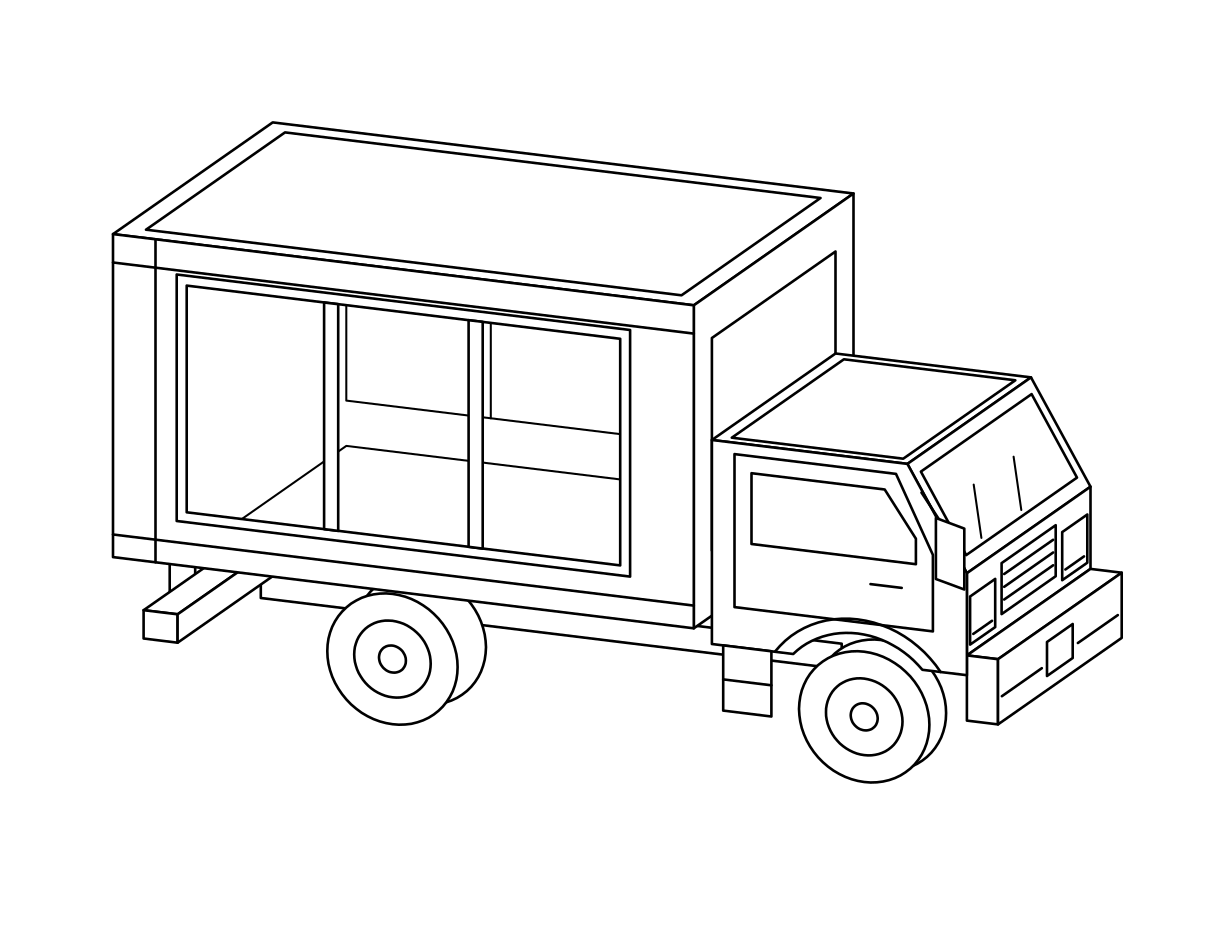
User generated content cannot be manufactured in a boardroom, it has to be earned by giving people something worth posting about.
The advertising world has moved a long way from jingles, billboards, and TV spots. Today the most valuable content about your brand is made by customers, on their own phones, for their own followers. The question is not whether you want it. It is what you are giving people a reason to share.
This guide covers what UGC is, why experiences generate it better than ads, three real activations that produced it, and how to design your own so the content happens naturally.
Key Takeaways
- UGC is earned, not bought: people post when an experience is genuinely worth sharing, which no amount of media spend can fake.
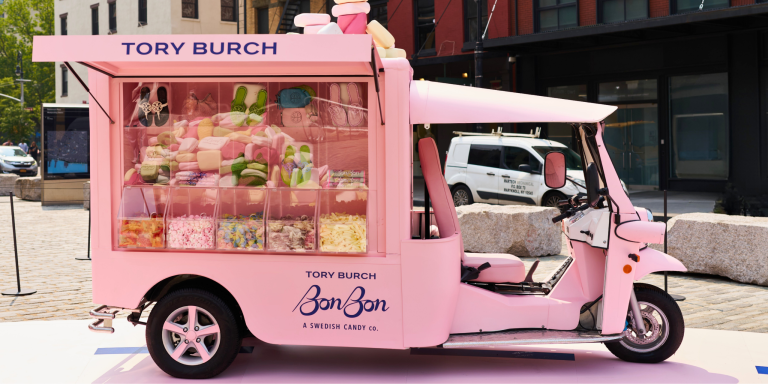
- Experiences outperform ads for content: nobody photographs a banner ad, but they will photograph a branded truck, a customization station, or a free treat.
- Design the shareable moment on purpose: photo backdrops, customization, and unexpected details are what turn attendees into creators.
- Make tagging effortless: visible handles, a short hashtag, and QR codes remove the friction between wanting to post and actually posting.
- Incentives multiply output: contests, giveaways, and creator partnerships give people a concrete reason to post and tag.
What Is User Generated Content?
User generated content, or UGC, is any content created by customers that features a brand, usually posted to social media. It includes photos, videos, reviews, unboxings, and stories made by real people rather than by the brand or its agency.
Its value comes from who made it. Content from a peer reads as a recommendation, while content from a brand reads as an advertisement. That distinction is why UGC builds trust faster than polished campaign assets, and why it keeps working after the campaign budget is spent.
Why Experiential Marketing Generates More UGC Than Advertising
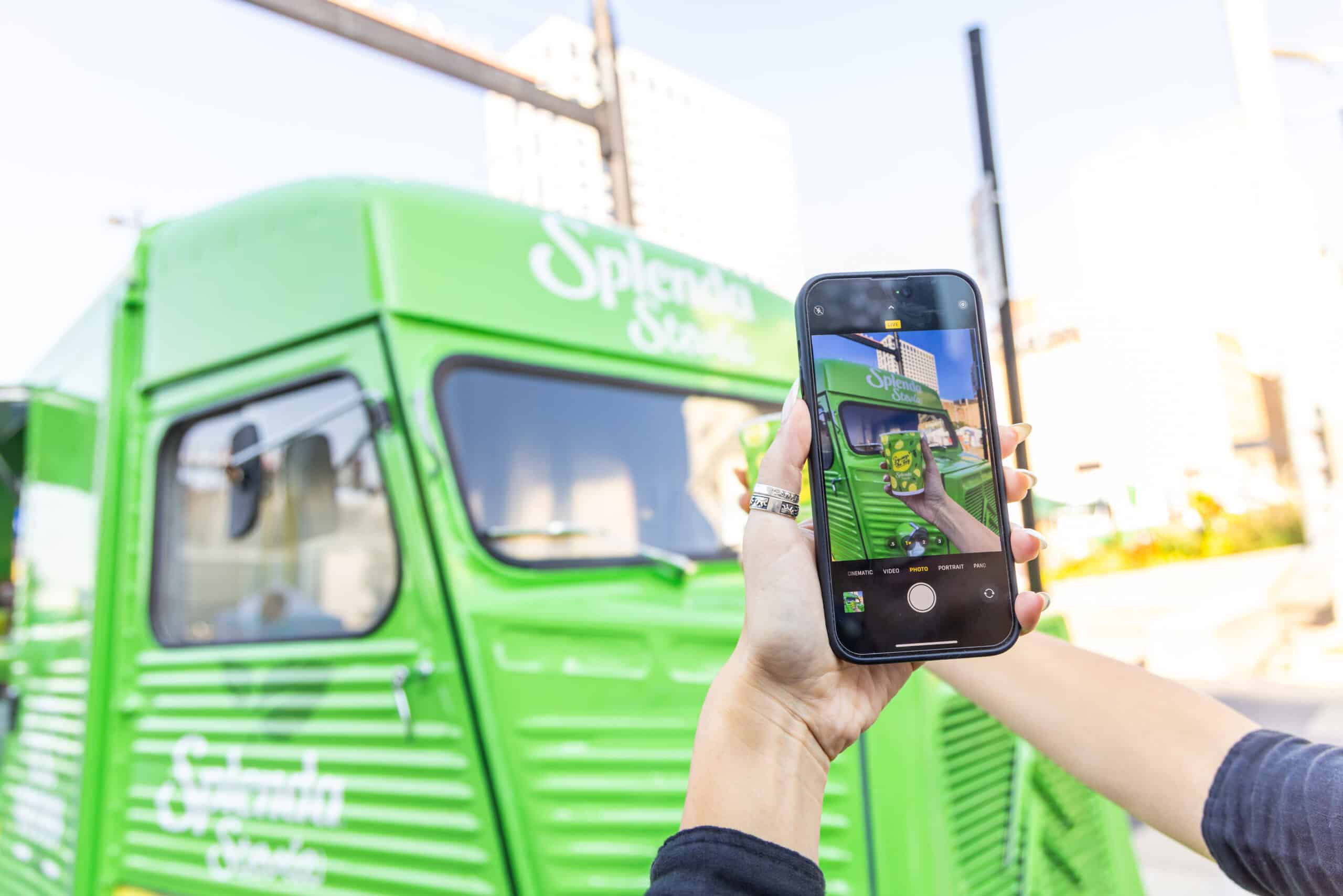
Seeing an ad on Instagram is not an experience, and almost nobody reposts one. A live activation is different: it gives people somewhere to stand, something to hold, and something visually distinct enough to be worth a spot in their feed.
Consumer expectations back this up. According to the Sprout Social Index, authenticity and relatability are the two traits consumers value most from brands on social, and 93 percent say it is important for brands to keep up with online culture.
Experiential marketing solves the authenticity problem structurally. You are not claiming to be relatable, you are handing someone a free drink on a sidewalk and letting them decide what to say about it.
There is also an escapism factor. Social feeds reward content that transports people somewhere else, whether that is feeling like a kid again, making something with their hands, or indulging in a sweet treat they did not expect on a Tuesday afternoon.
3 Activations That Generated a Wealth of UGC
Here are three high-performing brand activation examples that drive UGC.
LANEIGE x innisfree Glow On-The-Go Tour
We built a custom truck that toured the country for two of K-beauty’s biggest brands. Glazed donuts, scratch-off tickets, and a series of built-in selfie moments gave visitors several distinct reasons to pull out a phone at every stop.
The tour made 12 stops across 9 cities and generated roughly 50 million impressions, with coverage from outlets including V Magazine, Shop GMA, NBC 6, and Fox 26. Read the full breakdown in our K-beauty mobile tour case study.
Gisou Honey Glow Truck
For Gisou, the honey theme ran through everything: honey lemonade, product samples, and a customization station where guests could bedazzle their own lip oil. That last detail is the important one. When people make something themselves, they post it, because the content is partly about them.
See how the truck was built in our Gisou honey glow truck case study.
Loungefly Polka Dot Glass Truck
Nostalgia carried this one. A polka dot glass truck celebrating a childhood icon, pastel boba lemonade, and several deliberate photo moments gave people permission to unleash their inner child in public, which they did in droves.
The glass format matters here too, because the product stays visible from the street. Our glass box trucks page shows why that visibility drives both foot traffic and photos, and the Loungefly glass truck case study covers the activation itself.
How to Design an Experience That Drives UGC
Here’s a step-by-step guide on how to design experiences that drive UGC engagement.
1. Build the Photo Moment Into the Design
Decide where people will stand and what will be behind them before the build is finished. A striking vehicle wrap, a branded backdrop, or an unusual color palette does more for your content volume than any caption you write.
2. Let People Make Something
Customization stations consistently outperform passive sampling for content. Personalizing a product turns a giveaway into a small creative act, and people share what they make.
3. Make Posting and Tagging Easy
A post only helps if it points back to you. Keep your handle highly visible on the vehicle and signage, create a short hashtag people can actually remember, and use QR codes to shortcut the path to your profile.
4. Give a Reason to Post
Contests, drawings, and giveaways that require a tagged post for entry convert casual attendees into creators. The incentive does not need to be large, it needs to be immediate.
5. Bring Creators On Board
Inviting influencers or local creators to the activation seeds the first wave of content and signals to everyone else that this is a place worth posting from.
6. Choose Locations With Built-In Foot Traffic
The best-designed activation still needs people. Festivals, busy retail districts, and event adjacencies supply an audience already in a social, photo-taking mindset.
For more on formats that lend themselves to content, see our guide to mobile pop-up shops and our roundup of creative pop-up shop ideas.
How to Measure UGC From an Activation
- Tagged posts and stories: the clearest signal, tracked through your handle and hashtag.
- Reach and impressions from tagged content: what the posts delivered beyond your own following.
- Content volume captured: how many usable assets you can repurpose into paid and owned channels.
- Engagement rate on reposted UGC: compare it against your brand-created content to see the trust gap in your own numbers.
- Follower growth during and after the activation: the durable outcome once the truck drives away.
The Bottom Line
User generated content is the byproduct of an experience people actually enjoyed. Build the photo moment, let people make something, keep tagging effortless, and give them a reason to share, and the content takes care of itself.
If you want an activation designed to generate content from day one, that is what we build. Explore our brand activation services, browse recent experiential marketing case studies, or contact our team to start planning.
Frequently Asked Questions