Mother’s Day experiential marketing works because the holiday is built on exactly what an activation delivers: a moment somebody remembers.
It is also one of the largest consumer spending events of the year, and unlike the winter holidays it is concentrated into a single weekend, which makes a well-placed activation unusually efficient.
This guide covers who you are actually marketing to on Mother’s Day, six campaign formats that work, a real campaign that drove 2,500 sign-ups in three days, and when to start planning.
Key Takeaways
- The holiday hit a record $38 billion: consumer spending surpassed the previous record, with a record average of $284.25 per person.
- Your audience is the gift-giver, not just the recipient: the majority of shoppers are buying for a mother or stepmother, and others are buying for a wife or daughter.
- Experience gifting is at a record high: roughly one in three consumers now plan to give an experience rather than an object.
- Unique and memorable beat cheap: 46 percent say finding a unique gift is their top priority and 39 percent are focused on creating a special memory.
- The window is short and fixed: the holiday concentrates demand into one weekend, so activations need to be planned months ahead.
What Is Mother’s Day Experiential Marketing?
Mother’s Day experiential marketing is any in-person branded campaign timed to the holiday, designed to create direct interaction rather than just advertise a promotion. Common formats include mobile pop-ups, flower and gift giveaways, sampling activations, interactive installations, and branded vehicles placed in high-traffic retail districts in the days before the holiday.
It differs from a Mother’s Day ad or email promotion in that the customer participates. They receive something, do something, or make something, which is what makes the brand part of the occasion rather than an interruption of it.
Why Mother’s Day Is Worth Activating Around
The spending case is straightforward. Consumer spending on Mother’s Day reached a record $38 billion, surpassing the previous year’s $34.1 billion and the prior record of $35.7 billion, with shoppers budgeting a record average of $284.25 per person and 84 percent of US adults celebrating.
Three findings in that data matter more for an activation than the headline number:
- A record one third of consumers plan to give an experience rather than a physical gift, which puts experiential formats directly in line with how people want to celebrate.
- 46 percent say finding a unique or different gift is their top priority, and 39 percent are focused on creating a special memory.
- Flowers and special outings remain top categories by participation, which is why giveaway and hospitality formats perform so reliably in this window.
Who You Are Actually Marketing To
This is where most Mother’s Day campaigns go wrong, and it is worth correcting before you choose a format.
The temptation is to treat the holiday as a campaign aimed at women. In practice the shopper and the recipient are usually different people. NRF’s survey found that most shoppers are buying for a mother or stepmother, while others are buying for a wife or a daughter, meaning a large share of the audience standing in front of your activation is a partner, an adult child, or a young child with a parent in tow.
Two practical consequences. First, your messaging should help someone give well, not just celebrate the recipient. Second, the activation needs to work for people who are shopping under mild pressure and short on ideas, which is precisely why a free bouquet or a ready-made gift moment converts so well.
Best Mother’s Day Campaign Ideas
Here are six impactful Mother’s Day campaign ideas you need to try this year.
1. Hand Out Flower Bouquets
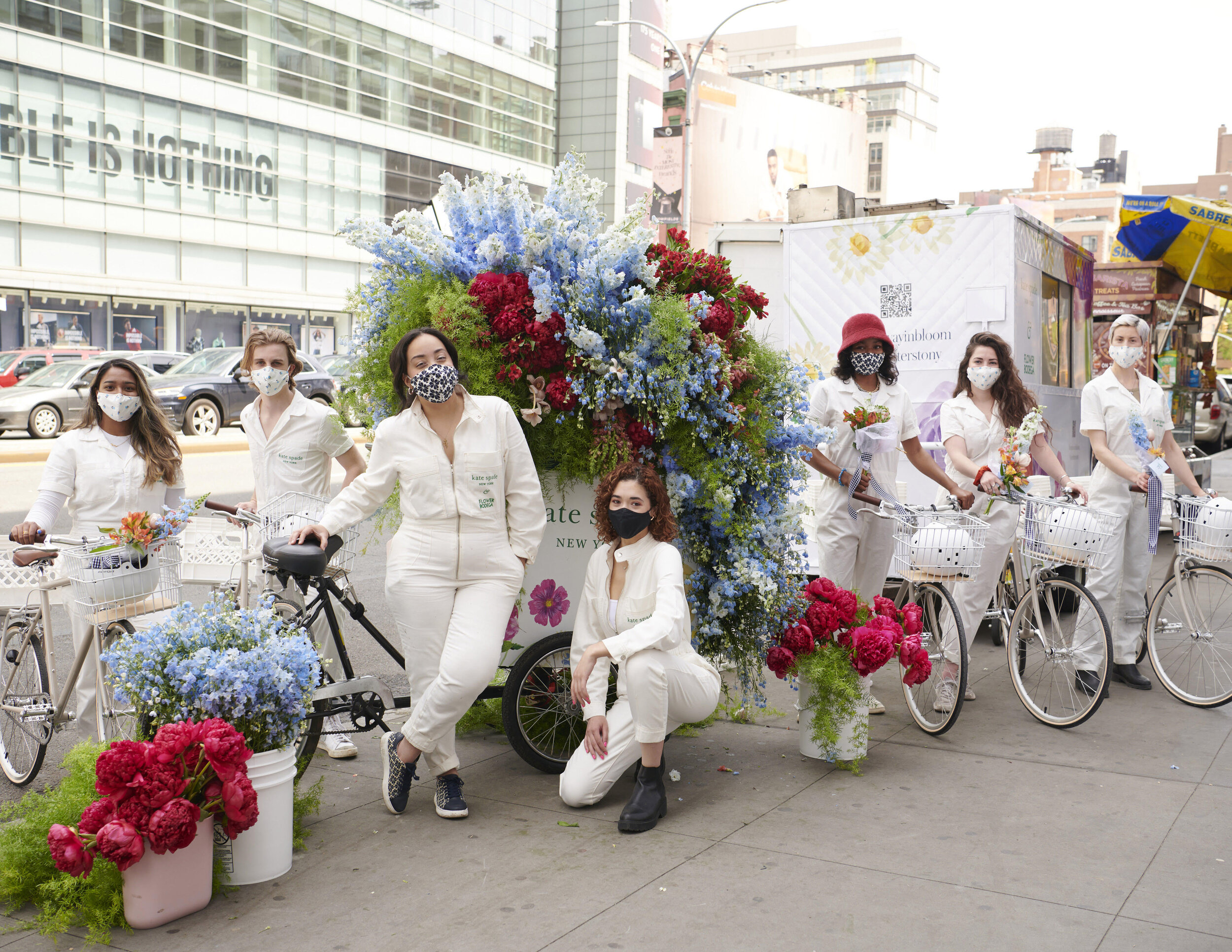
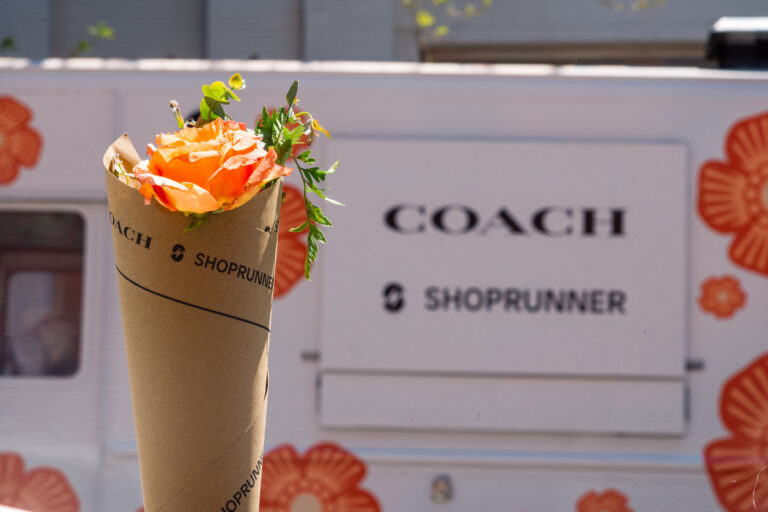
Flowers are the single most purchased Mother’s Day category by participation, which makes a bouquet giveaway the most natural fit for the occasion. Handing someone the gift they were already going to buy earns immediate goodwill, and pairing it with a sign-up requirement converts that goodwill into a customer.
2. Build an Interactive Message Wall
Let people write why they love their mom on a chalkboard or glass board outside the activation. We used this format at a Tia pop-up, where guests wrote messages on a glass board, and it works because the contributions become the display. Prompts such as what is your favorite memory with your mom get the board filled faster than a blank surface.
It also produces content without asking for it, since people photograph what they wrote. Our guide to creating experiences that drive UGC covers designing for that.
3. Brand a Vehicle for the Occasion
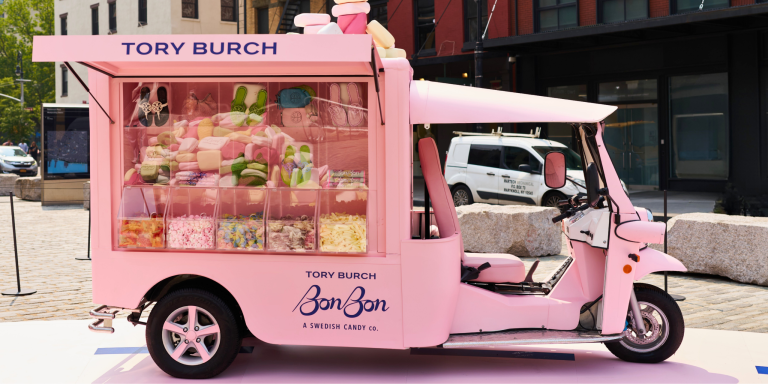
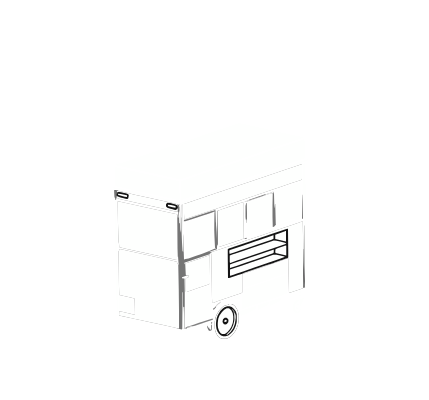
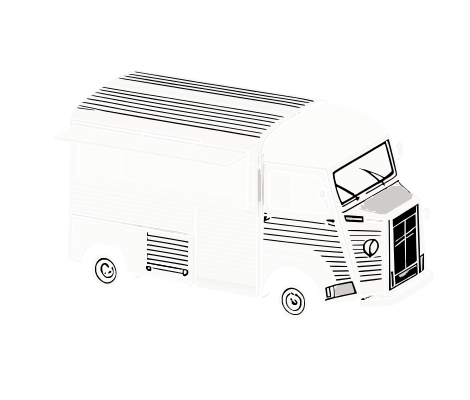
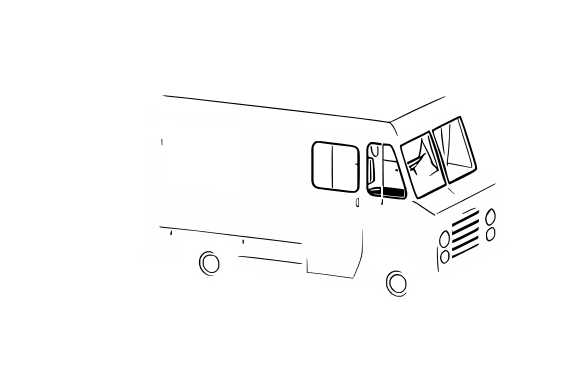
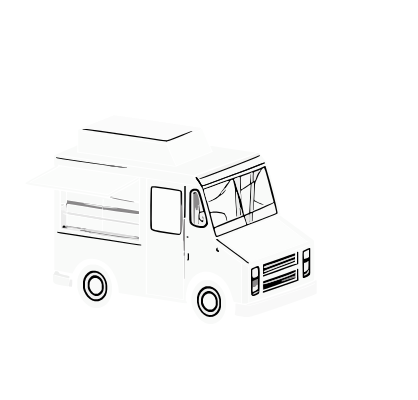
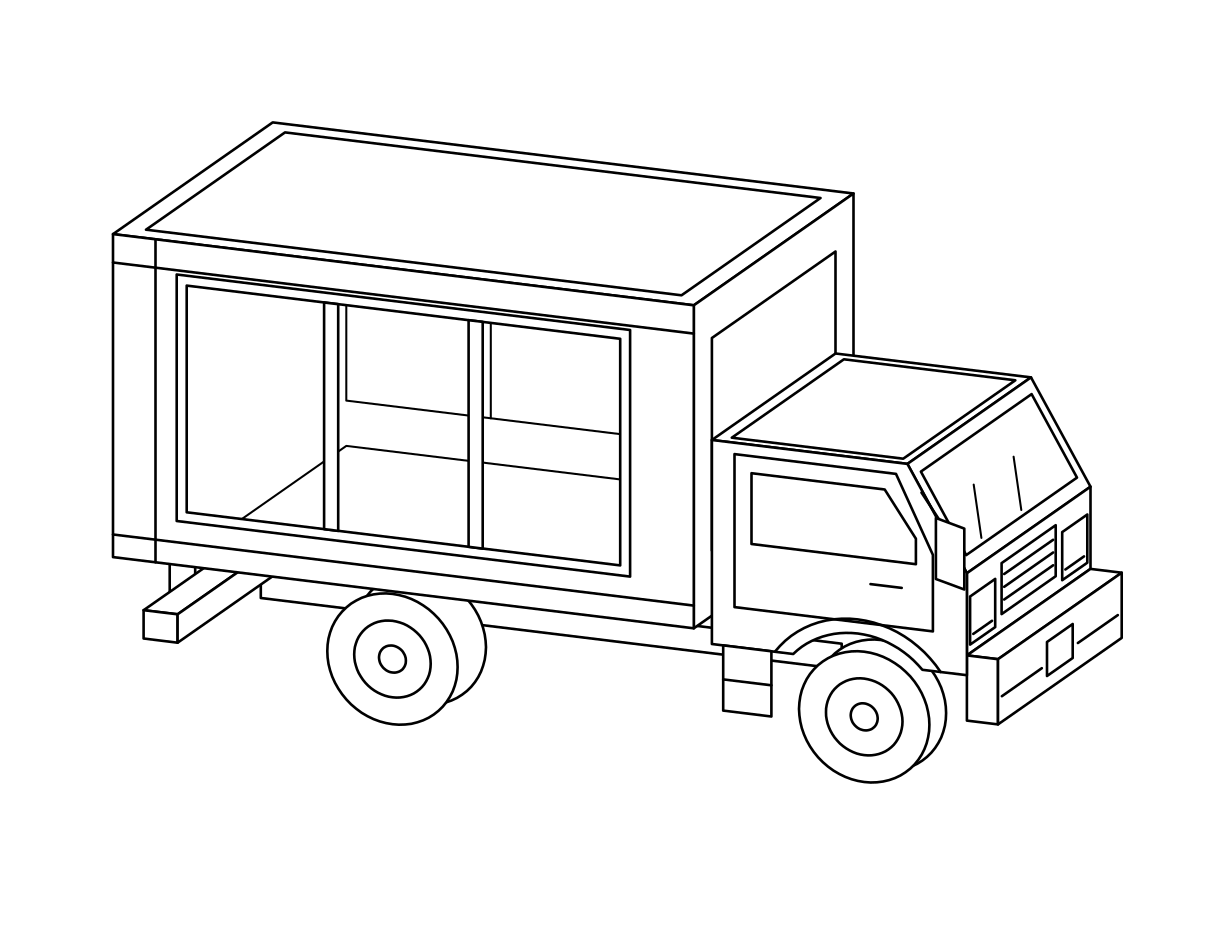
A custom-wrapped vehicle turns your campaign into a mobile billboard that can move between shopping districts across the weekend. Design should suit the brand and the occasion rather than defaulting to a stereotype, and the strongest builds photograph well from every angle. See the range on our experiential vehicles page.
4. Give Out Coffee and a Branded Tote
Low cost, high utility, and long-lived. Coffee earns you the conversation, and a well-designed tote keeps the brand in circulation for months afterward. Add a simple call to action, such as an email sign-up or app download in exchange for the giveaway, so the activation produces something measurable.
5. Offer Makeovers or Product Consultations
For beauty and skincare brands, a professional application or consultation is far more persuasive than a sample handed over in a bag. e.l.f. Cosmetics ran a version of this in Soho to promote its Halo Glow Liquid Filter, where visitors could have their makeup done by professional artists. The interaction demonstrates the product and creates a personal moment at the same time.
6. Create a Gift-Ready Moment
Since most of your audience is buying for someone else, remove friction from that job. On-site wrapping, personalized notes, a ready-to-carry gift bundle, or a flower bar where people build their own bouquet all turn your activation into the solution to a problem the customer already has that weekend.
For more formats, see our guides to creative pop-up shop ideas and types of pop-up shops.
Case Study: ShopRunner x Coach #GiftMomBack