Branded food trucks work because almost nobody walks past free food, and once someone is holding something you gave them, you have their attention.
That is the entire mechanic. Everything else in this guide is about making sure the truck is in the right place, staffed by the right people, with a goal specific enough to know whether it worked.
Here is how the format evolved, what it does well, and the practical decisions that separate a productive activation from an expensive lunch service.
Key Takeaways
- The food is the invitation, not the product: the truck exists to start conversations about whatever you actually sell.
- Define one specific goal: awareness, product trial, list building, and store traffic each require a different setup and a different measure of success.
- Staffing decides the outcome: the same truck performs very differently depending on who is standing at the window.
- Location beats budget: a well-chosen corner with heavy foot traffic outperforms a bigger build in the wrong place.
- Permits set your timeline: street permits plus health approvals take longer than fabrication, and they vary by city.
What Is a Branded Food Truck?
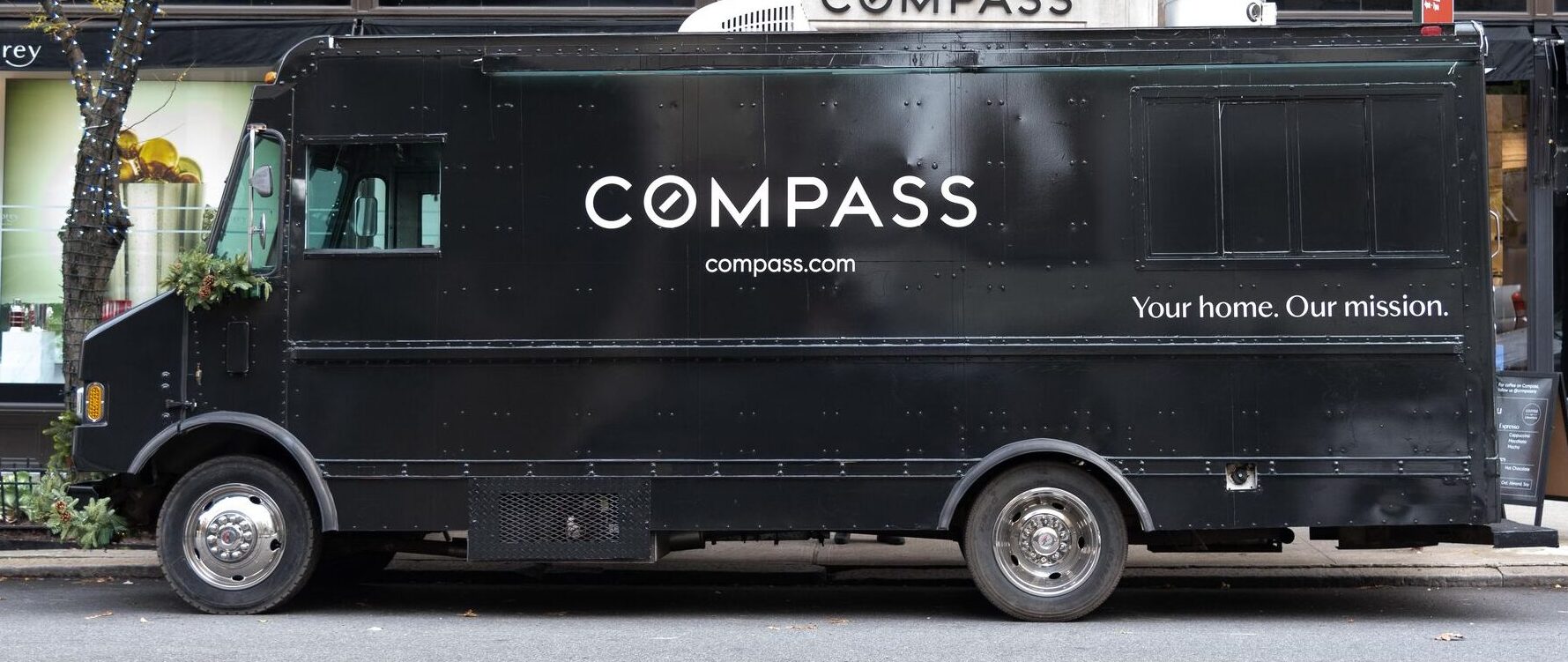
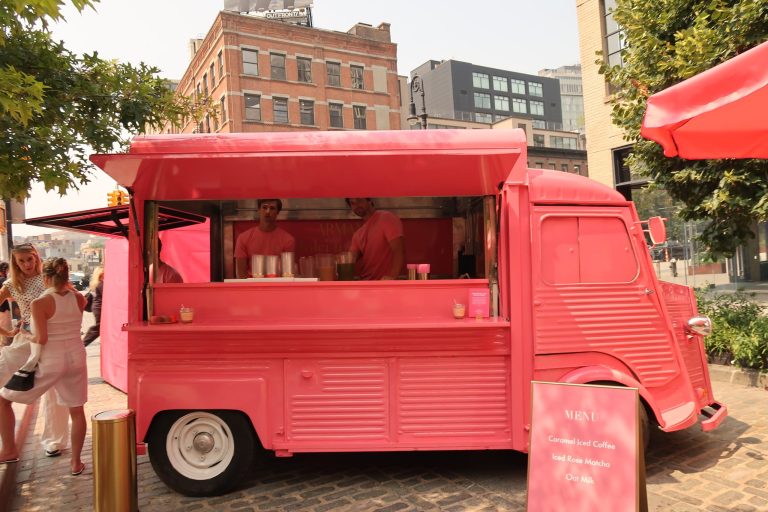
A branded food truck is a food truck wrapped and fitted out in a company’s identity and used as a marketing activation rather than a restaurant. It serves food or drink, usually free, as a way of drawing a crowd and creating face-to-face contact with customers.
The distinction from a commercial food truck matters. A restaurant on wheels is measured on covers and margin. A branded food truck is measured on interactions, samples, sign-ups, and the conversations its staff have while people wait.
How Food Trucks Became a Marketing Channel
About fifteen years ago the food truck took on new life as a destination for good food rather than a cheap and quick place to eat. People started booking them for weddings, birthdays, and graduations, and the format acquired a kind of cultural credibility it had not previously had.
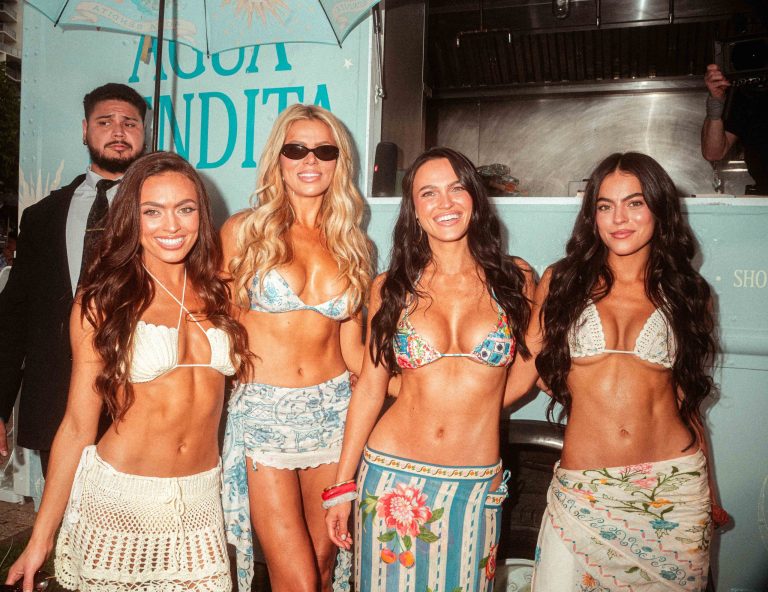
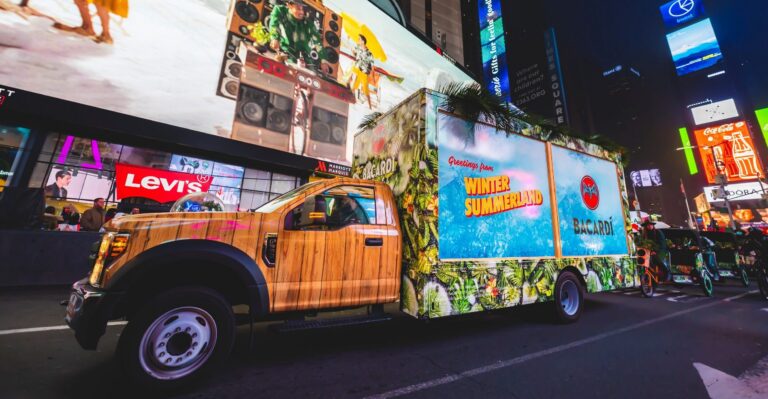
The current stage of that evolution moved past dining altogether. Brands now use trucks as vehicles for building awareness and loyalty through immersive experiences, which is why you see fashion houses, technology companies, and streaming platforms operating food trucks that have nothing to do with food.
Our own roots are in that shift. Food Truck Promotions grew out of the New York Food Truck Association, which is also where the permitting and logistics side of the business comes from.
Why Branded Food Trucks Work
These are the reasons you should launch a branded food truck activation.
They Engage More Than One Sense
A digital ad is seen. A truck is seen, heard, smelled, and tasted. Graphics and staff carry the message, and the food itself creates an association no banner placement can. Our guide to sensory marketing covers why that combination sticks.
They Create Genuine Human Contact
Because the truck is staffed by brand ambassadors, there is a real conversation attached to the giveaway. That is the part competitors cannot replicate with media spend, and the part most brands underinvest in.
They Take People by Surprise
A truck arriving where nobody expected one is a small event. Office workers eating lunch in a park, families out for the afternoon, a queue outside a store: the format interrupts a routine day in a way people welcome rather than resent. Our roundup of guerrilla marketing campaigns covers that principle in more depth.
They Produce Content Without a Content Budget
People share things that make their day look good. A striking truck and a free treat gets photographed and posted without anyone being asked, which extends the activation well past the people physically present.
How to Get the Most From a Branded Food Truck
1. Set One Clear Goal
Are you reinvigorating an established brand, launching a product, or building a customer base from scratch? Each needs a different truck, a different route, and a different definition of success.
Too broad and the campaign loses its edge. Too narrow and most of the people you reach will not care. The useful test is whether you can name the single action you want someone to take at the window.
2. Hire the Right Brand Ambassadors
Find people who are genuinely friendly and personable, and treat them as ambassadors rather than temporary staff. Appearance, clothing, and manner are all part of the impression, so build them into the plan rather than leaving them to chance.
3. Train Them Properly
Ambassadors should be able to answer real questions about the product and explain what it adds to someone’s life, not just hand over a cup. Friendly but not scripted is the right register, because customers detect a performance instantly and value authenticity over polish.
They should also know what to observe: foot traffic patterns, who is stopping, and what people ask about. That feeds directly into the debrief.
4. Choose the Location Carefully
You are investing real money in the build, so visibility matters. Look for high foot traffic with a cross section of the customers you actually want.
Spend time observing candidate spots before committing, and remember you are not limited to one. A financial district street catches the lunch crowd, farmers markets and community festivals deliver an assembled audience, and retail districts put you next to a purchase decision.
5. Handle Permits Early
This is the step most brands underestimate. Street activations need a city permit, private property needs an agreement with the owner or manager, and anything served needs health department approval and food handler certification on top.
Requirements and timelines vary by city and sometimes by block, and prime dates in major markets are claimed months ahead. Permits, not fabrication, usually determine your earliest possible launch date.
6. Debrief and Adjust
At the end of every activation, collect what you learned: demographics, foot traffic, what went wrong, and the times when engagement peaked. If activity dropped off early or picked up late, that is a routing decision for the next day rather than a problem to accept.
Do Not Neglect the Food
However far the format has moved from dining, the basics still apply. Bad coffee undermines a good truck.
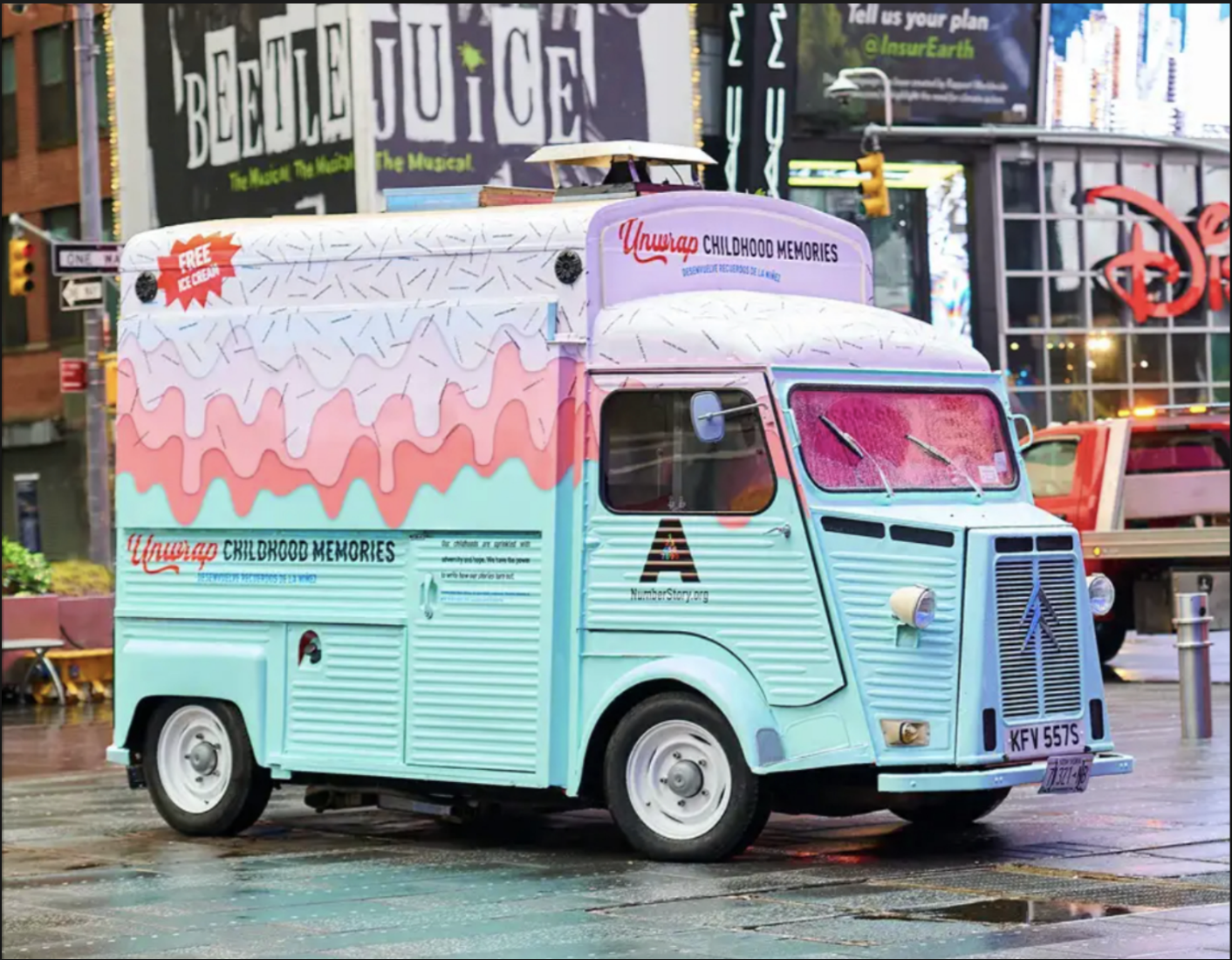
If your product has nothing to do with food, that is not an obstacle. We work with clients to build a menu that ties into the brand, whether that is a drink in the brand’s exact color, a treat shaped like the product, or a flavor that references the campaign.
It is worth remembering that the menu is only part of it. The cup, the sleeve, the packaging, and the graphics are what people photograph and carry down the street.
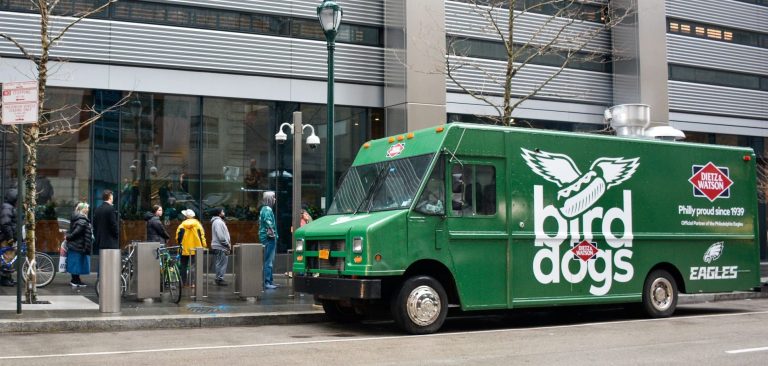
How Dietz & Watson Turned a Playoff Run Into a City Tour