Mobile Bars for Events: How to Turn Drinks Into a Brand Activation
A mobile bar event does something a static bar never will: it puts your brand, not just a drink, in someone’s hand. Anyone can…
Read moreBy: Ashley Elarde • • 9 min read
Food truck marketing turns a product launch into a pop culture event, and few families understand that better than the Kardashians and Jenners. When you already command one of the largest audiences on the planet, a branded food truck rolling through Los Angeles is not about the food. It is about creating a physical, photographable moment that the internet cannot ignore.
Kris, Kim, Kourtney, Khloe, Kendall, and Kylie have built business empires on knowing exactly how attention works. Alongside the Instagram posts and product drops, several of them have used branded food trucks to launch products in person, and the results are a masterclass in why experiential marketing still beats a purely digital campaign. Here is how two of them did it, and what any brand can learn from the approach.
The Kardashian and Jenner family, with a combined audience in the hundreds of millions across Instagram alone, are among the most effective marketers of their generation. Their willingness to pair digital reach with real-world activations is a big part of why. Two branded food truck campaigns show the playbook clearly.
Kylie Jenner’s Kylie Cosmetics became one of the most talked-about beauty brands of the past decade. When beauty conglomerate Coty acquired a 51% stake in November 2019, the deal valued the company at roughly $1.2 billion, one of the largest celebrity brand cash-outs ever. Her core strategy is digital: releasing collections through Instagram, TikTok, and Snapchat, posting swatch and try-on videos, and sending PR packages to beauty influencers who review the products for their own audiences.
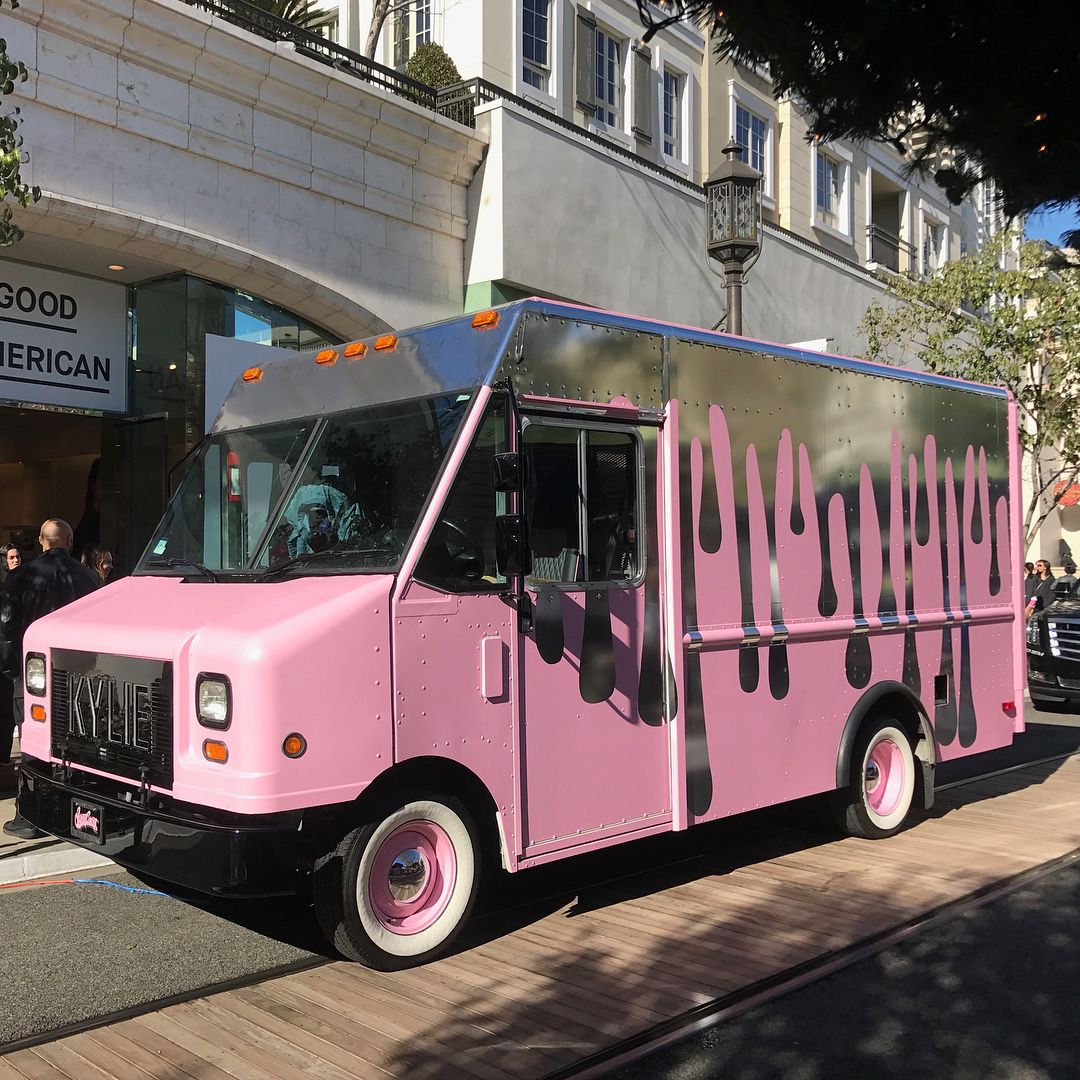
But Kylie’s brand dominates headlines because it goes beyond the screen. Back in 2017, ahead of a holiday collection release, Kylie Cosmetics launched the Kylie Truck, a custom-wrapped branded food truck that rolled through the streets of Los Angeles as part of a month-long campaign. Products from lip kits to accessories were displayed across the truck’s exterior, turning the vehicle itself into a mobile storefront and photo backdrop.
The detail that made it work was the giveaway. Brand ambassadors handed out vanilla cupcakes iced with the Kylie Cosmetics logo, giving fans a free, on-brand reason to walk up, take a photo, and post it. The truck racked up tens of thousands of likes on social media and turned a routine product release into a citywide event. That is the whole mechanism of a great food truck activation: give people something they want, make it photogenic, and let them do the sharing.
Kendall Jenner built her fame as one of the highest-paid models in the world, topping Forbes’ list in 2017. More recently she moved into business, founding the premium spirits brand 818 Tequila, which she officially launched in May 2021. The name references 818, the area code of Calabasas, California, where she grew up. Made from Blue Weber agave in Jalisco, Mexico, the line includes Blanco, Reposado, and Anejo expressions, and it went on to become the best-selling new tequila of 2021, selling over 130,000 cases in its first seven months.
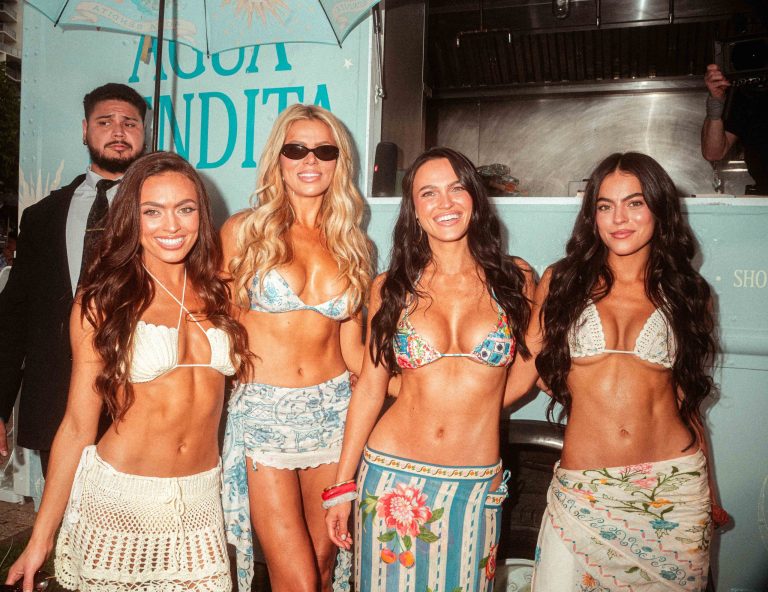
Like her sister, Kendall paired a heavy digital rollout with a real-world moment. Ahead of Memorial Day weekend, she took a branded tequila truck onto the streets of Los Angeles for 818’s debut, and rather than just appearing, she got behind the wheel and drove it herself. That single choice is what made the campaign. It is not every day people see one of the most famous models on the planet driving a food truck, so fans and a crowd of paparazzi flocked to the event.
Kendall stayed for photos with fans and even hand-delivered cases of 818 to local liquor stores, tying the publicity stunt directly to retail distribution. The lesson is in that combination: the founder showing up in person, doing something unexpected, generated the buzz, while the deliveries connected that buzz to actual product on shelves. A food truck gave her a stage, and driving it herself gave the story its hook.
Reaching the stratospheric heights of the Kardashian and Jenner brands is a tall order. But the food truck strategy behind these campaigns does not require a famous last name. It works because of how people respond to real-world experiences, not because of who is running them.
A branded truck gives people something to photograph and share. In a feed full of static ads, a real-world moment stands out, and every attendee who posts becomes a distribution channel you did not pay for.
Free product, handed over by a friendly brand ambassador, is the lowest-friction way to start a conversation with a customer. Food and drink disarm people in a way a booth or a banner never will.
Both campaigns tied a social moment to something physical: cupcakes and product on a truck, or cases delivered to stores. That link between attention and availability is what turns a stunt into sales.
The mechanics are identical whether you are a global beauty empire or a startup nobody knows yet. A well-placed, well-branded truck earns attention on its own merits, which is exactly why it works for brands without a built-in audience.
Members of the family have used custom-branded food trucks to launch products in person. Kylie Cosmetics ran the Kylie Truck for a holiday collection, and Kendall Jenner debuted 818 Tequila with a branded truck she drove herself. Both turned a product launch into a photographable, shareable public event.
The Kylie Truck was a custom-wrapped branded food truck that Kylie Cosmetics launched in 2017 ahead of a holiday collection. It rolled through Los Angeles for a month-long campaign, displayed products on its exterior, and had brand ambassadors handing out vanilla cupcakes iced with the Kylie Cosmetics logo.
818 Tequila is a premium tequila brand Kendall Jenner launched in May 2021, named after the Calabasas area code. Made from Blue Weber agave in Jalisco, Mexico, it comes in Blanco, Reposado, and Anejo, and it became the best-selling new tequila of 2021 with over 130,000 cases sold in seven months.
Because a food truck creates a physical, photographable moment that digital posts cannot. For celebrities who already dominate social media, a real-world activation captures a different kind of attention, generates press and paparazzi coverage, and gives fans a reason to show up in person and share the experience.
No. The tactic works because of how people respond to real-world brand experiences, not because of fame. A well-branded, well-placed food truck earns attention on its own, which makes it especially effective for brands that do not yet have a built-in audience and need to create one.
A product launch needs attention, and experiential marketing manufactures it in a way people actually enjoy. Meeting customers face to face, letting them touch or taste the product, and giving them something worth photographing creates a memorable first impression and social content that a digital-only launch rarely matches.
A clear giveaway that gives people a reason to approach, a truck designed to be photographed, a location with real foot traffic, and staff who can represent the brand. The strongest campaigns also tie the moment to something concrete, like a product on sale or a retail delivery.
It gives people a physical, visually striking thing to capture and post. Every attendee who photographs the truck, the product, or the giveaway becomes a distribution channel, so the campaign spreads organically far beyond the crowd that was physically present at the activation.
Yes, when it is connected to distribution. Kendall Jenner hand-delivered cases of 818 to local liquor stores during her truck’s debut, linking the publicity directly to product availability. Tying the activation to a purchase point is what converts attention into sales rather than just impressions.
Start with the goal and the giveaway, choose a vehicle and wrap that photograph well, pick locations with the right foot traffic, and staff it with brand ambassadors who can engage a crowd. An experiential marketing agency handles the fabrication, permits, staffing, and logistics end to end.
Author
Social Media Manager @ FTP Agency
Ashley Elarde is a social media strategist, content creator, and experiential marketing professional with experience bringing brands to life through engaging digital content. She has helped execute campaigns for brands across beauty, fashion, retail, and entertainment, developing campaigns that drive engagement and meaningful consumer connections.
A mobile bar event does something a static bar never will: it puts your brand, not just a drink, in someone’s hand. Anyone can…
Read more →
A mobile retail store gives brands something a lease never will: the ability to sell, sample, and showcase wherever their customers already are. But…
Read more →
The experiential marketing vehicle you choose is the single biggest design decision in a mobile pop-up shop. It sets your footprint, your sightlines, what…
Read more →We use and share personal information through cookies and similar technologies on our sites to personalize your shopping experience and ads. Others may use this information for their own marketing and business purposes. . Check our Privacy Policy for more details.
Browser Opt-Out Honored
We use and share your personal information with others to personalize your shopping experience and show you targeted ads on other sites based on your interests and online activities.
Online Info includes cookies, pixel tags, and similar technologies connected to your browser or device. Offline Info includes information associated with your email address based on your other interactions with us.
We use and share your personal information with others to personalize your shopping experience and show you targeted ads on other sites based on your interests and online activities. Information includes cookies, pixel tags, and similar technologies connected to your browser or device (Online Info), as well as information associated with your email address based on your other interactions with us (Offline Info). Others may use this information for their own marketing and business purposes.
You can choose to opt out of sharing one or both types of information.