What is a brand activation? It is a marketing campaign built around something people can physically participate in, rather than something they watch, scroll past, or ignore.
The word activation is doing real work in that sentence. An advertisement asks for attention. An activation asks for an action, and once someone has taken it, they have an experience of your brand rather than an impression of it.
This guide covers what a brand activation actually is, how it differs from an event and from a campaign, where it sits alongside experiential marketing, the main formats, and what producing one involves.
Key Takeaways
- An activation requires participation: the defining feature is that a customer does something, whether that is tasting, trying, entering, or signing up.
- It is not the same as an event: an event gathers an audience for its own sake, while an activation exists to create brand interaction, often at an event someone else organized.
- Experiential marketing is the discipline, activation is the campaign: the two terms are used interchangeably, but one is the category and the other is the unit of work.
- Most of the work is invisible: concept and design are the smallest part, while fabrication, permits, staffing, and logistics are where the time goes.
- Lead time is set by permits, not creative: approvals in each market usually determine the earliest date a campaign can run.
What Is a Brand Activation?
A brand activation is a marketing campaign that brings a brand to life through direct, in-person interaction with customers. Instead of describing a product, the brand creates a physical situation where people can encounter it: a pop-up shop, a sampling truck, a mobile showroom, an installation, or a branded presence at an event.
The term covers a wide range of scale. A single cart outside a store for an afternoon is a brand activation. So is a twelve-stop national tour. What they share is the mechanic: a person walks up, does something, and leaves with a memory, a product, or both.
The word came into use because marketers needed a name for campaigns that activate a brand rather than announce it. The distinction matters commercially, because the two are measured differently. An advertisement is judged on reach. An activation is judged on what people did.
Brand Activation vs Event vs Campaign
These three get used interchangeably and they are not the same thing. The difference between brand activations and events in particular causes real confusion when briefing an agency.
An Event Gathers an Audience
An event exists for its own sake. A festival, a conference, a product launch party, or a store opening has attendees who came for the event itself. The organizer’s job is to produce a gathering.
An Activation Creates Interaction
An activation exists to create brand contact, and frequently it happens at an event that somebody else organized. When a beverage brand sets up a sampling truck outside a music festival, the festival is the event and the truck is the activation. The audience did not come for the brand, which is precisely why the brand has to earn the stop.
An activation can also run with no event at all, on a street corner, outside a store, or on a college campus, where the crowd is ordinary foot traffic rather than an assembled audience.
A Campaign Is the Container
A campaign is the whole marketing effort across channels and time. An activation is usually one component of it, the physical part, alongside paid media, social, email, and PR. The strongest campaigns use the activation to generate the content and word of mouth the other channels then distribute.
The practical test: if the goal is attendance, it is an event. If the goal is interaction, it is an activation. If it involves several channels over weeks, it is a campaign.
How Brand Activation and Experiential Marketing Relate
This is the other common point of confusion, and the honest answer is that the terms overlap heavily.
Experiential marketing is the discipline: a philosophy of marketing that prioritizes participation over messaging. An experiential brand activation is a specific campaign executed within it. In practice most people use the words interchangeably, and there is no harm in that, but the distinction is useful when scoping work.
You would say a company practices experiential marketing. You would say that company ran three brand activations last quarter. One is what they do, the other is what they produced.
Our guide to what an experiential marketing agency does covers the discipline in more depth, including how to evaluate one.
Why Brands Run Activations
Physical marketing is not a nostalgic choice. Out of home advertising revenue reached a record $9.46 billion in 2025, growing 3.6 percent and extending the industry to nineteen consecutive quarters of growth, with transit the fastest-growing segment at 9.2 percent.
Four reasons brands keep choosing to do activations:
Trial settles arguments that copy cannot
Letting someone taste, smell, or handle a product removes the last objection in a way no advertisement does.
The audience is not being interrupted
Someone accepting a free coffee on a cold morning is in a fundamentally different state from someone skipping a pre-roll ad.
It produces content without a content budget
Real people, real reactions, and a designed environment generate the material that then performs on social.
It is measurable if you design it to be
Samples, sign-ups, scans, and redemptions are all countable, which is not true of most brand advertising.
The Main Types of Brand Activation
Sampling activations
The product goes directly into people’s hands, best where trial resolves a doubt.
Mobile pop-up shops
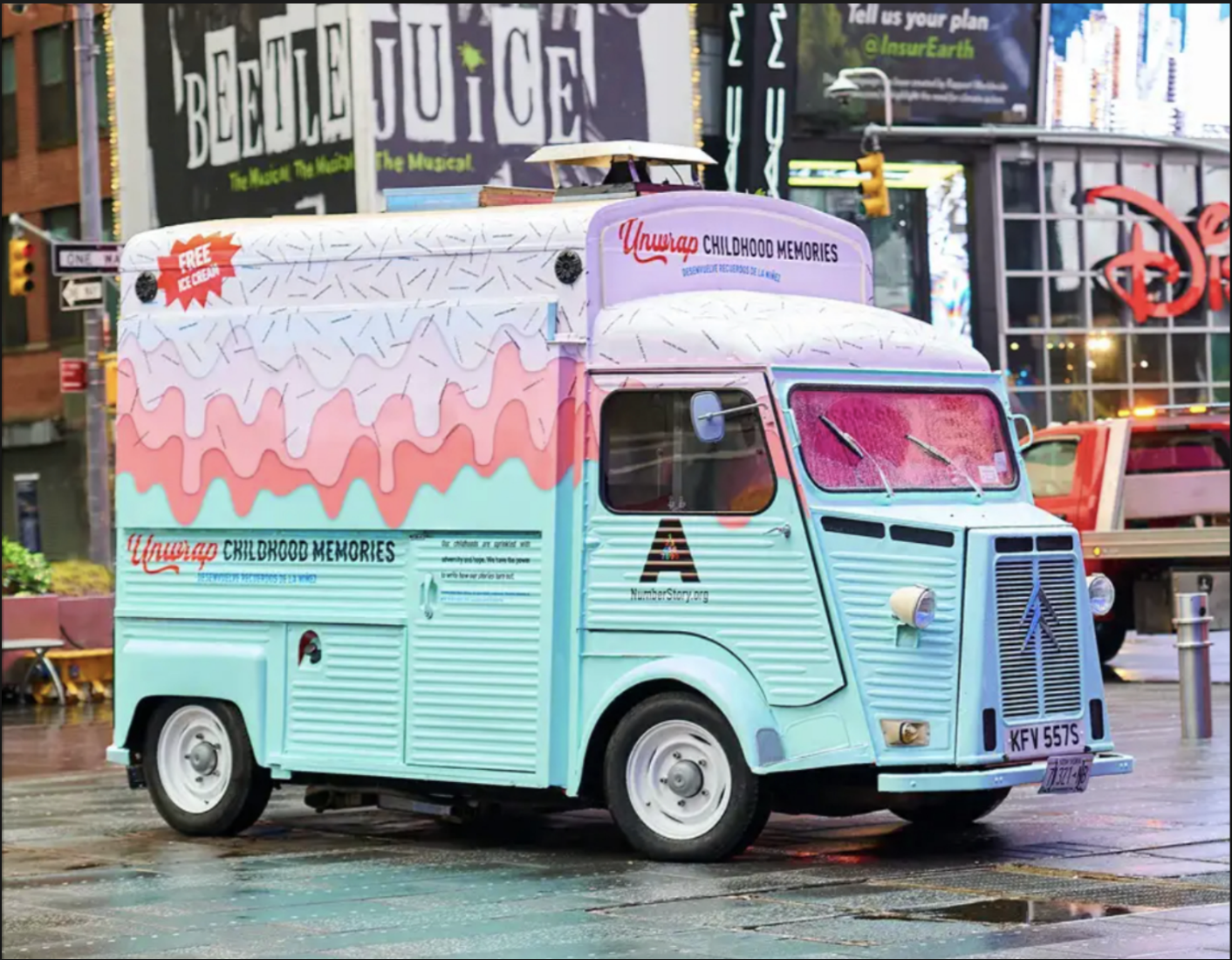
Temporary retail that travels, selling or showcasing product for a short window.
Mobile showrooms
A built environment people step into, suited to considered purchases that need demonstrating.
Event and festival activations
A branded presence where a crowd has already gathered.
Guerrilla activations
Unexpected placements that trade on surprise.
Multi-city tours
One build travelling a planned route, which spreads the fabrication cost across every stop.
Retail-adjacent activations
Placed outside a store to convert street traffic into store traffic. The right format follows the goal rather than the other way around. Our guide to brand activation strategies covers matching one to the other, and the experiential vehicles page shows the builds each format uses.
Top Industries for Brand Activations
The format is not confined to consumer goods, though the mechanic changes by category.
Beauty and skincare
Shade, texture, and scent are the reasons people hesitate to buy online, so sampling and consultations resolve the exact objection that blocks the sale.
Food and beverage
The native category, where taste settles the argument instantly and throughput is high enough to reach large numbers in a day.
Fashion and retail
Activations cluster around launches, collection drops, and store openings, where the job is converting street traffic into a first visit.
Technology and B2B
A mobile showroom gives a considered purchase the dwell time it needs, and the metric is usually qualified leads rather than samples.
Nonprofit and cause campaigns
A corporate partner funds the build while the organization supplies the mission, which is how small teams afford a physical presence at all.
Entertainment and publishing
A release exists only online until someone builds a place to go, which is why launch pop-ups have become standard for books, albums, and streaming titles. What holds across all of them is that the activation exists to remove whatever is stopping someone from buying, and that barrier differs by category.
What Producing a Brand Activation Actually Involves
This is the part most definitions leave out, and it is the part that determines whether a campaign happens on the date you planned.
Concept and Design
Deciding what the activation is: the story, the giveaway, the interaction, and what someone takes away. This is the smallest part of the work by time, though it sets everything after it.
3D Renderings
Turning the concept into realistic visuals so everyone approves the same thing. Changes are inexpensive at this stage and expensive once material has been cut.
Fabrication
Building the vehicle or environment: wraps, interiors, counters, shelving, props, and lighting. Anything custom needs weeks rather than days, and holiday builds need longer.
Location and Permits
Securing the site and the approvals. Street activations need city permits, private property needs an agreement with the owner or manager, and anything served adds health department sign-off. Requirements vary by city and sometimes by block.
Staffing
Recruiting and briefing brand ambassadors who can answer real questions rather than read from a card. The same build performs very differently depending on who is standing next to it.
Execution and Reporting
Running the activation, capturing content, and reporting what it produced. On a tour this repeats in every market, with transport days between stops.
How Long It Takes
Lead times surprise most brands, because the constraint is rarely the creative.
- Six to eight weeks is a realistic floor for a straightforward single-market activation.
- Longer for custom fabrication, since a fully built interior cannot be compressed.
- Eight to twelve weeks for peak December placements, where themed builds and prime locations compete with every other seasonal operator.
- Two to three months for prime summer weekends in major markets, which are claimed early.
- Multi-city tours need longer still, because each market runs its own permit process on its own timeline. The pattern across all of them: permits and fabrication set the earliest possible date, not the concept.
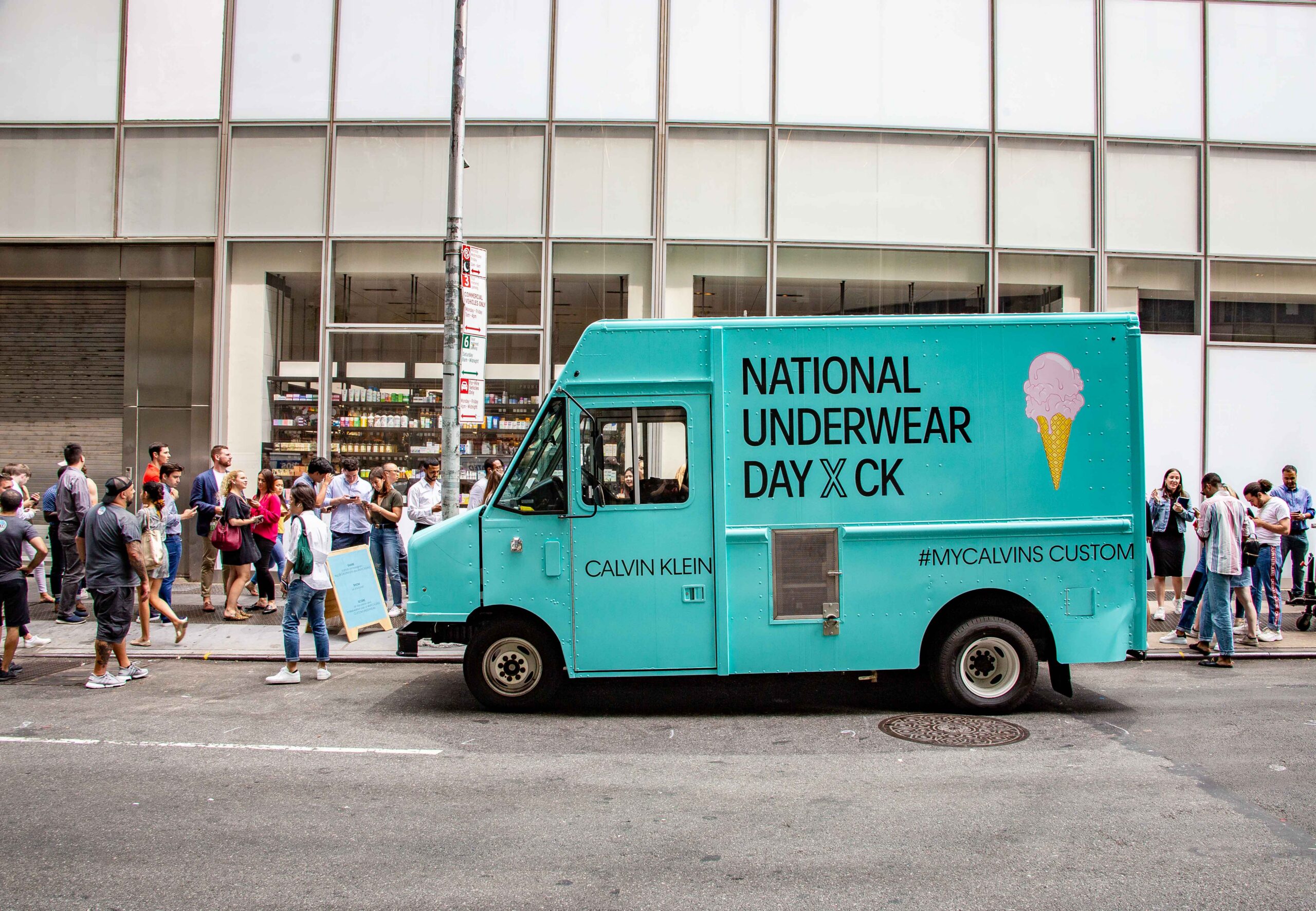
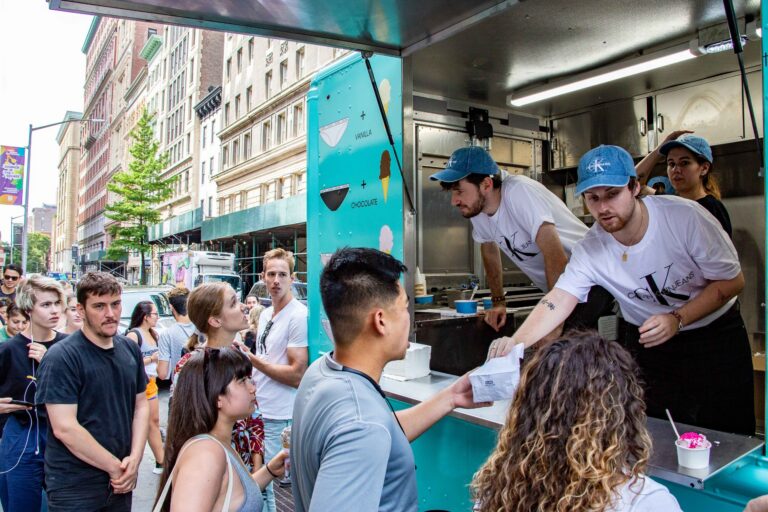
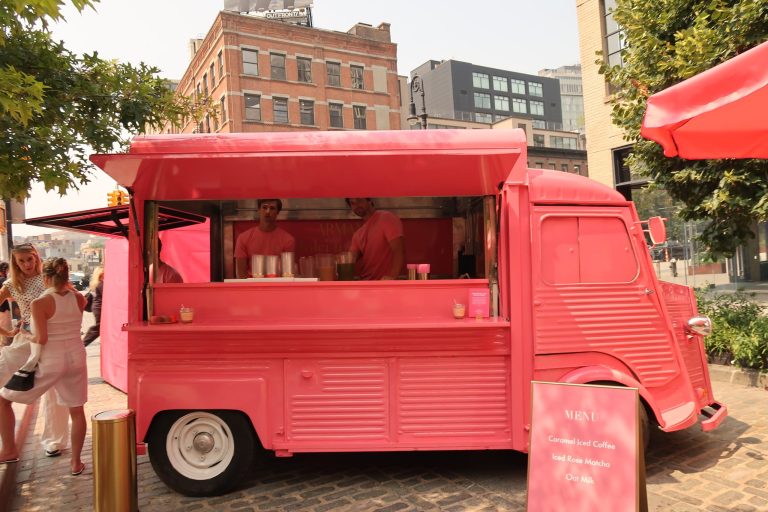
Case Study: How Calvin Klein Turned a SoHo Corner Into a Cafe