Static vs Mobile Pop-Up Shop Rental: Which Is Right for Your Brand?

By: Benjamin Goldberg 9 min read

static vs mobile pop up shop rental

A pop-up shop can be the cornerstone of a great experiential marketing campaign, but the first decision you make, static or mobile, shapes everything that follows. A static pop-up is a fixed, temporary storefront. A mobile pop-up puts that same concept on wheels. Each has real advantages, and the right choice depends on your goals, your budget, and where your customers actually are.

Pop-ups are not a fringe tactic. The global pop-up retail market is valued in the tens of billions and around 80% of retailers who run a pop-up consider it a success, which is why brands from beauty to tech keep using them. This guide compares static and mobile pop-up shops head to head, so you can pick the format that fits your campaign instead of defaulting to whichever you heard of first.

While a pop-up shop can be the cornerstone of a solid experiential marketing campaign, choosing the correct format can make or break how effective your particular campaign will be. 

Key Takeaways

  • Static pop-ups win on dwell time and space: A fixed location gives you room, storage, and customers who came intending to stay, which suits deep product ranges and longer experiences.
  • Mobile pop-ups win on reach and flexibility: One build can work multiple neighborhoods, events, and cities, multiplying impressions without multiplying leases.
  • The vehicle is free advertising in motion: A branded mobile pop-up markets your brand to everyone it passes, not just the people who stop.
  • Cost structures differ, not just totals: Static means rent and buildout in one spot; mobile means fabrication and logistics that then travel, spreading the cost across markets.
  • For most brands, mobile offers more upside: Unless you specifically need a fixed footprint, a mobile pop-up usually delivers more reach and ROI from the same investment.

What Is a Static Pop-Up Shop?

A static pop-up shop is a stationary, temporary retail space your brand occupies for a set period. It is the traditional format, and for the right campaign it is the right call.

What a Static Pop-Up Does Well

A fixed space gives you room to breathe: storage for full inventory, space for a richer in-store experience, and the ability to hold a considered, unhurried interaction. It works well when you have a permanent nearby location to reinforce, a deep product range that needs space to display, or a destination-worthy concept people will travel to. In a high-traffic mall or shopping district, a static pop-up captures customers who are already there to shop.

The Limits of Staying Put

The tradeoff is reach. A static pop-up only works in the one spot you chose, so its impact is capped by that location’s foot traffic. If the neighborhood is wrong, or the weather turns, or the crowd you wanted is three miles away that weekend, you cannot move. That single-location ceiling is the main reason brands increasingly look at putting the pop-up on wheels instead.

What Is a Mobile Pop-Up Shop?

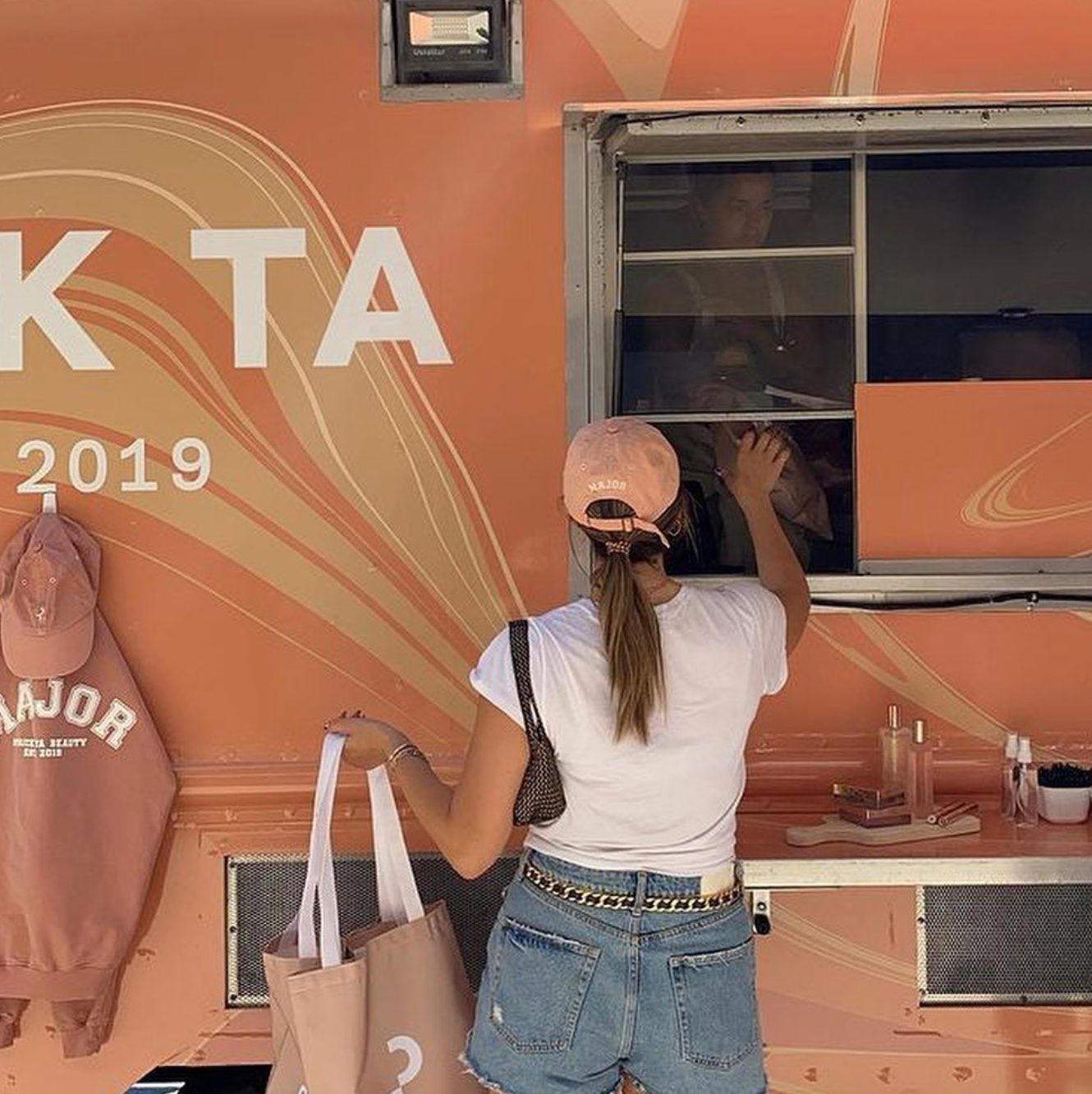
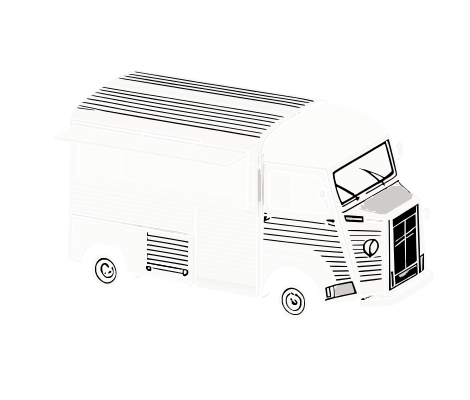
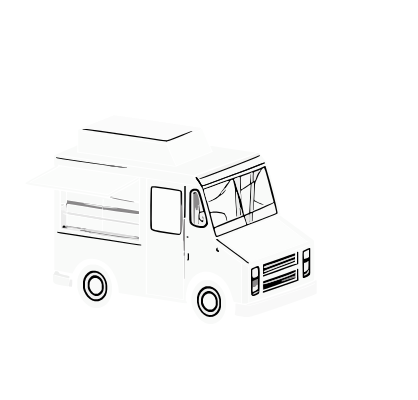
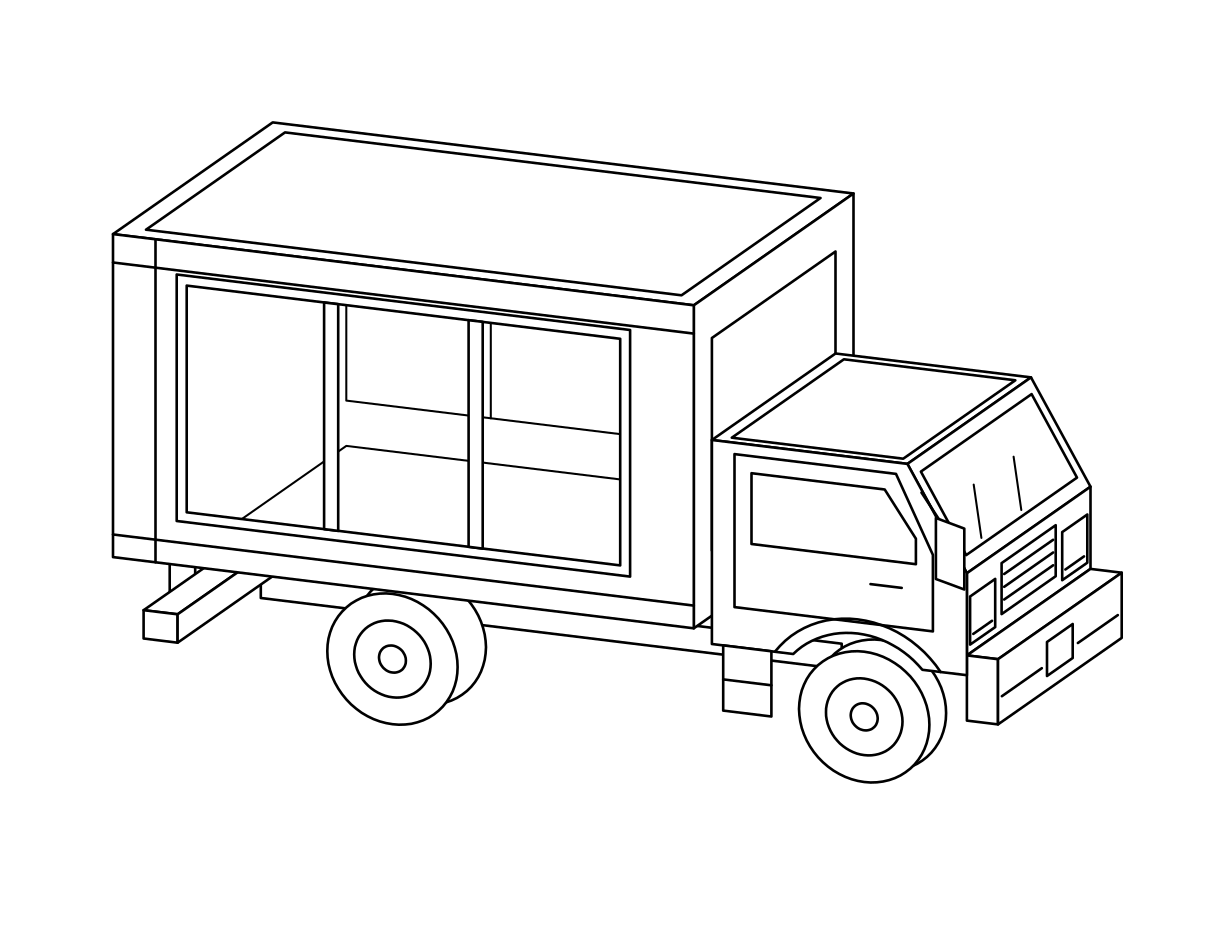
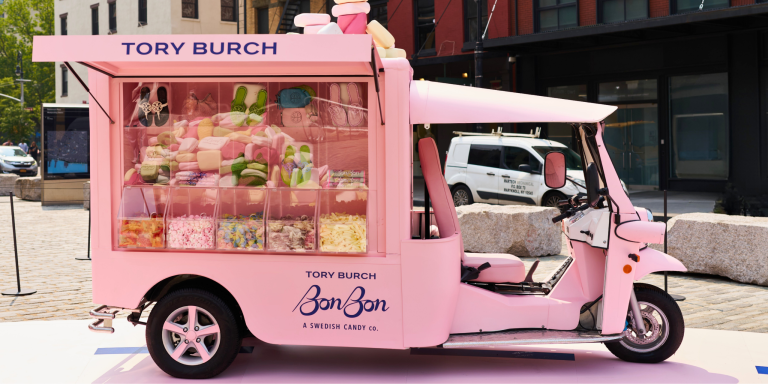
A mobile pop-up shop takes the same concept and puts it on wheels, whether that is a food truck, a glass truck, an Airstream, or a walk-in vehicle where customers browse and buy. It trades some fixed space for something a building can never offer: the ability to move.

You Target High-Conversion Areas, Then Move On

A mobile pop-up goes to your customers instead of waiting for them. Once you know where your key demographic gathers, you direct the vehicle there, then move to the next hotspot when the first is spent. That flexibility means less time wasted in front of the wrong crowd and more brand impressions in front of the right one, across a single day or a multi-city mobile marketing tour.

Every Mile Is Passive Advertising

A static shop markets to the people who walk past its door. A branded vehicle markets to everyone it passes on the way to its spot, and everyone who sees it parked. That eye-catching build works as a moving billboard, piquing curiosity in motion and pulling foot traffic once it stops. You are paying for the build once and getting advertising value every mile it travels.

Physical Interaction That Builds Loyalty

In an increasingly digital world, hands-on engagement is what forms lasting emotional connections, and it is especially effective with younger customers who want to touch and try before they commit. Brand ambassadors inside the vehicle guide people through the product, answer questions, and turn a quick stop into a real relationship. A mobile pop-up brings that experience directly to the neighborhoods where those customers already are.

How to Make Any Pop-Up Shop Succeed

Whichever format you choose, a few things separate a pop-up that works from one that gets walked past. Here is what to plan for, with a mobile pop-up in mind.

Nail the Exterior, Because First Impressions Are Instant

People judge your brand in seconds, so the outside of the pop-up has to land before anyone steps inside. Match the aesthetic to your audience: nostalgic and warm, or sleek and futuristic, but always unmistakably yours. If the exterior does not appeal, most people will never find out what is inside, which makes the wrap and the build the single highest-leverage design decision you make.

Craft an Interior Experience That Is the Brand

The inside is where a browser becomes a customer, so design the interaction to embody what you sell. An outdoors brand might build a cedar-scented campsite with astroturf so people feel the product in context; a beauty brand might build a mirrored try-on moment. The goal is to let customers envision the product already in their lives, using the right vehicle and build to make that experience real.

Choose Locations Full of Your Actual Customers

Every stop should put the pop-up in front of people who would genuinely benefit from your brand. High-traffic events like conventions and fairs are strong choices, as are downtown and business-district spots in major cities. The more of the right people who pass, the more impressions and sales you generate, which is exactly where a mobile format’s ability to chase the crowd pays off.

The Bottom Line

Static and mobile pop-ups are both legitimate tools, and the honest answer is that the right one depends on your campaign. Choose static when you have a deep inventory, a destination concept, or a fixed location to reinforce, and when the crowd you want reliably gathers in one place. Choose mobile when reach, flexibility, and passive advertising matter more than a large fixed footprint, which describes most brand activations. For the majority of campaigns, a mobile pop-up delivers more impressions, more flexibility, and more advertising value from the same budget, because the build keeps working every mile it travels rather than waiting in one spot for customers to arrive.

Frequently Asked Questions

A static pop-up shop is a stationary, temporary retail space a brand occupies for a set period, usually within an existing building, a leased storefront, or a branded tent in a high-traffic area. It is the traditional pop-up format, offering fixed space and dwell time but limited to the single location you choose.

A mobile pop-up shop is a temporary retail experience built into a vehicle, such as a food truck, glass truck, Airstream, or walk-in build. It takes the pop-up concept and makes it movable, so a brand can bring the same experience to multiple neighborhoods, events, or cities instead of staying in one spot.

A static pop-up stays in one fixed location, while a mobile pop-up travels. Static formats offer more space and dwell time; mobile formats offer far greater reach, flexibility, and passive advertising, since the vehicle markets the brand everywhere it goes. The best choice depends on whether your priority is depth in one place or reach across many.

Not universally, but for most brand activations, yes. A mobile pop-up delivers more reach and advertising value from the same investment because it can target multiple high-traffic areas and markets itself in transit. Static pop-ups are better when you need a large fixed footprint, deep inventory, or a destination concept in a single location.

Costs vary widely by format, size, and duration. Industry data suggests many pop-ups open for under $5,000, while elaborate branded builds cost significantly more. A static pop-up’s cost centers on rent and buildout in one spot; a mobile pop-up’s centers on fabrication and logistics, which then spread across every market the vehicle visits.

Yes. The pop-up retail market is valued in the tens of billions, and around 80% of retailers who run a pop-up consider it a success. Pop-ups work because they create urgency, offer hands-on brand interaction, and let brands test markets, launch products, and build awareness in a way digital channels cannot match.

Brands across nearly every category: beauty, fashion, food and beverage, technology, wellness, and entertainment all use mobile pop-ups. Food and beverage brands often use food trucks, while retail and beauty brands use walk-in vehicles where customers can browse, try, and buy. The format adapts to almost any product.

Start with where your target customers gather. High-traffic events like conventions and fairs, downtown areas, and business districts in major cities are strong options. The advantage of a mobile format is that you are not locked in: you can move between hotspots to keep the pop-up in front of the right audience throughout the campaign.

Most pop-ups are short-term, often running anywhere from a single day to a few weeks, and rarely staying open more than three months. A mobile pop-up can run as a single-day activation, a weekend at an event, or a multi-week tour across several cities, depending on your goals and budget.

Decide between a static or mobile format based on your goals, then plan the build, the experience, the locations, and the permits. Requirements vary by city and venue. Working with an experiential marketing agency that handles fabrication, permitting, staffing, and logistics is the fastest way to get a professional pop-up on the road.

FOLLOW US ON INSTAGRAM
Benjamin Goldberg

Author

Benjamin Goldberg

CEO @ FTP Agency

Benjamin H. Goldberg is passionate about bringing brands to life on the streets. As CEO of Food Truck Promotions and co-founder of the New York and Los Angeles Food Truck Associations, he helps create unforgettable mobile experiences that blend great food, creative branding, and meaningful connections with audiences everywhere.

More posts
Sensory Marketing: Who is it right for and how to set up your campaigns