How Brands Can Reach Fans Through Comic Con Marketing

By: Ashley Elarde 10 min read

comic con marketing

Comic Con marketing works on a simple advantage: nowhere else will you find a quarter of a million people who chose to spend four days celebrating the things they love.

Fan conventions concentrate an audience that is enthusiastic, highly engaged, and already documenting everything they see. For entertainment properties, toy brands, streamers, and any company whose customers overlap with fandom, that is a rare combination.

This guide covers why conventions work, the difference between activating inside and outside the show, the licensing rules that catch brands out, and a Harley Quinn activation we produced with DC Warner Bros.

Key Takeaways

  • The audience is enormous and self-selected: New York Comic Con draws around 250,000 attendees across four days, making it North America’s most attended fan convention.
  • On-site presence requires official status: the show floor is for exhibitors and sponsors, so most brands activate outside the venue or partner with a licensed property.
  • Licensing is the hard constraint: you cannot use characters or franchises you do not have rights to, which is the fastest way a convention campaign gets stopped.
  • Free food beats swag at a convention: attendees are on their feet all day in long lines, so something to eat or drink outperforms another tote bag.
  • Plan months ahead: NYCC runs October 8 to 11 in 2026, and exhibitor space, permits, and locations near the Javits Center are claimed long before that.

What Is Comic Con Marketing?

Comic Con marketing is any brand activity built around a fan convention, whether that is an official exhibitor booth, a sponsored activation, a licensed partnership with a property appearing at the show, or an independent activation staged near the venue during the event.

New York Comic Con is an annual convention at the Javits Center dedicated to comics, graphic novels, anime, manga, video games, cosplay, toys, film, and television. It is a place where fans can be openly enthusiastic, meet creators and performers, and find exclusive merchandise and artwork, which is exactly the state of mind that makes an activation land.

Why Conventions Work for Brands

The Audience Chose to Be There

Convention attendees paid for a badge, traveled, and often queued for hours. That is a fundamentally different audience from people walking past an activation on the way somewhere else, and it shows in how willing they are to engage.

Fandom Documents Everything

Cosplay culture means the entire event runs on photography. An activation designed to be photographed enters a stream of content that is already flowing, rather than trying to start one.

The Crowd Is Concentrated and Predictable

Four days, one venue, known entry points, and known queue locations. Compared with a citywide festival, a convention is unusually easy to plan around.

Announcements Land Harder Here

Conventions are where properties break news. Timing an activation to a reveal gives the brand a share of the attention the announcement generates.

On-Site or Off-Site, and Why It Matters

This is the decision that shapes budget, timeline, and what is even possible, and most guides skip it.

Inside the Show

The Javits show floor is for official exhibitors and sponsors, negotiated with the organizer, ReedPop, and priced accordingly. Studios, publishers, and toy companies build large booths there. If you can secure and afford it, you get direct access to attendees and the credibility of official presence.

Outside the Venue

The streets around the Javits Center fill with badge holders arriving, leaving, queueing, and looking for food. An activation placed there reaches the same audience without exhibitor costs, and it catches people at the moments when they are most receptive, which is usually while waiting.

Through a Licensed Property

The third route, and the one our Harley Quinn activation used, is partnering with a rights holder who is already at the show. The property brings the fandom and the licensing, and the brand brings the activation.

This is the same structural choice we cover in our guide to launching a Coachella activation, where off-site is where most of the activity now happens.

The Licensing Rules That Catch Brands Out

Conventions are built on intellectual property, and the rules around it are enforced more strictly here than almost anywhere else.

  • You cannot use characters you do not license. Costumes, artwork, names, and logos belonging to a studio or publisher require permission. Fan enthusiasm is not a defense.
  • Convention names and marks are protected too. Comic Con branding belongs to its organizers, so a non-sponsor should avoid implying official affiliation.
  • Partnering is the clean route. Working with a rights holder gives you legitimate access to a property and its fandom, which is what makes an activation feel authentic rather than opportunistic.
  • Have counsel review the creative. This is not legal advice, and a short review before anything is fabricated is far cheaper than a rebuild.

Activation Ideas That Work at a Convention

  • Feed the queue. Attendees stand in line for hours and food inside is expensive and slow. A cart handing out breakfast or a snack is genuinely welcome.
  • Give something collectible. Fandom audiences value exclusives, so limited items, variant prints, or numbered pieces outperform generic merchandise.
  • Build a photo moment. In a venue full of people already in costume, a well-designed backdrop gets used constantly.
  • Time it to an announcement. Aligning the activation with a reveal gives it news value it would not otherwise have.
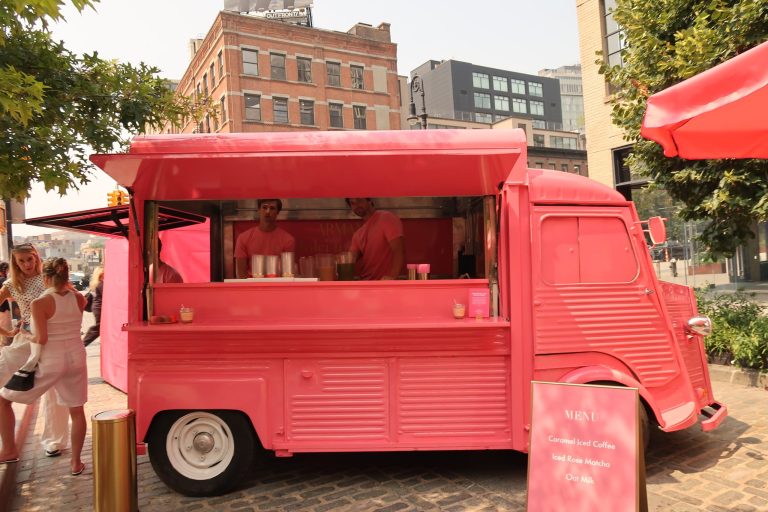
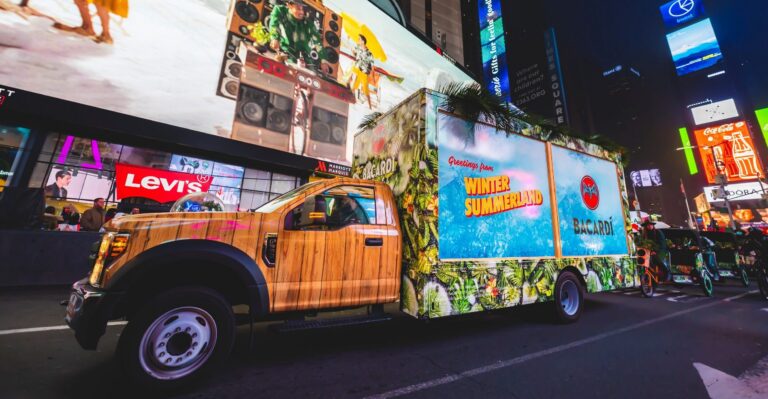
  • Wrap the vehicle in the property. A branded cart or truck is a rolling billboard on streets full of the exact audience you want.
  • Bring talent. Creators, artists, and voice actors draw crowds at conventions in a way that generic influencers do not. For more on reaching a fandom audience through a physical moment, see our guide to seasonal marketing, which covers timing a campaign to a peak your customers already care about.

How We Celebrated 30 Years of Harley Quinn at NYCC
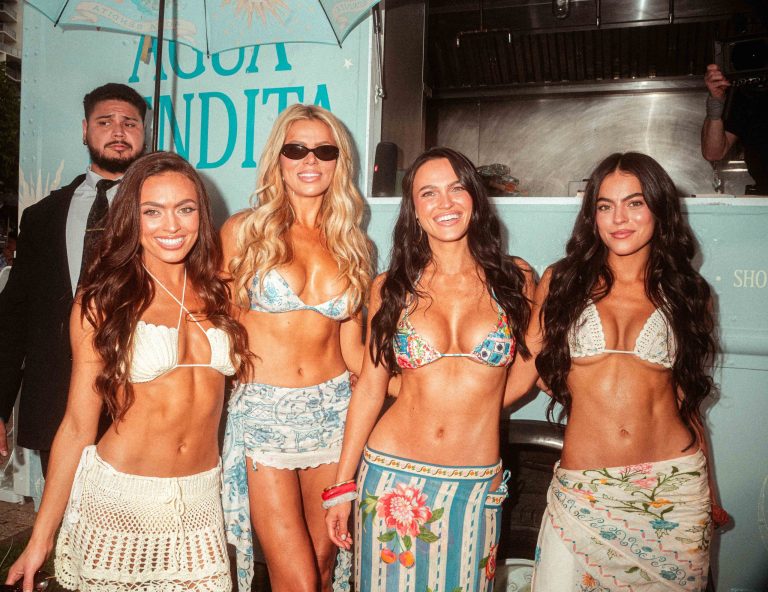
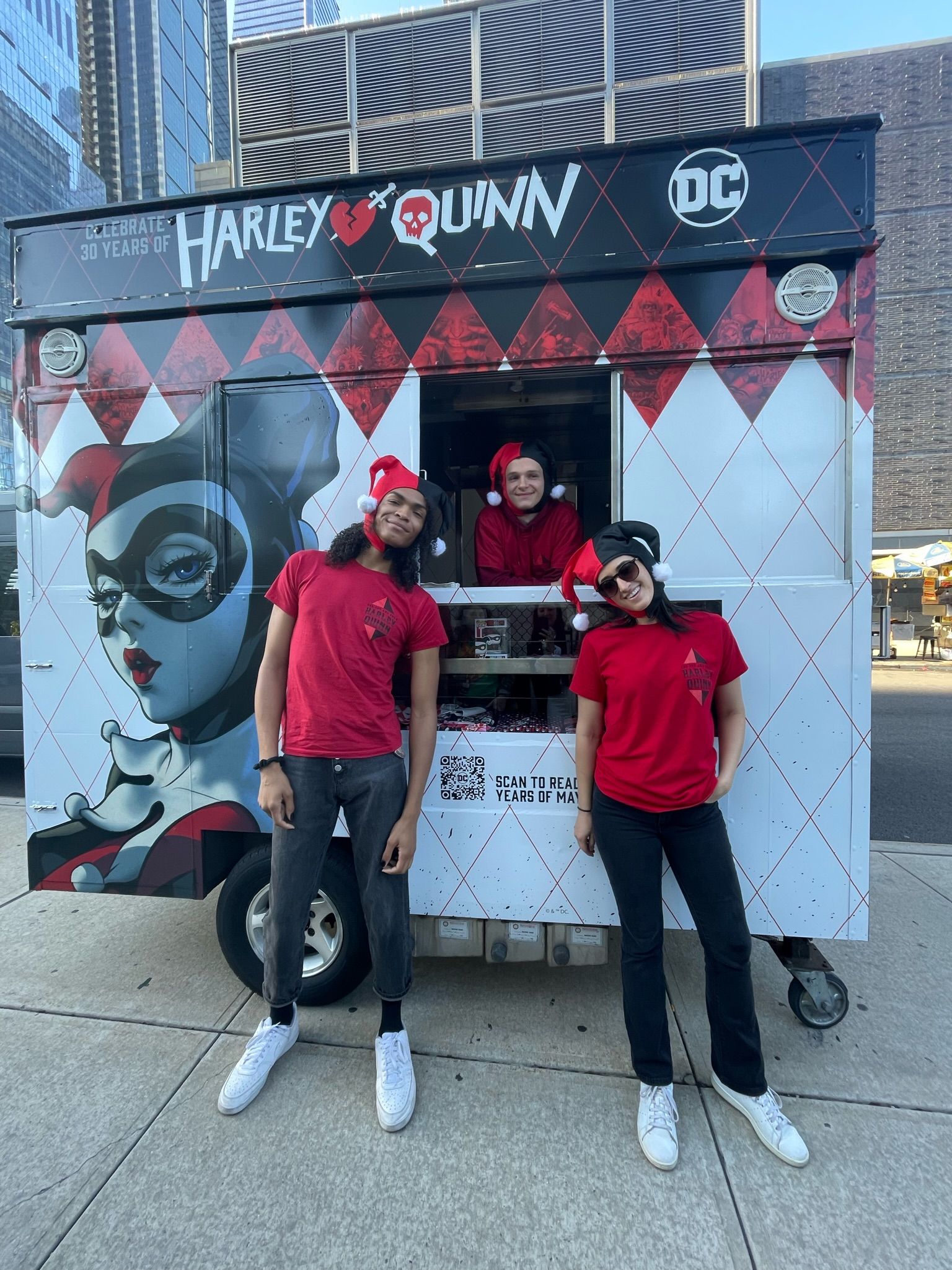
Harley Quinn brand ambassadors

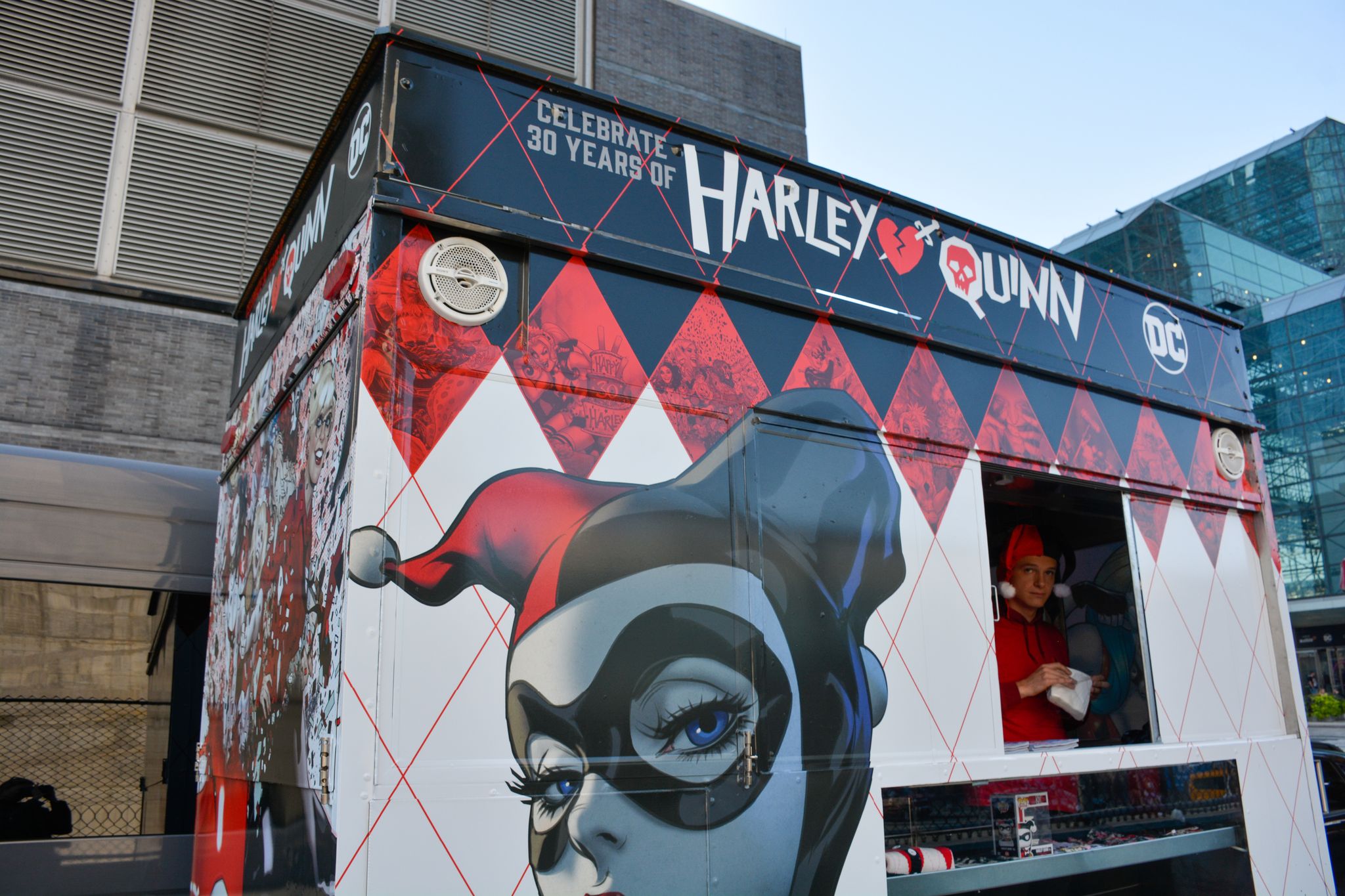
In partnership with DC Warner Bros, we marked the character’s thirtieth anniversary with a food cart activation at New York Comic Con.

We wrapped one of our food carts in the character’s graphics and brought it to the Javits Center with hundreds of complimentary gifts. Day two opened with savory egg and cheese sandwiches in the morning, followed by birthday-cake cupcakes in the afternoon. Visitors also received action figures, movie premiere tickets for that week, honorary lanyards, and specialty thirtieth anniversary comic books.

Running from 9am to 3pm, the cart drew thousands of attendees, and the giveaways built anticipation around a creative team announcement the publisher made at the show.

Why it worked: the activation had legitimate access to the property through the rights holder, it solved a real problem for people queueing outside a convention center, and the birthday-cake theme tied the giveaway to the anniversary being celebrated. Browse more work in our brand activation case studies.

When to Start Planning

New York Comic Con returns to the Javits Center on October 8 to 11, 2026, marking its twentieth anniversary with a Coney Island theme. San Diego Comic-Con, C2E2, Emerald City, and dozens of regional conventions run on their own calendars.

Exhibitor space is negotiated months ahead. Street placements near the venue need permits, and the Javits sits in a busy stretch of Hell’s Kitchen beside Hudson Yards where access is tight. Custom fabrication and wrap production need their own runway. For an October show, scoping should begin in early summer at the latest.

How to Measure a Convention Activation

  • Servings and giveaways distributed: counted by day and by hour, since convention traffic peaks around opening and panel breaks.
  • Tagged posts and cosplay photos featuring the activation: the metric that matters most at an event this documented.
  • Sign-ups or scans captured: the trackable conversion from a crowd to a contact list.
  • Press and fan media pickup: convention coverage is dense and hungry for color beyond the panel news.
  • Attributable lift for the property: premiere ticket redemptions, issue sales, or app downloads tied to the activation.

The Bottom Line

Comic Con marketing gives a brand access to a quarter of a million people who are enthusiastic, engaged, and photographing everything. What separates a successful activation from a stalled one is settling the access question early, whether that is exhibitor space, a street placement, or a licensed partnership, and respecting the intellectual property rules that govern everything at a convention.

If a convention is on your calendar, we design, build, permit, and staff the activation. Explore our event marketing services or contact our team to scope it.

Frequently Asked Questions

Comic Con marketing is brand activity built around a fan convention, including official exhibitor booths, sponsored activations, licensed partnerships with a property appearing at the show, and independent activations staged near the venue during the event.

Around 250,000 attendees across four days, making it North America’s most attended fan convention. It is organized by ReedPop and held at the Javits Center in Manhattan, with the 2026 edition running October 8 to 11.

Not inside the show. The floor is reserved for official exhibitors and sponsors negotiated with the organizer. Any brand can activate on the streets around the venue, or partner with a rights holder already exhibiting, which is the most common route.

Yes. Characters, artwork, names, and logos belong to studios and publishers, and conventions enforce those rights strictly. Partnering with the rights holder is the clean route, and creative should be reviewed by counsel before anything is fabricated.

Food and drink for people queueing, collectible or exclusive giveaways, a photo moment for an audience already in costume, activations timed to a property announcement, and branded vehicles placed on the streets attendees walk between the venue and transit.

Because attendees are on their feet all day, food inside convention centers is expensive and slow, and lines form before doors open. Handing someone breakfast while they wait solves an immediate problem and buys the time to talk about the brand.

October 8 to 11, 2026, at the Javits Center. The show marks its twentieth anniversary that year with a Coney Island theme. Other major conventions including San Diego Comic-Con, C2E2, and Emerald City run on separate calendars.

For an October show, begin scoping in early summer. Exhibitor space is negotiated months ahead, street permits near the venue take time, and custom fabrication and vehicle wraps need their own production runway.

On the streets around the venue, where badge holders arrive, leave, and queue. Near the Javits Center that means the surrounding blocks in Hell’s Kitchen and toward Hudson Yards, subject to city permits and the usual access restrictions.

Track servings and giveaways distributed by day and hour, tagged posts and photos featuring the activation, sign-ups or scans captured, press and fan media pickup, and any attributable lift such as ticket redemptions or downloads tied to the property.

FTP Free download

The Mobile Pop-Up Shop Launch Checklist

7 steps, 37 checkpoints, and a one-page brief to plan and launch a mobile pop-up shop that converts.

Instant PDF · No Cost

Ashley Elarde

Author

Ashley Elarde

Social Media Manager @ FTP Agency

Ashley Elarde is a social media strategist, content creator, and experiential marketing professional with experience bringing brands to life through engaging digital content. She has helped execute campaigns for brands across beauty, fashion, retail, and entertainment, developing campaigns that drive engagement and meaningful consumer connections.

More posts
How to Plan a Seasonal Marketing Strategy