Mobile Bars for Events: How to Turn Drinks Into a Brand Activation
A mobile bar event does something a static bar never will: it puts your brand, not just a drink, in someone’s hand. Anyone can…
Read moreBy: Benjamin Goldberg • • 12 min read
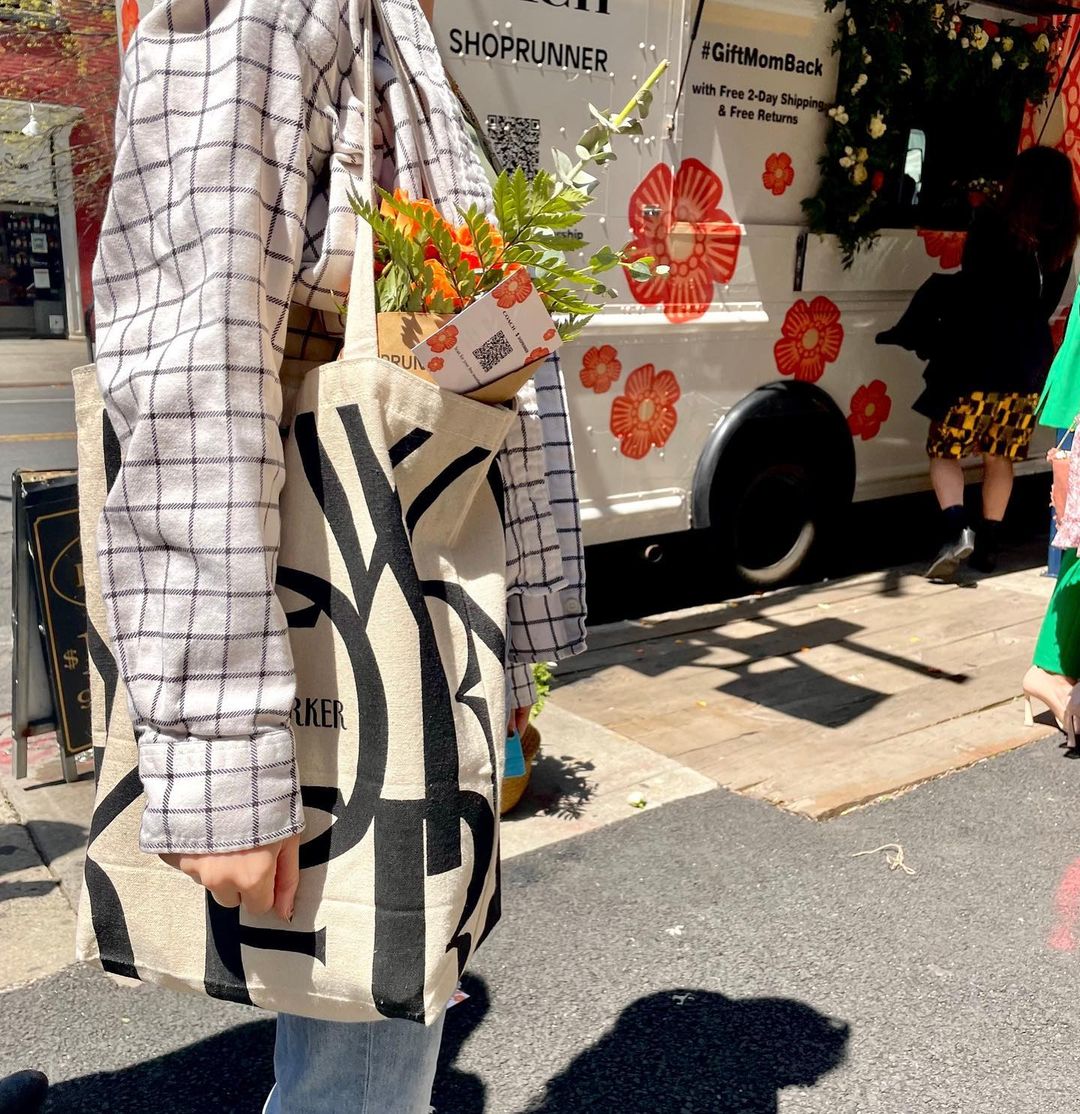
Learning how to start a pop-up shop is one of the most flexible, lower-risk ways to give your brand a real-world presence. Pop-up shops are temporary storefronts that let customers browse your goods and interact with your brand in a more intimate way, which is especially powerful for e-commerce brands that want to come to life off the screen. Whether yours runs for a single day or a couple of months, this guide walks through exactly how to start your own pop-up shop, from setting a goal and budget to choosing a venue, marketing it, and measuring whether it worked.
A pop-up shop is a temporary retail space a brand opens for a short time, from a single day to a couple of months, to sell products, launch something new, or build awareness through an in-person experience. It can be a rented storefront, a booth at an event, or a mobile setup like a branded food truck or trailer. The goal is a memorable, hands-on moment that drives both on-site sales and online attention.
Pop-up shops have grown from a trend into a serious channel, because they give brands the intimacy of in-person retail without the cost and commitment of a permanent lease. A few of the biggest benefits:
There is no single format. The right one depends on your goal, audience, and budget:
The key to any new endeavor lies in the preparation stage. Throwing yourself into a major venture without a roadmap usually ends in disaster, so the first step is patience. You want the pop-up to be successful and to meet a specific goal, so if you are not clear on that goal yet, take the time to define it.
Always have a primary goal when you start a pop-up shop. Secondary goals are fine, but ask what you really hope to achieve. Are you driving traffic to your online store? Testing a new product and gathering feedback? Building brand reputation through an unforgettable experience?
Then make the goal measurable. Define specific parameters, like sales numbers, customers using a special discount code from your event, or other collectible data, so you can evaluate success. Whatever you are after, set the goal and work backward to design the ultimate shopping experience.
During planning, set a budget. To keep your pop-up from spiraling out of control, decide exactly how much you are willing to spend. Your duration and venue cost may be the biggest strain, but account for more than rent, including promotion, product costs, payroll, and utilities.
Once you establish your limits, you know exactly what you have to work with, which gives you a baseline for measuring success and mitigating risk. Crunch the numbers, settle on a budget that works, and stick to it. It is wise to include a small flex budget for unexpected expenses, an emergency fund of sorts.
There are many ways to host a pop-up shop, so you can find a venue that fits your brand and budget. Even if you already have a picture in mind, shop around and weigh the options. A few ideas:
Each community offers unique opportunities, so research and compare costs. Some venues are harder on the wallet than others, but you may be able to negotiate a deal that fits your budget. Always visit the space before you commit, since this is a crucial step toward both your satisfaction and the next planning phase.
If you feel overwhelmed, there are experts, such as StoreFront, who specialize in finding pop-up venues. It never hurts to consult professionals at any step. That extends to legal matters: wherever you set up, make sure you have all the proper licenses and permissions first, and consider insurance for your event or location, because you cannot anticipate everything that might go wrong.
Once you have chosen and acquired a venue, it’s time to actually figure out how to start your own pop-up shop, and that means getting everything set up on site, so you can open for business.
It is not as simple as showing up and moving product in. Resolve these beforehand:
It is never too soon to build excitement. Social media is a great tool for spreading the word, whether through personal or business accounts or paid promotion.
A pop-up only works if people know about it, and marketing is where many first-timers fall short. Build hype before, during, and after:
The goal is not just sales during the event. Hype before and after drives e-commerce traffic, cross-sells, and repeat customers.
This is where the planning becomes reality. Bring in your team and design the look or event using the data from your planning phase. Once the pop-up looks stellar, make a few last decisions before opening:
Your needs will shift based on location, product, and operations, but this checklist keeps you fundamentally prepared. The rule of the day is to expect the unexpected, so have as many backup plans as you can. And remember, the event is a great promotional tool, so capture plenty of photos and video of your brand in action.
When the pop-up closes, the work is not quite done. Clean up the space and return any keys or borrowed items, then thank everyone who made it happen, including your staff.
Next, evaluate your results against your success metrics. Did you achieve your goal? If not, what would you do differently? Reflection matters even when the project is a success, so take notes on what worked and what needs improvement for next time.
Finally, reach out to customers afterward to say thanks, and feature the event and its wins on your social media, website, and advertising. Use photos from the event to promote your brand and draw new customers. Each pop-up makes the next one bigger and better.
Now that your pop-up venture has reached its conclusion, it is time to perform follow-up responsibilities.
First, make sure that you have appropriately cleaned up your pop-up location and returned any requested items or keys to their respective owners. Make sure to thank everyone involved that made this experience a reality, including your own staff and employees (or family members!).
Next, evaluate your results and data from your pop-up store and compare those toward your success metrics.
Did you achieve the goal(s) you set out to accomplish? If not, what could you have done differently to meet them?
Reflection is an important part of the process and is important so that you can learn from your mistakes, even if your project was a raving success. Take notes so that if you decide you want to repeat this experience, either in the same community or somewhere else entirely, you remember both what worked and what needs improvement.
Take the time to reach out to your clientele after the fact to offer your thanks, as well as featuring the event and positive outcomes on your social media, website, or advertising for your brand. Make use of any pictures from the event to promote your brand image and draw new customers.
Now that you know how to start your own pop-up shop, the next time will be even bigger and even better!
Here at FTP, we are pros when it comes to pop-ups! Learn more about us and how we can help you execute your pop-up shop and don’t forget to contact us to get started.
A pop-up shop is a temporary retail space a brand opens for a short time, from a day to a couple of months, to sell products, launch something new, or build awareness. It can be a rented storefront, an event booth, or a mobile setup like a branded truck.
Start by setting a measurable goal, then build a budget, choose and visit a venue, secure permits and insurance, plan staffing and transactions, market the event, and measure your results afterward against the goal you set.
Costs vary widely by venue, duration, and format. Budget for more than rent: promotion, product, staffing, utilities, and a flex fund for surprises. A short mobile or in-store pop-up usually costs far less than a long retail lease.
It depends on your goal. Promotional pop-ups can run a single day to a few days, while retail pop-ups built to establish a presence often run a month or two. Match the duration to your budget and objective.
Usually, yes. Requirements vary by city and venue and may include business licenses, sales tax registration, and permits, plus insurance. Confirm everything before you set up, since rules differ by location.
Pop-ups cost less and carry less risk than a permanent store, give online brands a real-world presence, let you test products with real customers, generate organic social buzz, and deliver direct feedback and data.
Common types include retail pop-ups, mobile pop-ups on wheels, showroom pop-ups, pop-up cafes and restaurants, shop-in-shops inside another retailer, and event or festival pop-ups that tap a built-in crowd.
Build hype before, during, and after the event with social media teasers and a hashtag, influencer partnerships, a PR package for local media, a share-worthy in-person moment, and on-site data capture to keep marketing to new fans afterward.
Track sales and conversions, foot traffic and interactions, leads captured, online lift like e-commerce traffic, and social reach. Compare it all to the measurable goal you set during planning.
A mobile pop-up shop is a temporary store on wheels, like a food truck, tuk tuk, or glass truck, that brings the experience directly to your audience across multiple locations rather than waiting for customers to come to a fixed spot.
Author
CEO @ FTP Agency
Benjamin H. Goldberg is passionate about bringing brands to life on the streets. As CEO of Food Truck Promotions and co-founder of the New York and Los Angeles Food Truck Associations, he helps create unforgettable mobile experiences that blend great food, creative branding, and meaningful connections with audiences everywhere.
A mobile bar event does something a static bar never will: it puts your brand, not just a drink, in someone’s hand. Anyone can…
Read more →
A mobile retail store gives brands something a lease never will: the ability to sell, sample, and showcase wherever their customers already are. But…
Read more →
The experiential marketing vehicle you choose is the single biggest design decision in a mobile pop-up shop. It sets your footprint, your sightlines, what…
Read more →We use and share personal information through cookies and similar technologies on our sites to personalize your shopping experience and ads. Others may use this information for their own marketing and business purposes. . Check our Privacy Policy for more details.
Browser Opt-Out Honored
We use and share your personal information with others to personalize your shopping experience and show you targeted ads on other sites based on your interests and online activities.
Online Info includes cookies, pixel tags, and similar technologies connected to your browser or device. Offline Info includes information associated with your email address based on your other interactions with us.
We use and share your personal information with others to personalize your shopping experience and show you targeted ads on other sites based on your interests and online activities. Information includes cookies, pixel tags, and similar technologies connected to your browser or device (Online Info), as well as information associated with your email address based on your other interactions with us (Offline Info). Others may use this information for their own marketing and business purposes.
You can choose to opt out of sharing one or both types of information.