Mobile Bars for Events: How to Turn Drinks Into a Brand Activation

By: David Botbol 9 min read

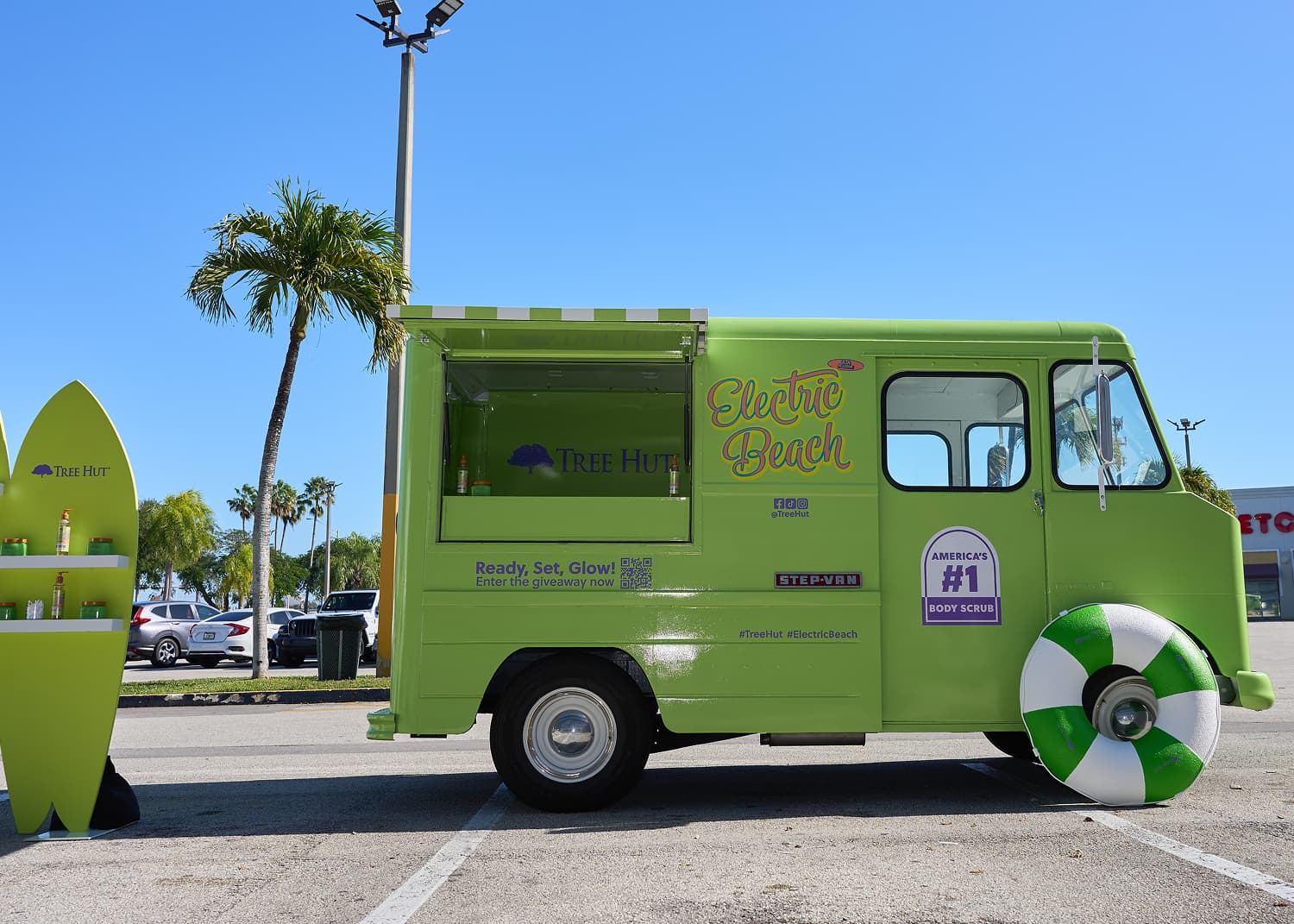
Green "Electric Beach" food truck parked in lot with surfboard display, palm trees, and cars nearby.

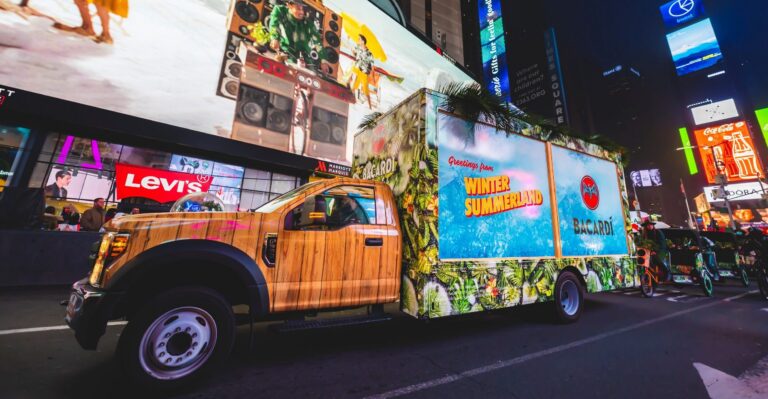
A mobile bar event does something a static bar never will: it puts your brand, not just a drink, in someone’s hand. Anyone can hire a bartender. The brands that get lines around the block treat the mobile bar as a pop-up shop format, where the vehicle, the menu, and the takeaway are all designed to carry one message.


That distinction is the difference between catering and marketing. This guide covers the mobile bar formats brands use, the events they work best at, what separates drink service from a true brand activation, and how Fever-Tree turned one mobile bar into more than 5,100 product trials in New York City.

Key Insights

  • A mobile bar event is a pop-up shop with a menu: The strongest activations treat the bar as a branded retail experience, not drink service, so every element from the vehicle to the cup communicates the brand.
  • The format follows the audience: Cocktail trucks, coffee carts, mocktail bars, and beverage trailers each suit different events, day parts, and brand personalities.
  • The menu is the message: Signature drinks built around the product, its colors, or its launch theme turn every pour into a product story people photograph and repeat.
  • The drink is the opener, the takeaway is the conversion: Samples start the conversation, while bottles, coupons, and branded merch send customers home ready to buy.
  • Measurement makes it marketing: Counting pours, interactions, and redemptions against a target is what turns a fun bar into a defensible line item, as Fever-Tree’s 70% over-goal result shows.

What Is a Mobile Bar Event?

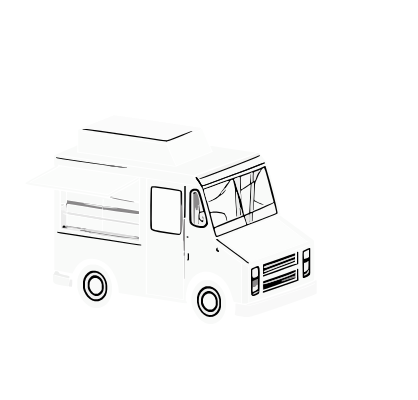
A mobile bar event is a branded beverage activation served from a vehicle, such as a cocktail truck, coffee cart, or trailer, that has been designed as a pop-up brand experience. Unlike hired bar service, a mobile bar event wraps the drink in the brand: the vehicle is customized, the menu ties to the product or campaign, and guests leave with something that extends the moment past the last sip.


Because the bar travels, a single build can serve a product launch on Monday, a festival on Saturday, and a corporate summit the week after, carrying an identical brand experience to each.

The Mobile Bar Formats

The format sets the tone before a single drink is poured, so choose it the way you’d choose a venue. These are the four we build most, all drawn from the same experiential vehicle fleet behind our pop-up shops.

Cocktail and Mocktail Trucks

A full bar on wheels, wrapped in the brand and staffed for volume. Cocktail trucks anchor evening events and launches, and a mocktail menu keeps the same theater inclusive, daytime-friendly, and permit-light.

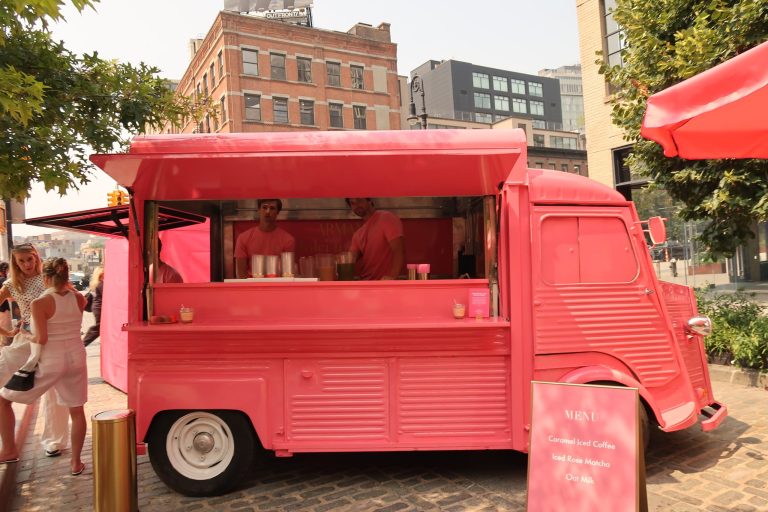
Coffee Carts and Espresso Bars

Coffee is the highest-frequency beverage ritual there is, which makes a branded espresso bar a natural fit for mornings, conferences, and retail activations. Luxury brands lean on this format because a beautiful coffee moment reads premium without a hard sell.

Sampling Bars

Built for beverage brands themselves: seltzers, mixers, teas, and better-for-you drinks served as the product, not alongside it. The design centers on trial volume, with fast service lines and takeaways that convert the taste into a purchase.

Branded Beverage Trailers

Trailers and larger builds add what trucks can’t: seating, shade, lounge space, and room for a second experience like a photo moment or product display. They suit festivals and multi-day residencies where dwell time matters.

Where Mobile Bar Events Work

The format flexes to almost any gathering, but it performs best where a drink naturally fits the moment. The four settings we see most: product launches, where the menu becomes the launch story; corporate events and summits, where a branded bar turns a coffee break into an engagement point; festivals and sponsorships, where the bar gives a sponsor a reason for people to stop rather than walk past; and private celebrations like weddings and premieres, where the bar doubles as decor and entertainment.


Across all four, the same rule applies: the bar earns its budget when it’s positioned where the target audience already is, on a route or site plan chosen as deliberately as the menu.

What Separates a Bar From a Brand Activation

Drink service quenches thirst. An activation changes what people remember, share, and buy. The difference comes down to four design choices, and they’re the same choices behind every strong mobile pop-up.


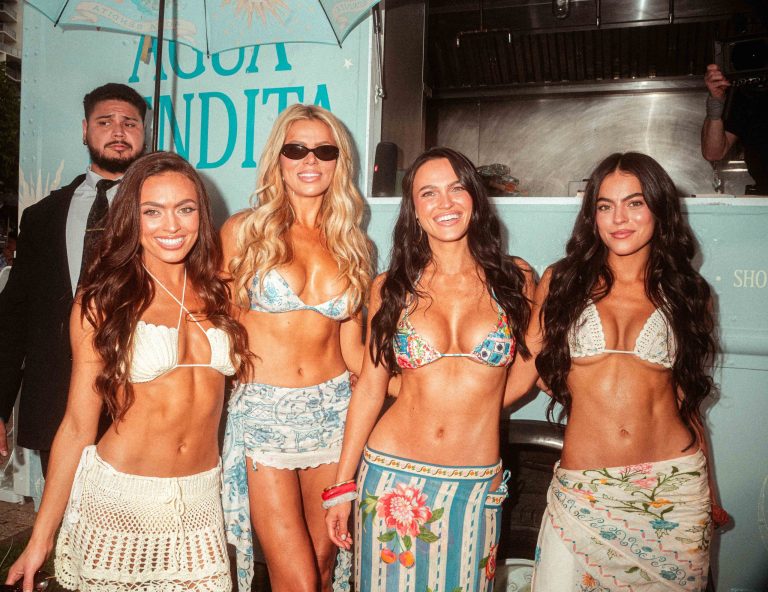
First, the vehicle is branded like a flagship, not labeled like a vendor: full wrap, dimensional signage, and an interior guests can see and photograph. Second, the menu is the message, with signature serves named for the product, mixed in brand colors, or built directly on the product itself. Third, there’s a designed photo moment, because a drink in front of a beautiful backdrop is one of the most naturally shared images at any event. Fourth, guests leave with a takeaway that converts: a coupon, a sample bottle, a QR code, or branded merch that keeps working after the ice melts.

How to Plan a Mobile Bar Event

A mobile bar event comes together like any pop-up shop: goal first, then format, then logistics. The sequence below keeps the brand in charge of each step.


Start by naming the one metric the event must move, whether that’s trials, leads, or social reach. Choose the format and vehicle to fit the audience and day part. Build the menu around the message, including a non-alcoholic track so no guest is left out. Handle the operational layer early, since alcohol service brings location permits, licensing, and insurance requirements that vary by city and venue. Staff the bar with brand ambassadors who can talk product, not just pour. And set up capture before opening: a pour count, a QR code, and a redemption mechanism so the results are measurable.

Case Study: Fever-Tree’s Espresso Martini Bar

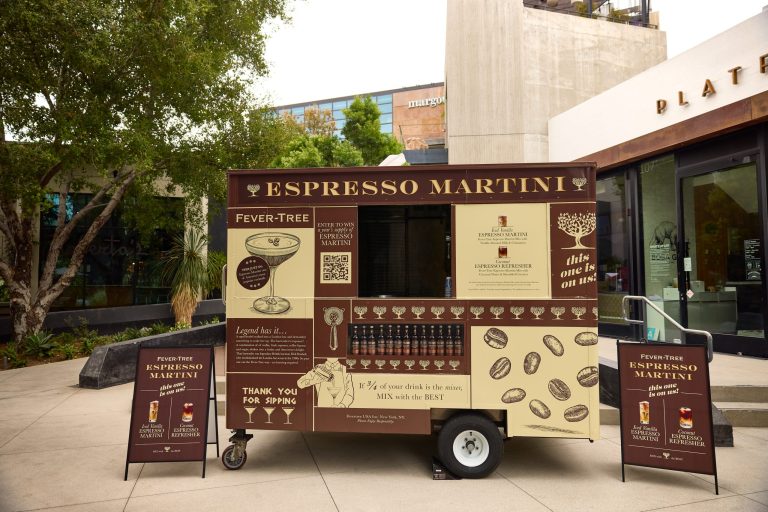
When Fever-Tree wanted to launch its Espresso Martini mixer range in New York, the brand didn’t book a bar. It built one, and the Fever-Tree Espresso Martini activation shows every principle in this guide working at once.


The mobile bar served cocktails mixed with Fever-Tree’s own espresso martini mixer, with a hot mocha and an iced coffee variation that showcased the product’s versatility rather than hiding it behind a generic menu. More than 5,100 consumers sampled the serves, surpassing the campaign’s trial target by 70%. And the takeaway did the converting: over 3,400 totes, bottles, and coupons went home with guests, with each attendee receiving a full-size bottle of the mixer, a custom-branded tote, and a coupon toward the wider product line.


That’s the full arc of a mobile bar event done right: the product as the menu, the trial as the experience, and the takeaway as the bridge to purchase, all counted against a target so the brand knew exactly what it earned.

The Bar Is the Billboard

A mobile bar event works when it’s treated as marketing with a menu: a branded vehicle, a signature serve, a photo moment, and a takeaway that follows guests home, measured against one clear goal. Get those right and the drinks become the most efficient conversation starter your brand runs all year.


Planning one? Download our free Mobile Pop-Up Shop Launch Checklist [link to lead magnet] to work through the format, permits, staffing, and measurement steps, or get in touch to talk through the build.

Frequently Asked Questions

What is a mobile bar event?

A mobile bar event is a branded beverage activation served from a customized vehicle such as a cocktail truck, coffee cart, or trailer. Unlike hired drink service, it’s designed as a brand experience: the vehicle, menu, staffing, and takeaways all communicate one campaign message.

What types of mobile bars can brands use?

The main formats are cocktail and mocktail trucks for evening events and launches, coffee carts and espresso bars for daytime and corporate settings, sampling bars for beverage brands serving their own product, and branded trailers that add seating and lounge space for festivals and residencies.

What events suit a mobile bar activation?

Product launches, corporate events and conferences, festivals and sponsorships, retail support moments, and private celebrations such as premieres and weddings. The format performs best wherever a drink naturally fits the occasion and the target audience is already gathered in one place.

Do mobile bar events need permits?

Yes. Requirements vary by city, venue, and whether alcohol is served, and typically cover location permits, liquor licensing, and insurance. An experienced experiential agency manages this layer as part of production, which is one of the main reasons brands outsource mobile bar events.

Can a mobile bar event be non-alcoholic?

Absolutely, and many of the strongest activations are. Coffee bars, mocktail menus, and soft-drink sampling deliver the same theater with simpler permitting, daytime flexibility, and full inclusivity. Non-alcoholic tracks also extend where and when the same build can operate, from morning conferences to campus events.

How do you brand a mobile bar?

Treat the vehicle like a flagship: a full wrap in brand colors, dimensional signage, a designed interior, branded cups and napkins, and a photo-worthy backdrop. The menu carries the message too, with signature serves named for the product or mixed to match the campaign.

How do brands measure a mobile bar event?

Set one primary metric before launch, then count against it: pours and samples served, interactions, leads or QR scans, coupon redemptions, and social posts. Fever-Tree’s New York activation measured trials against a target and finished 70% over goal, which made the result easy to report.

How many people can a mobile bar serve?

It depends on the format, staffing, and menu complexity, but volume can be substantial: Fever-Tree’s single-market espresso martini activation served more than 5,100 consumers. Fast service lines, batched serves, and a focused menu are the biggest drivers of throughput at high-traffic events.

What should guests take away from a mobile bar event?

Something that converts the moment into a purchase: a coupon, a sample or full-size product, a QR code to shop, or branded merchandise. Fever-Tree sent guests home with a full-size mixer bottle, a custom tote, and a coupon, over 3,400 items in total.

Who builds and runs a mobile bar event?

Experiential agencies with in-house design, fabrication, and production. At Food Truck Promotions, that covers the vehicle, wrap, interior build, menu development support, permits, insurance, staffing with brand ambassadors, and the measurement plan, so the brand shows up to a finished bar.


Frequently asked questions

The answer will be added soon.

The answer will be added soon.

The answer will be added soon.

The answer will be added soon.

More posts