How To Create and Optimize a Great Guerrilla Marketing Strategy

If you are a brand or marketer with big goals but a small budget, a guerrilla marketing strategy is hard to resist. It is a low-investment, high-impact approach: big on ideas and low on expenses. The catch is sticking the landing. You want customers to notice you, but for the right reasons, and that takes thinking like your audience and captivating them in a way that fits what excites them.

Below are the tips, types, and examples that will help you create and optimize a guerrilla marketing strategy worth talking about.

KEY INSIGHTS

  • Ideas beat budgets: A guerrilla marketing strategy wins on creativity and surprise, not spend, which is what makes it ideal for brands with big goals and small budgets.
  • Surprise drives sharing: Unexpected, bold moments stop people in their tracks and get captured and posted, turning a single activation into organic social reach.
  • It has to fit your brand: The best campaigns are an extension of your core message, so the stunt feels true to who you are rather than a gimmick.
  • There is real risk: Bold and contrarian gets noticed, but it can also be misread, so weigh the downside and the logistics before you commit.
  • Plan to measure it: Tie the campaign to impressions, social shares, foot traffic, and conversions so you can prove the payoff, not just enjoy the buzz.

The Types of Guerrilla Marketing

Guerrilla marketing is a broad category with a few distinct styles. Knowing them helps you pick the right approach:

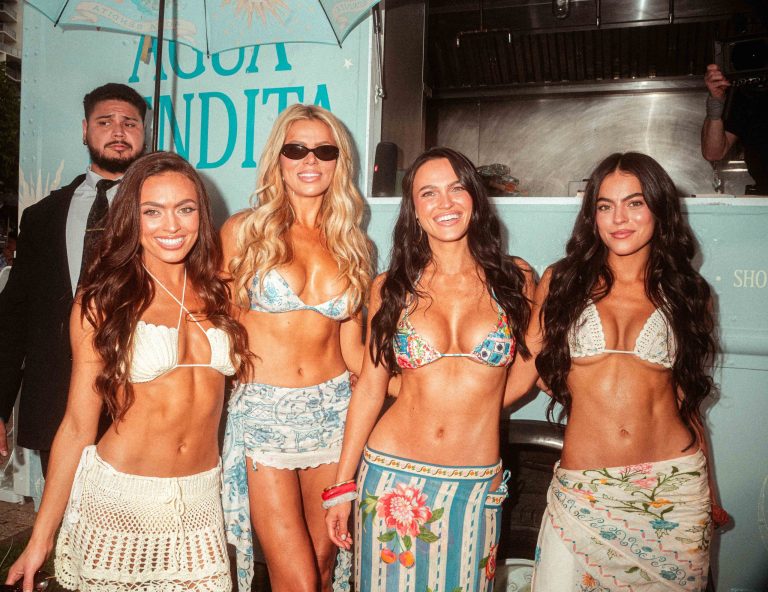
  • Street guerrilla marketing: Uses outdoor public space, like sidewalks, parks, and city streets, to insert a brand into an existing atmosphere. Street teams and experiential vehicles live here.
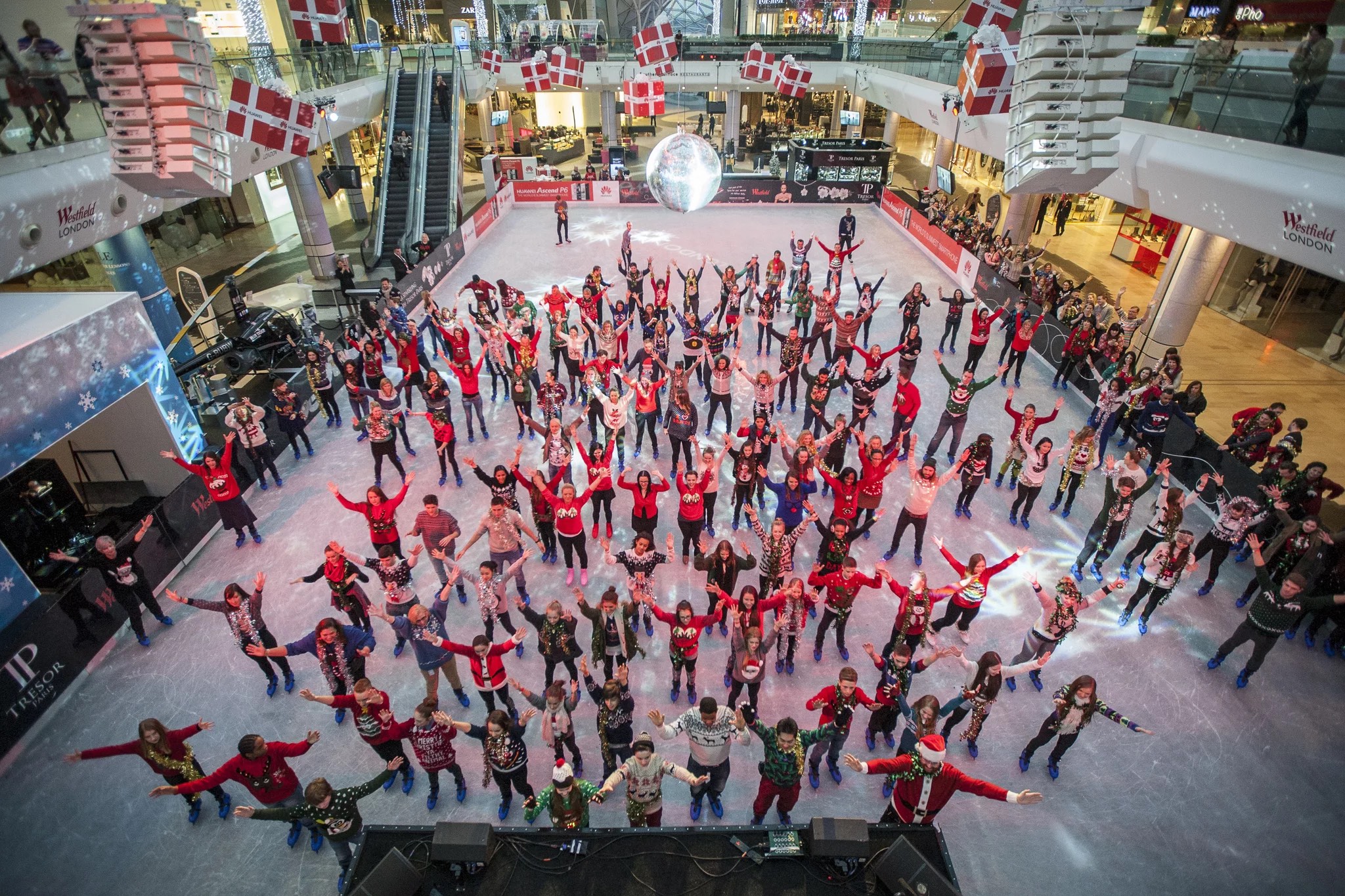
  • Indoor guerrilla marketing: Takes place inside public areas like retail stores, campuses, hotel lobbies, and museums, from flash mobs to clever signage.
  • Ambient marketing: Alters the environment itself rather than the people in it, like the Bic razor example below, blending the message into the physical space.
  • Ambush marketing: Runs at large-scale events such as festivals, concerts, and sporting events, capturing an existing crowd without official sponsorship.
  • Stealth and user-generated marketing: Turns loyal fans into promoters by encouraging them to create and share content on your behalf.

The Art of Guerrilla Marketing

In 1984, advertising executive Jay Conrad Levinson penned the first edition of his pioneering book, “Guerrilla Marketing.”

The essence of Levinson’s book is simple: “guerrilla marketing is the art of getting consumers to pay attention through brute force of a vivid imagination.”

It’s crucial to remember that consumers are bombarded with hundreds, if not thousands, of media messages on a given day. The best kind of guerrilla marketing strategy is rooted firmly in resourcefulness and ingenuity that goes further than just throwing money at an idea.

How to Create a Guerrilla Marketing Strategy

Tip #1: Go Against The Grain

The simplest way to separate your brand from competitors is sometimes to go in the opposite direction. When they go left, you go right. For example, Dutch company Fitness First ran a bold, risky campaign that flew in the face of the body-positivity moment: a bus-stop bench that displayed the weight of whoever sat down. Was it confrontational? Yes. Did it make headlines worldwide? Also yes. When your brand takes a strong, contrarian stance, people notice, but know that some will be turned off while others are drawn in by the boldness.

Bus stop digital display shows 0 when bench is empty, jumps to 68 when woman in red coat sits.

Tip #2: Hit the Streets

In the guerrilla marketing playbook, street team marketing is as old as marketing itself. With the outside world at your disposal, you have an outlet for nearly unlimited creativity, and street activations tend to generate immediate impact and a high chance of going viral. Bounty paper towels wanted to show that its products make small work of big messes, so in New York City it built life-sized messes, like a giant knocked-over coffee cup and a melting popsicle. The displays grabbed attention and doubled as photo ops with Bounty’s logo front and center, putting the brand in the background of selfies shared by millions.

Bounty Life Sized Messes

Tip #3: Disrupt the Space You’re In

Guerrilla marketing gets a bad rap for being too aggressive, but your brand can be the disruptor without disrupting people’s lives. This is ambient marketing: using physical space rather than the people in it. In other words, you alter the atmosphere by inserting yourself into it. Take this ad from Bic, where a giant razor appears to cut a clean strip through thick grass. It is not something you expect to see, and that is the point: a unique take on a familiar product that shows its benefit in an unconventional space.

A giant razor display creates a shaved strip through tall grass leading to a blank billboard.

Tip #4: Leverage Your Loyal Fans

Marketing takes a team of creative minds, but you are not the only one who can create content for your brand. Your customers are built-in marketers who already know who you are and why you are great, and many are on social media generating free PR through user-generated content. When you have fans who post images, videos, and designs, you have a marketing team at your fingertips. It just takes engaging and encouraging them to share. It is a low-risk, high-reward guerrilla marketing strategy. Fashion and beauty brands have leveraged fan content for years, getting customers to post in their clothes or makeup to create an echo chamber that is both free and highly effective.

Tip #5: Build It to Be Shared

The best guerrilla campaigns are designed for the camera. A bold visual, a surprising moment, or a photo-worthy installation gives people a reason to stop, snap, and post, which extends your reach far beyond the people who are physically there. Add a branded hashtag and an easy photo moment, and your audience becomes your distribution.

Bonus Tip: Leverage Your Loyal Fans

Marketing— any form of marketing really— requires polish and finesse. It takes a team of creative minds a lot of time and energy to execute successful campaigns. But did you know you aren’t the only one who can generate content for your brand? Take a look at your customers because they’re built-in marketers keenly aware of who you are, what you do, and why you’re so great at it! Oh, and they’re probably on social media, creating free PR for you with user-generated content. 

When you have fans active on social media and/or who can create visual content like images, videos, and designs, you have a marketing team that’s at your fingertips. It just takes engaging and encouraging them to post and share. It’s a guerrilla marketing strategy that’s low risk and high-reward.

Fashion and beauty brands have leveraged content created by their loyal fan bases for years. By getting customers to post pictures in their clothes or wearing their makeup, companies make an echo chamber that’s 1. Free and 2. Highly-effective.

The Best Guerrilla Marketing Strategy Is an Extension of Your Brand

Guerrilla marketing is both scrappy and strategic, but before you start, you need to know what makes you stand out. The campaign is the part of your strategy that captures your core message, so ask yourself:

  • What makes my brand different?
  • What do I do that my competition does not?
  • Are there misconceptions about my business I can flip?
  • How is my brand breaking the rules?
  • What does my target audience want, and how can I give it to them?

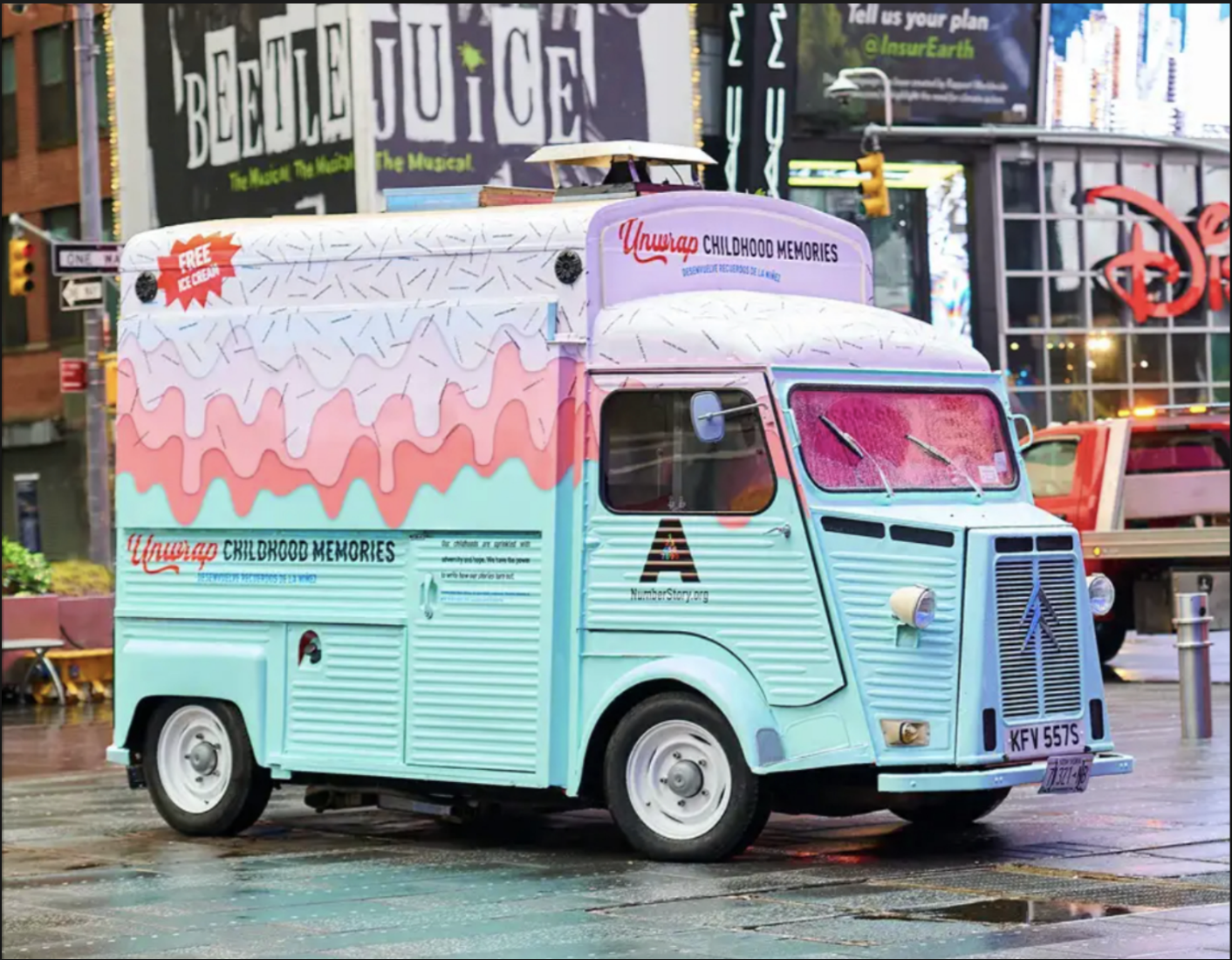
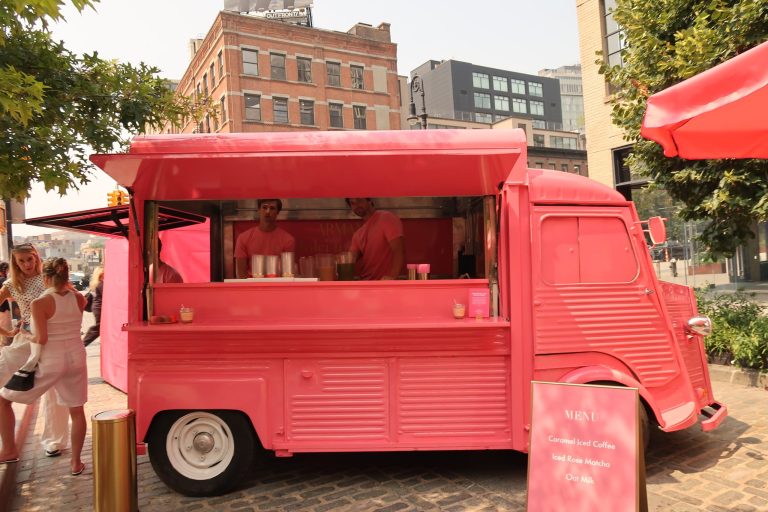
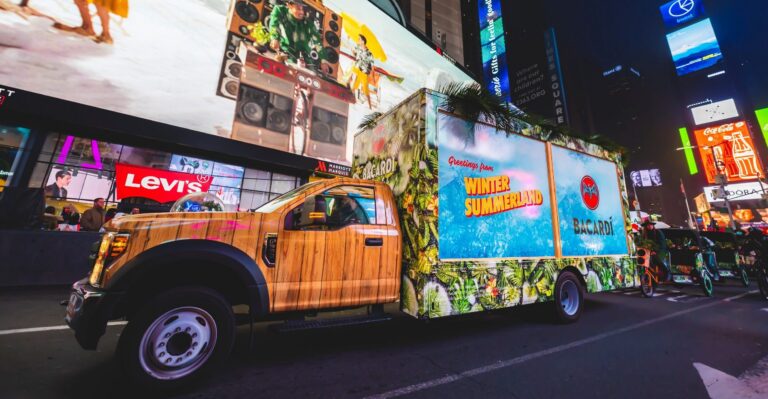
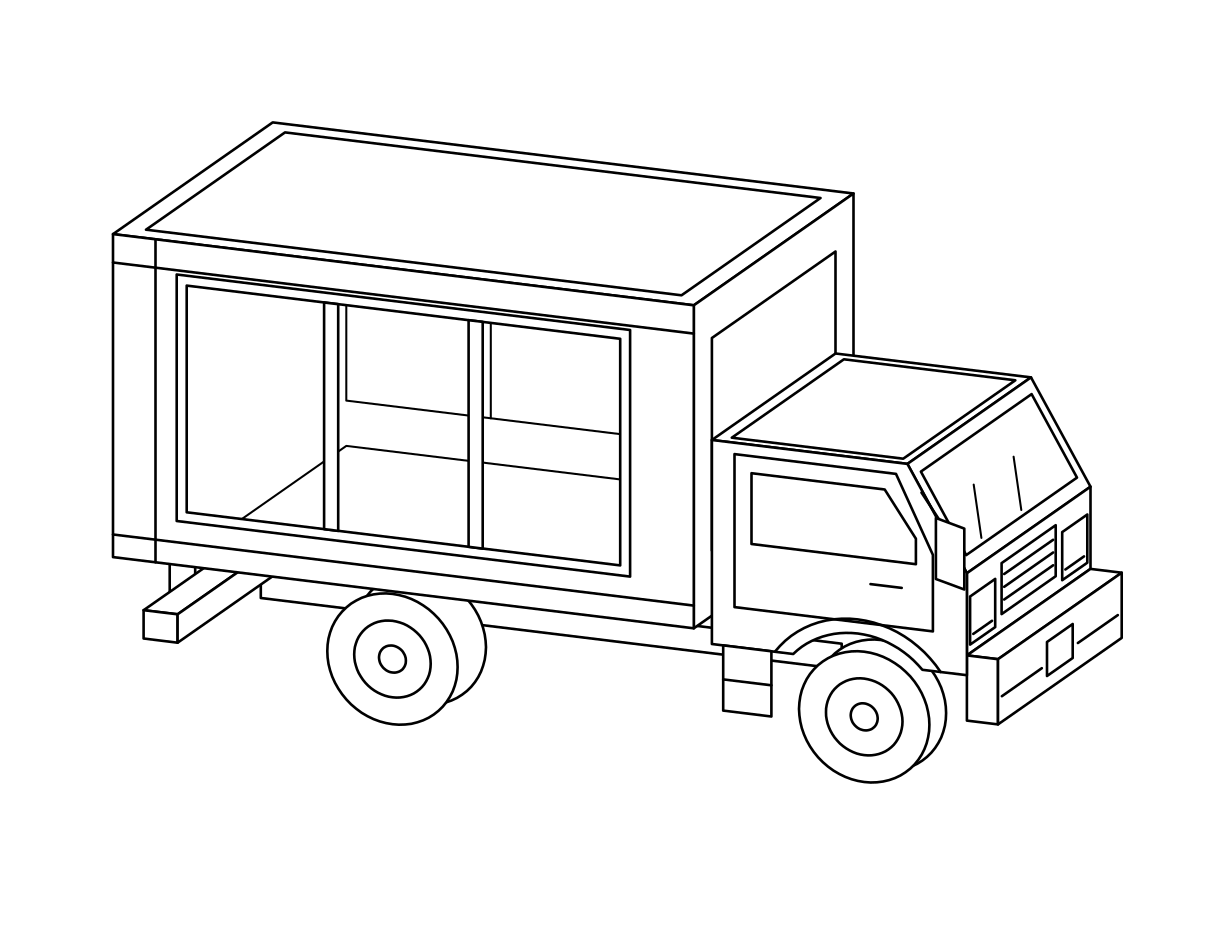
Guerrilla marketing surprises and delights, so give your audience something they crave that goes beyond your logo, whether that is a food truck serving delicious eats or an experiential vehicle that doubles as an eye-catching billboard. Understanding yourself, knowing your audience, and being clear on the impact you want to make are at the heart of getting the results you want.

The Pros and Cons of Guerrilla Marketing

Like any strategy, guerrilla marketing has trade-offs worth weighing before you commit.

The advantages:

  • Budget-friendly compared to traditional advertising.
  • Powered by word of mouth, one of the most effective brand-awareness tools there is.
  • Capable of boosting publicity and communicating your brand ethos in a fresh way.
  • Highly shareable, which can turn a local stunt into national reach.

The risks:

  • Without clear communication, the message can be muddled or misunderstood.
  • Bold and contrarian ideas can alienate part of your audience.
  • Outdoor and event activations may require permits and careful logistics.
  • Results can be hard to predict, so execution has to be tight.

Guerrilla Marketing in Action

A great guerrilla campaign turns a brand message into a moment people remember. As one example, Chanel partnered with us to extend its “Le Rouge Chanel” pop-up onto the streets of Manhattan, stationing vintage vehicles dressed as a red winter wonderland outside its storefronts and serving complimentary hot cocoa to shoppers. The activation served thousands of cups, drove millions of impressions, and connected the brand with its target audience in a way a standard ad never could. That is the goal of any brand activation: take the brand off the screen and into real life.

How to Measure a Guerrilla Marketing Campaign

A guerrilla campaign should be built to be measured, not just enjoyed. Set your metrics before launch, then track them during and after:

  • Impressions and reach: how many people saw the activation in person and online.
  • Social engagement: hashtag use, shares, tags, and user-generated posts.
  • Earned media: press pickups and organic coverage.
  • Foot traffic and interactions: how many people engaged, sampled, or stopped.
  • Conversions: QR scans, sign-ups, promo-code redemptions, and sales.

Tie each metric back to your original goal so you can prove the return and improve the next campaign.

The Bottom Line

A strong guerrilla marketing strategy lets you experience marketing in the most fun and creative way possible while driving real results. Keep it true to your brand, build it to be shared, weigh the risks, and measure what matters. If you want help bringing a bold idea to life on the streets, contact us to plan your next guerrilla marketing activation.

FREQUENTLY ASKED QUESTIONS

Guerrilla marketing is an unconventional, low-cost strategy that uses surprise and creativity to win attention and spark word of mouth, instead of relying on expensive traditional ads. The term was coined by Jay Conrad Levinson in 1984.

A guerrilla marketing strategy is the plan behind the stunt: your core message, your audience, the unconventional tactic you will use, and how you will measure it. The campaign itself is one part of that larger strategy.

The main types are street, indoor, ambient, and ambush marketing, plus stealth or user-generated approaches. Street and ambient use public space, indoor works inside venues, and ambush taps the crowd at large events.

It cuts through the noise. Customers see countless ads a day, so a surprising, creative moment stands out, gets shared, and builds word of mouth. It delivers high impact without a large media budget.

It is one of the most cost-effective approaches because it relies on creativity and word of mouth rather than paid media. That said, execution, fabrication, permits, and staffing still carry costs, so budget for doing it well.

Classic examples include Bounty’s life-sized street messes, Bic’s giant razor cutting through grass, and Fitness First’s weight-revealing bus bench. Mobile activations, like a branded vehicle serving free samples on a busy corner, are another popular form.

The message can be misunderstood without clear communication, bold ideas can alienate some people, outdoor activations may need permits, and results can be hard to predict. Tight execution and a brand-true concept reduce the risk.

Traditional marketing buys attention through paid channels like print, TV, and digital ads. Guerrilla marketing earns attention through unexpected, creative tactics in the real world, usually at a fraction of the cost.

Track impressions and reach, social engagement and shares, earned media, foot traffic and interactions, and conversions like QR scans, sign-ups, and sales. Set these metrics before launch and tie them to your goal.

Start with what makes your brand stand out and what your audience craves, then choose a tactic that fits both. From there, an experienced partner can handle the creative, fabrication, permits, and logistics. Reach out to FTP to plan your activation.

MORE POSTS
FOLLOW US ON INSTAGRAM
7 Ambush Marketing Campaigns for Brand Growth