Tailored Pop-Ups
for Every Occasion
Our mobile pop-up services are designed to match your brand and audience.
Customization is at the heart of everything we do
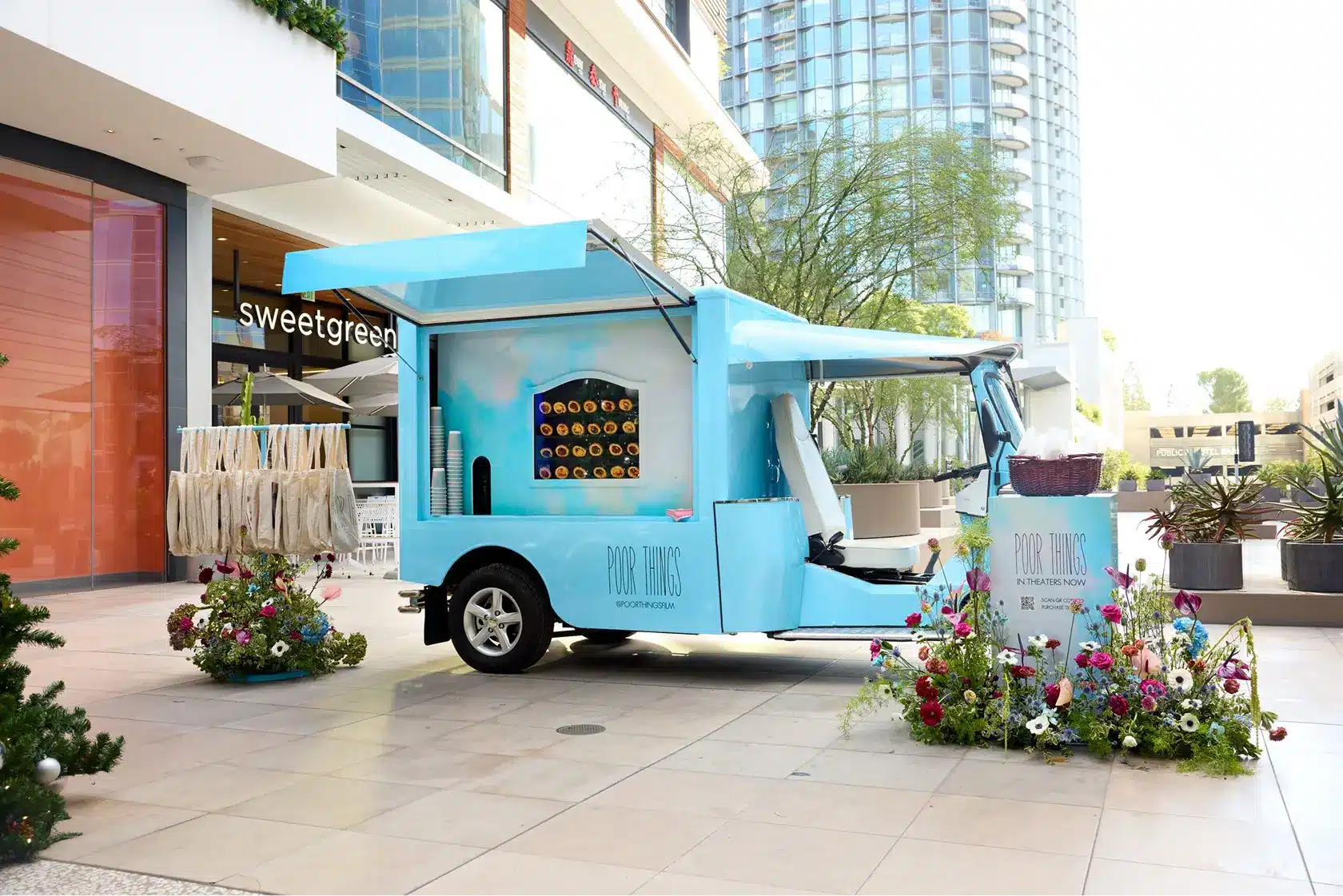
In today’s competitive landscape, brands must do more than simply exist. They must also know how to move. And what better way to put your brand in motion, literally and figuratively, than with mobile marketing vehicles? From classic food trucks and colorful tuk tuks to sleek Airstream vans and transparent glass trucks, these roving billboards bring brand awareness into high-traffic zones, event hotspots, and even neighborhood corners. Whether you are promoting a new product, launching a seasonal activation, or building community buzz, mobile marketing vehicles redefine experiential engagement while keeping budgets lean.
Mobile marketing vehicles are customized trucks, vans, carts, or trailers designed to showcase a product, service, or brand experience directly to an audience. Unlike static billboards or digital ads, they bring the brand to life in tangible, interactive ways, traveling to where customers already are and inviting them to touch, taste, and engage in person. They double as a branded vehicle and an experiential marketing platform in one.
Let’s look at the six powerful ways mobile marketing vehicles change how brands and audiences experience advertising, creating real impact while giving customers a genuine experience with the products they care about.
Custom mobile marketing vehicles offer a rare advantage: freedom of movement. You are no longer tied to a fixed storefront or generic ad placement. Instead, your promotional hub travels directly to your audience’s turf. For example:
For example:
This ability to adapt your route and setup to specific demographics, events, or neighborhoods makes mobile vehicles ideal for hyper-local outreach across your target locations. It is marketing that meets the moment, every time.
Our mobile pop-up services are designed to match your brand and audience. Customization is at the heart of everything we do. Start your campaign today.
Our mobile pop-up services are designed to match your brand and audience.
Customization is at the heart of everything we do
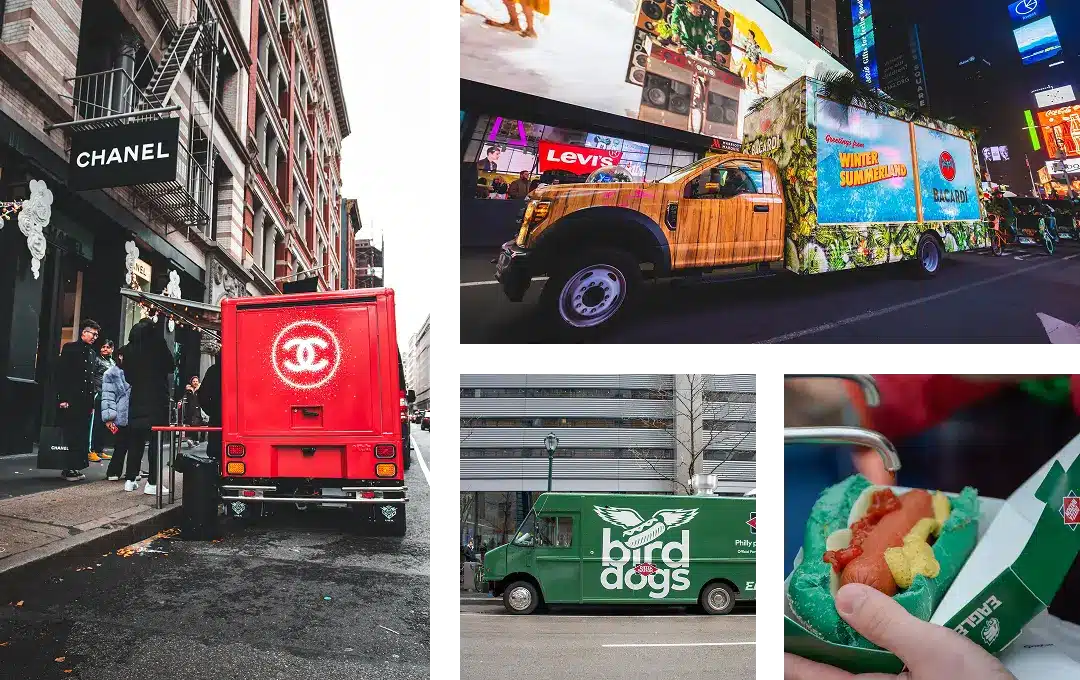
Imagine your message wrapped around a shiny Airstream van or popping on a neon-lit food truck, making a bold, colorful, unforgettable impression. Mobile marketing vehicles offer a huge surface area and the creative freedom to turn heads on the street and in social feeds. Unlike static billboards or digital banners, these moving canvases demand attention.
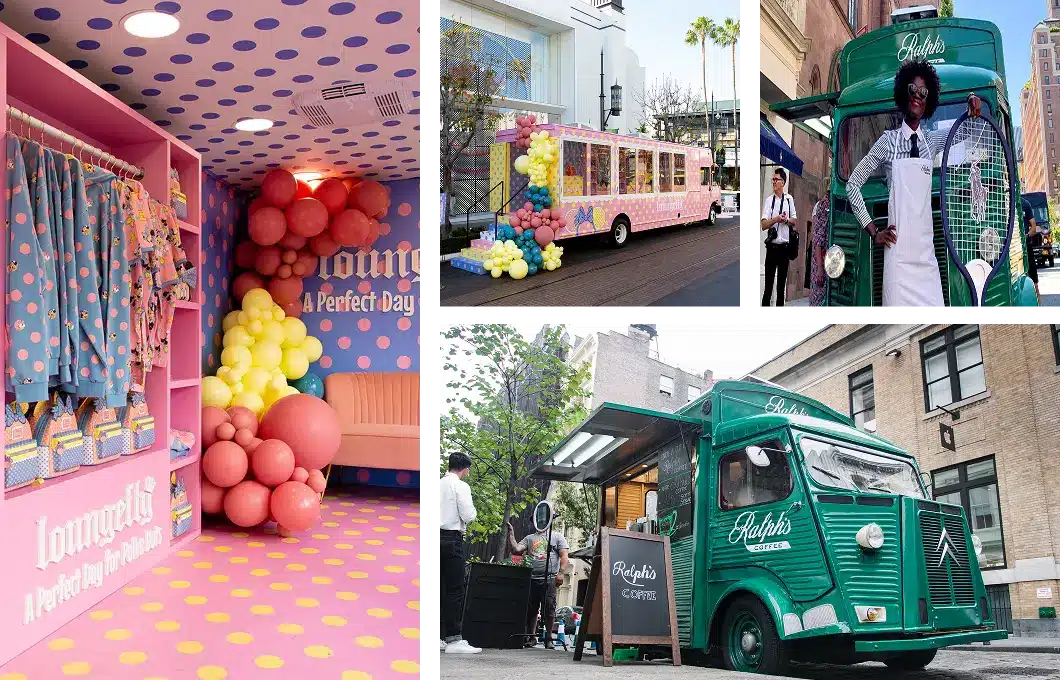
Whether they’re parked in a high-foot-traffic area or cruising through town, here are some of the ways they stand out:
Your brand does not just advertise. It travels, entertains, and engages. For visibility that goes viral, this is branding on wheels done right.
Mobile marketing vehicles are not just for passive viewing. They are gateways to interactive experiences. Whether you are serving coffee samples from a vintage trailer or hosting a VR station inside a tricked-out truck, the medium invites curiosity and exploration. Think of mobile units as mobile showrooms that bring your brand to life through experiences customers can touch, taste, hear, and see, right in their own communities.
Think of mobile units as mobile showrooms — they bring your brand to life through immersive experiences that consumers can touch, taste, hear, and see, right in the heart of their own communities.
Here’s what they make possible:
And because everything happens right at street level, it’s easy to attract spontaneous foot traffic and create lasting impressions. You turn everyday city corners into brand playgrounds—with very real returns.
Because everything happens at street level, it is easy to attract spontaneous foot traffic and create lasting impressions. You turn everyday city corners into brand playgrounds, with very real returns. To see more interactive setups, explore how experiential vehicles are used across industries.
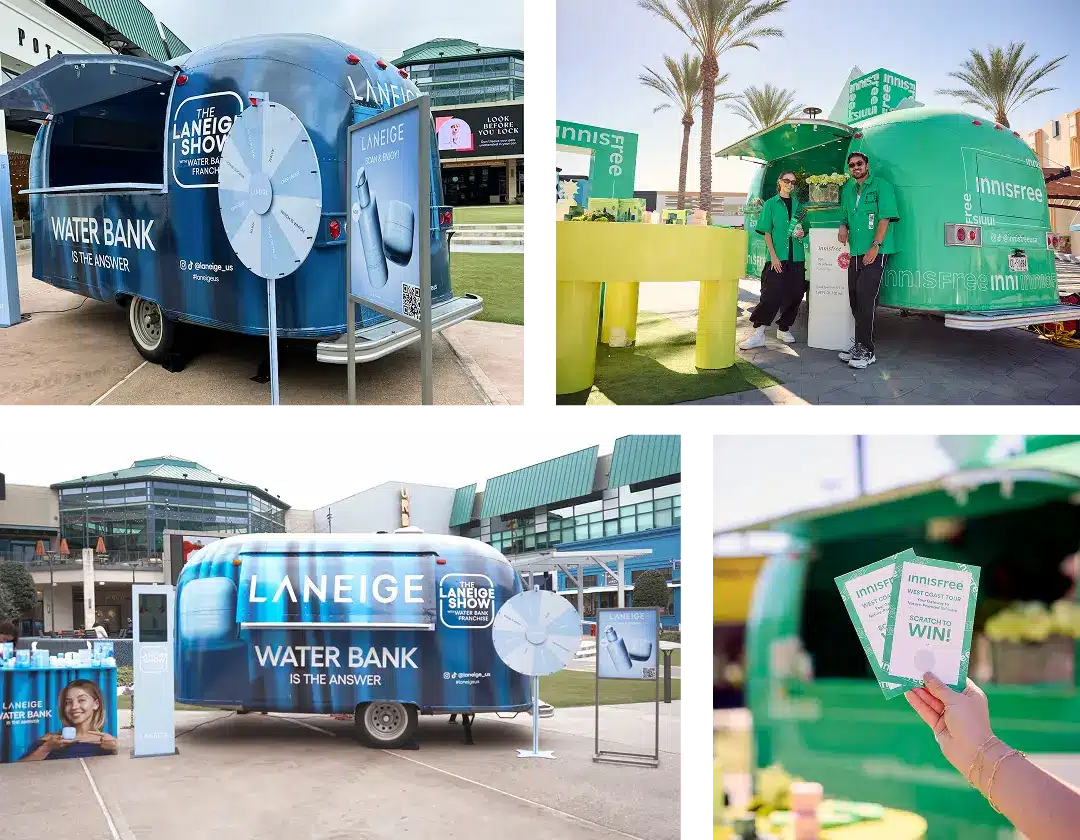
Unlike traditional advertising, custom marketing vehicles let brands talk directly with real people. That face-to-face engagement delivers value beyond brand awareness, and insights a one-dimensional ad cannot.
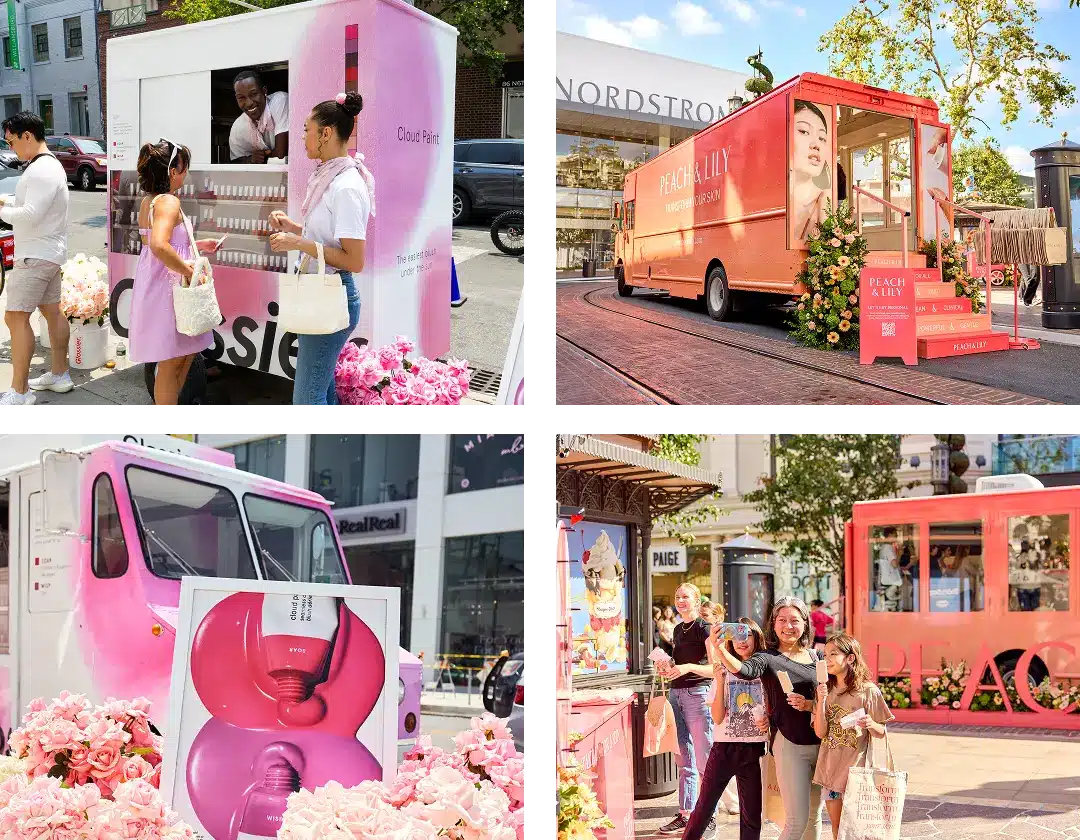
It also offers insights that go beyond what a one-dimensional ad can deliver.
With the right setup, you can:
When you invest in a mobile marketing vehicle, your team gets immediate feedback on your messaging and branding. It is a goldmine for shaping future campaigns with real-world input, not just analytics.
Create unforgettable mobile pop-ups that captivate audiences and drive engagement. Launch your brand experience.
Create unforgettable mobile pop-ups that captivate audiences and drive engagement. Let’s turn your vision into reality
Experiential marketing vehicles pack a major punch without draining your ad budget. Unlike fixed retail builds or expensive media buys, these campaigns scale based on vehicle type, route plan, and staffing:
Unlike fixed retail builds or expensive media buys, these campaigns scale based on vehicle type, route plan, and staffing.
This makes a mobile marketing tour especially appealing for emerging brands, startups, and seasonal campaigns. You are not investing in a permanent retail footprint. Instead, you activate wherever impact is highest, with total budget control.
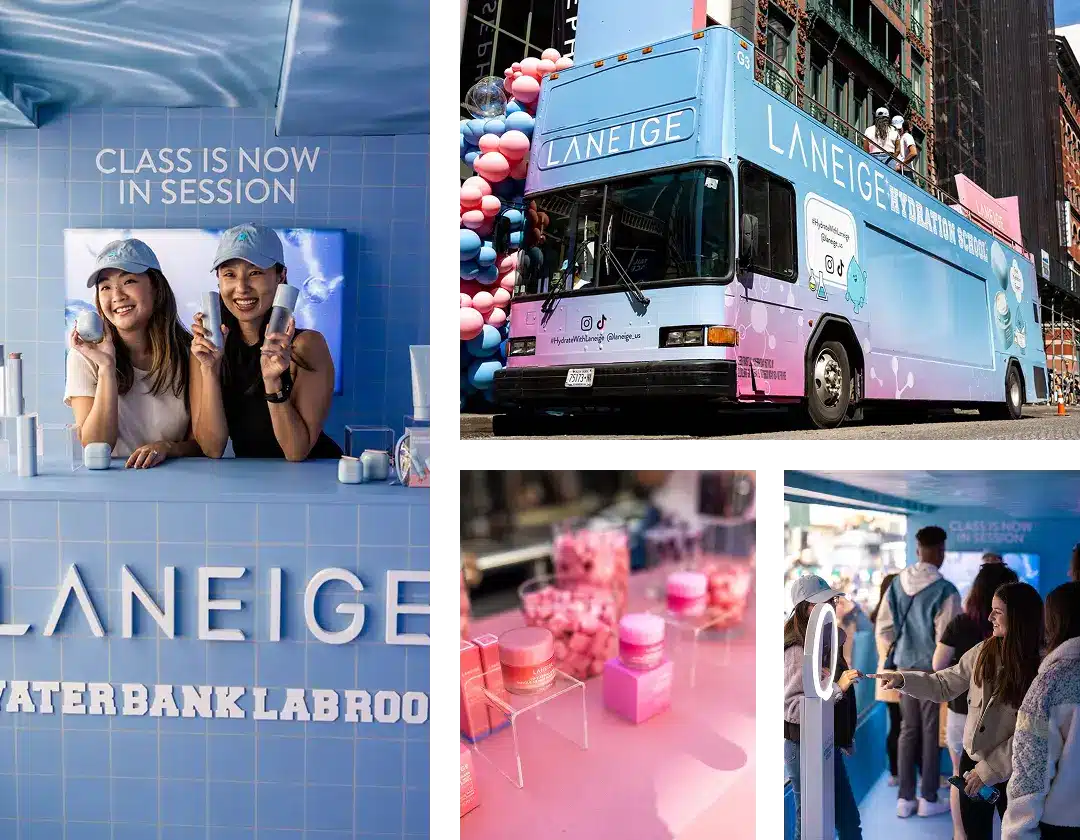
Mobile marketing vehicles aren’t limited to one audience or one event.
With a flexible vehicle and branding setup, here are some ways you can pivot across multiple channels and objectives:
Best of all, each location offers a unique engagement angle. A rooftop ice cream tasting from a branded van works at a family fair. That same van might host a sleek cocktail lounge at an after-hours industry mixer. The experience evolves, but your branding stays consistent and memorable.
Transform your brand into an experience your audience won’t forget. From food trucks to immersive pop-ups, we’ve got you covered.
There is no one-size-fits-all option. The right experiential vehicle depends on your brand, budget, and goals. Common types include:
With so many formats, the right choice comes down to a few questions:
A great activation should be built to be measured. Decide on your metrics before launch, then track them on site and afterward:
Tie each metric back to your goal so you can prove the return and improve the next campaign.
In experiential marketing, mobility equals impact, and the right vehicle turns your brand into an unforgettable experience. Whether it is a custom-wrapped food truck serving samples, a charming tuk tuk adding character to your campaign, or a stunning glass truck showcasing your latest product, we deliver brand activations that captivate.
We specialize in mobile activations that go beyond impressions. Our vehicles spark conversation, build connections, and leave lasting brand memories. With customizable options and strategic deployment, we help you meet your audience wherever they are. Ready to shift your brand into high gear? Contact us and let us take your vision on the road. For more ideas, explore how experiential marketing trucks can elevate your next campaign.
Our vehicles spark conversation, build connections, and leave lasting brand memories.
A mobile marketing vehicle is a customized truck, van, cart, or trailer built to showcase a product, service, or brand experience directly to an audience. Unlike static ads, it travels to where customers are and invites them to interact in person.
Common types include food trucks, food carts, tuk tuks, Citroens and vintage vans, Airstreams, and glass trucks. Each suits different goals, from sampling and culinary activations to product reveals and mobile showrooms.
A branded vehicle travels to high-traffic locations, events, or neighborhoods and acts as a moving billboard and an interactive hub. Customers can sample products, join demos, enter contests, and share the experience on social media.
The big ones are hyper-local targeting, high-impact visual branding, built-in experiential engagement, direct feedback and data collection, cost-effective campaigning, and versatility for cross-promotion across events and channels.
Cost scales with the vehicle type, route plan, number of markets, length of the activation, and staffing. A food cart or tuk tuk costs less than a multi-city Airstream tour. The best approach is to scope the campaign to your goal and budget.
Yes. They avoid the expense of a permanent retail build or large media buy, and they scale to your needs. Short-term leases let you experiment, which makes them appealing for startups and seasonal campaigns.
Beauty, food and beverage, fashion, tech, and lifestyle brands use them heavily, but almost any brand can benefit. The key is a product or story that becomes more compelling when customers experience it in person.
Track foot traffic and interactions, lead capture through QR scans and sign-ups, conversions from promo codes or sales, social reach through hashtags and shares, and earned media. Set the metrics before launch and tie them to your goal.
A billboard is static and one-way. A mobile marketing vehicle moves to your audience, invites interaction, and creates a live, shareable experience, which drives deeper engagement and stronger recall than passive viewing.
Define your goal, audience, and the format that fits both, then plan your route and timing. An experienced team can handle the design, fabrication, permits, and staffing. Reach out to FTP to plan your activation.

CEO @ FTP Agency
Benjamin H. Goldberg is passionate about bringing brands to life on the streets. As CEO of Food Truck Promotions and co-founder of the New York and Los Angeles Food Truck Associations, he helps create unforgettable mobile experiences that blend great food, creative branding, and meaningful connections with audiences everywhere.
We use and share personal information through cookies and similar technologies on our sites to personalize your shopping experience and ads. Others may use this information for their own marketing and business purposes. . Check our Privacy Policy for more details.
Browser Opt-Out Honored
We use and share your personal information with others to personalize your shopping experience and show you targeted ads on other sites based on your interests and online activities.
Online Info includes cookies, pixel tags, and similar technologies connected to your browser or device. Offline Info includes information associated with your email address based on your other interactions with us.
We use and share your personal information with others to personalize your shopping experience and show you targeted ads on other sites based on your interests and online activities. Information includes cookies, pixel tags, and similar technologies connected to your browser or device (Online Info), as well as information associated with your email address based on your other interactions with us (Offline Info). Others may use this information for their own marketing and business purposes.
You can choose to opt out of sharing one or both types of information.