Top Guerrilla Marketing Campaigns: Examples and How They Work

By: David Botbol 9 min read

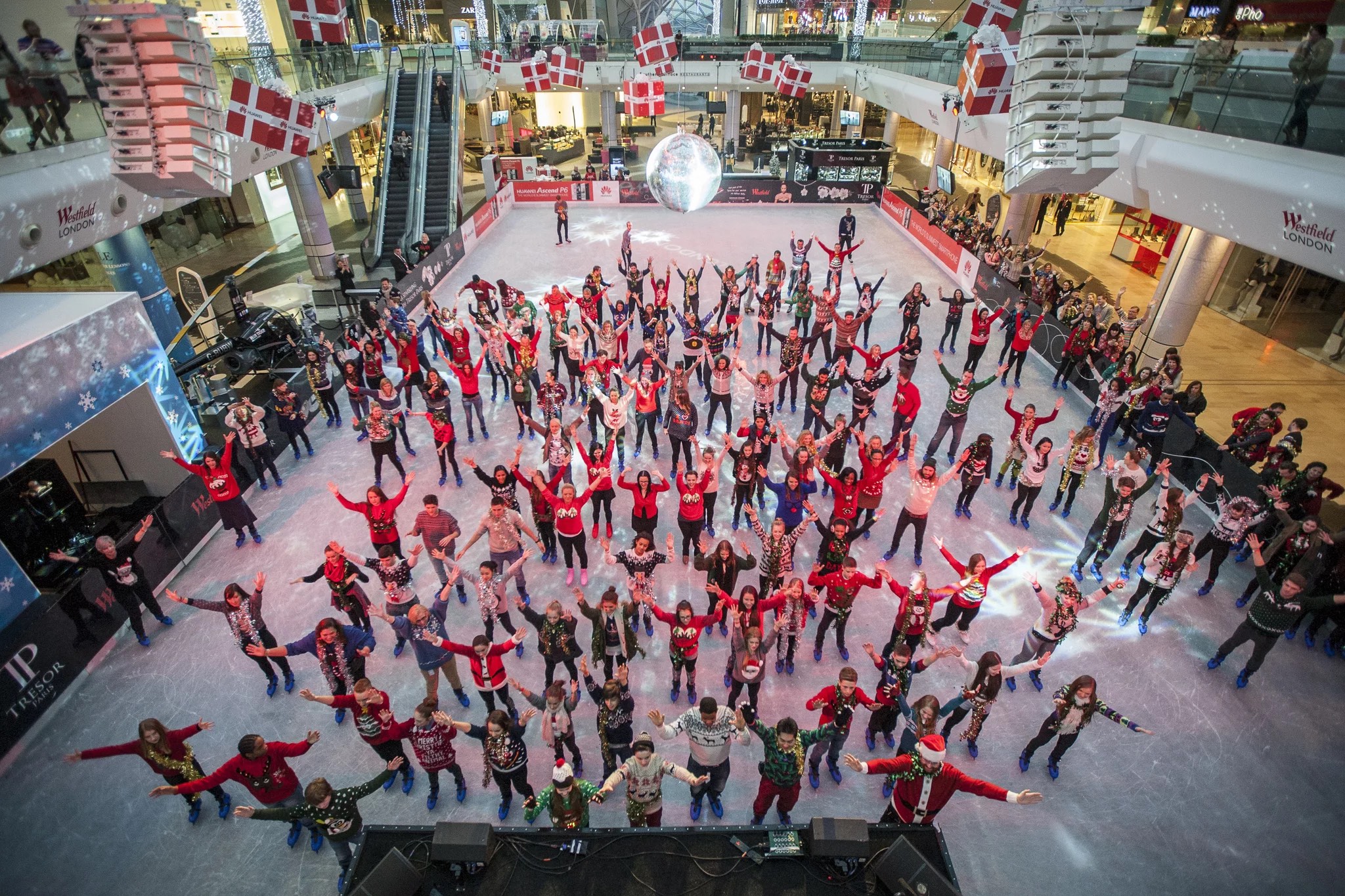
Flash Mob Guerrilla Marketing Campaigns

Guerrilla marketing campaigns earn attention instead of buying it. Rather than paying for another banner ad in a feed people scroll past, a guerrilla campaign shows up somewhere unexpected, in a form worth stopping for and worth sharing. Done well, it reaches a market many times larger than the crowd that was actually there.

The term covers everything from street art and flash mobs to publicity stunts and branded vehicles, but the common thread is always the same: reach people in a way traditional advertising cannot, usually for a fraction of the cost. This guide explains what guerrilla marketing is, why brands of every size use it, and walks through real campaigns, including three we produced, that show the approach in action.

Key Takeaways

  • Guerrilla marketing earns attention rather than buying it: The reach comes from people stopping, filming, and sharing, which spreads the campaign far beyond the crowd physically present.
  • It works for brands of any size: Household names use it to stay fresh, and unknown brands use it to get noticed. The tactic does not depend on a big budget or a famous name.
  • The unexpected is the entire mechanism: A campaign that surprises people cuts through a market where every competitor is fighting for the same digital attention.
  • Cost-efficiency is a core advantage: Guerrilla campaigns often cost less than traditional media while generating outsized earned media and social reach.
  • Location and timing carry the creative: Where a guerrilla activation happens, and when, matters as much as the idea itself. The right corner at the right moment is half the campaign.

What is Guerrilla Marketing?

Guerrilla marketing is the use of unconventional, low-cost, high-impact tactics to build awareness and connect with customers. The name borrows from guerrilla warfare: small, fast, unexpected moves that let a smaller force punch above its weight against a much bigger one. In marketing terms, it means creativity and surprise doing the work that a huge media budget would otherwise do.

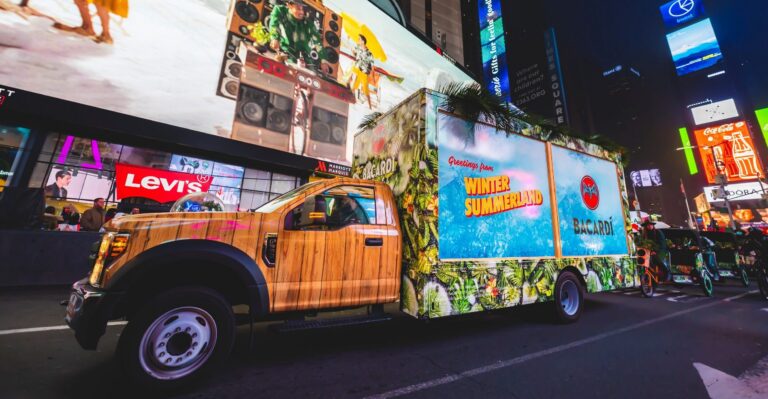
In practice, a guerrilla campaign can take almost any form: street art, a flash mob, a publicity stunt, a viral video, or a branded vehicle turning up where no one expected it. What unites them is that they reach people in a way that feels distinct from traditional advertising, create a genuine in-person moment, and often cost far less than a conventional media buy. It is a close cousin of event marketing, but instead of paying to be inside an event, guerrilla marketing creates its own.

More specifically, a guerrilla marketing campaign can mean anything from street art, flash mobs, publicity stunts, and viral videos. Though all of those specific approaches are different from one another, what all of these tactics have in common is that they reach consumers in ways that are wholly unique and distinct from traditional marketing practices, and perhaps less of a financial burden too. It’s a form of event marketing that relies less on the financial backing and planning involved of hosting an event while capitalizing on the possibility of entertaining a crowd and connecting them to your brand.

Why Brands Use Guerrilla Marketing

Guerrilla marketing is one of the most efficient ways to build a real connection with customers, and it suits brands at opposite ends of the spectrum for different reasons.

It Keeps Established Brands Fresh

Even a household name has room to reach its audience in a new way. Big brands like Ralph Lauren use guerrilla tactics, from unexpected installations to attention-grabbing stunts, to shift or refresh how customers see them. When a brand is already familiar, the surprise of an unconventional campaign is what makes people look again, and it is a powerful tool for reintroducing or repositioning a brand voice.

Whether you’re looking to restructure or transform your brand voice, or simply to extend your brand to people in a different way, then guerrilla marketing is a great option for you.

It Puts New Brands on the Map

For an up-and-coming brand with less recognition, guerrilla marketing is one of the fastest ways to get noticed. In a world where nearly every competitor is pouring budget into the same crowded digital space, an unexpected real-world campaign cuts through precisely because it is not another online ad. It lets a smaller brand claim attention it could never afford to buy through traditional media.

Best Guerrilla Marketing Campaigns of 2026

Some of the most talked-about guerrilla campaigns in marketing history show just how far the approach can reach. These are not our campaigns, but they illustrate the principle perfectly.

1. JUST Egg

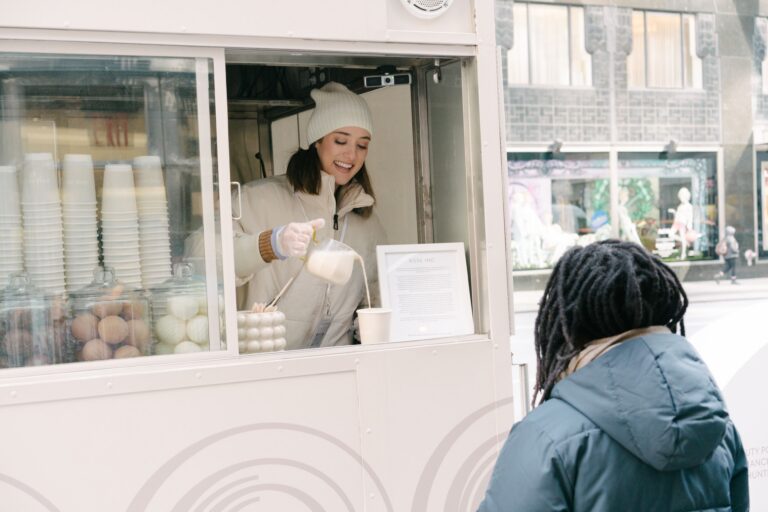
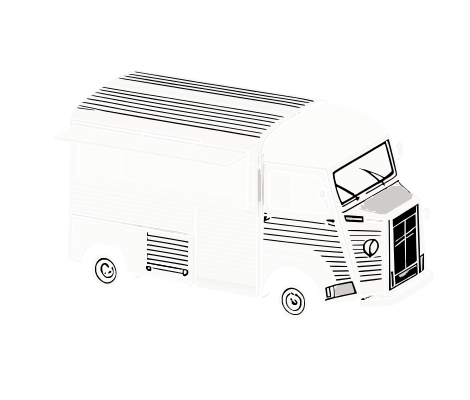
The plant-based brand enlisted us to turn one of our food trucks into a mobile billboard that drove its climate message around Washington, D.C. The build featured witty menu designs, clear calls to action, and an exterior that stopped people and left them thinking about their own consumption. Timed to Earth Day, the campaign reached the vegan and vegetarian community while encouraging others to cut back on meat and dairy, proving how an experiential vehicle can carry a cause as effectively as a product.

2. Amazon Music x Bad Bunny: Helado for a Record-Breaking Album

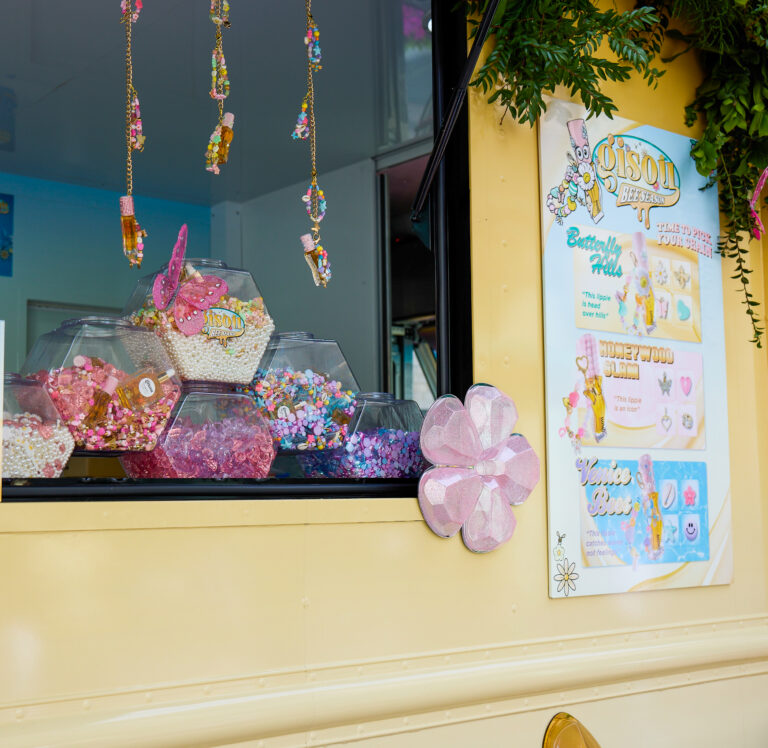
To promote Bad Bunny’s album Un Verano Sin Ti, Amazon Music wanted more than an online push. They came to us, and we handed out complimentary Puerto Rican helado from vehicles wrapped in the album’s art across New York City and Chicago. An immersive, in-person moment like this earns attention that a digital ad cannot, connecting fans to the music through a real experience. The album went on to become the most-streamed album in Spotify’s history, and the activation met that cultural moment where fans actually were.

3. Travel Texas: Bringing BBQ to a New York Street Corner

How do you get New Yorkers thinking about Texas? During National BBQ Month, we branded a vehicle and served complimentary Texas brisket on a New York street corner, with branded seating so guests could sit and take in the full experience. A QR code sent them straight to the Travel Texas website to plan a trip. The campaign turned a free meal into website traffic and a memorable brand impression, all built around the line, it is not May, it is BBQ Month.

In order to drive traffic to the website, Food Truck Promotions branded a vehicle and served up delicious complimentary briskets on a NYC street corner. Outside of the truck, people could enjoy their food on the branded seating areas to have an even more immersive experience.

The Bottom Line

Guerrilla marketing works because it does the one thing traditional advertising cannot: it catches people off guard, creates a real moment, and earns attention worth sharing. The budget matters less than the idea, which is why a scrappy film campaign and a global album launch can use the same playbook and both break through. Whether you are an established brand looking to reconnect with your audience or a new one fighting to get noticed, an unexpected, well-placed campaign delivers reach a banner ad never will. The brands that win are the ones that pair a genuinely surprising idea with the location, timing, and execution to pull it off.

Frequently Asked Questions

Guerrilla marketing is the use of unconventional, low-cost, high-impact tactics to build awareness and connect with customers. It relies on surprise and creativity rather than a large media budget, showing up somewhere unexpected in a form worth stopping for and sharing. The name comes from the fast, unconventional tactics of guerrilla warfare.

Examples range from The Blair Witch Project’s fake-documentary campaign to IKEA installing furnished rooms in subway cars. Branded-vehicle activations are another form: we have run guerrilla campaigns for JUST Egg, Amazon Music, and Travel Texas, each using an unexpected mobile experience to reach customers in a way traditional advertising cannot.

Because it earns attention instead of buying it. A surprising, in-person moment cuts through a crowded media landscape where every competitor is fighting for the same digital space. People stop, photograph, and share what they did not expect, so the campaign reaches an audience far larger than the crowd that was physically present.

The 1999 film is one of the most cited guerrilla marketing case studies ever. Its team built the campaign around the idea that the footage was real, using a bare-bones website and missing-person flyers instead of a conventional ad push. Made on a reported production budget of roughly $35,000 to $60,000, the film went on to gross nearly $250 million worldwide, a return that made it a permanent reference point for low-budget, high-impact marketing.

Ambush marketing is a guerrilla tactic where a brand activates around an event it has not officially sponsored, reaching the assembled audience without paying for sponsorship rights. It works because the crowd is already there, and it lives or dies on placement, timing, and staying within the event venue’s rules.

Yes, and it is often ideal for them. Guerrilla marketing lets a lesser-known brand claim attention it could never afford through traditional media. Because the impact comes from creativity and surprise rather than budget, a small brand with a strong idea can generate reach that rivals much larger competitors.

Common forms include street art, flash mobs, publicity stunts, viral videos, ambient marketing, and branded-vehicle activations. They differ in execution but share a goal: reach people in an unexpected, memorable way. Branded vehicles are especially flexible, since they can bring the campaign directly to different neighborhoods and events.

Social reach and earned media usually matter most, because the crowd present was never the whole point. Track posts, shares, video views, press coverage, and website visits, and build a capture step into the activation, like a QR code or a hashtag, so the in-person moment connects to something you can report.

Usually, yes. Even though the activation should look spontaneous, it needs to be permitted, insured, and legal, or it risks being shut down before it generates any value. Requirements vary by city and location, which is one reason brands work with an experiential agency to handle the logistics.

Begin with a single idea worth stopping for, then choose the format, location, and timing that sharpen it. Plan the permits and the capture mechanism early. An experiential marketing agency handles the build, the vehicle, the permits, and the staffing so the moment looks effortless and actually runs.

FOLLOW US ON INSTAGRAM
David Botbol

Author

David Botbol

EVP, Managing Director @ FTP Agency

David Botbol thrives on turning bold ideas into real-world brand moments. As Executive VP and Managing Director of Food Truck Promotions, and a leader within the New York and Los Angeles Food Truck Associations, he draws on a background in business development and startups to help brands connect with audiences through creative, unforgettable mobile experiences.

More posts
What is Nostalgia Marketing and Why is it Important?