Why Event Marketing Vehicles Are a Smart Move for Brands

Forget conventional marketing campaigns. If you want your brand to do more than momentarily grab attention, event marketing vehicles are the right choice. Customizing an Airstream, a glass truck, or a food truck to fit your brand is a reliable way to turn heads and, more importantly, build real connections with the people you are trying to reach.

You may be wondering how. Event marketing vehicles maximize the impact of brand activations by creating stand-out, multi-sensory experiences, whether that is a mobile showroom, branded sampling, a mobile marketing tour, or live demos. How you customize the vehicle and design the experience depends on your company, your industry, your audience, and your call to action. That flexibility is a significant part of the appeal: these vehicles can be tailored to meet almost any business goal.

We have put hundreds of them on the street for brands like Zara, Ralph Lauren, and Loungefly. Below are the benefits, four campaigns that show the format working, and the practical steps to launch one of your own.

KEY INSIGHTS

Mobility is the whole advantage: A branded vehicle can occupy unconventional locations, follow your audience across a city, and run a multi-stop tour, none of which a fixed pop-up space can do.

Attention comes built in: A well-designed vehicle stops foot traffic on its own, which means the activation starts working before a single guest is greeted.

Every format has a job: Food trucks own sampling, glass trucks make the product the display, and Airstreams turn a storefront into a destination, so the vehicle should be chosen against the goal.

The vehicle is a content engine: These activations generate photography, video, and user-generated content that keeps earning reach long after the truck drives away.

  • Results depend on the plan, not the paint: Clear goals, the right agency, permits, staffing, and tracked KPIs are what separate a memorable campaign from an expensive parking job.

What Are Event Marketing Vehicles?

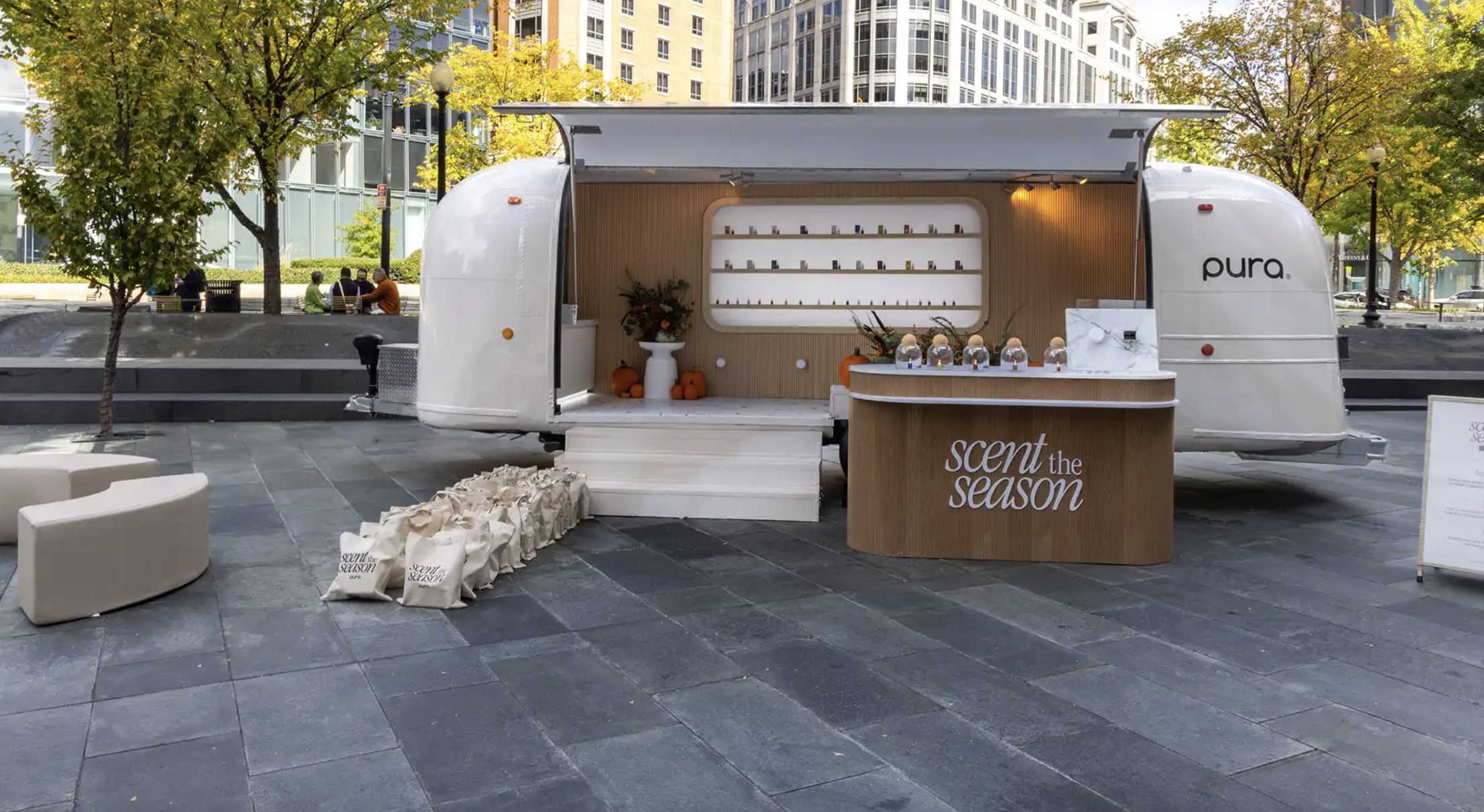
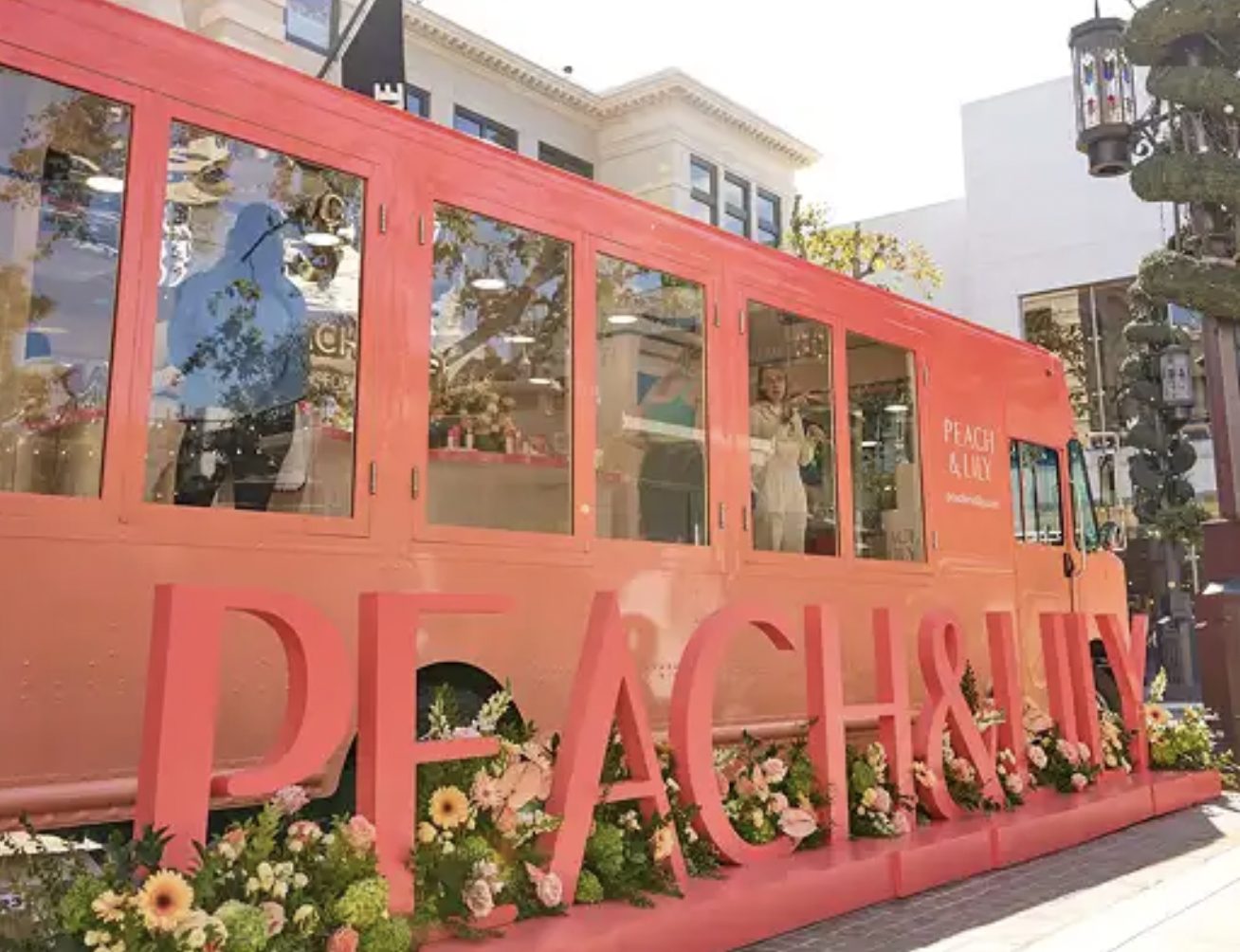
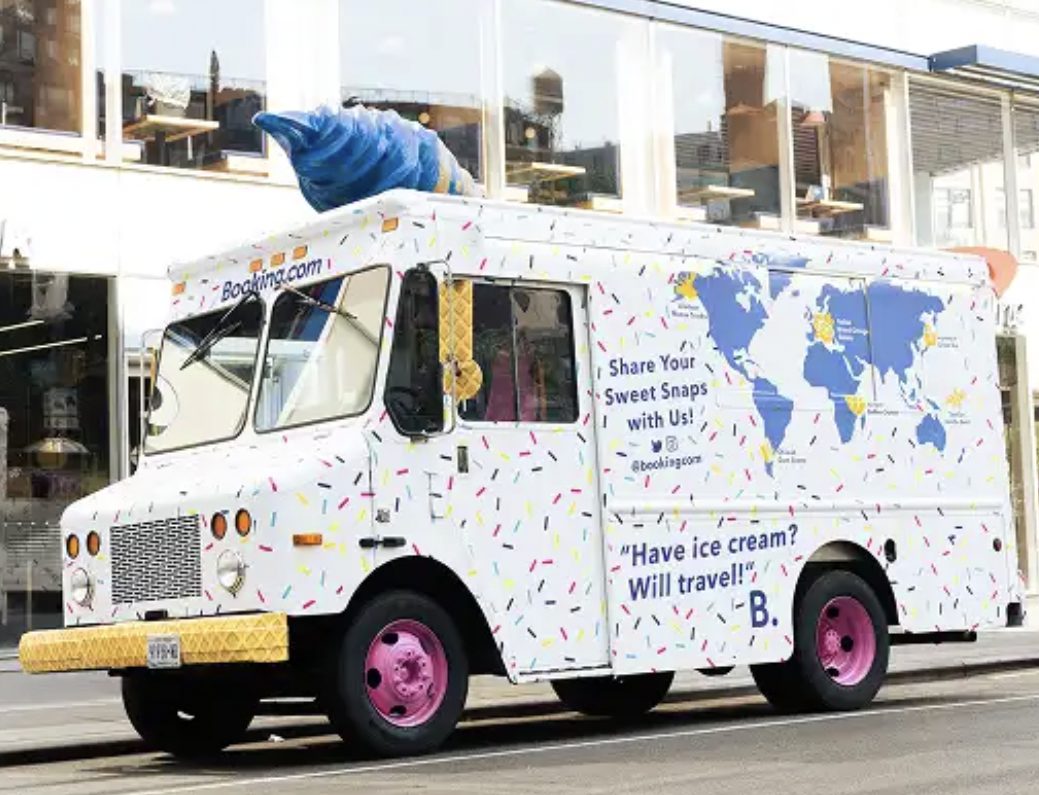
Event marketing vehicles are trucks, trailers, carts, and specialty vehicles that have been branded and built out to host a brand activation on location. Rather than a delivery van with a logo on the side, an event marketing vehicle is the venue itself: wrapped in the brand, fabricated inside for a specific experience, staffed with brand ambassadors, and parked wherever the target audience already is. Formats range from food trucks and glass trucks to Airstreams, vintage Citroens, buses, and carts.

The category is also known by a few other names. Promotional vehicles, experiential vehicles, and mobile marketing vehicles all describe the same thing, and you will see the terms used interchangeably across the industry.

Event Marketing Vehicles

BENEFITS OF USING EVENT MARKETING VEHICLES 

A mobile activation, meaning a brand activation built around an experiential or event marketing vehicle, works for several reasons at once. Here is what the format actually buys you.

They Get Noticed Immediately

Branded vehicles are inherently attention-grabbing, so brands get noticed quickly. A full wrap, dimensional signage, and a distinctive silhouette do the work of a billboard, except this billboard parks in the middle of your audience and hands them something.

They Unlock Locations You Cannot Lease

The mobility of a truck lets you occupy unconventional and exciting locations, which is the foundation of a great guerrilla marketing stunt. That produces an extra wow factor, as passersby stop to check out a promotional vehicle somewhere they never expected to find one. When we produced the mobile pop-up for Simon & Schuster’s release of Colleen Hoover’s It Starts With Us, we were able to surprise fans by activating near the iconic Rockefeller Center, and the line formed more than two hours before opening.

They Reach More People Per Dollar

If your campaign runs beyond a single day, the transportability of a promotional vehicle means you reach a wider audience from one build. That is a bigger return than a traditional, stand-still pop-up, because the same fabrication investment keeps working at every stop on the route.

They Generate Content Worth Sharing

A designed vehicle is a photo moment on wheels. The activation produces social content from your team and, more valuably, from guests, which extends the campaign’s reach far past the people who physically attended.

They Flex to Any Goal

Sampling, product launches, lead capture, retail support, and pure awareness all fit the format. The vehicle, the build-out, and the staffing simply change to match. That said, every promotional vehicle has its own pros and cons, which is why the format choice deserves real thought before anything gets wrapped.

Colleen Hoover "It Starts With Us" book release pop-up in Rockefeller Center

HOW OTHER BRANDS HAVE USED EVENT MARKETING VEHICLES

Four campaigns, four different jobs. Each one shows a different way the format earns its budget.

1. Mobile Marketing Tour: Dietz & Watson’s Bird Dog Truck

To show Dietz & Watson‘s love of the Eagles and feed their rowdy hometown fans during the playoff season, the brand created Bird Dogs: Dietz & Watson beef franks topped with chopped long hots, provolone, and crunchy fried onions, served in an Eagles green bun.

For weeks leading up to the Super Bowl, the Bird Dog truck made stops all over Philly to get fans excited while sampling the product and building positive association with the Dietz & Watson name. Using a food truck to hand out a high volume of free hot dogs, and naming the vehicle the Bird Dog Truck, was a strategic move that capitalized on the Eagles’ winning streak to build customer loyalty.

The takeaway: a tour lets you ride a cultural moment across an entire city rather than waiting for one crowd to come to you.

2. Mobile Showroom: Loungefly’s Polka Dot Glass Truck

Loungefly transformed a glass truck into a polka dot mobile showroom celebrating their polka dot collection on the same weekend as National Polka Dot Day. Beyond the eye-catching exterior, the glass truck gave passersby a clear view into the collection display inside, which was the focal point of the promotion.

Inside the truck, guests enjoyed a photo booth moment and free tea while browsing the Disney collection, with the chance to purchase items and win discounts. Mobile showrooms are a strong option when you want your audience to get an inside look at the brand through see-through glass walls.

The takeaway: when the product is the story, choose the vehicle that puts it behind glass.

3. Storefront Attraction: Ralph Lauren’s Airstream

Airstreams are an American classic and a show-stopping branded backdrop. Ralph Lauren has tried an eclectic mix of side ventures, from Ralph’s Coffee to Ralph’s Hot Dogs. At the brand’s flagship store on New York’s Upper East Side, a Christmas-themed Airstream trailer was stationed outside, serving hungry shoppers a selection of Ralph’s Hot Dogs and Ralph’s Caramel Corn.

This two-pronged approach of promoting street eats to a built-in audience already shopping the store made for an efficient strategy: the vehicle drew the sidewalk in, and the store closed the sale.

The takeaway: parking outside your own front door turns an activation into store traffic with almost no distance to travel.

4. Festival Activation: Zara x JustWater at World Pride

During Stonewall 50 and World Pride NYC, apparel retailer Zara and responsibly sourced water company JustWater partnered to celebrate with a colorful event marketing vehicle built to attract attendees.

We transformed a three-sided glass truck into a customized mobile showroom displaying a 3D Pride flag assembled from 9,000 multi-colored bottles of JustWater, and the vehicle kept festival-goers hydrated with a rainbow selection of complimentary beverages. The campaign translated into success online too, with over one million impressions on social media worldwide.

The takeaway: a partnership plus a designed installation turns a festival crowd into a million impressions.

Choosing the Right Event Marketing Vehicle

Every format above solved a different problem, which is the point. Food trucks bring a full kitchen and the highest sampling throughput. Glass trucks turn the entire vehicle into a display case, and they are striking at night with the interior lit. Airstreams and trailers offer walk-in space and retro-premium presence for residencies. Vintage Citroens, tuk tuks, and carts trade size for charm and fit sidewalks and plazas nothing else can reach. Buses and double-deckers hold multi-room brand worlds.

The fastest way to narrow it down is to run the campaign through three filters in order: the goal, the product, and the route. Choose the goal first and the vehicle almost picks itself.

2. Mobile Showroom: Loungefly’s Polka Dot Glass Truck

Loungefly transformed a glass truck into a polka dot mobile showroom celebrating their polka dot collection on the same weekend as National Polka Dot Day. Beyond the eye-catching exterior, the glass truck gave passersby a clear view into the collection display inside, which was the focal point of the promotion.

Inside the truck, guests enjoyed a photo booth moment and free tea while browsing the Disney collection, with the chance to purchase items and win discounts. Mobile showrooms are a strong option when you want your audience to get an inside look at the brand through see-through glass walls.

The takeaway: when the product is the story, choose the vehicle that puts it behind glass.

3. Storefront Attraction: Ralph Lauren’s Airstream

Airstreams are an American classic and a show-stopping branded backdrop. Ralph Lauren has tried an eclectic mix of side ventures, from Ralph’s Coffee to Ralph’s Hot Dogs. At the brand’s flagship store on New York’s Upper East Side, a Christmas-themed Airstream trailer was stationed outside, serving hungry shoppers a selection of Ralph’s Hot Dogs and Ralph’s Caramel Corn.

This two-pronged approach of promoting street eats to a built-in audience already shopping the store made for an efficient strategy: the vehicle drew the sidewalk in, and the store closed the sale.

The takeaway: parking outside your own front door turns an activation into store traffic with almost no distance to travel.

4. Festival Activation: Zara x JustWater at World Pride

During Stonewall 50 and World Pride NYC, apparel retailer Zara and responsibly sourced water company JustWater partnered to celebrate with a colorful event marketing vehicle built to attract attendees.

We transformed a three-sided glass truck into a customized mobile showroom displaying a 3D Pride flag assembled from 9,000 multi-colored bottles of JustWater, and the vehicle kept festival-goers hydrated with a rainbow selection of complimentary beverages. The campaign translated into success online too, with over one million impressions on social media worldwide.

The takeaway: a partnership plus a designed installation turns a festival crowd into a million impressions.

Choosing the Right Event Marketing Vehicle

Every format above solved a different problem, which is the point. Food trucks bring a full kitchen and the highest sampling throughput. Glass trucks turn the entire vehicle into a display case, and they are striking at night with the interior lit. Airstreams and trailers offer walk-in space and retro-premium presence for residencies. Vintage Citroens, tuk tuks, and carts trade size for charm and fit sidewalks and plazas nothing else can reach. Buses and double-deckers hold multi-room brand worlds.

The fastest way to narrow it down is to run the campaign through three filters in order: the goal, the product, and the route. Choose the goal first and the vehicle almost picks itself.

How to Launch an Event Marketing Vehicle

There are plenty of ways to make sure your investment earns its money back, but a few things matter more than the rest. Before booking an event marketing vehicle, make sure you:

Partner with an agency with proven experience

From planning and permits to experiential staff and insurance, researching and hiring the right agency is crucial. Ask to see campaigns like yours, not just a fleet list.

Outline clear goals and define what success looks like

Your activation continues long after the day-of event, so choose the right metrics to track, whether that is ROI, click-through rate, samples served, or leads captured.

Merge a distinctive strategy with data and KPIs

 Measuring against hard numbers keeps the conversation going long after the activation ends, and it is what gets the next one approved.

Start permits and logistics early

Location permits, insurance, and food or alcohol licensing vary by city and venue, and approval timelines are outside your control. Peak summer dates should be booked two to three months ahead.

Staff it with people who know the product

Brand ambassadors who can talk product, invite the photo, and capture data are the difference between a busy truck and a productive one.

Take Your Show on the Road

Event marketing vehicles give brands the chance to showcase their products, and themselves, on the street, close to events, inside festivals and trade shows, and directly where their audience already is. They are an optimal way to reach new customers, cultivate loyalty, and generate tens of thousands of brand impressions across traditional and social media.

By bringing your brand to the streets with an event marketing vehicle, you create a customized, in-person experience people remember. Think outside the box and you get a non-traditional platform that cuts through the noise, makes your message heard, and leaves an impression on loyal customers and new ones alike.

Food Truck Promotions’ Event Marketing Vehicles

Here at FTP, we have plenty of event marketing vehicles to choose from for your next campaign, and our team handles the build, the permits, the staffing, and the reporting as one production. Learn more about our services and get in touch to get started.

Zara World Pride NYC Truck

Transform Your Next Experience With Event Marketing Vehicles

By bringing your brand to the streets with an event marketing vehicle, your brand creates a customized, unforgettable, in-person experience. When you think outside-the-box, you have access to a non-traditional platform that cuts through the noise, makes you noticed, your message heard, and leaves lasting impressions with not only your most loyal customers, but new ones as well.

Food Truck Promotion’s Event Marketing Vehicles

Here at FTP, we have plenty of different event marketing vehicles to choose from for your next event marketing campaign. Learn more about our services and contact us to get started.

Frequently asked questions

Event marketing vehicles are trucks, trailers, carts, and specialty vehicles branded and built out to host a brand activation on location. The vehicle is the venue itself: wrapped, fabricated for a specific experience, staffed with brand ambassadors, and parked wherever the target audience already is.

Because mobility is an advantage no fixed space offers. A branded vehicle gets noticed instantly, reaches unconventional locations, follows your audience across a city or a tour, generates shareable content, and adapts to sampling, launches, lead capture, or retail support depending on how it is built.

Food trucks, glass trucks, Airstreams, trailers, vintage Citroens, tuk tuks, buses and double-deckers, and food carts. Each sets a different footprint and experience: kitchens for sampling, glass walls for display, walk-in space for showrooms, and compact formats for sidewalks and plazas.

Run the campaign through three filters in order: the goal, the product, and the route. Sampling at volume points to a food truck, product display points to a glass truck, demos and consultations point to an Airstream or bus, and tight urban placements point to carts or tuk tuks.

A mobile showroom is a vehicle built out as a display and demonstration space rather than a sales floor. Glass trucks are a popular choice because the transparent walls let people see the entire branded interior from across the street, exactly as Loungefly’s polka dot collection display did.

Extremely well, and it is one of the format’s strongest uses. A serving window creates a natural interaction point and moves high volume quickly, which is how Dietz & Watson handed out free Bird Dogs across Philadelphia for weeks leading up to the Super Bowl.

Yes, and touring is where the format compounds. One build carries an identical brand experience from city to city, so the fabrication investment keeps working at every stop. Route planning then becomes a strategic decision, sequenced around retail locations, events, and cultural moments.

Yes. Most cities require location permits and proof of insurance, food service adds health compliance, and alcohol requires licensing that varies by state, city, and venue. Start this workstream as soon as locations are shortlisted, since approval timelines are outside your control.

Set one primary metric before launch, then track everything against it: samples served, interactions, leads captured, promo redemptions, social reach, and press earned. Zara’s World Pride truck, for example, reported over one million social impressions worldwide against a pure awareness goal.

No. Most brands work with an experiential agency that owns and maintains a fleet, then designs and fabricates the build-out for the campaign. That removes storage, insurance, and maintenance, and it lets you choose a different format for every activation.

MORE POSTS
FOLLOW US ON INSTAGRAM
5 Brands Spreading Cheer With Experiential Marketing This Holiday Season