The Top 5 Holiday Experiential Marketing Campaigns That Inspired

By: Ashley Elarde 9 min read

holiday experiential marketing

Holiday experiential marketing has one advantage no other season offers: it is cold, people are outside anyway, and a hot drink is the most welcome thing anyone can hand them.

That is why the same mechanic keeps appearing across wildly different brands. A luxury fashion house, a spirits brand, and an on-demand delivery app have almost nothing in common, and in December they all give away hot chocolate.

Here are five holiday campaigns we produced, what each one did differently, and when to start planning if December is in your calendar.

Key Takeaways

  • The weather is the brief: something warm handed over on a cold street needs no explanation and rarely gets refused.
  • Luxury brands use the format most: when the product cannot be sampled on a pavement, the giveaway does the work instead.
  • Holiday districts concentrate the audience: shopping streets and markets assemble the crowd for you across a six-week window.
  • Counter-programming works: selling summer in December is a legitimate strategy when the season works against your product.
  • Book early: peak December placements and themed builds need eight to twelve weeks, so planning starts in autumn.

Why the Holidays Suit Experiential Marketing

Three things line up in December that do not line up at any other point in the year.

People are already out and moving. Shopping districts, markets, and tree lightings pull crowds into a small number of blocks for six straight weeks, which means an activation reaches an assembled audience rather than building one.

The giveaway is obvious. In July you have to think hard about what people want. In December they want to be warm, and a hot drink is accepted almost universally.

Spending intent is at its peak. People are shopping for other people, which makes a gift-adjacent brand experience considerably more relevant than the same activation in March.

For the format side, see our guide to holiday pop-up shop ideas, and for choosing the right season for your category, our guide to seasonal marketing.

Top Holiday Campaigns and What Each Did Differently

Here are the best holiday campaigns for capturing attention. 

1. Chanel Le Rouge

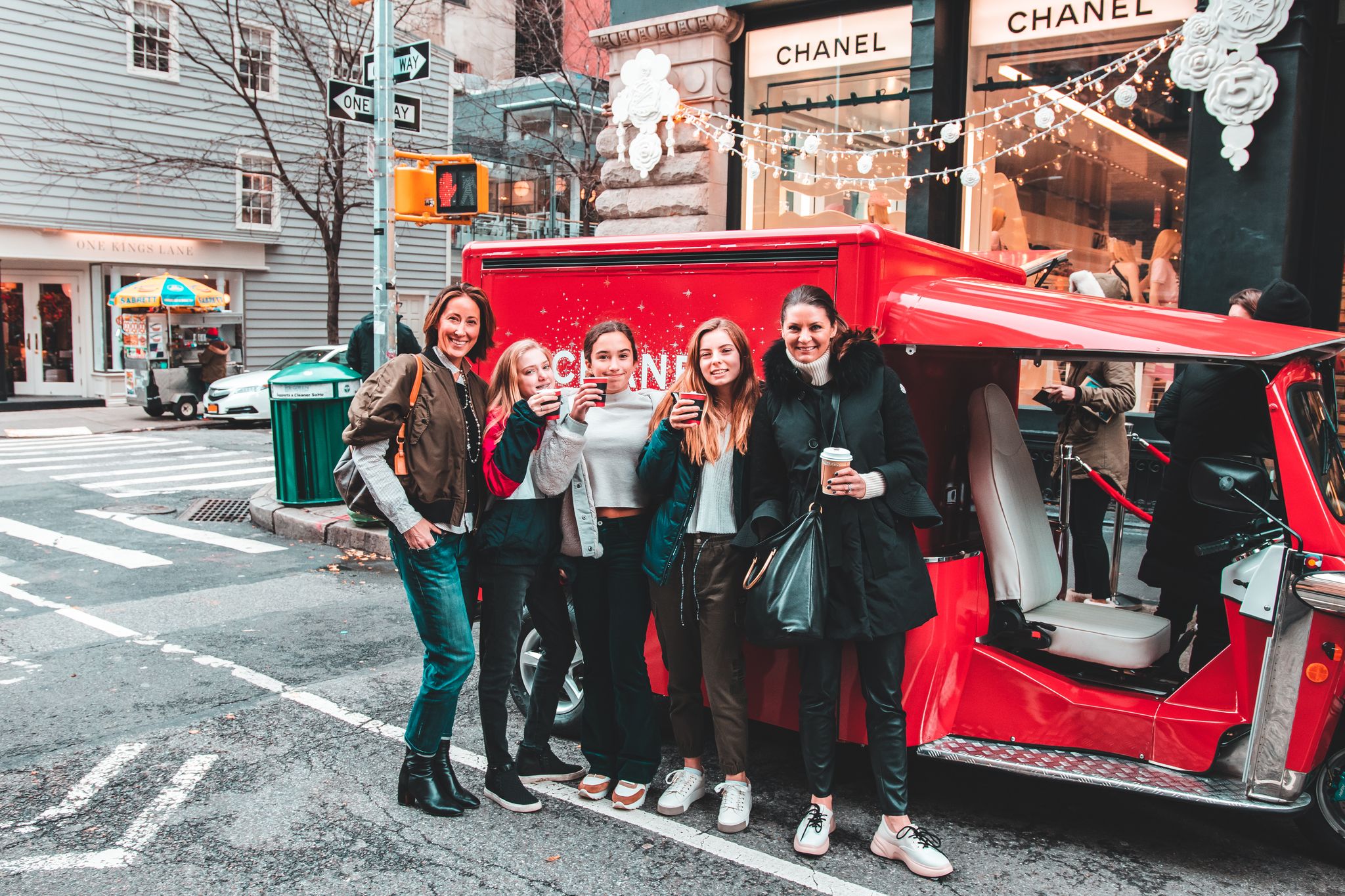
A month-long New York pop-up built entirely around the house’s signature red, serving a rich hot chocolate developed with our culinary team. The strongest performer on this list, and covered in full in the case study below.

2. Bacardi Winter Summerland

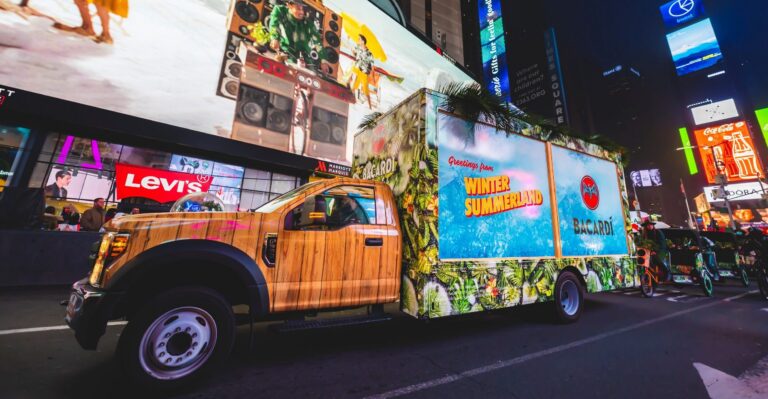
Bacardi had the opposite of a holiday opportunity. Rum sells slowly in winter, so rather than chasing the season the brand argued with it.

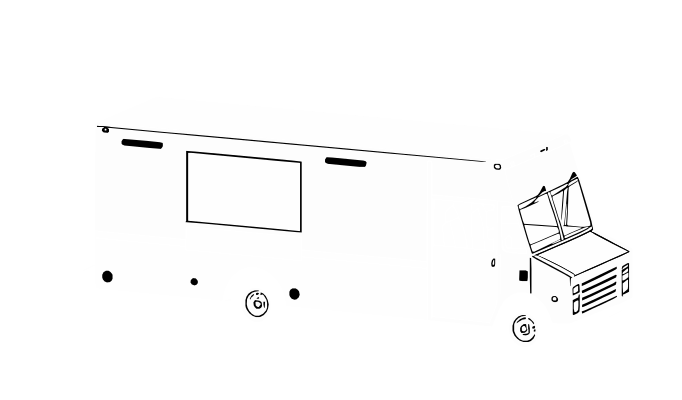
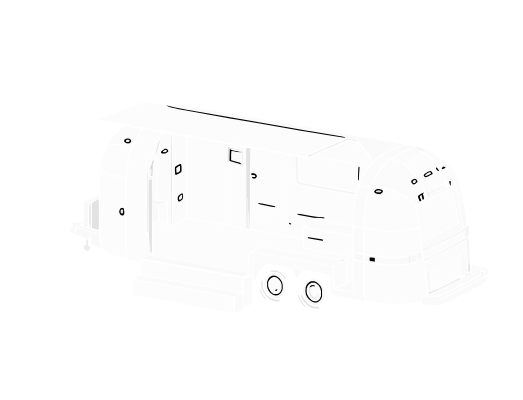
We designed and fabricated a glass truck fusing summer and winter, with faux frosted windows and palms and bamboo laid above shredded-cotton snow. It hit Times Square, Bryant Park, and the Columbus Circle Holiday Market, with Bacardi x Aviator Nation merchandise, last-minute holiday gifts including socks, sweatshirts, and candles, and surprise appearances from West Side Story actors.

What it did differently: counter-programming. The campaign addressed a genuine revenue problem instead of competing for attention in a crowded moment, and the contradiction was the reason people stopped. See the build in our Bacardi holiday case study.

3. Christian Louboutin

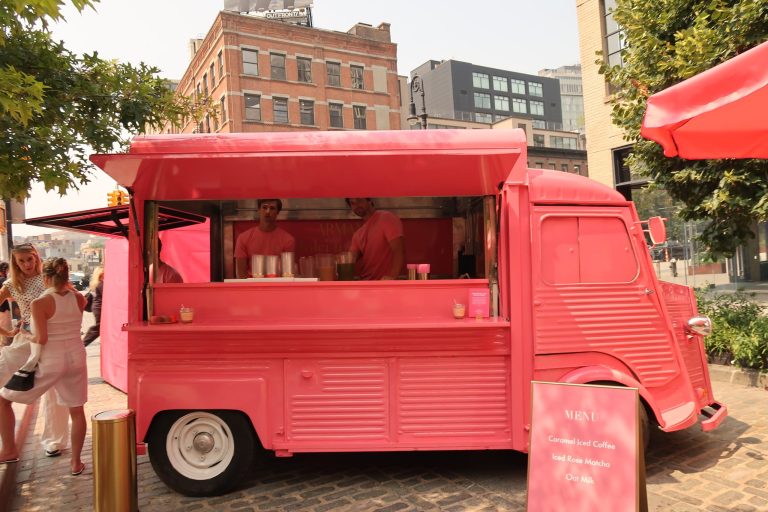
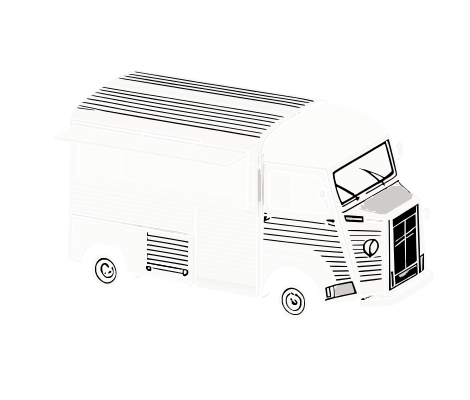
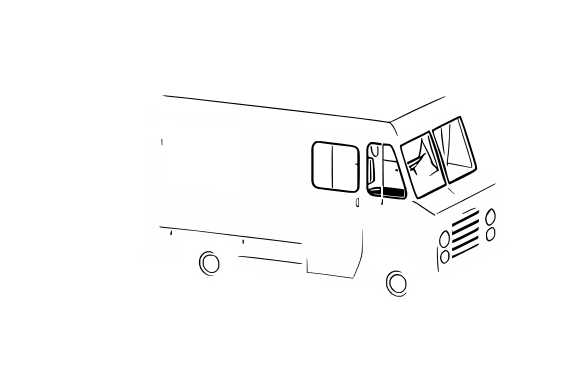
We built a bright red mobile creperie for Christian Louboutin, serving crepes and hot chocolate from a branded vintage vehicle on the streets of New York. The color was the entire point, matching the house’s most recognizable asset.

What it did differently: it drove store traffic rather than awareness. The activation pulled street traffic toward the boutique, which filled with customers as a result, and that is the hardest conversion in retail. Read the Christian Louboutin case study.

4. Miu Miu

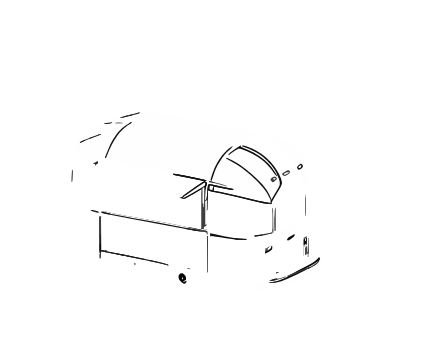
For Miu Miu we used a vintage E-tuk, chosen because its unconventional character suited the brand. The exterior carried the new graphic while the interior did double duty, serving gourmet hot chocolate on one side and displaying the season’s handbags on the other.

What it did differently: it combined giveaway and showroom in a single compact footprint, which is efficient use of a vehicle small enough to park where a truck cannot. Read the Miu Miu case study.

5. Gopuff

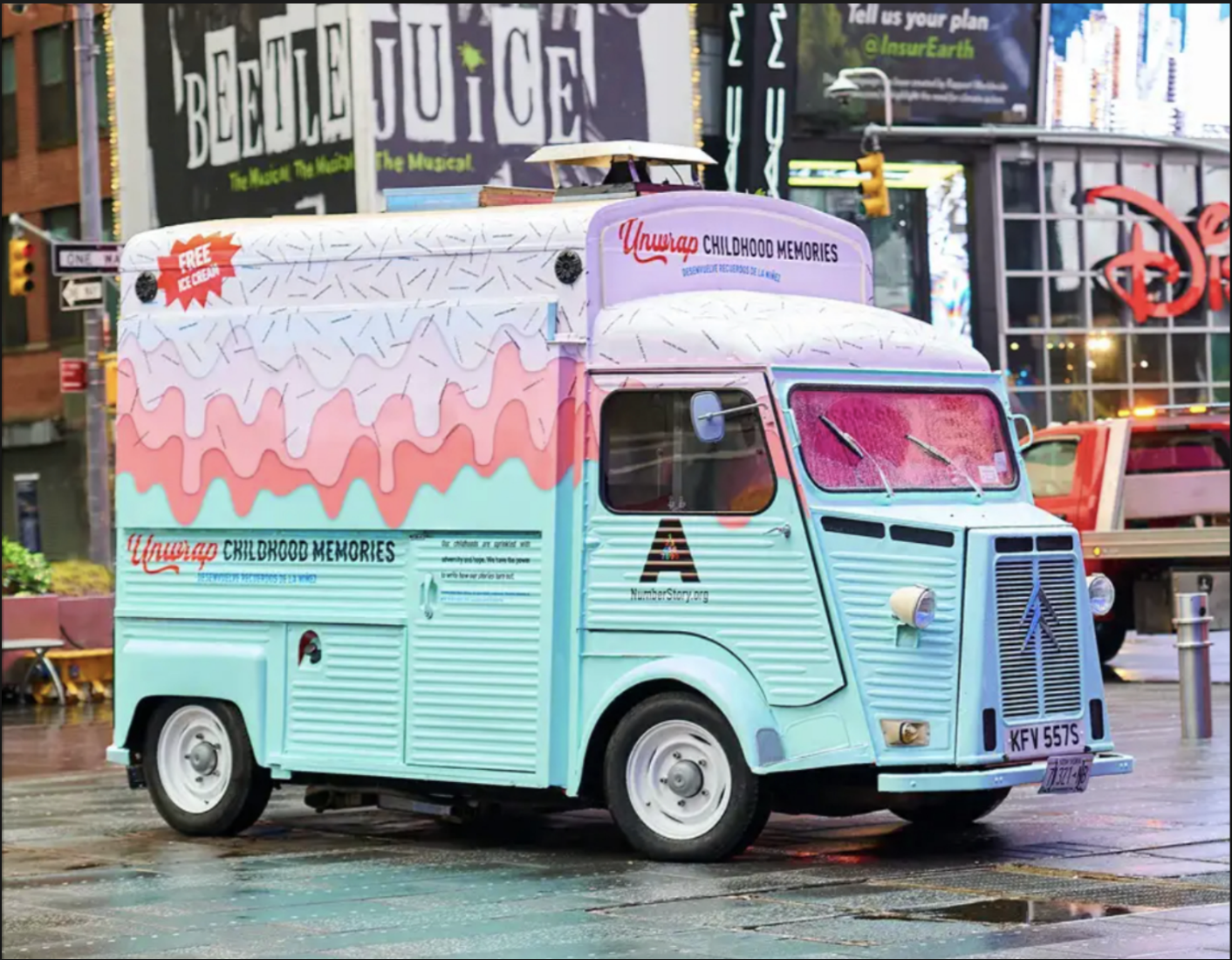
Gopuff ran with us from October through March, extending an initial partnership after seeing the results. Through the coldest months the brand served complimentary hot chocolate in exchange for a QR scan and an app sign-up, gaining thousands of new subscriptions.

What it did differently: it attached a hard conversion to the giveaway. The drink was the offer and the download was the product, which makes this the clearest example on the list of a holiday activation with a countable result. Read the Gopuff case study.

Case Study: How Chanel Served 10,000 Hot Chocolates a Weekend
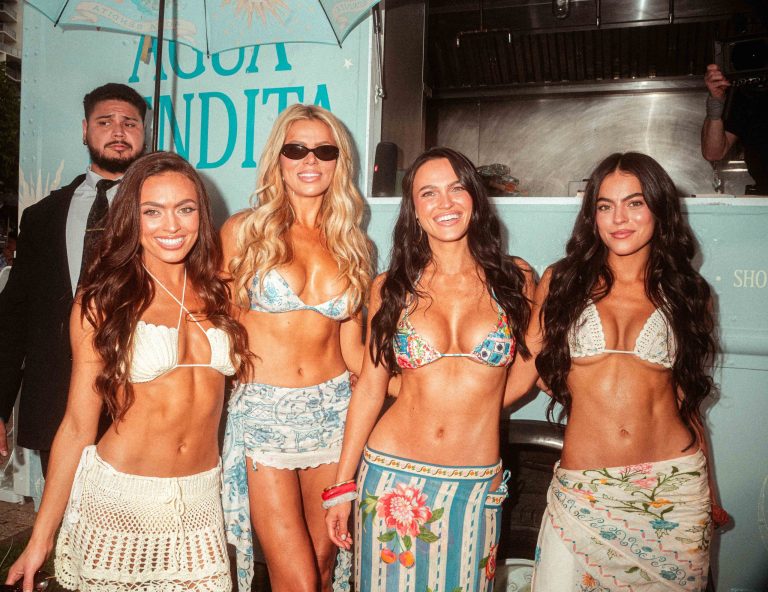
Chanel 'hot coco' pop-up in NYC

As part of Le Rouge Chanel, a month-long pop-up in New York City, Chanel extended its in-store interactive beauty experience onto the street, built entirely around the house’s signature red.

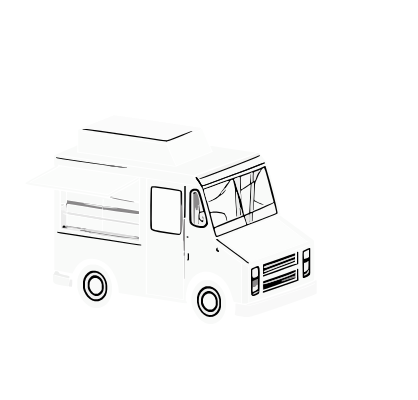
The brand worked with our in-house culinary team on a rich hot chocolate served from branded trucks as a complimentary luxury treat on cold winter days. The trucks created lines around the block, giving out over 10,000 servings each weekend, and the campaign drove more than 5 million impressions across the month and the weeks that followed.

Why it is the strongest example here: it ran for a month rather than a weekend, which turned a pop-up into a city fixture people expected to find. The giveaway matched the brand’s own aesthetic rather than sitting beside it, and the activation extended an existing retail experience rather than replacing it. Browse more work in our brand activation case studies.

What the 5 Activations Have in Common

  • Something warm, given away free, in four of the five cases hot chocolate.
  • A giveaway that could not have been the product, since handbags, red-soled shoes, and app downloads cannot be sampled on a pavement.
  • A placement where holiday crowds already were, from Times Square to the Columbus Circle market to boutique shopping streets.
  • A colour or theme taken from the brand, not from generic festive decoration.
  • A reason it had to be that month, whether a seasonal collection, a retail moment, or a revenue problem specific to winter.

When to Start Planning

This is the part that catches brands out, because December placements are contested by every seasonal operator at once.

  • Eight to twelve weeks for peak December placements, since themed fabrication and prime locations compete with markets, tree lots, and every other holiday activation.
  • Longer for custom builds. A themed interior cannot be compressed, and holiday shops are at capacity from autumn.
  • Permits early. Street activations need city approval and anything served adds health department sign-off, both on timelines outside your control.
  • Product volume forecast now. Cups, packaging, and merchandise all have lead times that lengthen as the season approaches. In practical terms, a campaign running in December should be scoped by early autumn. Our guide to national holiday marketing covers choosing which dates to target across the whole calendar.

How to Measure a Holiday Activation

  • Servings distributed per day and location, which identifies the placements worth repeating next December.
  • Sign-ups, scans, and app downloads captured, the conversion that outlasts the season.
  • Bounce-back redemptions, the cleanest link between a free drink and a purchase during peak spending weeks.
  • Store traffic lift, where the activation is placed to drive people through a door.
  • Tagged posts and impressions, since holiday crowds photograph more than at any other time of year.

The Bottom Line

Holiday experiential marketing is one of the few times when the giveaway chooses itself. People are cold, they are already outside, and they are spending money on other people, which is a combination no other season offers.

What separates the five campaigns above from a generic festive giveaway is that each took its theme from the brand rather than from the season, and each had a reason to be happening that month.

If December is in your plan, we design, build, permit, and staff holiday activations. Explore our holiday pop-up services or contact our team to scope one.

Frequently Asked Questions

Holiday experiential marketing is a live, in-person brand activation timed to the winter holiday season. It typically involves a branded vehicle or pop-up placed in a shopping district or market, giving away something warm and welcome to crowds already out shopping.

Because the weather chooses the giveaway. In December people want to be warm, so a hot drink is accepted almost universally and needs no explanation. It also works for brands whose product cannot be sampled on a pavement, which includes most fashion and technology.

Yes, and several of the strongest examples are luxury. Chanel, Christian Louboutin, and Miu Miu all ran winter street activations. The giveaway creates access and trial without discounting the product, which is the balance luxury has to strike.

Eight to twelve weeks ahead for peak December placements, and longer for custom fabrication. Themed builds and prime locations compete with markets and other seasonal operators, and permits run on timelines outside your control, so autumn scoping is realistic.

Running a campaign that argues with the season rather than joining it. Bacardi ran a summer-themed activation in December because rum sells slowly in winter, and the contradiction itself was the reason people stopped to look.

Where the crowds already are: shopping districts, holiday markets, tree lightings, and boutique streets. These concentrate an enormous audience into a small number of blocks for roughly six weeks, so foot traffic is not something you have to create.

Attach a capture mechanic to the giveaway. Gopuff traded hot chocolate for a QR scan and app sign-up and gained thousands of subscriptions. A bounce-back code works equally well, and December is the strongest period of the year for redemption.

Yes, and it is one of the better uses of the format. Christian Louboutin’s red mobile creperie pulled street traffic toward the boutique, which filled as a result. Getting someone through a door is the hardest conversion in retail.

Anywhere from a weekend to the full season. Chanel ran a month-long campaign that became a city fixture, while Gopuff ran October through March. Longer runs improve cost per interaction, since the build is a fixed cost.

Track servings distributed per day and location, sign-ups and scans captured, bounce-back redemptions, store traffic lift where the activation feeds a shop, and tagged posts, since holiday crowds photograph more than at any other time of year.

FTP Free download

The Mobile Pop-Up Shop Launch Checklist

7 steps, 37 checkpoints, and a one-page brief to plan and launch a mobile pop-up shop that converts.

Instant PDF · No Cost

Ashley Elarde

Author

Ashley Elarde

Social Media Manager @ FTP Agency

Ashley Elarde is a social media strategist, content creator, and experiential marketing professional with experience bringing brands to life through engaging digital content. She has helped execute campaigns for brands across beauty, fashion, retail, and entertainment, developing campaigns that drive engagement and meaningful consumer connections.

More posts
The Top 5 Reasons Food Truck Advertising Helps Brands Stand Out