Seasonal marketing is the difference between spending your budget when it is convenient and spending it when your customers are already reaching for their wallets.
Most brands treat this as a December question. It is not. Every category has a peak, and for plenty of businesses it lands in July, in late August, or on a single afternoon nobody else has claimed.
This guide covers what seasonal marketing is, how to find your own peak rather than guessing, how to plan the year around it, and three activations that show it working.
Key Takeaways
- Find your peak, do not assume it: search data and your own sales history will tell you when customers are already engaged, which is often not the obvious season.
- Plan the year, not the campaign: a marketing calendar built in advance is what makes seasonal execution possible, because peak dates need lead time.
- Start before the spike: pre-promotion in the weeks ahead of a peak captures demand as it builds rather than competing at the top of it.
- Commit to the theme: half-hearted seasonal branding reads worse than none, so the design, the product, and the giveaway should all carry it.
- In-person amplifies the season: an activation during a peak combines existing demand with a face-to-face moment, which is the strongest version of the tactic.
What Is Seasonal Marketing?
Seasonal marketing is the practice of timing campaigns to periods when demand in your category naturally rises. That includes major holidays such as Christmas, Valentine’s Day, and Thanksgiving, broader seasons such as summer or back to school, and single observances tied to a product type.
The strategy is not a separate marketing program. It is an adjustment to what you already do that accounts for predictable peaks, aimed at lifting sales in the short term and building customer loyalty over the longer one.
Why Seasonal Marketing Works
These are the top reasons you need to run a seasonal marketing campaign.
You Are Not Creating Demand, Only Capturing It
During a peak, customers are already searching, comparing, and buying in your category. That removes the hardest part of marketing, which is persuading someone to want something they were not thinking about.
Seasons Carry Emotion
Holidays and seasons come with nostalgia, urgency, and social ritual attached. A campaign that taps into a feeling people already have connects faster than one that has to manufacture the feeling first.
It Reaches New and Returning Customers at Once
Peaks bring lapsed customers back into the category and pull in first-time shoppers looking for a gift or a solution. Few other moments deliver both audiences simultaneously.
Deadlines Convert
A season has an end date built in, which creates urgency without you having to invent a countdown. That is why seasonal offers convert better than the same offer running indefinitely.
How to Find Your Season
A swimwear brand peaks in summer and a florist peaks around Valentine’s Day. Most businesses are not that obvious, and the ones that assume they are often miss a better window.
1. Read Your Own Sales Data First
Look at where revenue rose over the past two or three years, by week rather than by quarter. The pattern is usually already in your numbers, and it beats any external benchmark because it describes your actual customers.
2. Check Search Demand Against It
Map those revenue periods to the keywords customers use, then check them in Google Trends to see whether interest rises before your sales do. That gap between rising search and rising revenue is the window where a campaign has the most leverage.
3. Look for the Season Nobody Has Claimed
December is contested by every brand with a budget. A niche observance or an off-peak month may deliver less total demand but far more attention per dollar, which is often the better trade for a challenger brand.
4. Consider Counter-Seasonal Plays
Sometimes the opportunity is the season your product does not sell in. Reframing a summer product for winter, as the Bacardi example below does, addresses a real revenue problem rather than piling into an existing peak.
How to Plan the Year Around It
- Build a marketing calendar. Map every relevant peak, holiday, and observance across twelve months in one document, with owners and lead times attached.
- Work backward from each date. Fabrication, permits, staffing, and stock all need runway. Peak December placements need eight to twelve weeks, and prime summer weekends go two to three months out.
- Start promoting before the spike. Announce ahead of the peak so you capture demand as it rises rather than competing for attention at the top of it.
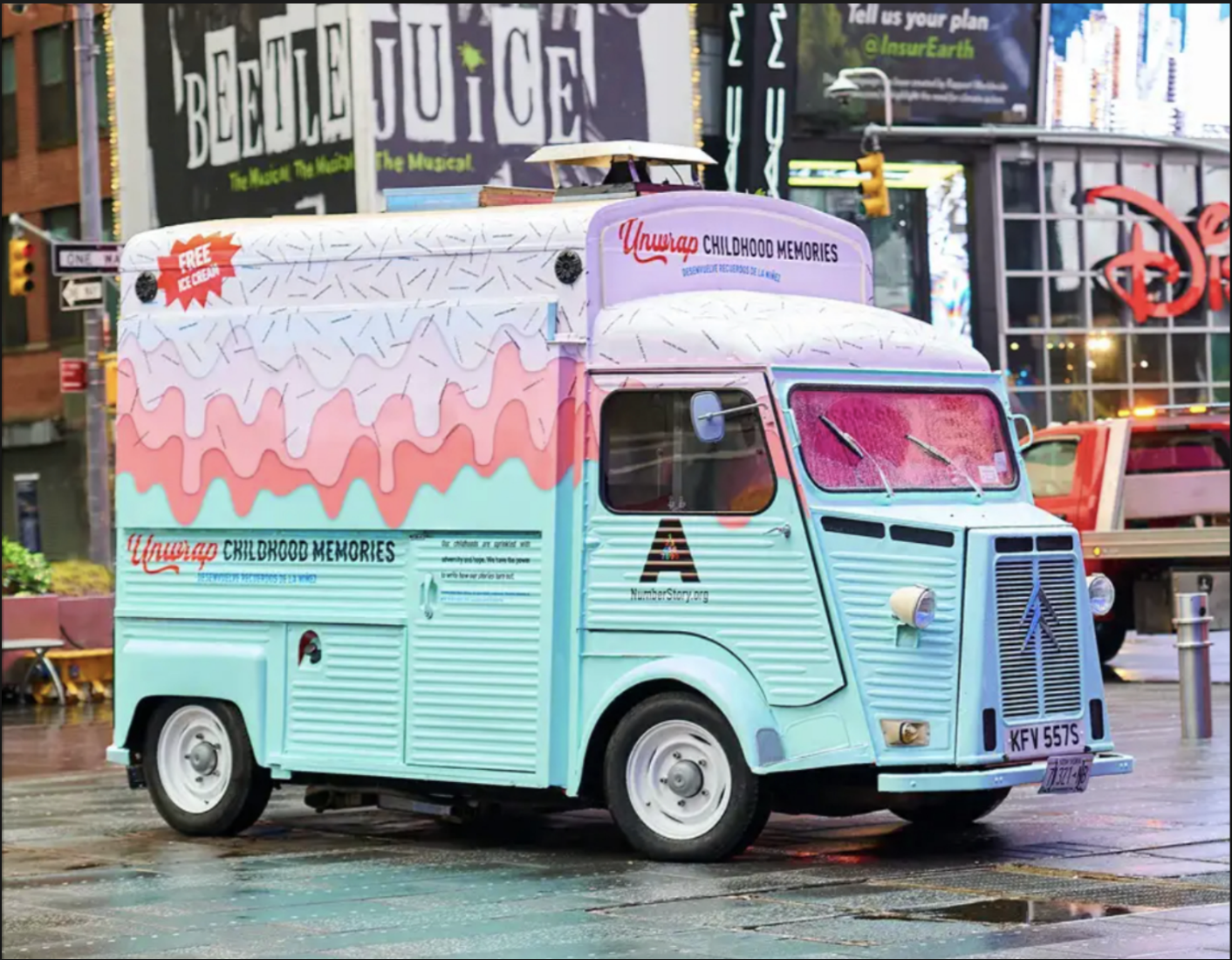
- Commit to the theme fully. Colors, packaging, vehicle design, product, and giveaway should all carry the season. Partial theming reads as an afterthought.
- Attach an offer. Discounts, bounce-back cards, and prizes work particularly well during peaks, when customers are spending more and actively hunting for value.
- Plan the measurement before the season starts. Deciding what success looks like afterward guarantees a flattering answer and a useless one.
Where Experiential Fits
Experiential marketing works at any point in the year, but a seasonal peak is when it works hardest. You are combining demand that already exists with a face-to-face moment, which is a considerably stronger position than running an activation in a quiet month.
Pop-ups, mobile showrooms, tours, and sampling events all suit peak periods, because crowds are already gathering in shopping districts, markets, and event spaces. Our guides to national holiday marketing and holiday pop-up shop ideas cover the formats in more detail.
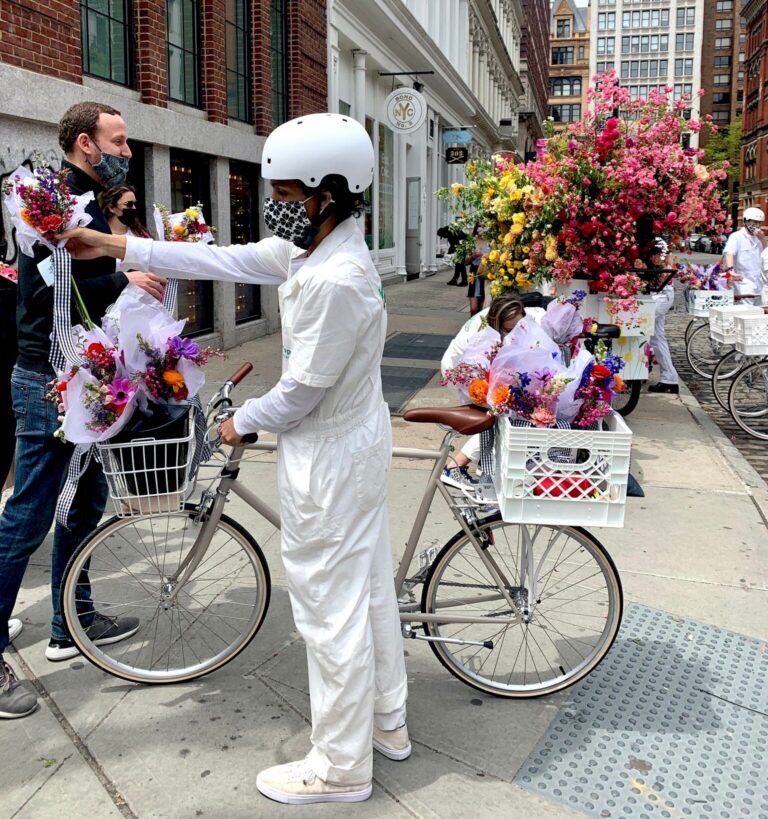
How Kate Spade Turned Broadway Into a Flower Shop