
Top 6 Types of Pop-Up Shops: Which Format Fits Your Brand?
There is no single kind of pop-up shop, and the different types of pop-up shops each do a different job. A sampling truck built…
Read moreBy: Benjamin Goldberg • • 12 min read
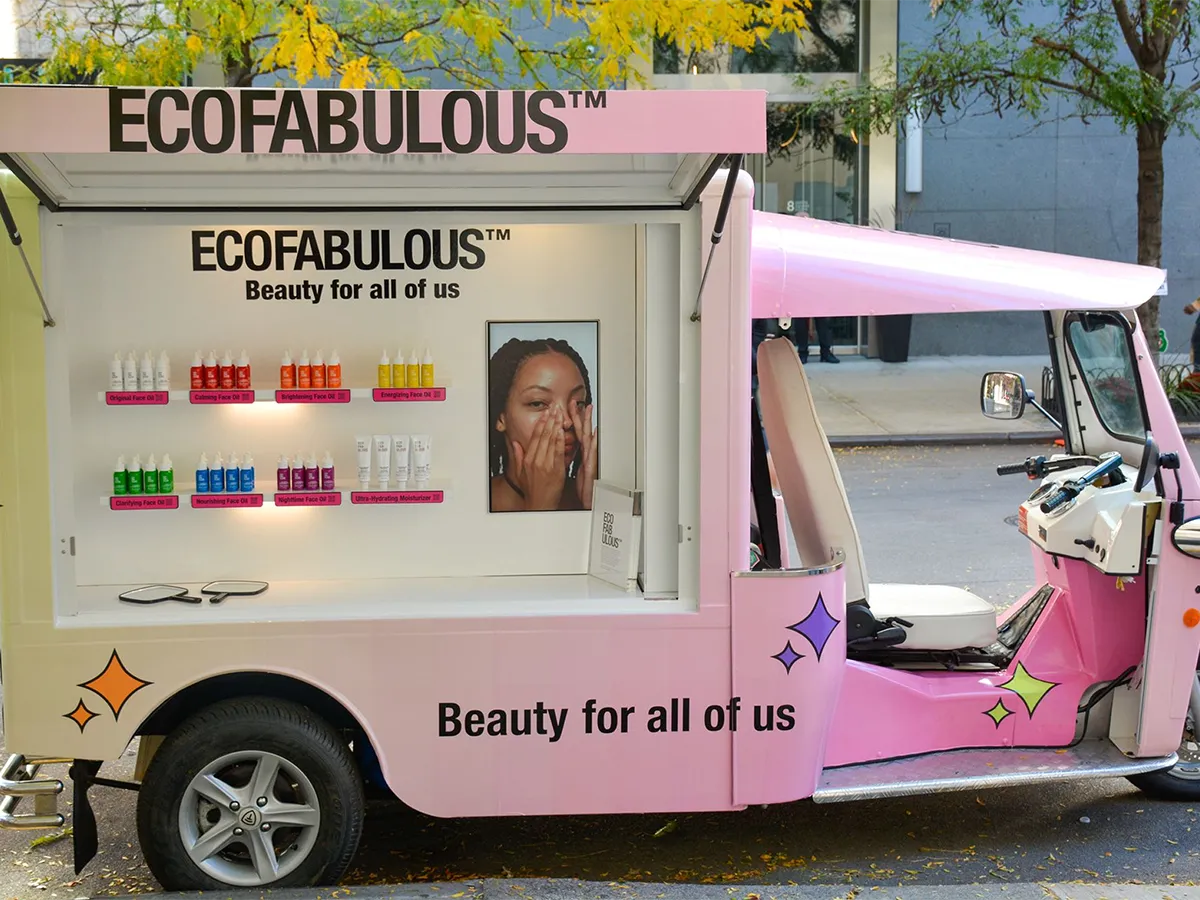
The best experiential marketing ideas do something a banner ad never can: they get people to touch, taste, play, and remember. In a digital landscape saturated with promotions people scroll straight past, live and interactive brand moments are what actually earn attention, and the data backs it up. According to Event Marketer’s EventTrack 2026 study, 61% of consumers are more inclined to purchase after attending an event, and 84% of consumer marketers plan to increase their event spending this year.
From food trucks and tuk tuks to Airstreams and glass trucks, the most effective experiential marketing ideas come to life through mobile activations that take the brand directly to customers in unexpected places. Below are five ideas making the biggest impact right now, each with how it works, a real-world example, why it works, and who it fits, plus how to choose the right one and how to measure whether it worked.
The strongest campaigns combine new technology, personalization, and heartfelt storytelling to leave a lasting impression. Here are five experiential marketing ideas worth stealing.
Themed pop-ups turn a mobile activation into a fully immersive brand world that resonates with a target audience. By designing a strong visual and interactive theme, a brand tells a story customers want to step into and share.
How it works: The vehicle, whether a food truck, tuk tuk, Airstream, or another experiential vehicle, is fully customized with branded decor, interactive elements, and a themed setup. Customers engage through hands-on demonstrations, personalized interactions, and storytelling, often with free samples, exclusive giveaways, influencer appearances, or a social challenge to drive participation.
Example: A skincare brand runs a “Glow on the Go” tuk tuk offering free skin assessments, sample giveaways, and a tool that lets any passerby scan their skin type and get personalized recommendations on the spot.
Why it works: The unique setup creates a buzz-worthy attraction that drives foot traffic and visibility, and the personalization fosters an emotional connection that outlasts any standard ad.
Best for: Beauty, skincare, food and beverage, and lifestyle brands launching a product or entering a new market.
A promotional tour set for a fixed timeframe brings the brand directly to customers across multiple markets, using exclusivity and urgency to drive engagement. These campaigns move between high-traffic locations to maximize exposure in a single push.
How it works: A customized vehicle is branded and stationed in key cities, neighborhoods, festivals, campuses, or shopping centers across your target locations. Brands offer limited-time promotions, exclusive deals, or first-access products, and a social component like a hashtag or influencer collaboration encourages viral engagement.
Example: A new beverage company launches a nationwide “Taste Tour” serving limited-edition flavors available only during the campaign, letting customers vote for their favorite to join the permanent lineup.
Why it works: Scarcity increases demand, and customers who feel part of an exclusive, time-bound experience are more likely to act in the moment. This is why so many brands turn to mobile marketing tours to build visibility and real-time connection at once.
Best for: Product launches, seasonal campaigns, and brands that want national reach across multiple markets in a single push.
Sampling is still one of the most effective ways to get customers to engage with a product, and mobile activations let brands deliver it in high-traffic locations where people can experience the benefit immediately. It is the format that turns trial directly into advocacy.
How it works: A mobile sampling station, truck, or Airstream offers hands-on access to products, encouraging customers to try before they buy. Digital elements like QR activations, app promotions, or touchscreens let customers unlock discounts or enter giveaways, while brand ambassadors amplify on-site engagement and social sharing.
Example: An organic snack brand sets up a self-serve sampling station in a branded Airstream, where customers scan a QR code to vote for their favorite flavor and instantly unlock a discount on it.
Why it works: Hands-on experiences engage people more deeply and lift purchase intent, since customers feel the product benefit before committing. It is a well-documented effect: EventTrack research finds that 74% of consumers are more likely to buy a product after engaging with branded event marketing. The interactive layer also creates a moment worth sharing.
Best for: Food and beverage, CPG, and any brand whose product is best understood by trying it.
Customers care about brand values, and an activation tied to a genuine cause creates connections that go beyond product promotion. Mobile activations built around charitable, sustainable, or community-driven missions foster trust and loyalty.
How it works: Brands create experiences that align with a social or environmental cause, then invite customers to take part in a meaningful action, a donation, a recycling initiative, or a community event, sometimes with a reward or perk for participating.
Example: A sustainable fashion brand runs a “Recycle and Reward” tuk tuk during New York Fashion Week, where customers trade old clothing for discount codes on ethically made apparel, reducing waste while showing the brand’s ethics in action.
Why it works: Customers reward brands that share their values with long-term loyalty and advocacy, and the social impact makes the activation memorable. This is where values-driven storytelling strengthens the whole brand-customer relationship.
Best for: Mission-driven brands and any company looking to deepen trust with a values-conscious audience.
Virtual reality (VR) and augmented reality (AR) are reshaping mobile experiential marketing, letting brands create tech-enhanced activations that lift engagement and bridge the physical and digital.
How it works: A mobile vehicle is equipped with VR headsets or AR touchscreens for an immersive digital experience. AR demos let customers see how a product looks, fits, or functions in real time, and gamified experiences let them unlock discounts, find hidden content, or take on challenges.
Example: A sneaker brand uses an AR-powered glass box truck where customers scan a QR code to see a 3D hologram of the newest shoe, customize it in real time, and buy it instantly from their phone.
Why it works: VR and AR immerse customers in interactive brand storytelling and build deeper emotional connection, turning a mobile campaign into a dynamic, digitally driven experience that signals a brand is ahead of the curve.
Best for: Tech, footwear, automotive, and innovative brands that want to stand out as forward-looking.
With so many experiential marketing ideas to choose from, the right one comes down to a few simple questions.
Are you driving awareness, launching a product, collecting leads, or building loyalty? A sampling tour suits trial and awareness, while a cause-driven campaign suits loyalty. Naming the single most important outcome usually narrows the field fast.
Where do they spend time, and what would make them stop and engage? Match the vehicle and format to their habits, whether that is a campus, a festival, or a downtown shopping district.
A food truck suits a beverage launch, a glass box truck suits a product reveal, and a tuk tuk suits nimble urban sampling. The product should point to the format.
Permits, locations, fabrication, and staffing all take lead time. Partnering with an experienced team that handles these is what keeps the activation on schedule and on brand. For more inspiration, our pop-up shop ideas and types of pop-up shops guides are good places to see what fits.
A great activation should be built to be measured, not just enjoyed. Decide on your metrics before the campaign launches, then track them on site and afterward.
Tie each metric back to your original goal so you can prove the return and improve the next activation.
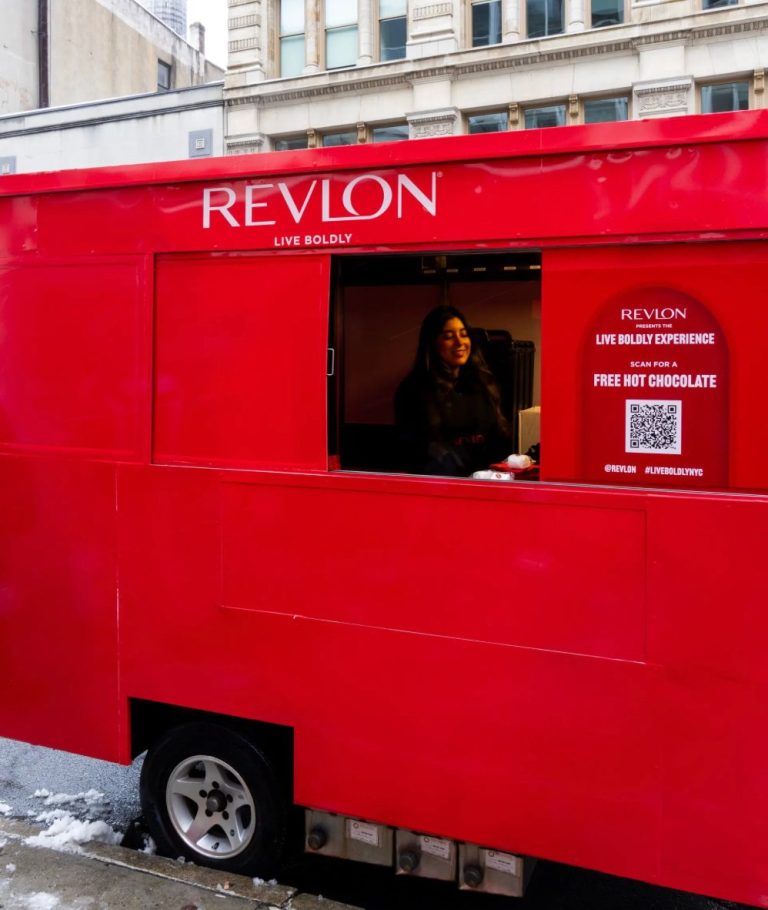
The best experiential marketing ideas all share one trait: they turn a passive impression into an active moment people choose to take part in. A themed pop-up tells a story, a promotional tour creates urgency, interactive sampling turns trial into advocacy, a cause-driven campaign builds loyalty, and a VR or AR activation signals a brand is ahead of the curve. The right idea is not the flashiest one, it is the one that matches your goal, your audience, and your product, and that is built to be measured from day one. Revlon’s Live Boldly cart worked because a warm, themed, shareable moment fit the brand and the season, and because it was designed to produce a number. Start with the goal, pick the idea that serves it, and build the activation so it can prove what it did.
Experiential marketing is a strategy that engages customers through live, hands-on brand experiences rather than one-way ads. It invites people to interact with a product in person, often through a pop-up or brand activation, building an emotional connection that drives recall, sharing, and loyalty well beyond a passive impression.
Common examples include themed mobile pop-ups, sampling stations, limited-time promotional tours, cause-driven community activations, and VR or AR experiences. Many use experiential vehicles like food trucks, tuk tuks, Airstreams, and glass trucks to reach customers in high-traffic places where they already spend time.
Compact formats deliver strong impact for less. A food cart or tuk tuk sampling activation, a single-market pop-up, or a QR-driven giveaway can create real engagement without the cost of a multi-city tour. Start small, prove the results, then scale the idea that worked.
Traditional advertising talks at customers through one-way channels like print, display, or video. Experiential marketing invites customers to participate in a live experience, which creates emotional connection, social sharing, and stronger recall than a passive ad. Research consistently shows live experiences outperform commercials on purchase intent.
It turns a passive impression into an active, sensory moment. Customers who touch, taste, or play with a product remember and trust it more, are more likely to buy, and tend to share the experience online. EventTrack research finds most consumers are more inclined to purchase after attending an event.
Set metrics before launch, then track foot traffic and interactions, lead capture through QR scans and sign-ups, conversions from a unique code or on-site sales, and social reach through hashtags and shares. Tie each metric back to your original goal so you can prove the return.
Beauty, food and beverage, fashion, tech, automotive, and lifestyle brands see strong results, but almost any brand can benefit. The key is having a product or story that becomes more compelling when customers experience it in person rather than just seeing it advertised.
A mobile marketing tour is a branded vehicle that travels between cities, campuses, festivals, or events over a set period, bringing the experience directly to customers in multiple markets. It builds urgency and reach in a single campaign, and it is one of the most efficient ways to cover several markets at once.
Cost depends on the vehicle, the number of markets, the length of the activation, fabrication, and staffing. A single-location pop-up costs far less than a national tour. The best approach is to scope the campaign to your goal and budget with an experienced partner rather than starting from a fixed number.
Define what you want customers to feel, do, or remember, then choose a goal, audience, and format. From there, an experienced team can handle the creative, fabrication, permits, locations, and staffing, so you show up to a finished, on-brand activation ready to engage your audience.

Author
CEO @ FTP Agency
Benjamin H. Goldberg is passionate about bringing brands to life on the streets. As CEO of Food Truck Promotions and co-founder of the New York and Los Angeles Food Truck Associations, he helps create unforgettable mobile experiences that blend great food, creative branding, and meaningful connections with audiences everywhere.
There is no single kind of pop-up shop, and the different types of pop-up shops each do a different job. A sampling truck built…
Read more →
The best pop-up shop ideas don’t start with a vehicle or a venue; they start with a concept strong enough that people line up,…
Read more →
Mobile pop-up shops have become the way ambitious brands go offline: a store, a sampling bar, or a showroom built into a vehicle,…
Read more →We use and share personal information through cookies and similar technologies on our sites to personalize your shopping experience and ads. Others may use this information for their own marketing and business purposes. . Check our Privacy Policy for more details.
Browser Opt-Out Honored
We use and share your personal information with others to personalize your shopping experience and show you targeted ads on other sites based on your interests and online activities.
Online Info includes cookies, pixel tags, and similar technologies connected to your browser or device. Offline Info includes information associated with your email address based on your other interactions with us.
We use and share your personal information with others to personalize your shopping experience and show you targeted ads on other sites based on your interests and online activities. Information includes cookies, pixel tags, and similar technologies connected to your browser or device (Online Info), as well as information associated with your email address based on your other interactions with us (Offline Info). Others may use this information for their own marketing and business purposes.
You can choose to opt out of sharing one or both types of information.