Sports event marketing works because a stadium assembles the one thing a marketer cannot buy: tens of thousands of people who chose to be somewhere, in a good mood, together.
In the 2025 NFL regular season, average attendance stood at 69,055 per game, with total regular season attendance passing 18 million. (Source: Statista NFL attendance data.) That is before counting the fans outside the gates, which is where most brands can actually reach them.
This guide covers the access question that shapes everything, four tactics that work on game day, and what to plan for around a stadium.
Key Takeaways
- Fandom is a community, not an audience: supporters notice a brand that shows up for their team in a way they never notice an advertisement.
- Most of the crowd is outside the gates: tailgates, transit routes, and surrounding streets reach the same people without rights fees.
- League marks are protected: non-sponsors cannot use team names or logos, so align with the city rather than the franchise.
- Tailgating is food-led by default: a branded food truck fits the culture rather than interrupting it.
- Plan the parking, not just the placement: stadium lots take hours to enter and exit, which eats into activation time.
What Is Sports Event Marketing?
Sports event marketing is brand activity built around a sporting fixture: a regular season game, a playoff run, a marathon, a tournament, or a championship. It can mean official sponsorship inside the venue, vendor presence on the grounds, or an activation on the streets and lots around it.
What distinguishes it from most experiential work is the emotional context. Unlike other events, there is a genuine sense of camaraderie among a team’s supporters, and when a brand shows up and shows its support, they notice.
The Access Question
Settle this before any creative work, because it determines the budget and what is legally possible.
- Official sponsorship buys presence inside the venue and use of team and league marks. It is the most expensive route and the only one that lets you claim partnership.
- Vendor or concession status gets you inside the grounds with a footprint and a set of rules about what you can do in it.
- Tailgate lots and surrounding streets need city permits or private lot agreements rather than rights fees, and reach substantially the same fans. For most brands the third option is the right one. It costs a fraction of sponsorship and it reaches people at the moment they are most receptive, which is several hours before kickoff rather than during play.
The Trademark Rules
This catches brands out regularly and it is worth stating plainly.
- Team names, logos, and league marks are protected. Using them without rights is a legal risk, not a grey area.
- Sponsors hold category exclusivity. If a competitor owns the beverage category, your beverage brand will not get inside.
- Align with the city instead. Team colors used as brand colors, a local menu, and language about the city rather than the franchise are all legitimate. This is not legal advice, and creative should be reviewed by counsel before fabrication. Our guide to Super Bowl marketing stunts covers the same constraint at the highest-stakes fixture of the year.
4 Sports Event Marketing Tactics That Work on Game Day
Use this sports event marketing tactics at your next activation.
1. Mobile Billboards
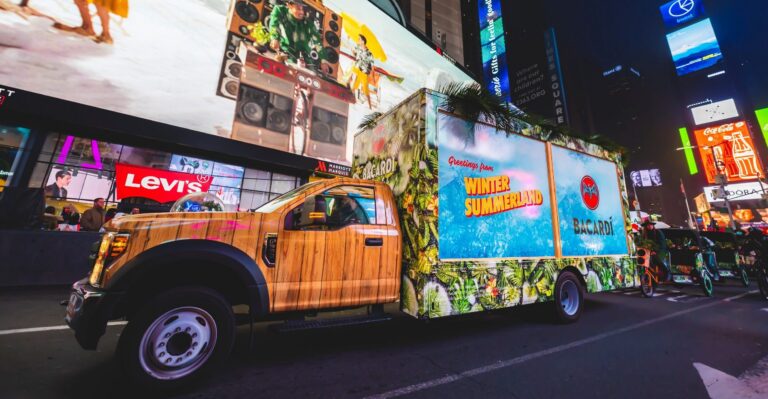
A budget-friendly, customizable option that builds awareness and gives you a competitive advantage. Experiential vehicles offer mobility that lets a brand be seen at the right times and places, before, during, and after the game.
They park easily in concentrated areas around arenas and reach the target audience at a fraction of static media cost. The formats that suit sports events best:
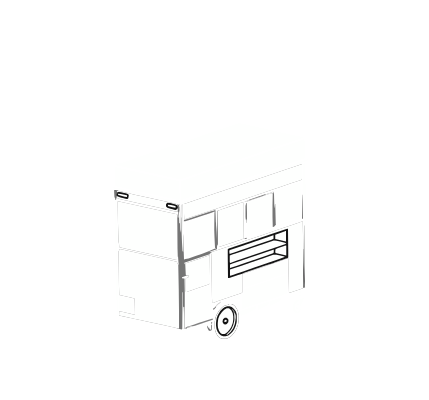
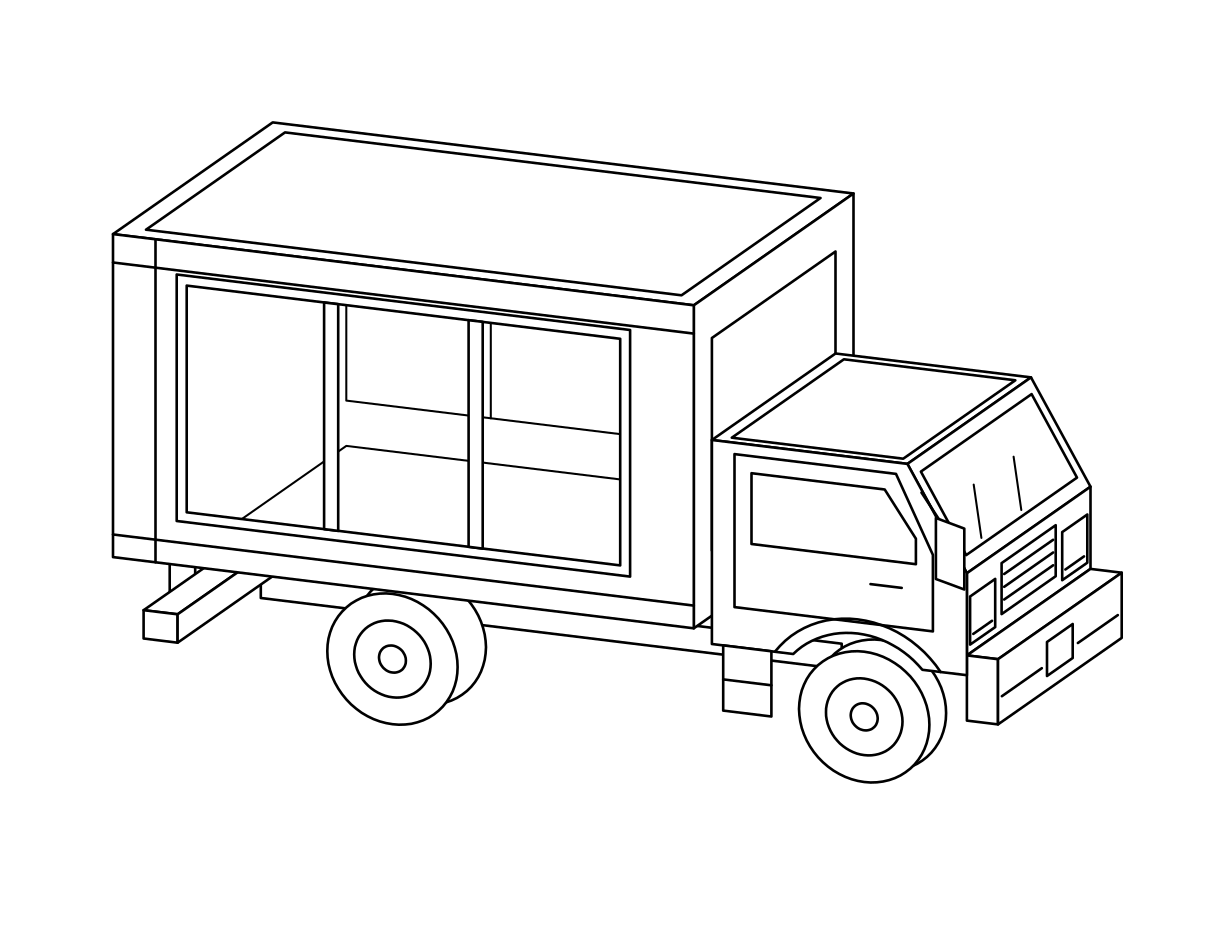
- Truck-side mobile billboards, eye-catching and hard to miss in a crowded lot.
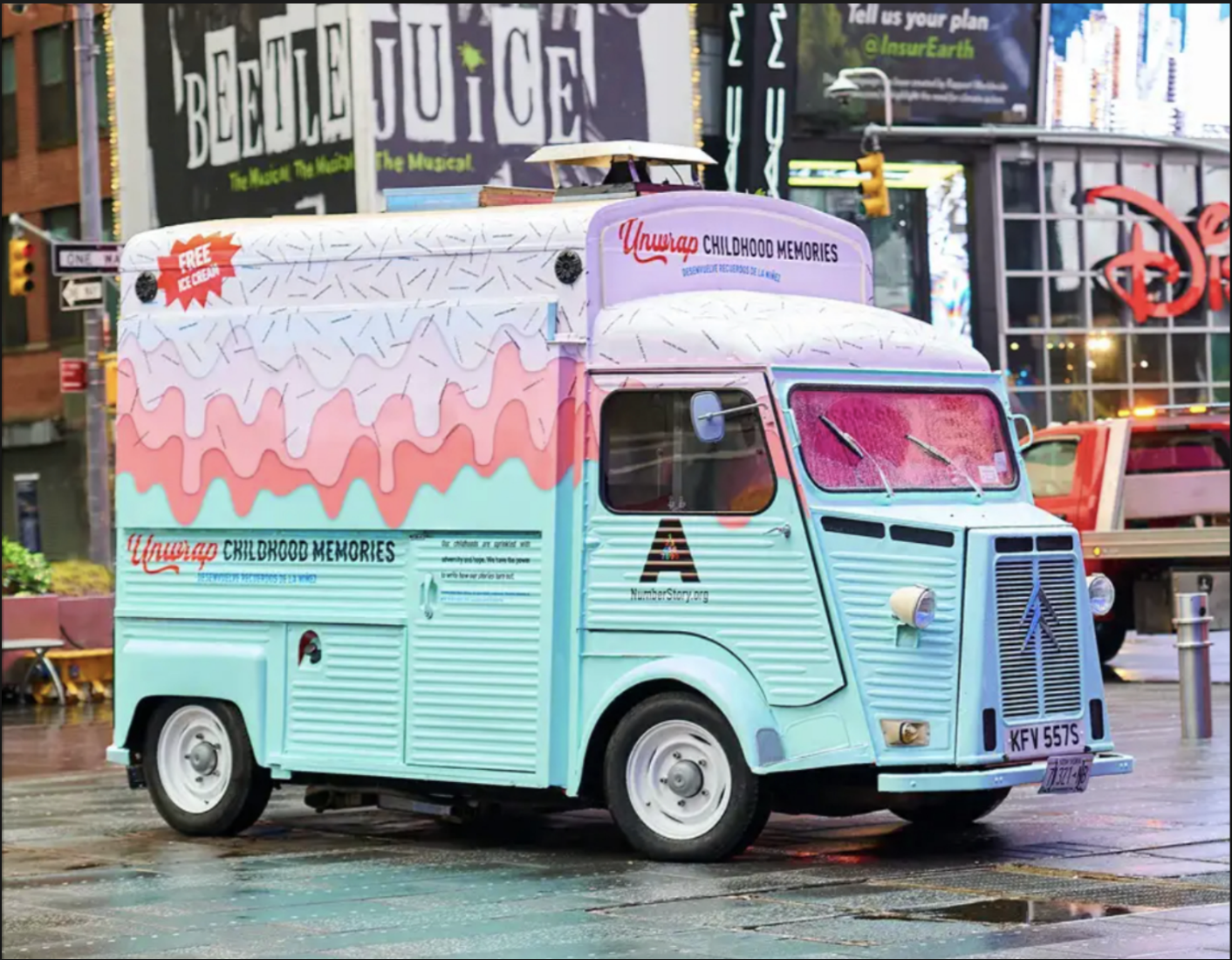
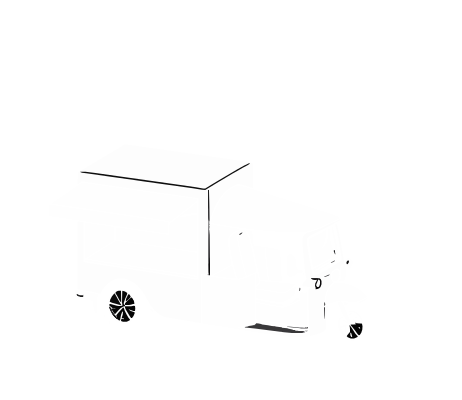
- Vehicle-wrapped mobile billboards, useful when a smaller vehicle is needed to maneuver in congested areas.
- Digital mobile billboards, which command attention with LED screens, particularly for evening fixtures.
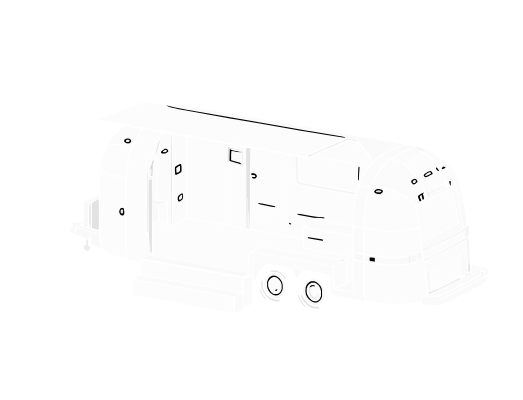
- Glass wall mobile billboards, which give fans a look inside the brand rather than at a printed panel.
2. Promo Teams and Brand Ambassadors
Field marketing, street teams, promo teams: the names vary, but these are the human faces of a brand, engaging people through samples, giveaways, and conversation.
Promo teams can work tailgaters outside an arena ahead of kickoff, which is the highest-value window of the day. Staff need to be knowledgeable, friendly, and outgoing without being pushy, because a pushy approach in a tailgate lot fails immediately.
3. Sports Fans on Social Media
Teams, players, and venues are heavily engaged on social, most with dedicated hashtags, and fans are equally active. That conversation exists whether or not you join it.
Posting from the activation, sharing fan photos, and using the fixture’s hashtag integrates a brand into the day rather than beside it. Design a photo moment into the build so fans produce the content themselves. Our guide to brand activation ideas covers formats that generate it.
4. Branded Food Trucks for Tailgaters
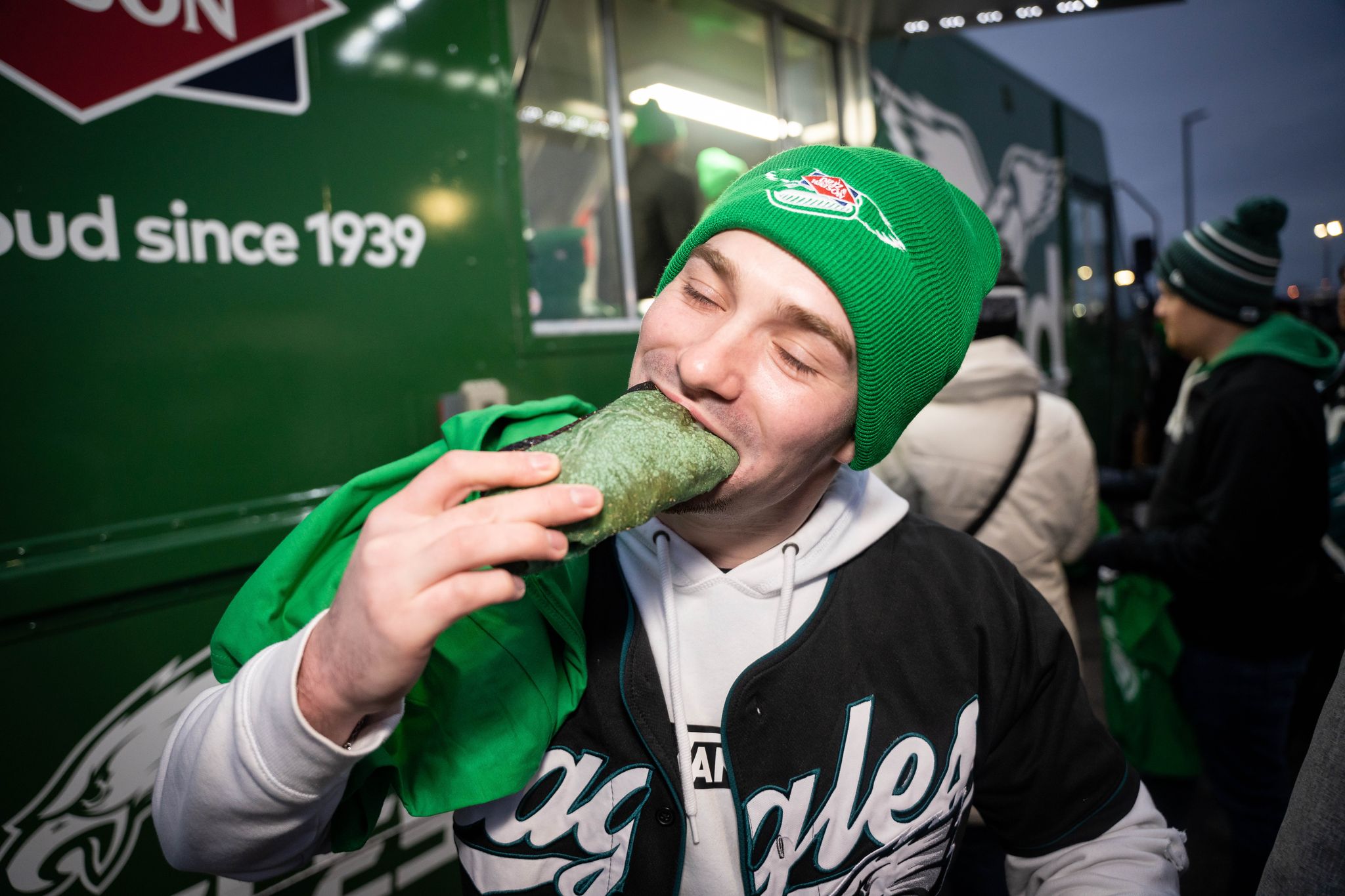
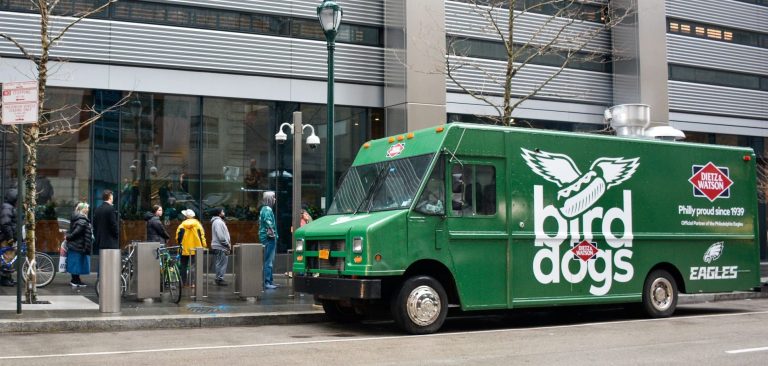
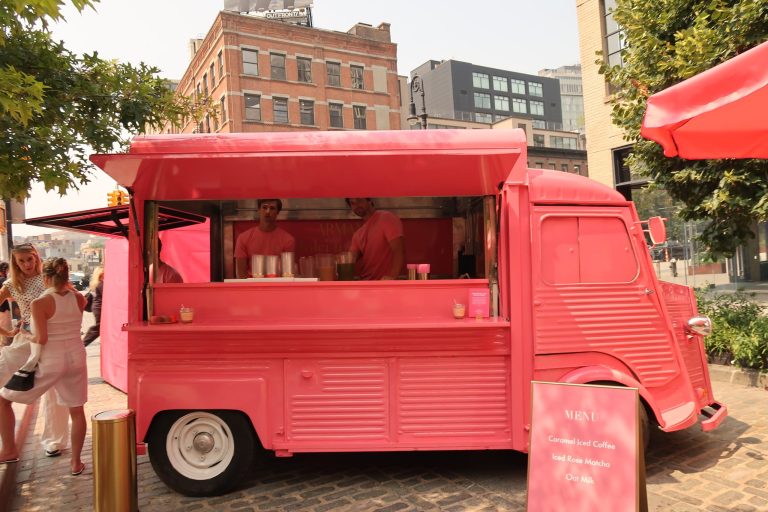
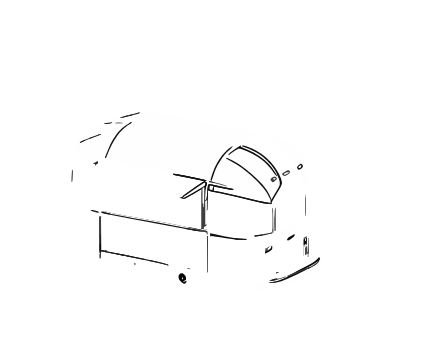
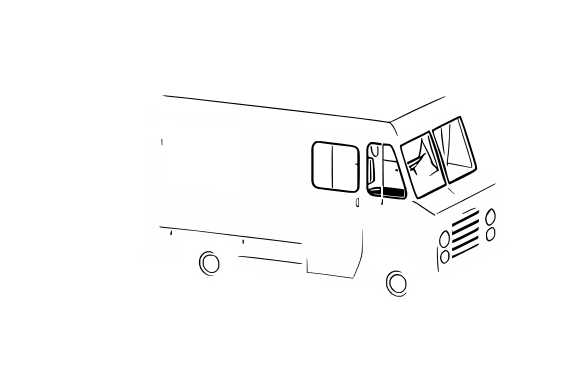
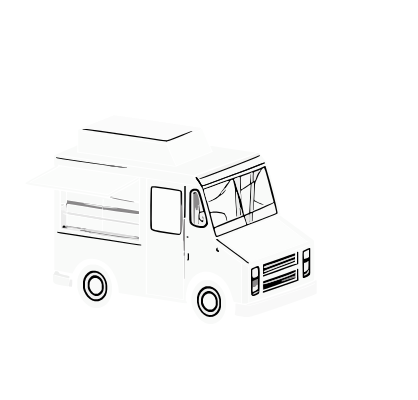
Sports and food go hand in hand, and tailgating is food-led by default, which means a branded food truck fits the culture rather than interrupting it.
Four things to plan for:
- Cost drivers. Menu, volume, and personalization including fabrication and staffing.
- Parking time. Sports venues are heavily congested and lots take hours to navigate. Book the truck several hours either side of the fixture for entry, setup, teardown, and exit.
- A local menu. Fans take pride in their city, and food represents it. Chili in Cincinnati, deep dish in Chicago, wings in Buffalo. A generic menu misses the point entirely.
- Weather. Tailgating is outdoors, so the menu has to suit the season. Nobody wants hot chocolate in July.
How Dietz & Watson Rode a Playoff Run Across Philadelphia