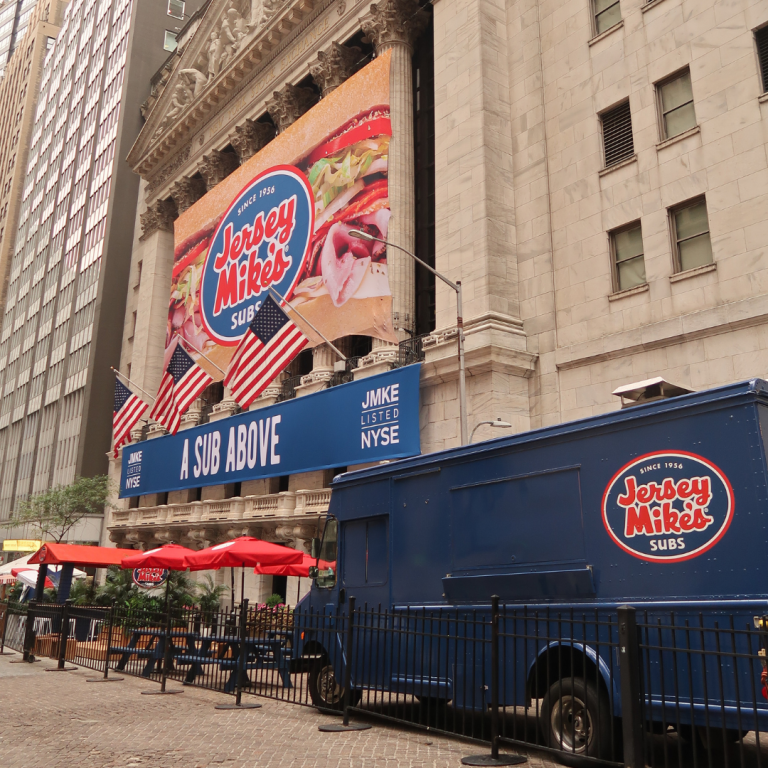
Food Sampling Guide: Permits, Cold Chain and Costs
Food sampling, for a brand, means putting a bite or a pour of a product into a stranger’s hand in public and having them…
Read moreBy: Benjamin Goldberg • • 9 min read
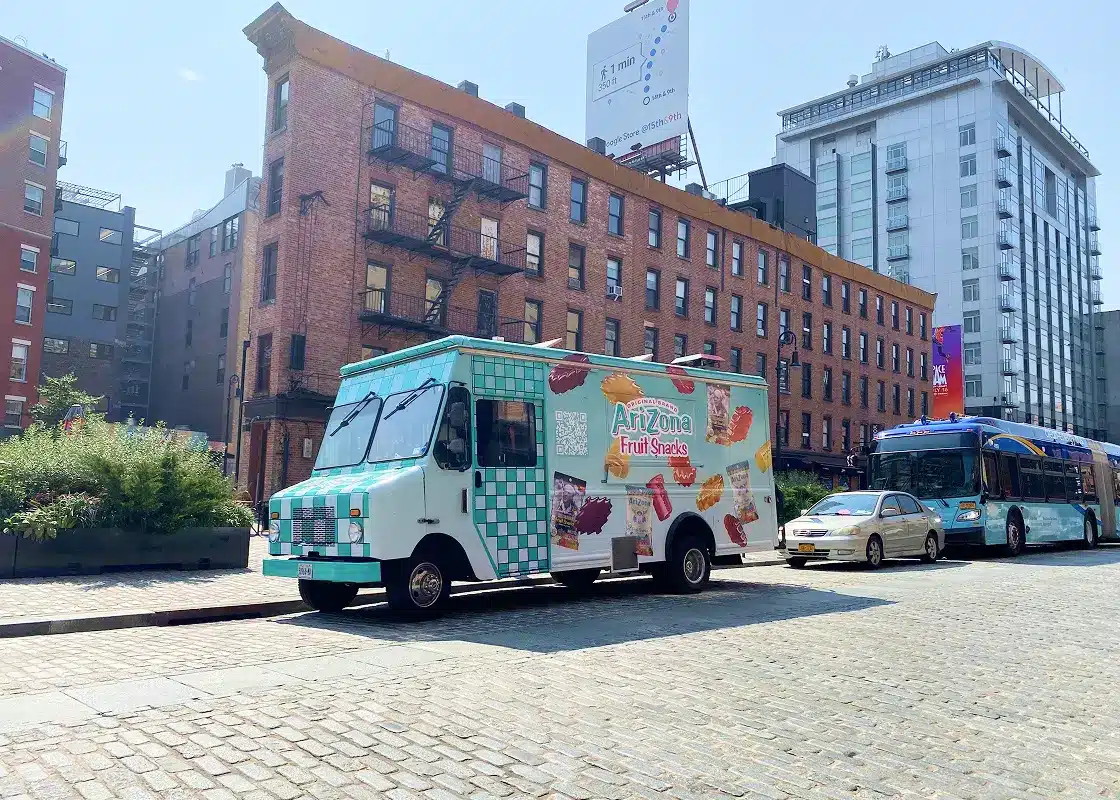
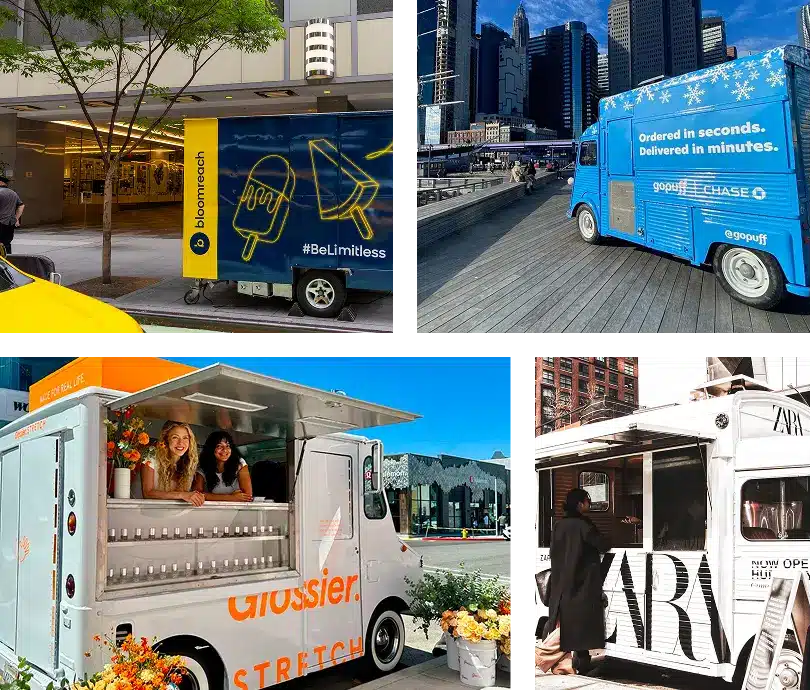
An event marketing vehicle is any vehicle built or wrapped to deliver a brand experience in person: sampling, retail, demos, photo moments or hospitality. The category includes food trucks, vintage vans, tuk tuks, Airstreams, step vans, glass-walled trucks, double decker buses and carts. What they share is mobility. The same build can work a festival on Saturday, a flagship sidewalk on Monday and a campus on Wednesday.
The terms overlap. Mobile marketing vehicles, experiential marketing vehicles and promotional vehicles all describe the same assets from different angles: the tour, the experience and the giveaway. This guide uses event marketing vehicles because events are where most brands first use one.
Three reasons come up in every brief. The vehicle goes to the audience instead of asking the audience to come to a venue. The vehicle is the signage, visible from across a street or a festival field in a way a tent is not. And the vehicle repeats: one build, many stops, the same photo in every city, which is what press, social and sponsors need. For the full case, see mobile experiential trucks.
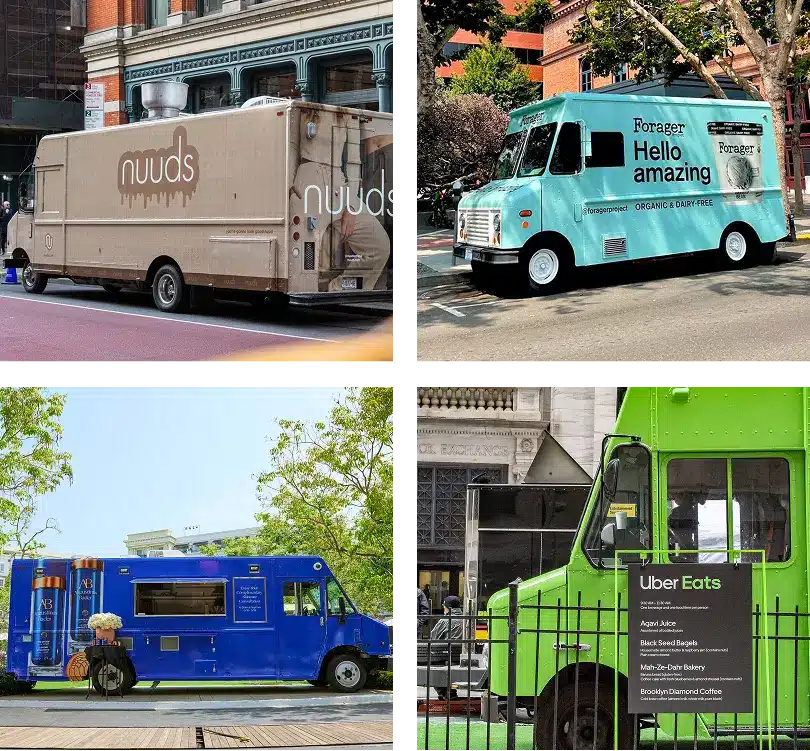
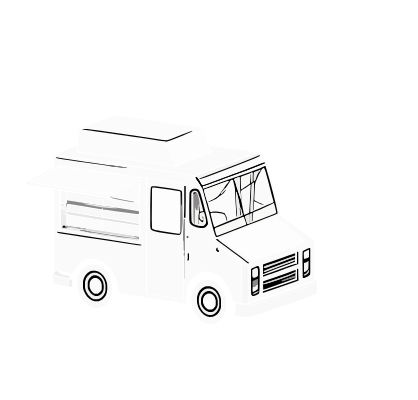
The workhorse. A full kitchen or a sampling counter, a serving window, room for two to four staff and product storage. Best for food and beverage sampling, branded menu items and anything that needs refrigeration or heat. Holds a line of 30 to 50. Cost: $70,000 to $150,000 per market. See branded food trucks.
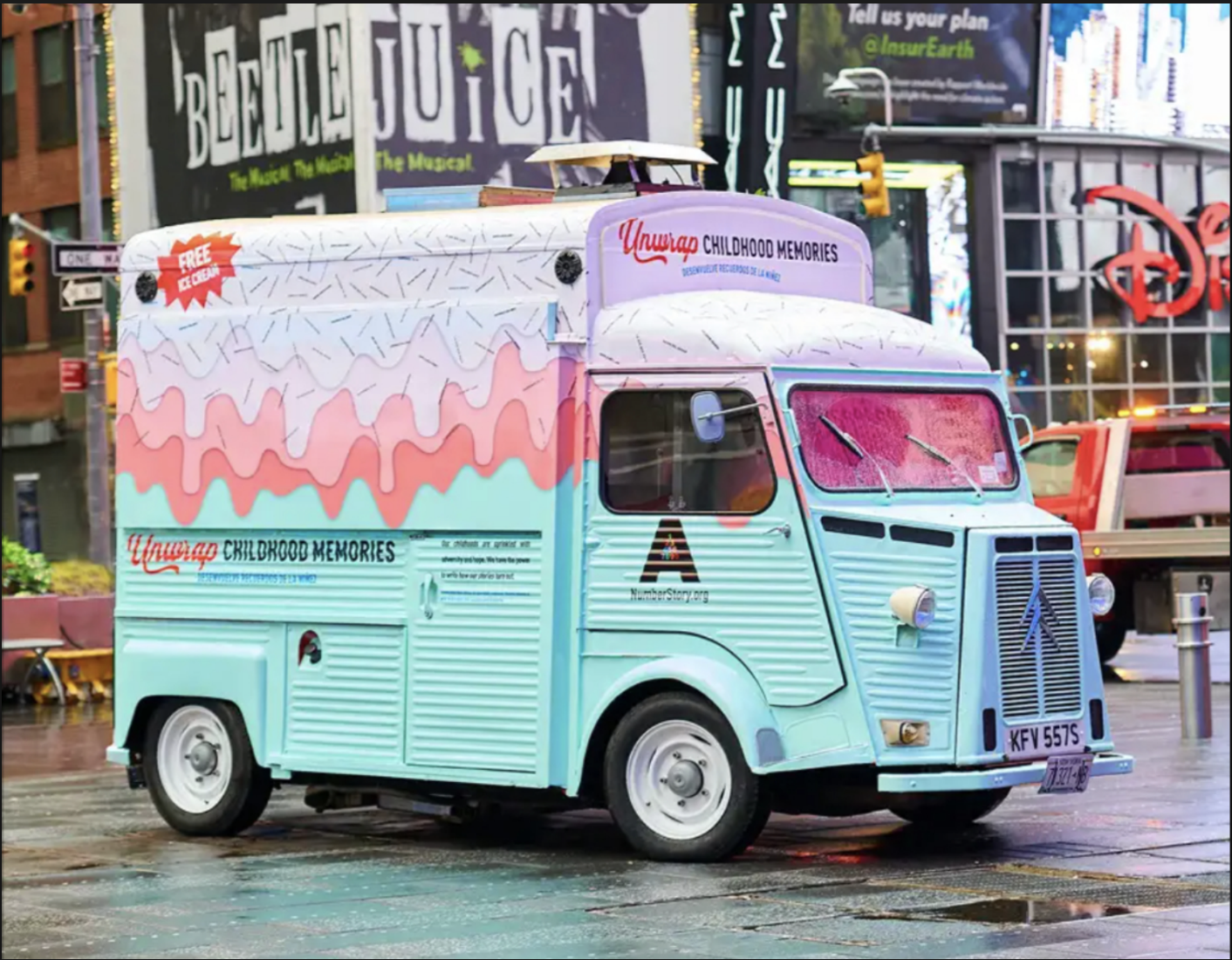
A vintage French van with a side that opens into a counter. Reads as a storefront with a story. Best for coffee, florals, beauty counters and fashion brands that want heritage in the photo. Ralph Lauren’s coffee truck and the It Starts With Us flower shop both ran on a Citroen. Cost: $60,000 to $120,000. See Citroens.
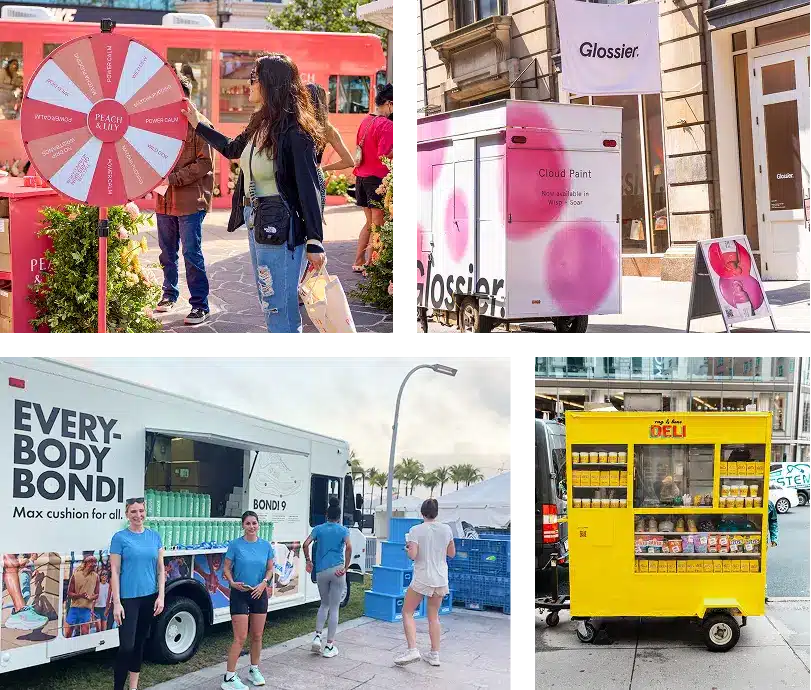
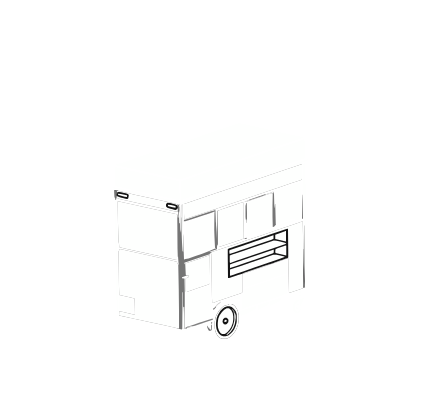
The smallest footprint. A towed or pushed cart with a counter and cold or hot storage. Best for high-traffic pedestrian zones, campus paths, parks and anywhere a truck cannot park. Lowest permit friction in most cities. Cost: $40,000 to $75,000. See food carts.
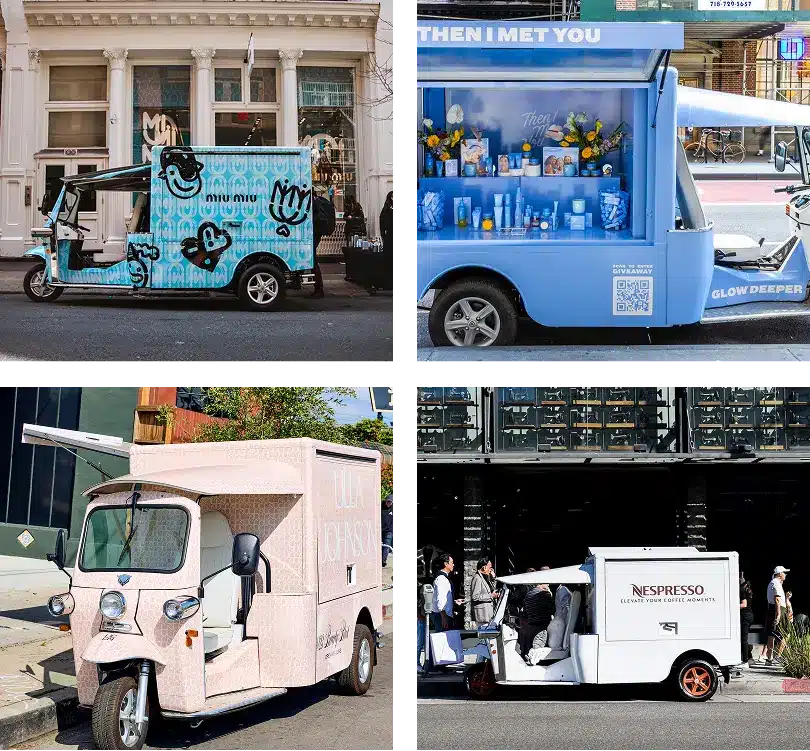
A three-wheeled vehicle with a branded cabin, often electric. Fits where nothing else does: narrow streets, plazas, indoor venues with permission. Best for beauty sampling, holiday drinks and anything that needs to move between several stops in a day. CHANEL’s hot cocoa tuk tuk generated more than 5 million impressions. Cost: $50,000 to $90,000. See tuk tuks.
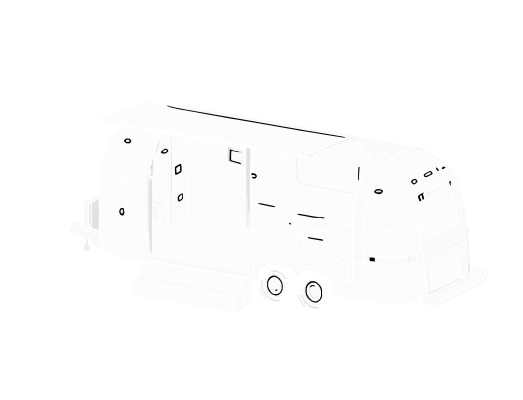
A full-length Airstream with the side opened as a stage or bar. Best for hospitality, panels, DJ sets, product launches and festival sponsorship footprints. Holds a crowd rather than a line. Cost: $100,000 to $200,000. See Airstream Stage.
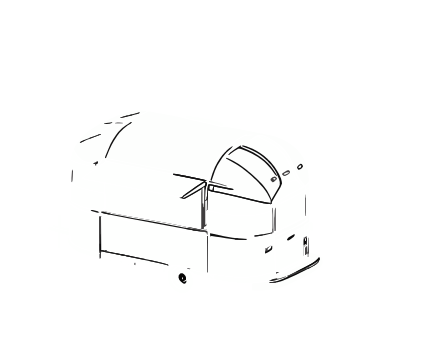
The short Airstream. A cafe, fitting room, consultation space or lounge in a towable footprint. Best for fashion try-ons, skincare consultations and premium sampling where a conversation matters. Cost: $75,000 to $140,000. See Airstream Bambi.
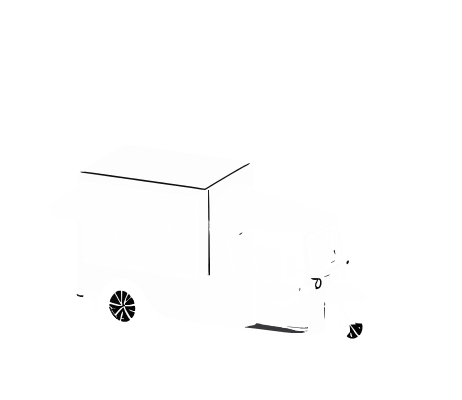
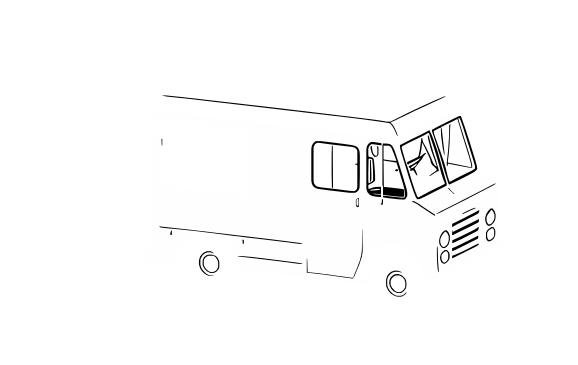
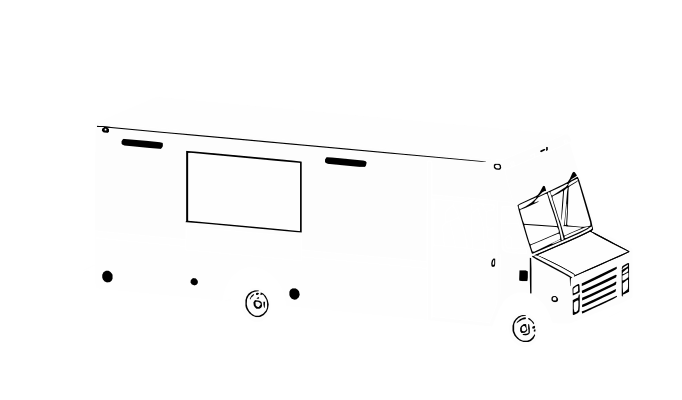
A classic step van with a tall, boxy body that takes a full wrap and a walk-in interior. Best for retail trucks, product drops and demos that need standing room inside. The most flexible interior of the mid-size formats. Cost: $80,000 to $160,000. See Chevy P10.
A compact step van for dense cities. Smaller than a P10, easier to permit and park, still a full wrap and a serving window. Best for New York, Chicago and San Francisco routes with several stops a day. Cost: $65,000 to $120,000. See Metro Mite.
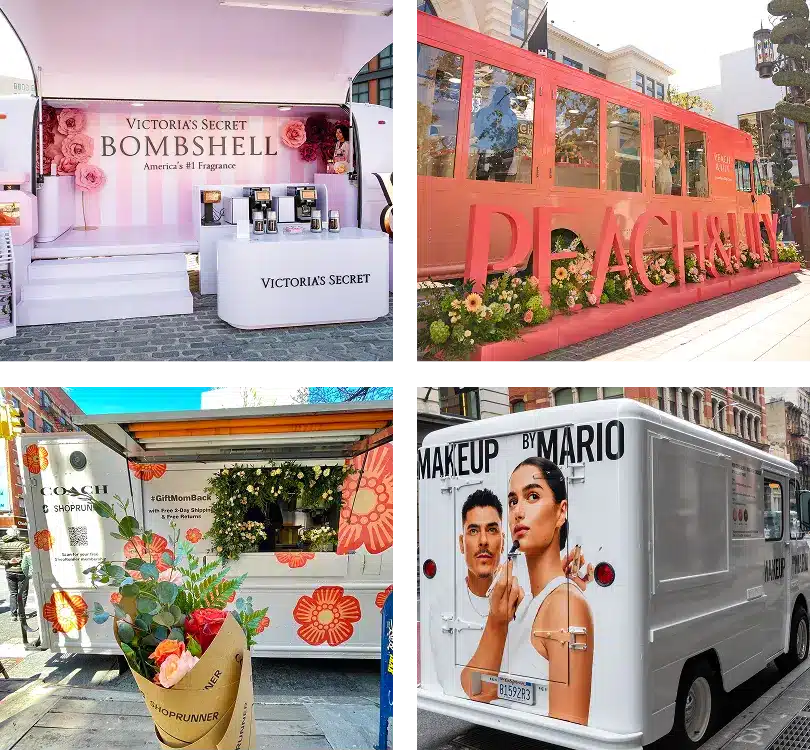
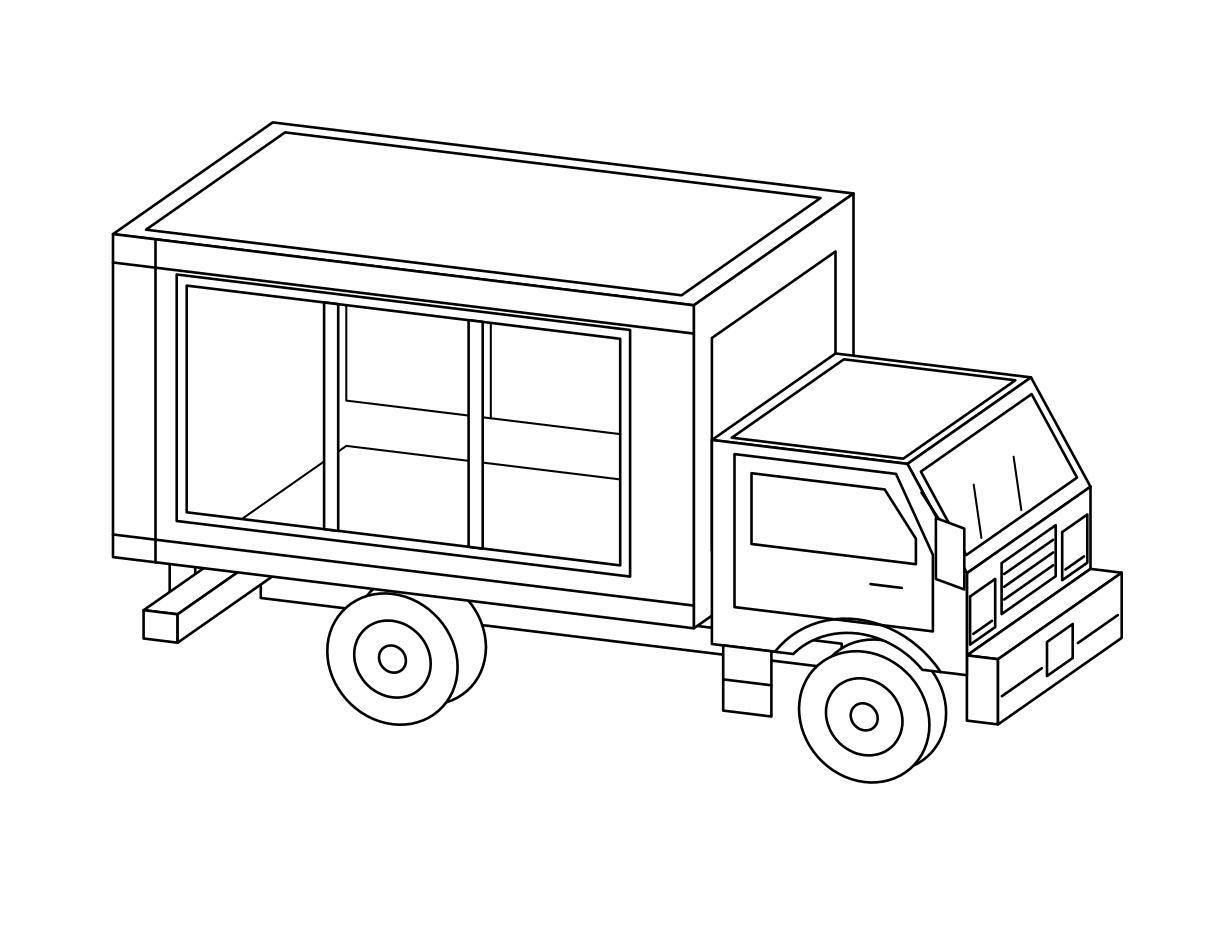
A truck with a transparent cube body that shows the whole experience from the street. Best for product showcases, customization stations, beauty counters and any activation where watching is part of the draw. Gisou’s Honey Glow truck ran on a glass format and reached 20 million impressions in three days. Cost: $100,000 to $200,000. See glass cube trucks.
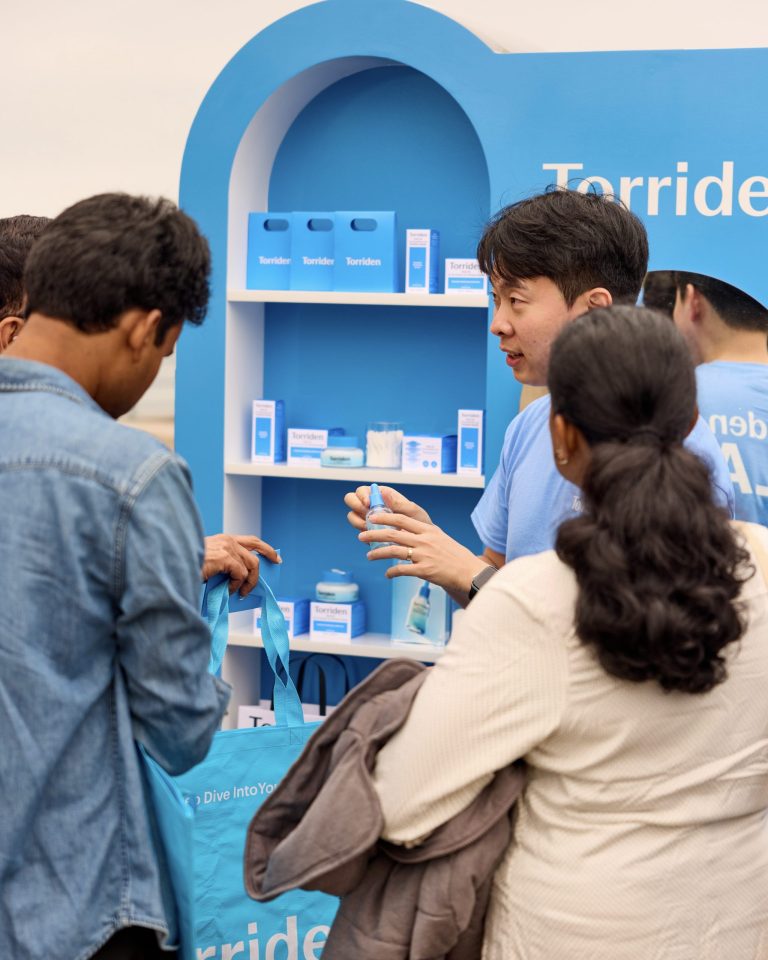
The larger glass format, with room to walk in. A showroom on wheels for fashion, beauty and tech launches and for multi-city tours where the vehicle is the store. TIRTIR’s World Tour and LANEIGE x innisfree’s 12-stop tour used glass trucks. Cost: $120,000 to $250,000. See glass box trucks.
| Vehicle | Footprint | Staff inside | Best for | Cost per market |
|---|---|---|---|---|
| Food cart | Smallest | 1 to 2 | Pedestrian zones, campus, parks | $40K to $75K |
| Tuk tuk | Small | 1 to 2 | Narrow streets, multi-stop days | $50K to $90K |
| Citroen | Small to mid | 2 | Heritage counters, coffee, florals | $60K to $120K |
| Metro Mite | Mid | 2 to 3 | Dense city routes | $65K to $120K |
| Food truck | Mid | 2 to 4 | F&B sampling, hot and cold product | $70K to $150K |
| Airstream Bambi | Mid | 2 to 3 | Consultations, fittings, lounges | $75K to $140K |
| Chevy P10 | Mid to large | 2 to 4 | Retail trucks, demos, drops | $80K to $160K |
| Glass cube truck | Large | 2 to 4 | Visible showcases, customization | $100K to $200K |
| Airstream Stage | Large | 3 to 6 | Hospitality, stages, festival footprints | $100K to $200K |
| Glass box truck | Largest | 3 to 6 | Showrooms, multi-city tours | $120K to $250K |
Costs include build or wrap, permits, staffing and one activation day in one US market. Multi-day and multi-city programs reuse the build and lower the cost per stop.
Start with the goal. Sampling volume wants a food truck or cart. A considered purchase wants a showroom format (Bambi, P10, glass box). Awareness and press want the format that photographs best from across the street (glass, Airstream Stage, Citroen).
Then the location. Measure the curb. Manhattan side streets and campus paths rule out large formats (New York street permits run through the city’s Citywide Event Coordination and Management office). Festival fields and parking lots welcome them. Our locations pages list what each city allows.
Then the audience. Gen Z on campus is reached by a tuk tuk that moves between quads. A luxury shopper outside a flagship expects an Airstream or glass truck. A commuter at a rail station has 90 seconds, so a cart with a hand-off beats a walk-in.
Then the budget and the calendar. Permits set the timeline at six to eight weeks per market. A wrap on an owned vehicle fits that window; a custom interior adds about three weeks. Approve the 3D rendering before anything is built.
Every vehicle takes three levels of customization. A wrap changes the outside and is the fastest and cheapest. An interior fit-out adds counters, shelving, lighting and refrigeration to match the experience. A full build changes the vehicle’s shape or adds a structure (a hotel room in an ice cream truck, a two-story bus). Most activations are a wrap plus a light interior. Full builds are for launches where the vehicle is the story.
Demographics decide more than taste. Where the audience is on a weekday afternoon decides the footprint. How long they will stop decides counter versus walk-in. What they will photograph decides the exterior. Build the day in the life of one target customer and the vehicle usually picks itself.
Event marketing vehicles turn an event sponsorship, a product launch or a tour into something a crowd can walk up to and a camera can find. Pick the format from the goal and the curb, wrap it, permit it early and plan to use it more than once. Browse the full experiential vehicle lineup, or get in touch with a date and a city and we will map the right vehicle to it.
Branded trucks, vans, buses, trailers and carts built to deliver a brand experience in person at events, on streets and on tours. The ten formats in common use are food trucks, Citroen vans, food carts, tuk tuks, Airstream Stage, Airstream Bambi, Chevy P10, Metro Mite, glass cube trucks and glass box trucks.
Sampling, mobile retail, product demos, hospitality and photo moments, usually across several locations or cities on one build. The term is interchangeable with event marketing vehicles and experiential marketing vehicles.
From about $40,000 for a food cart activation in one market to $250,000 for a glass box truck with a custom interior. The cost per stop falls on multi-day and multi-city programs because the build is reused.
Buying only makes sense for year-round programs. Renting a bare vehicle leaves you to handle build, permits, insurance and staff. An agency with an owned fleet handles all of it and already has the vehicles measured for renderings and permitted in major cities, which is why lead times are six to eight weeks rather than months.
Glass box trucks and Airstreams for tours where the vehicle is the destination, Chevy P10 and food trucks for sampling tours, tuk tuks when the tour has many short stops per day. See mobile marketing tours.
Six to eight weeks for one US market, driven by permits. Ten to twelve for multi-city tours or custom interiors. Holiday season in New York, Los Angeles and Chicago books earlier.
Merlin AI
Pick a vehicle, drop in your website, and Merlin AI brings your brand activation to the streets instantly.
Bring Your Brand to the Streets.®
Author
CEO @ FTP Agency
Benjamin H. Goldberg is passionate about bringing brands to life on the streets. As CEO of Food Truck Promotions and co-founder of the New York and Los Angeles Food Truck Associations, he helps create unforgettable mobile experiences that blend great food, creative branding, and meaningful connections with audiences everywhere.
Food sampling, for a brand, means putting a bite or a pour of a product into a stranger’s hand in public and having them…
Read more →
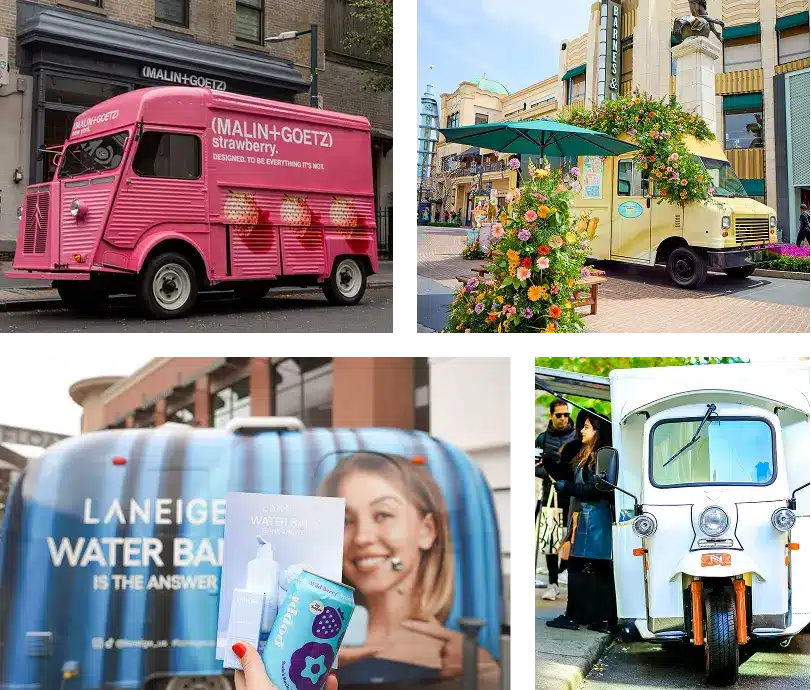
Beauty sampling is the format beauty brands use to get a product onto skin before it goes into a cart, and for the K-beauty…
Read more →
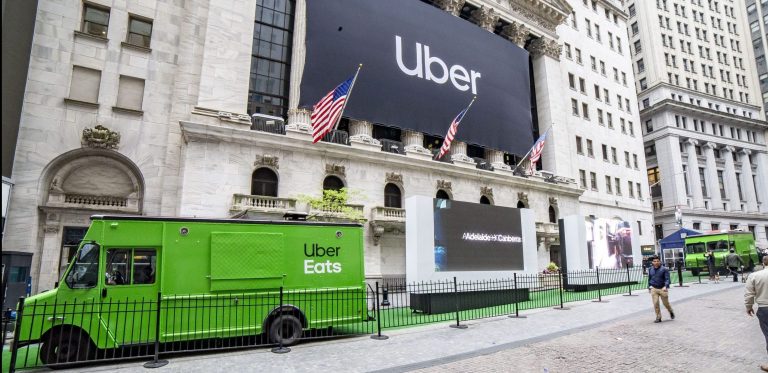
Mobile product sampling tours take one branded vehicle, one sample and one crew through several cities on a route, so a brand gets a…
Read more →We use and share personal information through cookies and similar technologies on our sites to personalize your shopping experience and ads. Others may use this information for their own marketing and business purposes. . Check our Privacy Policy for more details.
Browser Opt-Out Honored
We use and share your personal information with others to personalize your shopping experience and show you targeted ads on other sites based on your interests and online activities.
Online Info includes cookies, pixel tags, and similar technologies connected to your browser or device. Offline Info includes information associated with your email address based on your other interactions with us.
We use and share your personal information with others to personalize your shopping experience and show you targeted ads on other sites based on your interests and online activities. Information includes cookies, pixel tags, and similar technologies connected to your browser or device (Online Info), as well as information associated with your email address based on your other interactions with us (Offline Info). Others may use this information for their own marketing and business purposes.
You can choose to opt out of sharing one or both types of information.