A pop-up shop event looks spontaneous, and that is precisely the problem with planning one.
Everything people like about the format, the sense that it appeared overnight and will be gone next week, is the product of decisions made weeks or months earlier. Permits, venue, staffing, and stock all have to be settled long before anything looks casual.
This guide covers the sequence: what to decide first, what tends to derail the timeline, and what to measure once it is over.
Key Takeaways
- Goals come before concept: the theme should serve an objective you wrote down, otherwise you cannot judge whether it worked.
- Pick the location to fit the idea: compromising the concept to suit an available venue is the most common way a pop-up ends up forgettable.
- Permits set the earliest possible date: street activations need city approval, and anything served adds health department sign-off on top.
- Collaboration multiplies reach: a co-hosted event borrows an audience you would otherwise have to build.
- Budget for the unglamorous parts: staffing, permits, stock, and contingency are what run over, not the creative.
What Is a Pop-Up Shop Event?
A pop-up shop event is a temporary retail or brand experience staged in a public or rented space for a defined window, usually a few days to a few weeks. It can sell product, sample it, or simply create a branded moment people can visit.
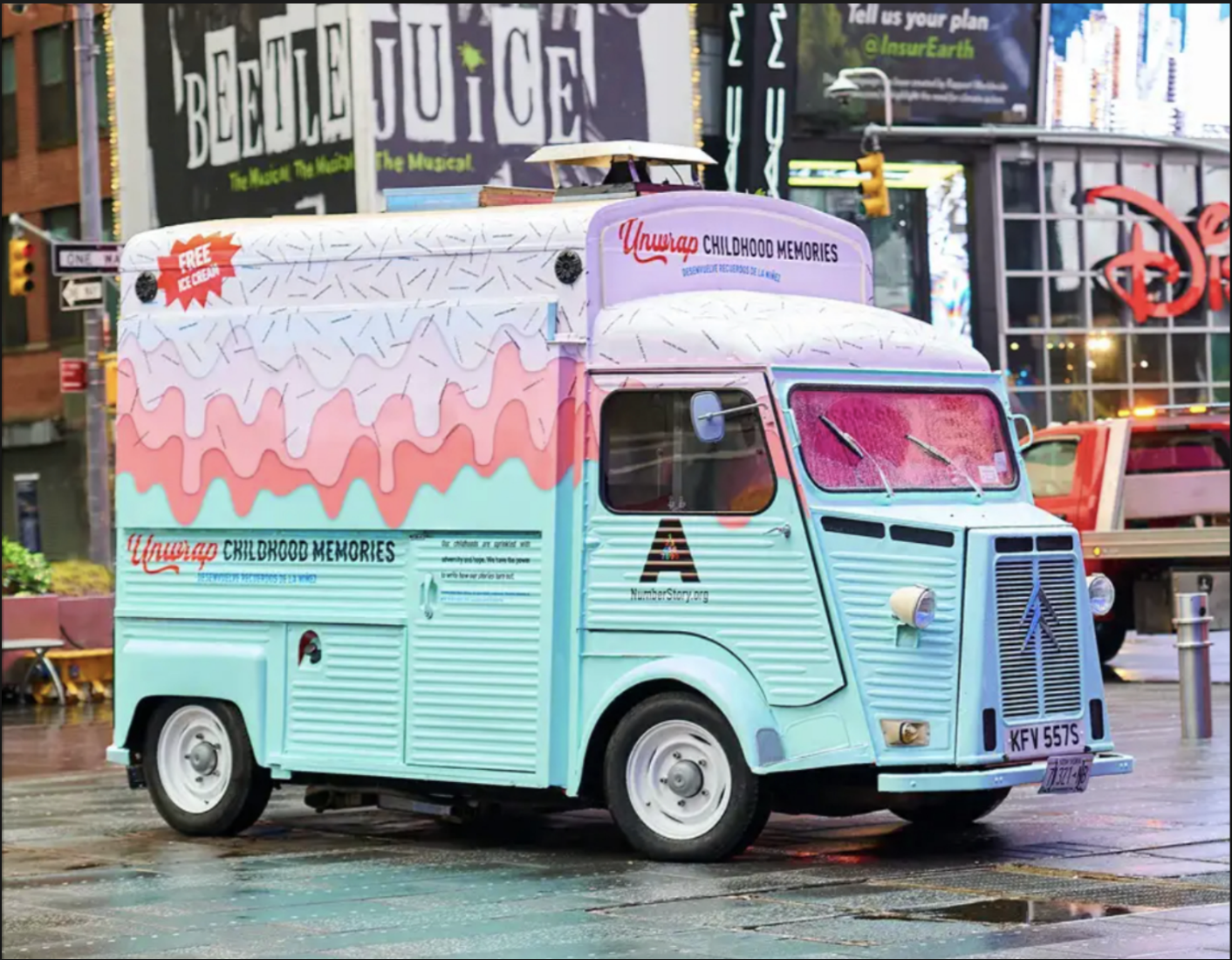
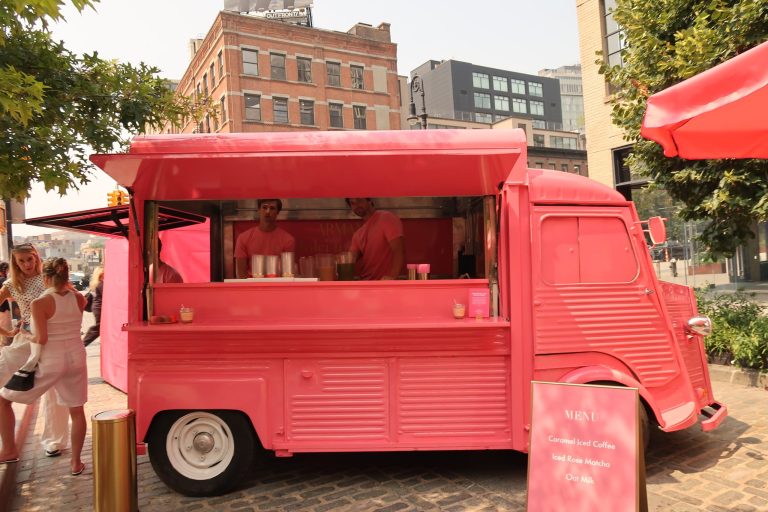
The term covers a lot of ground, in the same way that party or conference does. A single-day sampling truck on a street corner and a two-week rented storefront are both pop-up shop events, and they involve almost entirely different planning. Our guide to types of pop-up shops covers the formats.
How to Launch a Successful Pop-Up Shop
Follow this step-by-step guide to launch your first pop-up shop.
1. Define Your Goals First
Write them down. This sounds obvious and is skipped constantly, and it is the reason so many pop-ups get reported in adjectives rather than numbers.
Most events serve one or more of four objectives: acquiring new customers, building brand awareness, delivering a standout experience for existing customers, or gathering market research. Pick the primary one and let it settle the arguments later, because concept debates are much shorter when there is an agreed goal to test ideas against.
The practical version of this is naming the single action you want a visitor to take: scan a code, join a list, buy something, or tell a friend.
2. Build a Concept Worth Travelling For
The theme follows the goal. It then determines the format, the materials, the staffing, and how you promote it, which is why deciding it early saves money later.
One rule worth holding to: choose a location that fits your concept rather than bending the concept to fit an available location. Compromising the idea to suit a venue is the most reliable way to end up with something generic.
The concept does not have to center on selling your product directly. Some of the strongest activations give away something adjacent and let the product sit behind it. Our roundup of pop-up shop ideas covers formats that work.
3. Choose the Venue
Think about where your customers already work, eat, and spend time rather than where space happens to be available. A quieter street in the right neighborhood usually beats a busier one in the wrong neighborhood.
Once you have a shortlist, the practical questions start. How much space do you need? Indoors or outdoors? Is there power? Is there a queue path that does not block a sidewalk? Does the venue allow food service?
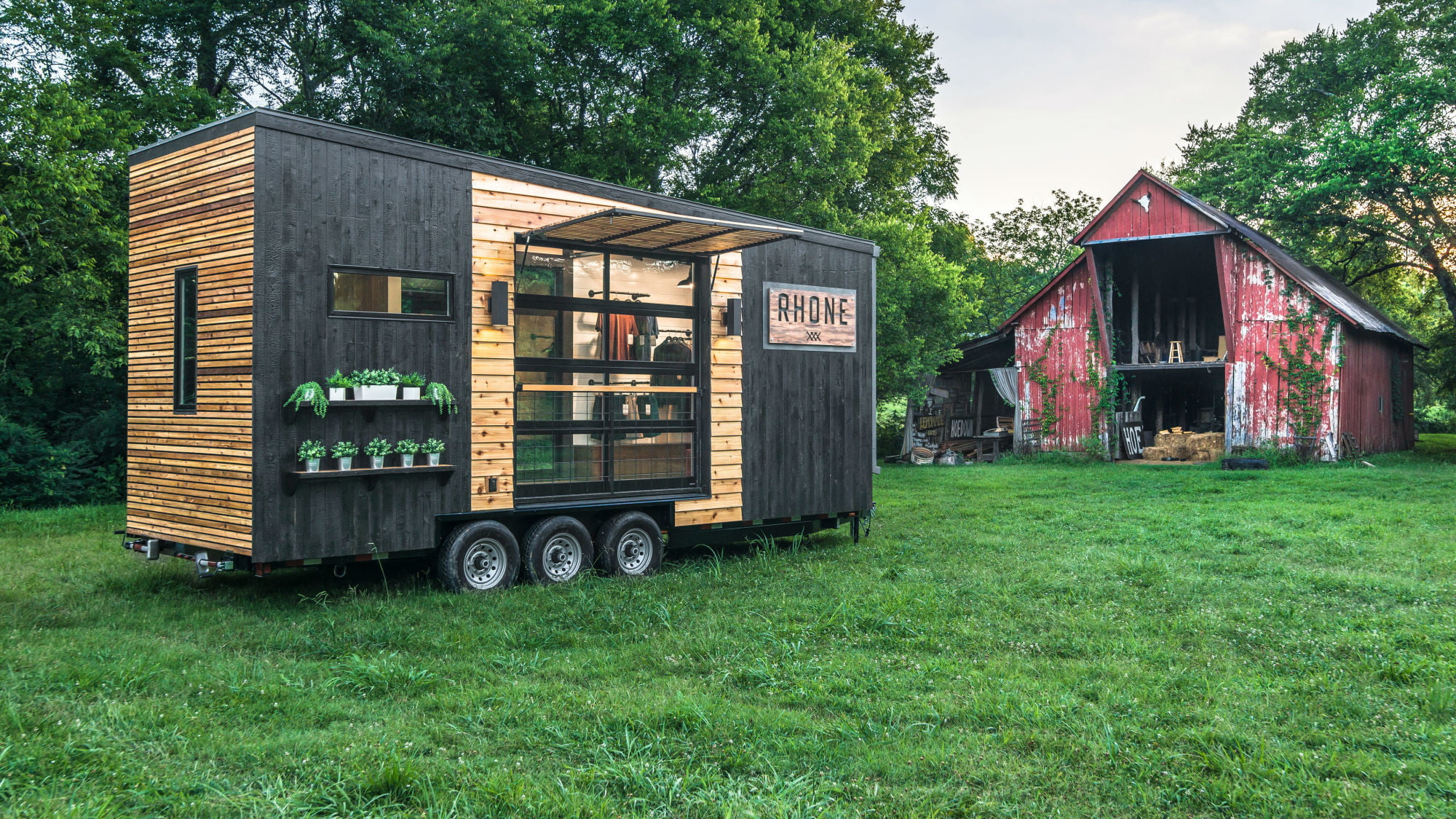
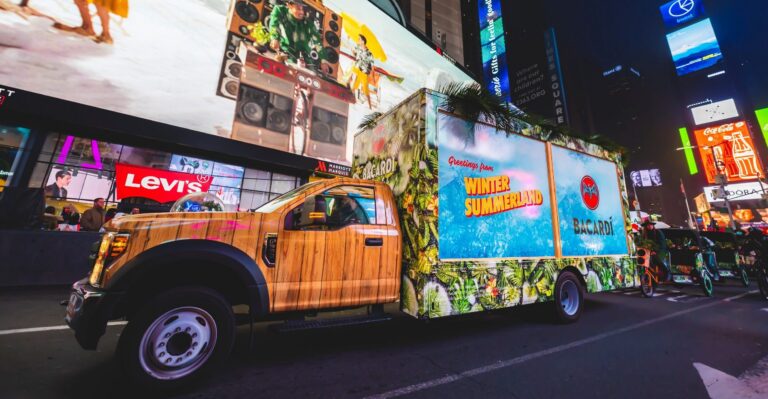
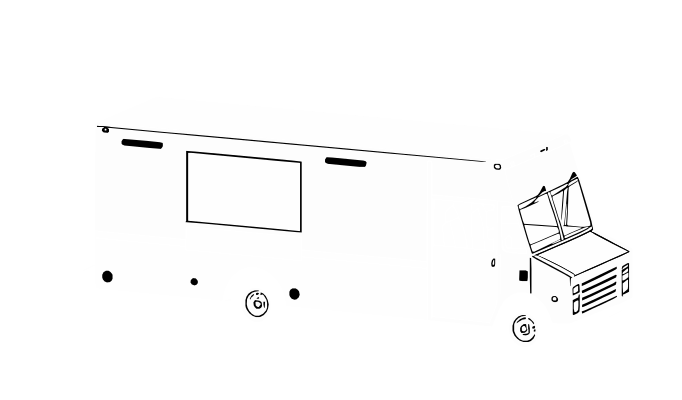
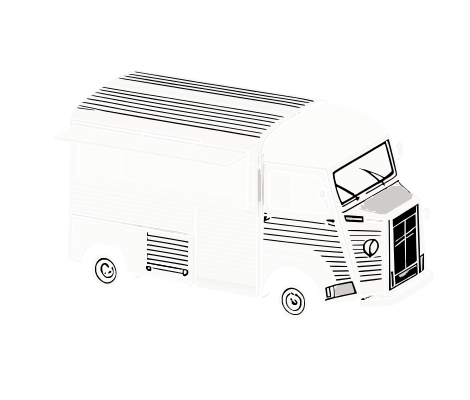
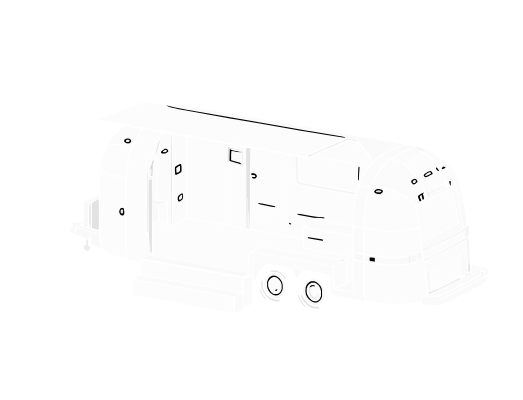
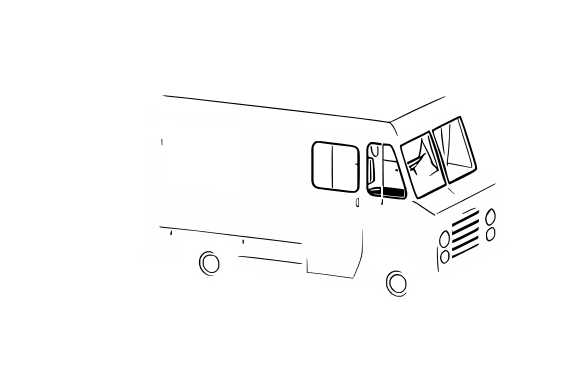
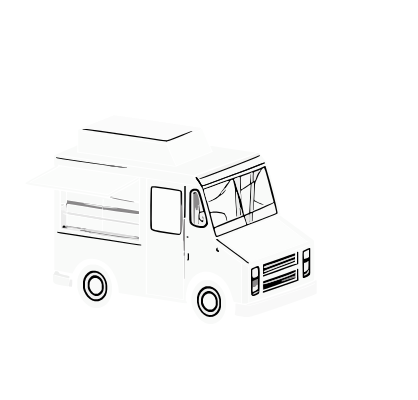
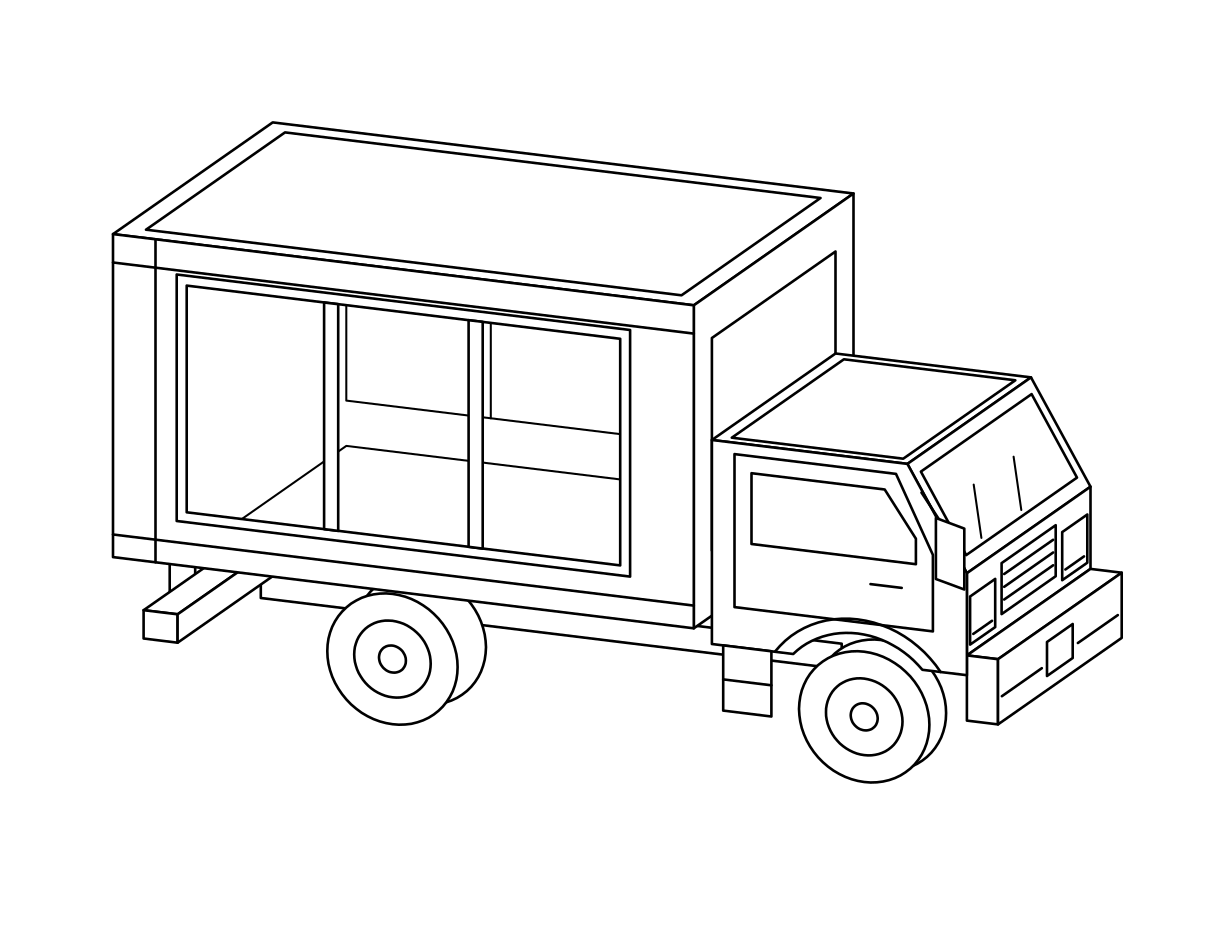
This is also where the vehicle option becomes relevant. A mobile pop-up shop removes the venue problem entirely, because the space arrives with you and can move to a second location if the first underperforms.
4. Sort Permits Early
This step is missing from most guides and it is the one that most often moves a launch date.
Street activations need a city permit. Private property needs an agreement with the owner or property manager. Anything served needs health department approval and food handler certification. Requirements vary by city and sometimes by block, and prime dates in major markets are claimed months ahead.
Approval timelines are outside your control, which is why permits rather than fabrication usually determine the earliest date you can open.
5. Consider a Collaboration
A co-branded pop-up is not necessary, but it is efficient. Each partner brings an audience, which means you are borrowing reach rather than building it, and the limited nature of a collaboration gives people a reason to make the trip.
Kate Spade took a version of this approach for Mother’s Day, parking six floral-printed carts along Broadway to launch a collection built on the same motif. See the build in our Kate Spade pop-up case study, and visit Kate Spade for the collection itself.
The test for a good partner is audience overlap without direct competition. A brand your customers already like, selling something you do not, is usually the right shape.
6. Promote It Before the Doors Open
A pop-up that nobody knew about is just a shop with a short lease.
- Announce the location and dates early so people can plan to attend, and keep a short, memorable hashtag consistent across everything.
- Invite creators and local press. A limited-run event is genuinely newsworthy for local outlets, which is an easier pitch than most brands assume.
- Do not neglect offline. Flyers, signage, and posters in the surrounding blocks reach the people most likely to walk in.
- Plan for the people who cannot attend. Photography, video, and a live stream extend the event to an audience far larger than the room. Our guide to creating experiences that drive UGC covers designing the moment people will photograph.
7. Set a Realistic Budget
Be honest early, because the creative is rarely what runs over. The lines that do are staffing, permits, stock, and the contingency nobody budgeted.
Plan for the vehicle or venue, the build and set dressing, product and packaging, staffing per day, permits and insurance, transport, and content capture. Then add a contingency, because something on that list will cost more than the estimate.
Case Study: How Gisou Built a Three-Day Pop-Up Around One Ingredient