How Experiential Event Marketing Works
Experiential events put people inside a brand rather than in front of it, which is the whole distinction from every other kind of event.…
Read more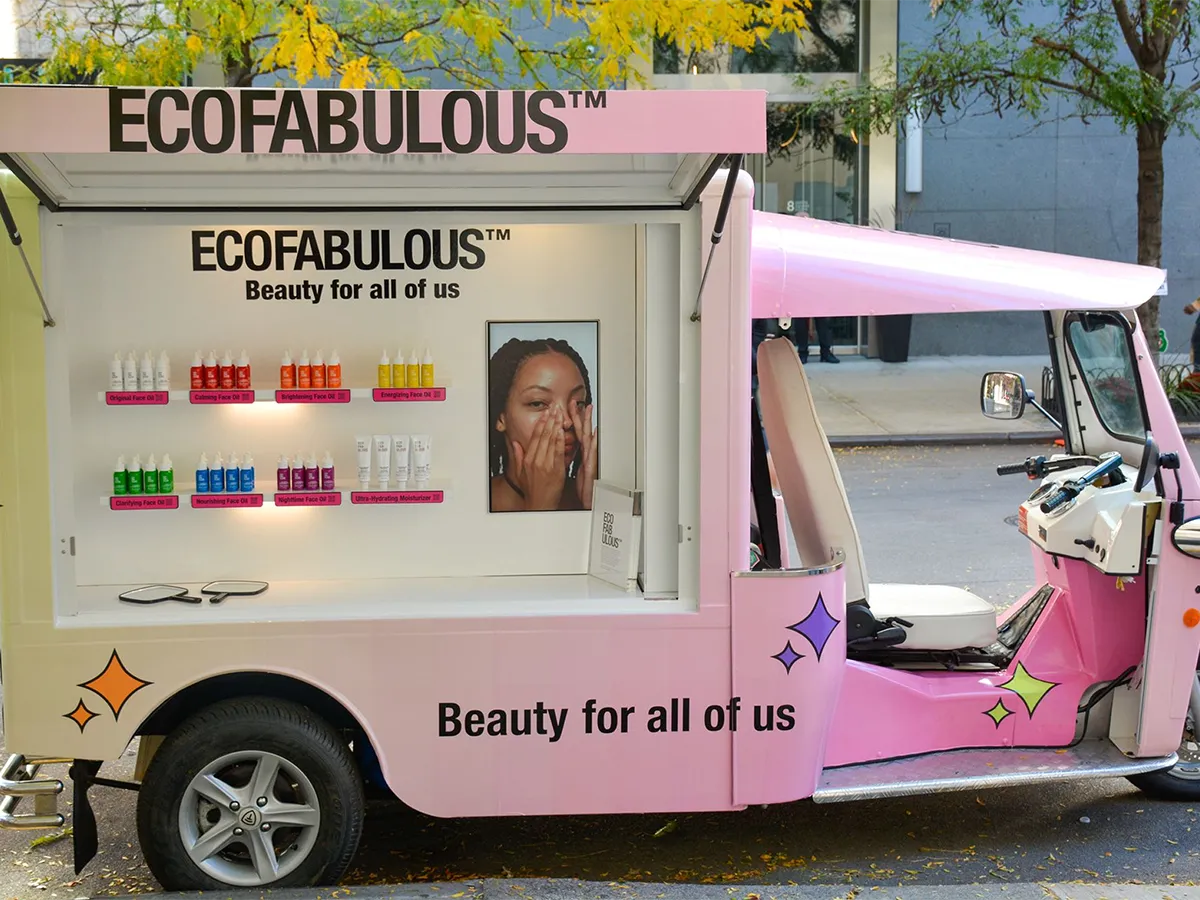
The strongest campaigns combine new technology, personalization, and heartfelt storytelling to leave a lasting impression. Here are five experiential marketing ideas worth stealing.
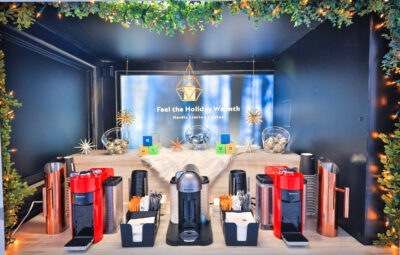
Themed pop-ups turn a mobile activation into a fully immersive brand world that resonates with a target audience. By designing a strong visual and interactive theme, a brand tells a story customers want to step into and share.
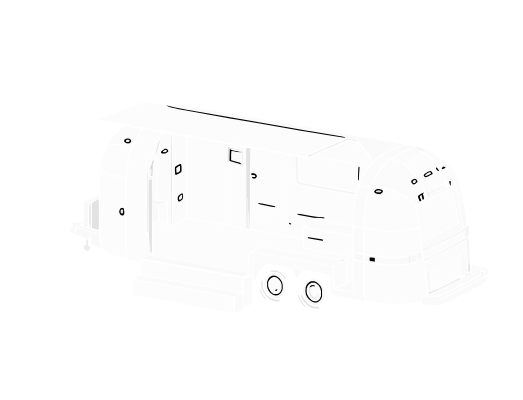
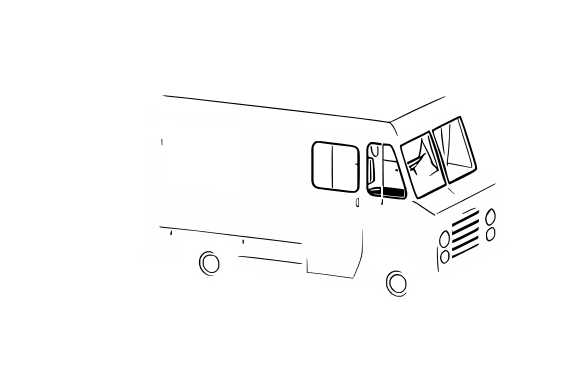
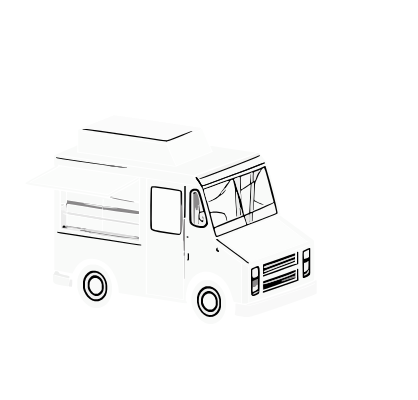
How it works: The vehicle, whether a food truck, tuk tuk, Airstream, or another experiential vehicle, is fully customized with branded decor, interactive elements, and a themed setup. Customers engage through hands-on demonstrations, personalized interactions, and storytelling, often with free samples, exclusive giveaways, influencer appearances, or a social challenge to drive participation.
Example: A skincare brand runs a “Glow on the Go” tuk tuk offering free skin assessments, sample giveaways, and a tool that lets any passerby scan their skin type and get personalized recommendations on the spot.
Why it works: The unique setup creates a buzz-worthy attraction that drives foot traffic and visibility, and the personalization fosters an emotional connection that outlasts any standard ad.
Best for: Beauty, skincare, food and beverage, and lifestyle brands launching a product or entering a new market.
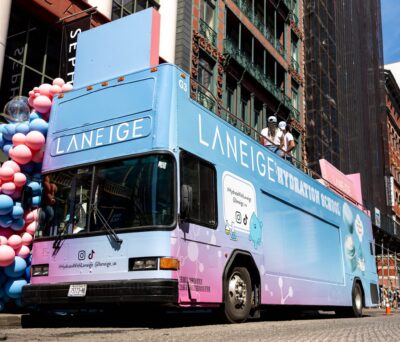
A promotional tour set for a fixed timeframe brings the brand directly to customers across multiple markets, using exclusivity and urgency to drive engagement. These campaigns move between high-traffic locations to maximize exposure in a single push.
How it works: A customized vehicle is branded and stationed in key cities, neighborhoods, festivals, campuses, or shopping centers across your target locations. Brands offer limited-time promotions, exclusive deals, or first-access products, and a social component like a hashtag or influencer collaboration encourages viral engagement.
Example: A new beverage company launches a nationwide “Taste Tour” serving limited-edition flavors available only during the campaign, letting customers vote for their favorite to join the permanent lineup.
Why it works: Scarcity increases demand, and customers who feel part of an exclusive, time-bound experience are more likely to act in the moment. This is why so many brands turn to mobile marketing tours to build visibility and real-time connection at once.
Best for: Product launches, seasonal campaigns, and brands that want national reach across multiple markets in a single push.
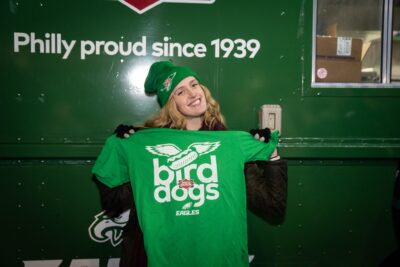
Sampling is still one of the most effective ways to get customers to engage with a product, and mobile activations let brands deliver it in high-traffic locations where people can experience the benefit immediately. It is the format that turns trial directly into advocacy.
How it works: A mobile sampling station, truck, or Airstream offers hands-on access to products, encouraging customers to try before they buy. Digital elements like QR activations, app promotions, or touchscreens let customers unlock discounts or enter giveaways, while brand ambassadors amplify on-site engagement and social sharing.
Example: An organic snack brand sets up a self-serve sampling station in a branded Airstream, where customers scan a QR code to vote for their favorite flavor and instantly unlock a discount on it.
Why it works: Hands-on experiences engage people more deeply and lift purchase intent, since customers feel the product benefit before committing. It is a well-documented effect: EventTrack research finds that 74% of consumers are more likely to buy a product after engaging with branded event marketing. The interactive layer also creates a moment worth sharing.
Best for: Food and beverage, CPG, and any brand whose product is best understood by trying it.
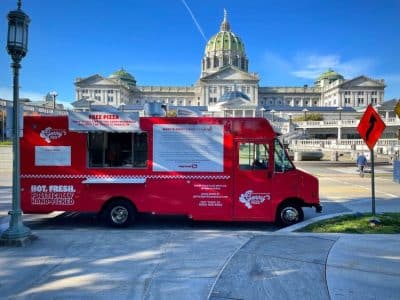
Customers care about brand values, and an activation tied to a genuine cause creates connections that go beyond product promotion. Mobile activations built around charitable, sustainable, or community-driven missions foster trust and loyalty.
How it works: Brands create experiences that align with a social or environmental cause, then invite customers to take part in a meaningful action, a donation, a recycling initiative, or a community event, sometimes with a reward or perk for participating.
Example: A sustainable fashion brand runs a “Recycle and Reward” tuk tuk during New York Fashion Week, where customers trade old clothing for discount codes on ethically made apparel, reducing waste while showing the brand’s ethics in action.
Why it works: Customers reward brands that share their values with long-term loyalty and advocacy, and the social impact makes the activation memorable. This is where values-driven storytelling strengthens the whole brand-customer relationship.
Best for: Mission-driven brands and any company looking to deepen trust with a values-conscious audience.
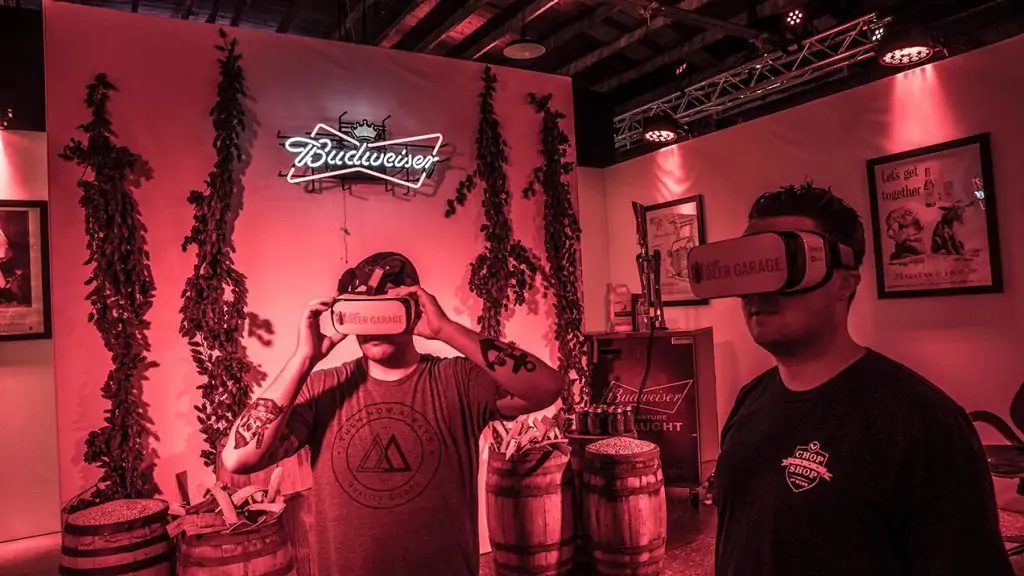
Virtual reality (VR) and augmented reality (AR) are reshaping mobile experiential marketing, letting brands create tech-enhanced activations that lift engagement and bridge the physical and digital.
How it works: A mobile vehicle is equipped with VR headsets or AR touchscreens for an immersive digital experience. AR demos let customers see how a product looks, fits, or functions in real time, and gamified experiences let them unlock discounts, find hidden content, or take on challenges.
Example: A sneaker brand uses an AR-powered glass box truck where customers scan a QR code to see a 3D hologram of the newest shoe, customize it in real time, and buy it instantly from their phone.
Why it works: VR and AR immerse customers in interactive brand storytelling and build deeper emotional connection, turning a mobile campaign into a dynamic, digitally driven experience that signals a brand is ahead of the curve.
Best for: Tech, footwear, automotive, and innovative brands that want to stand out as forward-looking.
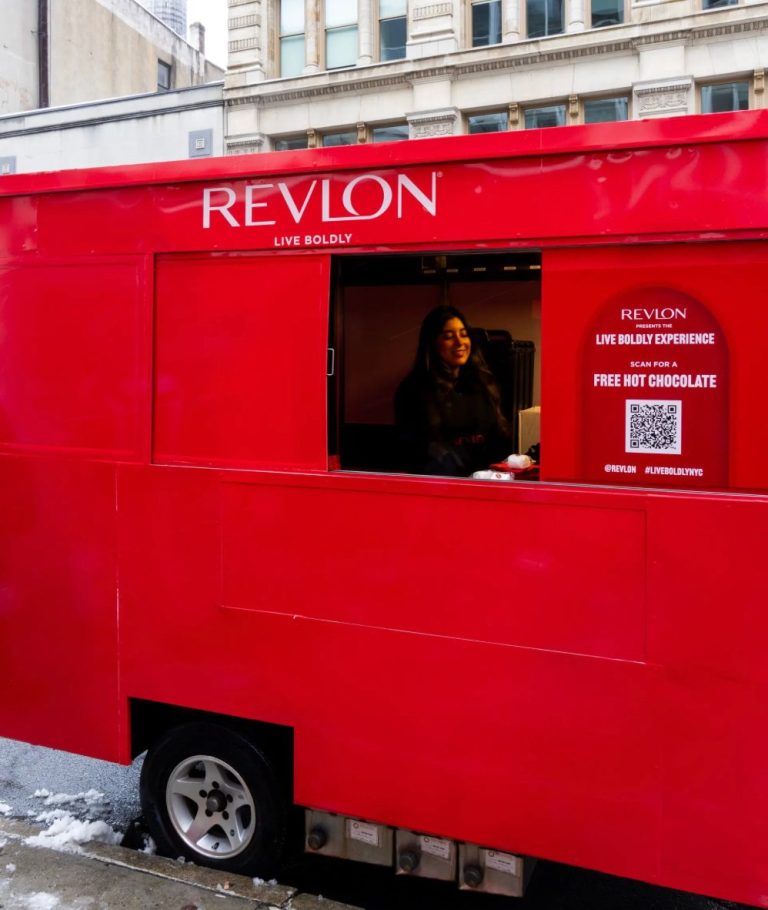
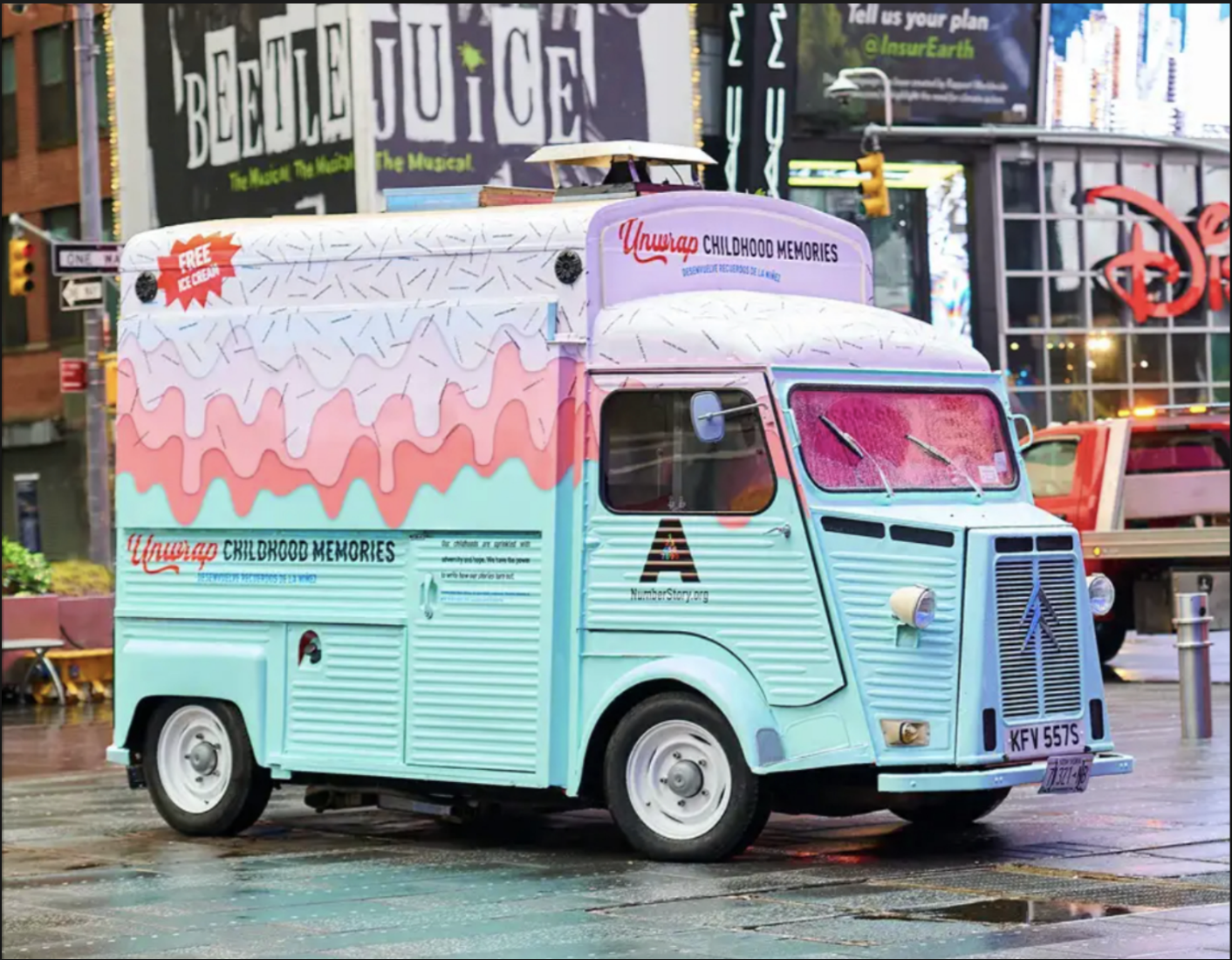
Merlin AI
Pick a vehicle, drop in your website, and Merlin AI brings your brand activation to the streets instantly.
Bring Your Brand to the Streets.®

Experiential events put people inside a brand rather than in front of it, which is the whole distinction from every other kind of event.…
Read more
Experiential design is the practice of designing a space people move through rather than a surface people look at, and that single difference is…
Read more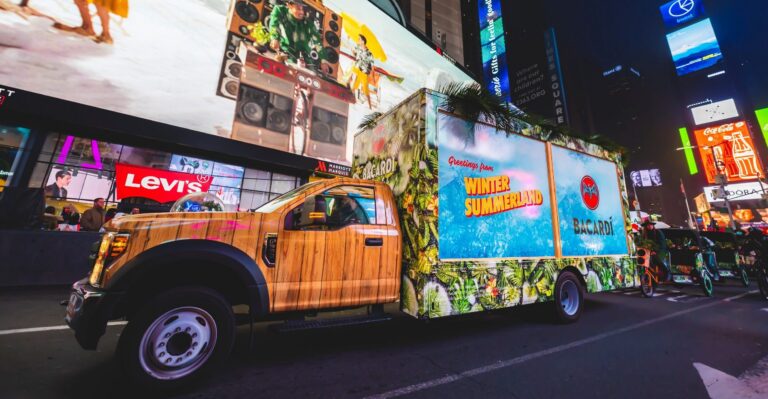
Choosing a brand activation company is difficult for a specific reason: every portfolio looks good, and none of them show you the part that…
Read more