The 5 Luxury Brand Marketing Strategies Used by the Top Fashion Houses
Luxury brand marketing strategies work by inverting almost every rule the rest of marketing follows. Mass brands chase reach, discount to convert, and optimize…
Read moreBy: Benjamin Goldberg • • 8 min read
The retail marketing strategies working in 2026 have one thing in common: they treat the physical store as a media channel rather than a cost center.
After a decade of budget moving online, the pendulum has swung back. Brands that built entirely on paid social are opening stores, and brands with stores are discovering that the building itself is the most under-used marketing asset they own.
This guide organizes the strategies by what you are actually trying to achieve, since a store opening and a loyalty problem call for very different work.
Retail marketing is the set of activities a brand uses to drive customers into a store or onto its ecommerce site and convert them into repeat purchasers. It spans paid and organic media, email and loyalty programs, local search and store listings, in-store merchandising and promotions, and live brand activations that generate traffic to a specific location.
The distinguishing feature is location. Most retail marketing is judged on whether it moved people to a place, which is why proximity, timing, and foot traffic matter more here than in most categories.
The context has changed since the pandemic-era assumption that stores were in permanent decline. Coresight Research forecasts more than 5,000 new US store openings in 2026, with brands increasingly using physical retail as a brand builder rather than purely as a place to transact.
Two consequences for your strategy. First, competition for foot traffic is rising, so a new store cannot rely on the location alone. Second, the store is now expected to do marketing work, which means the opening, the windows, the events, and the street outside it are all part of the campaign.
Here are the top retail marketing strategies you should deploy depending on your goals.
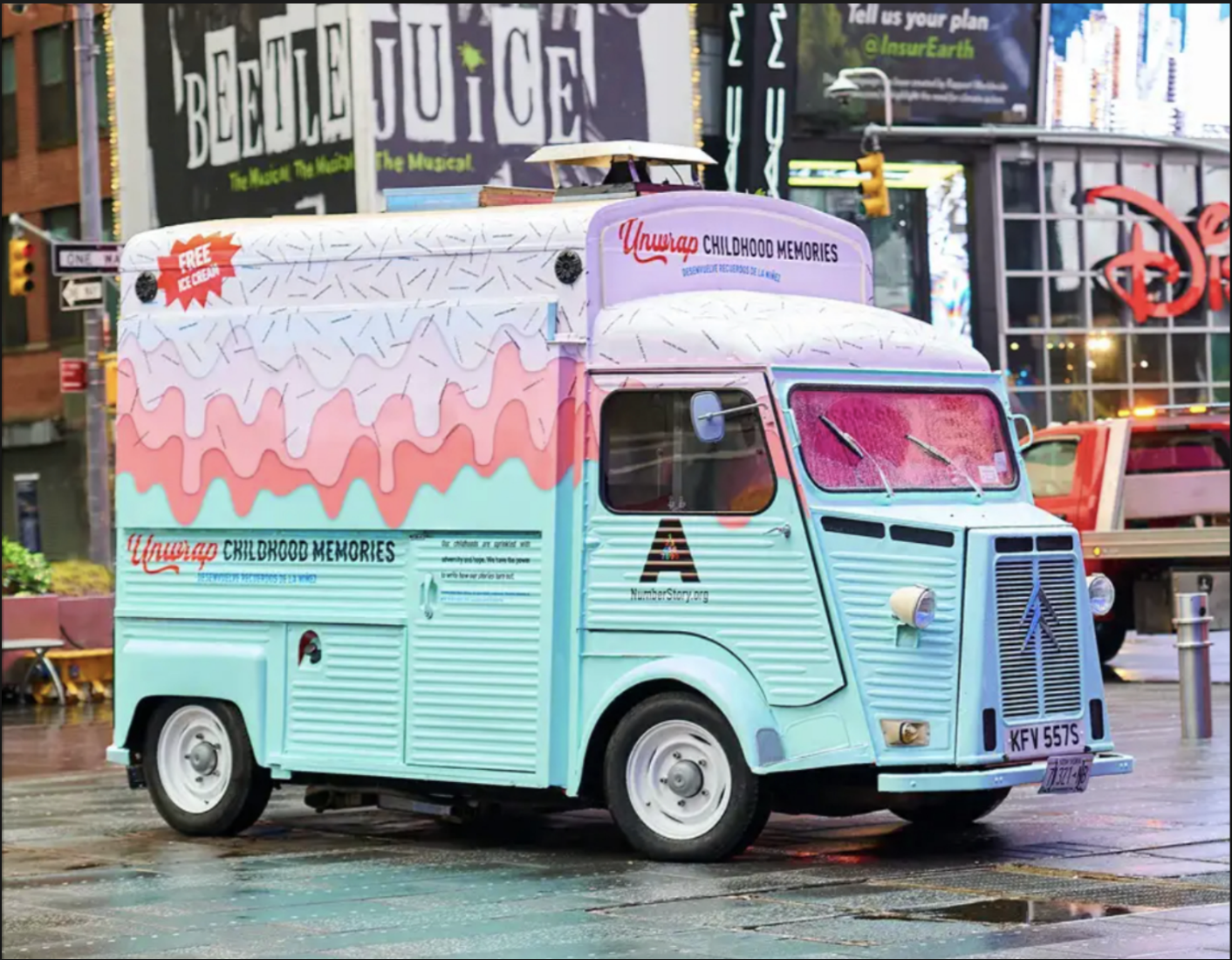
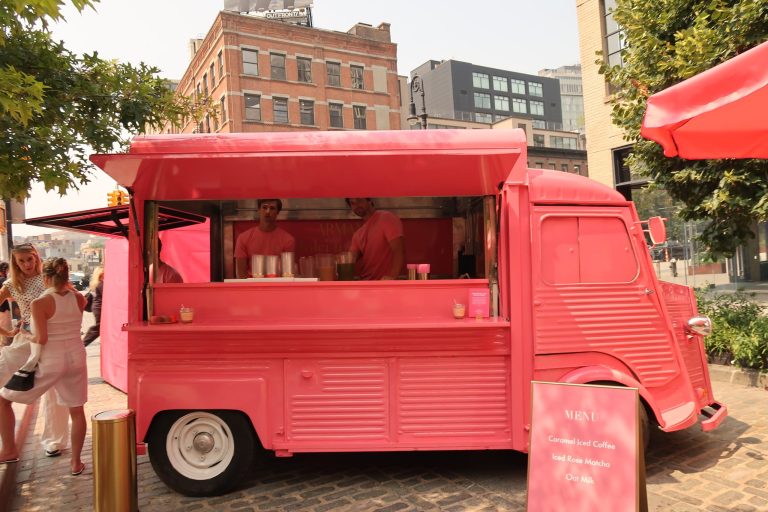
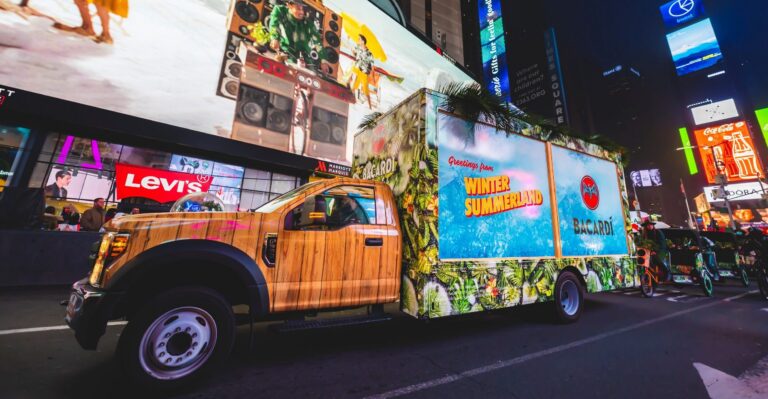
The most common brief and the hardest to solve with media alone. What works is giving people a reason to come this week rather than eventually: a limited event, a giveaway, a sampling activation outside the door, or a local partnership. A branded vehicle parked on the corner converts passing traffic into store traffic, which is the step most campaigns skip.
An opening is the single largest attention moment a location will ever get, and most brands waste it on a ribbon and a discount. Treat it as an event: a physical activation on the street, local press, a creator invitation, and something exclusive to the day. Our roundup of the best pop-up shops includes several openings run this way.
Loyalty is won after the first purchase, so the work is retention infrastructure: a program worth joining, a reason to return, and a communication cadence that is useful rather than constant. Sign-ups captured at an activation feed this directly, which is why capture mechanics matter more than impressions.
Opening cold in an unfamiliar city is expensive. A mobile activation lets you test demand, build a local list, and generate awareness before signing a lease, and it can run in several candidate markets for the cost of one buildout. See where we operate on our locations page.
Shelf space alone rarely creates demand. Pairing a retail launch with an activation nearby drives traffic to the shelf and gives the retail partner a reason to feature you. This is the standard play in beauty and beverage, covered further in our guide to beauty marketing strategies.
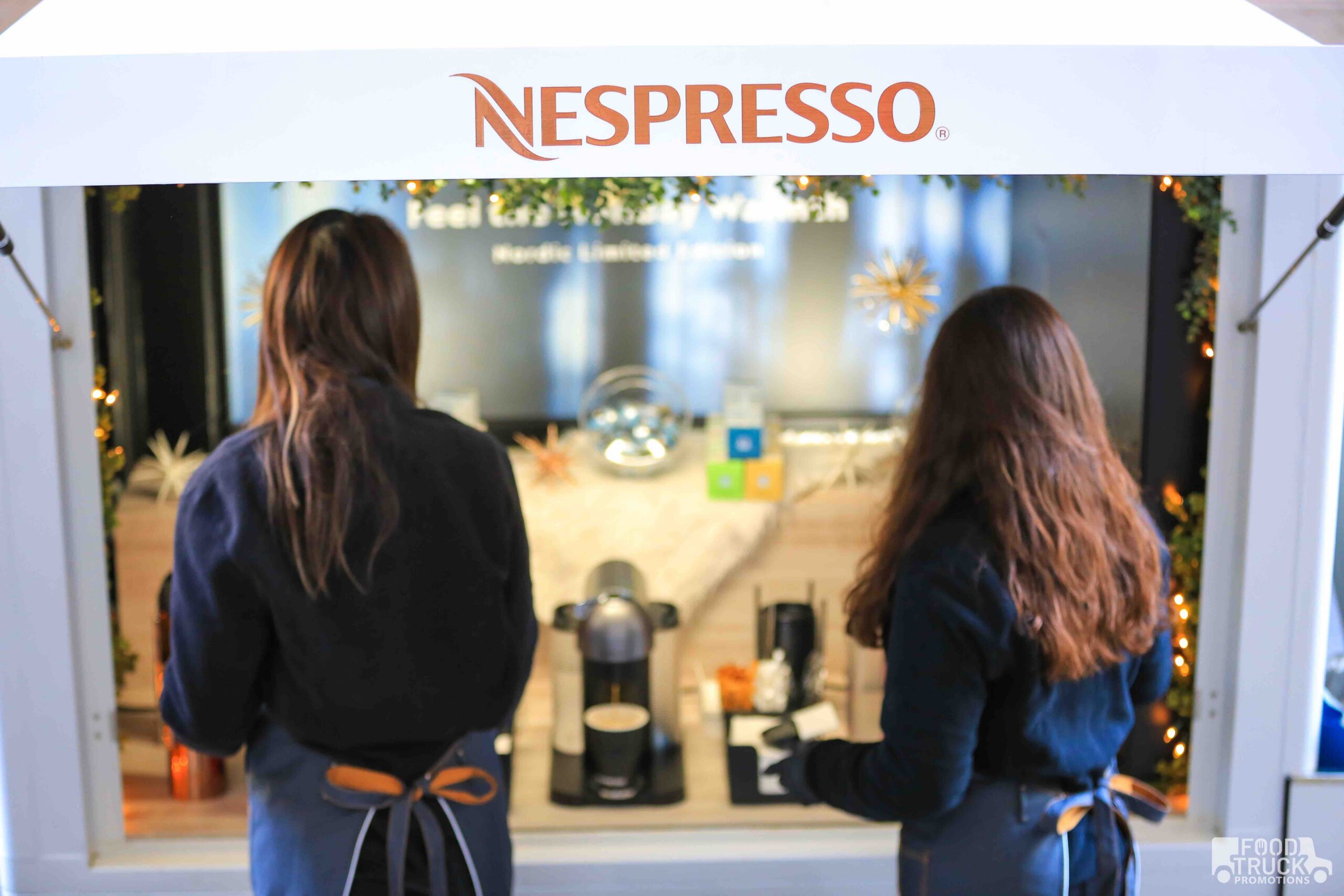
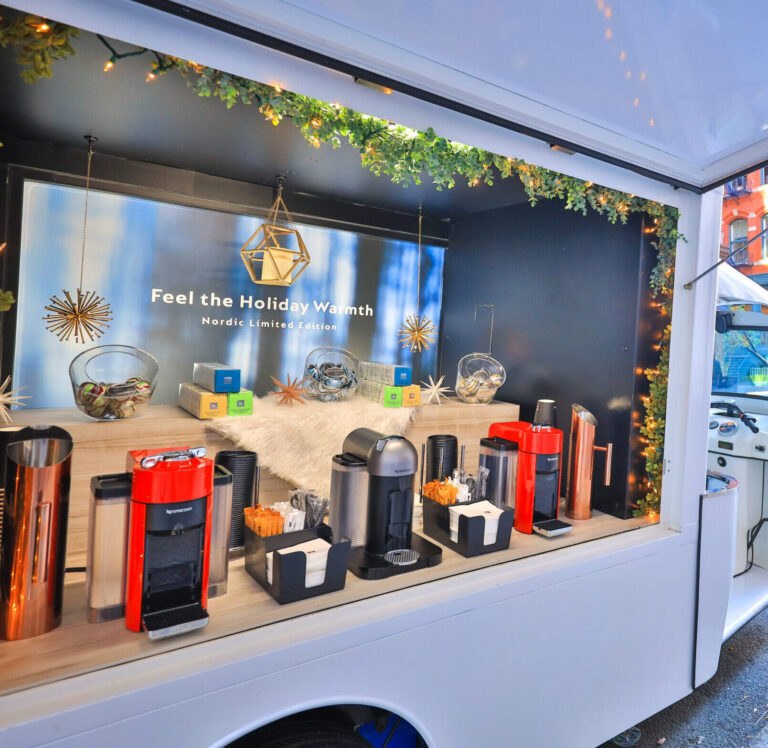
Nespresso needed to put its machines in front of customers in a setting where the product could be experienced rather than described, which is the core challenge for any considered retail purchase.
We built mobile showrooms that brought the brand environment directly to high-traffic locations, letting people see the machines, taste the product, and ask questions in person before buying.
Why it worked as retail marketing: it inverted the usual problem. Rather than persuading someone to travel to a store, the store traveled to where the customers already were, which removes the single biggest point of drop-off in the retail funnel. Read the full build in our Nespresso mobile showrooms case study, or browse more brand activation case studies.
Retail marketing in 2026 rewards brands that use the physical world as a channel rather than an overhead. Choose the strategy that matches the goal, treat openings as events, and remember that the hardest conversion in retail is not online to purchase, it is screen to street.
If you have an opening, a launch, or a foot traffic problem, we build the activations that solve it. Explore our mobile showroom services or contact our team to talk it through.
Retail marketing covers the activities a brand uses to drive customers to a store or ecommerce site and convert them into repeat purchasers. It spans paid and organic media, email and loyalty, local search, in-store merchandising, and live activations that generate traffic to a location.
Match the strategy to the goal. Foot traffic responds to time-limited reasons to visit, openings should be run as events, loyalty needs retention infrastructure, and new market entry is best tested with a mobile activation before committing to a lease.
A traditional pop-up occupies a leased storefront or space for a fixed period, while a mobile pop-up is built into a vehicle and can change locations daily. The mobile version carries an identical brand experience across stops and doubles as a moving billboard between them.
Growing. Coresight Research forecasts more than 5,000 new US store openings in 2026, with brands increasingly treating stores as brand builders rather than purely transactional. That also means competition for foot traffic is rising.
Give people a reason to come this week rather than eventually. Limited events, giveaways, sampling outside the door, and local partnerships all work. A branded vehicle on the corner converts passing traffic into store traffic directly.
As an event rather than an announcement. Combine a street-level activation, local press outreach, creator invitations, and something exclusive to opening day. An opening is the largest attention moment the location will ever get.
Marketing designed to move someone from a digital touchpoint into a physical location. It is the hardest conversion in retail, which is why bounce-back cards, in-store-only offers, and street activations near the door are used to close the gap.
Run a mobile activation. It lets you gauge demand, build a local email list, and generate awareness in several candidate cities for less than the cost of one buildout, before you commit to a lease in any of them.
Yes, particularly for driving traffic and product trial. Letting customers touch, taste, or try is the one advantage physical retail holds over ecommerce, and an activation concentrates that advantage into a specific window and location.
Track foot traffic and conversion rate, bounce-back redemptions, sign-ups and loyalty enrollments, sales lift against a control market, and cost per store visit. The last figure is what lets you compare activations to paid local media.
Start with the goal, the location, and the window. A partner can handle concept, build, permits, staffing, and logistics. Share your opening date or launch window with our team and we will map the activation around it.
7 steps, 37 checkpoints, and a one-page brief to plan and launch a mobile pop-up shop that converts.
Instant PDF · No Cost
Author
CEO @ FTP Agency
Benjamin H. Goldberg is passionate about bringing brands to life on the streets. As CEO of Food Truck Promotions and co-founder of the New York and Los Angeles Food Truck Associations, he helps create unforgettable mobile experiences that blend great food, creative branding, and meaningful connections with audiences everywhere.
Luxury brand marketing strategies work by inverting almost every rule the rest of marketing follows. Mass brands chase reach, discount to convert, and optimize…
Read more →
The nonprofit marketing campaigns that raise money are rarely the ones with the biggest budget, they are the ones where the mechanic does the…
Read more →
Fashion marketing has never been more crowded, more expensive, or more dependent on getting a real person to stop and pay attention. The feed…
Read more →We use and share personal information through cookies and similar technologies on our sites to personalize your shopping experience and ads. Others may use this information for their own marketing and business purposes. . Check our Privacy Policy for more details.
Browser Opt-Out Honored
We use and share your personal information with others to personalize your shopping experience and show you targeted ads on other sites based on your interests and online activities.
Online Info includes cookies, pixel tags, and similar technologies connected to your browser or device. Offline Info includes information associated with your email address based on your other interactions with us.
We use and share your personal information with others to personalize your shopping experience and show you targeted ads on other sites based on your interests and online activities. Information includes cookies, pixel tags, and similar technologies connected to your browser or device (Online Info), as well as information associated with your email address based on your other interactions with us (Offline Info). Others may use this information for their own marketing and business purposes.
You can choose to opt out of sharing one or both types of information.